
A Fond Farewell!
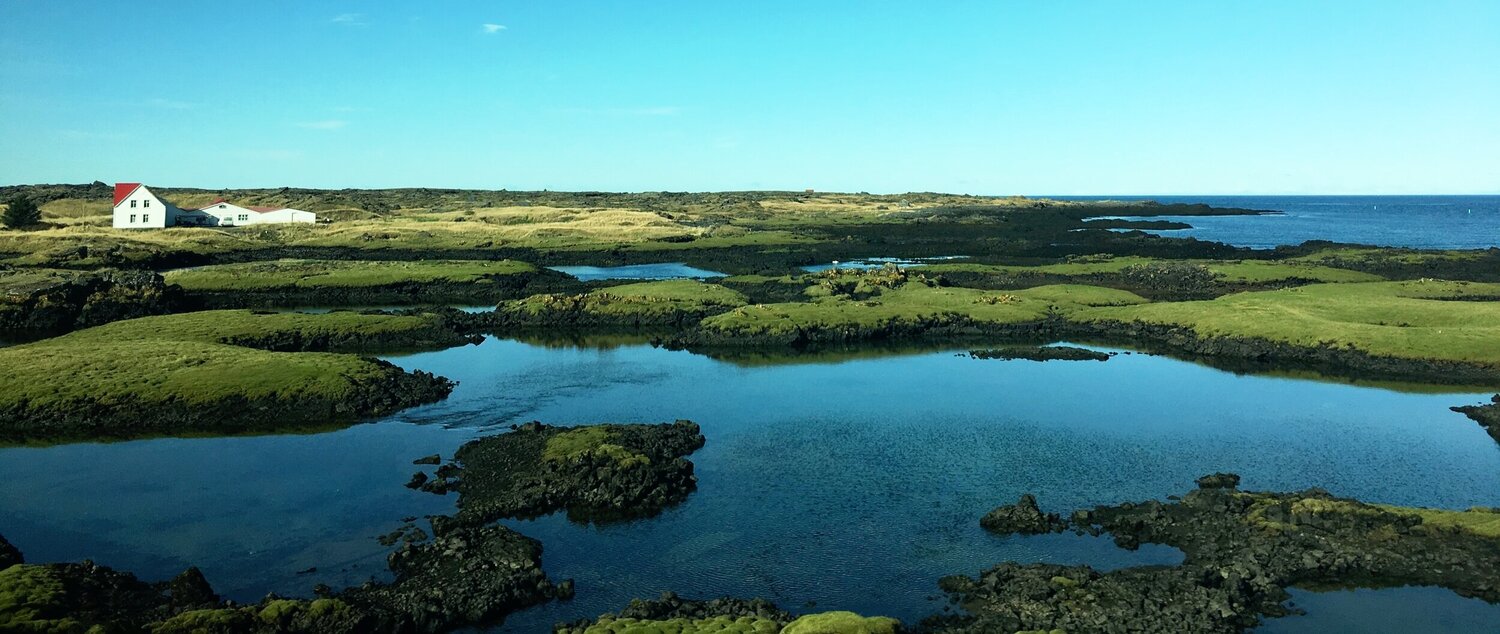
It’s been a little over a month since my time in Iceland ended, so I can now truly say that I’ve had the chance to reflect on the entire experience.
Curious about how my time in Iceland went?
– Then check out my previous posts! 😉
Interested in my personal experience of spending 66 days on a volcanic island in the middle of the North Atlantic Ocean? Wondering why such an adventure can’t be replaced by working in your home country and whether something like this might be for you?
–Then you might find something for yourself below! 😉
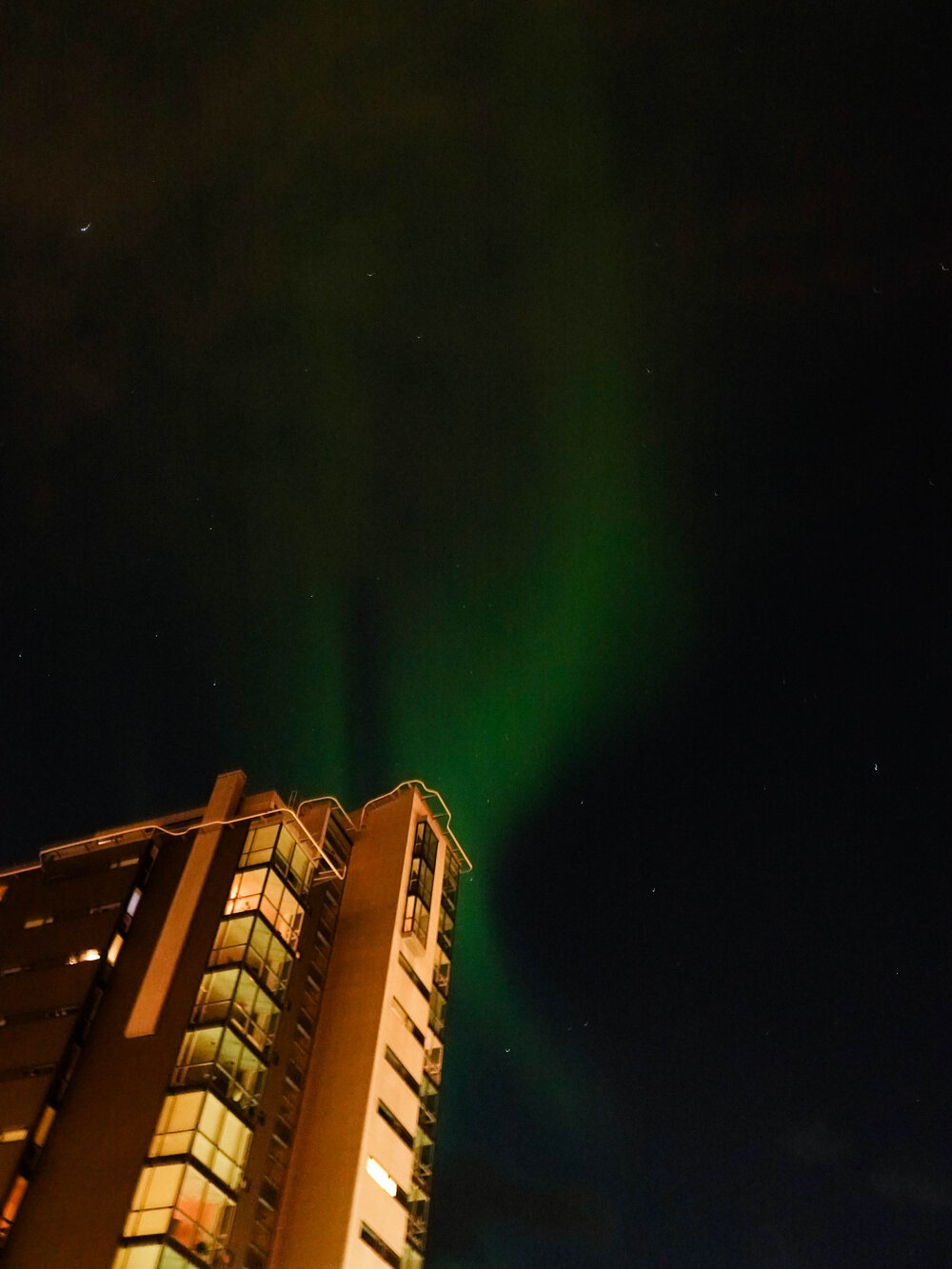
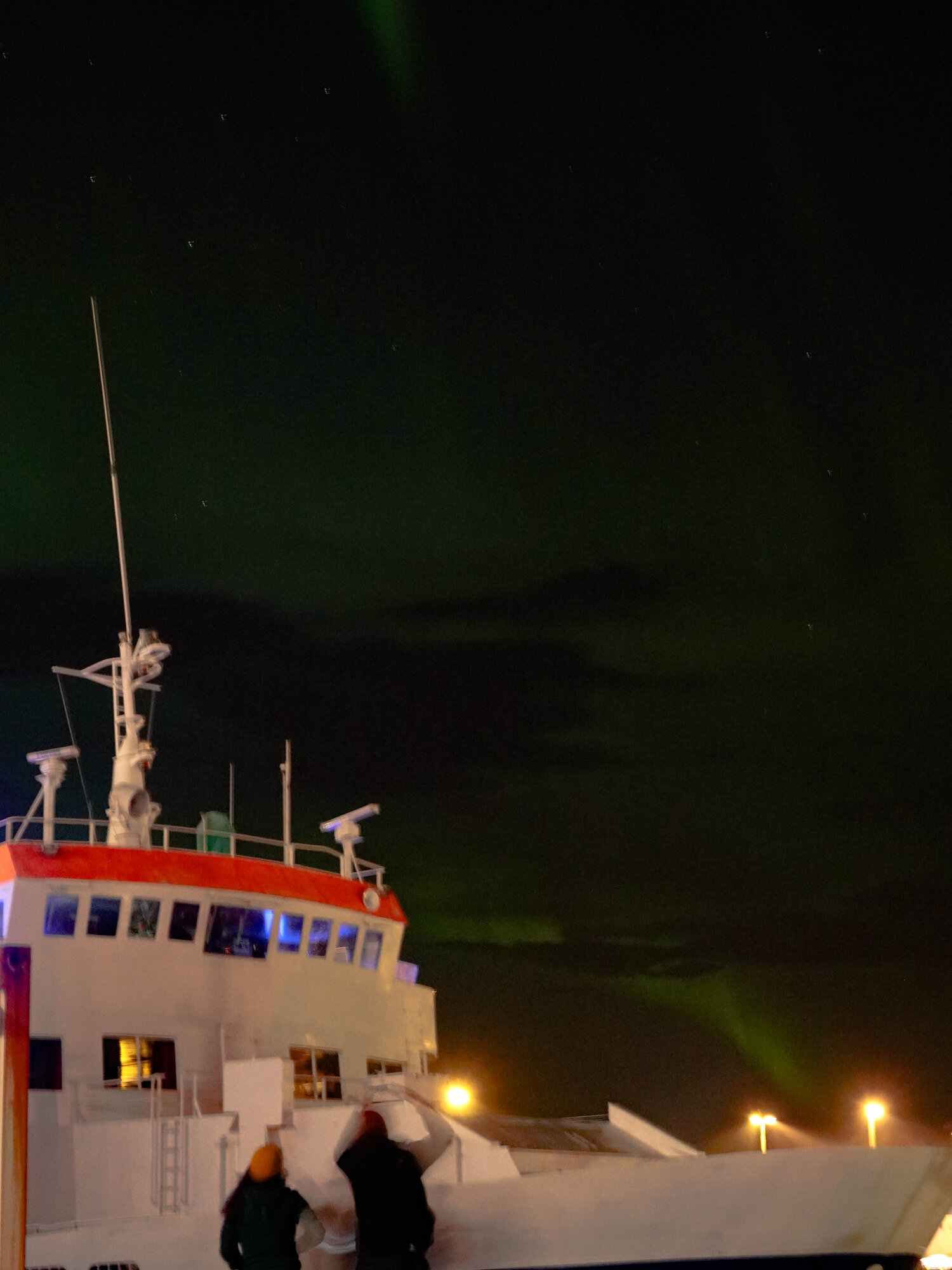
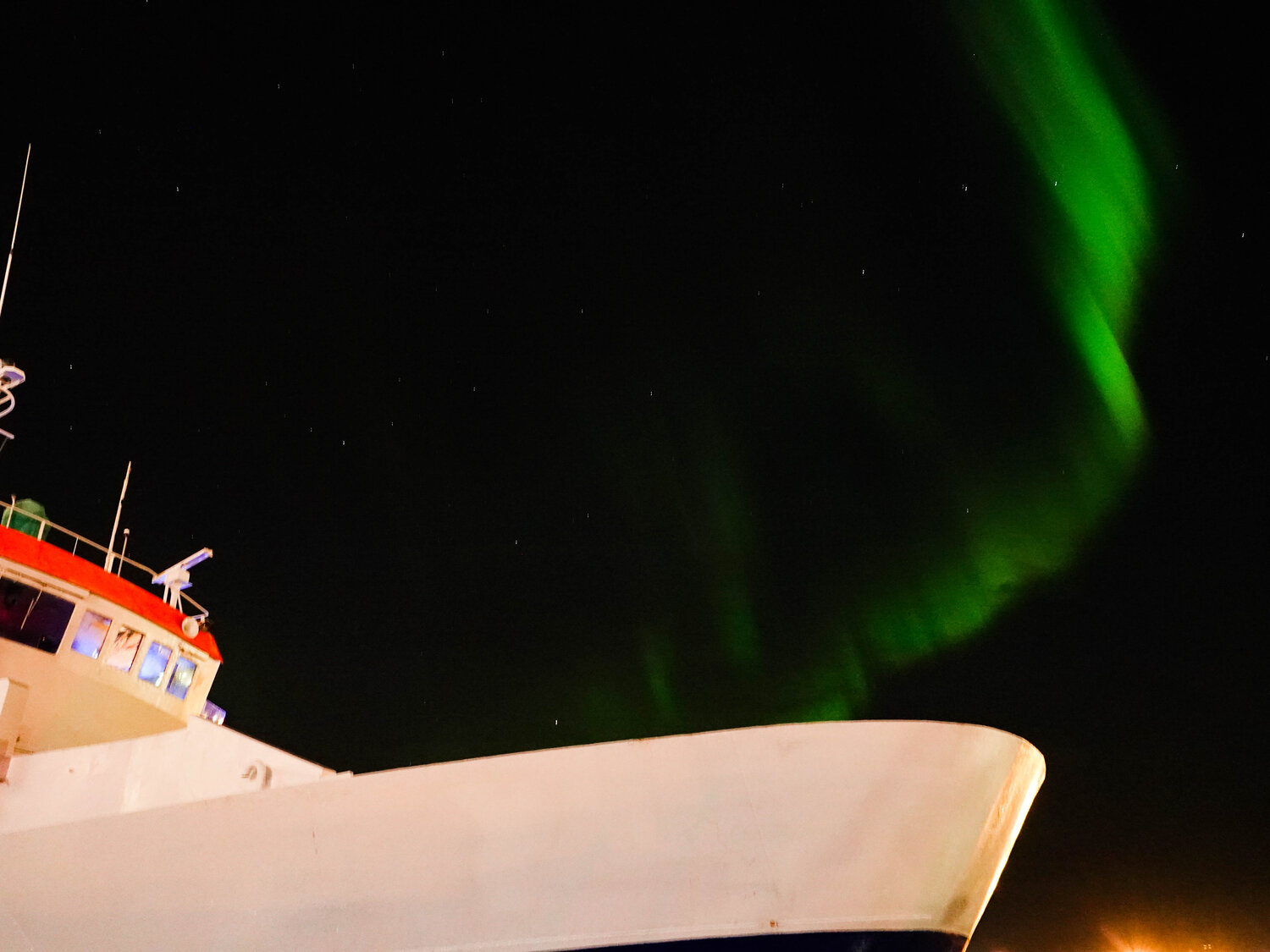
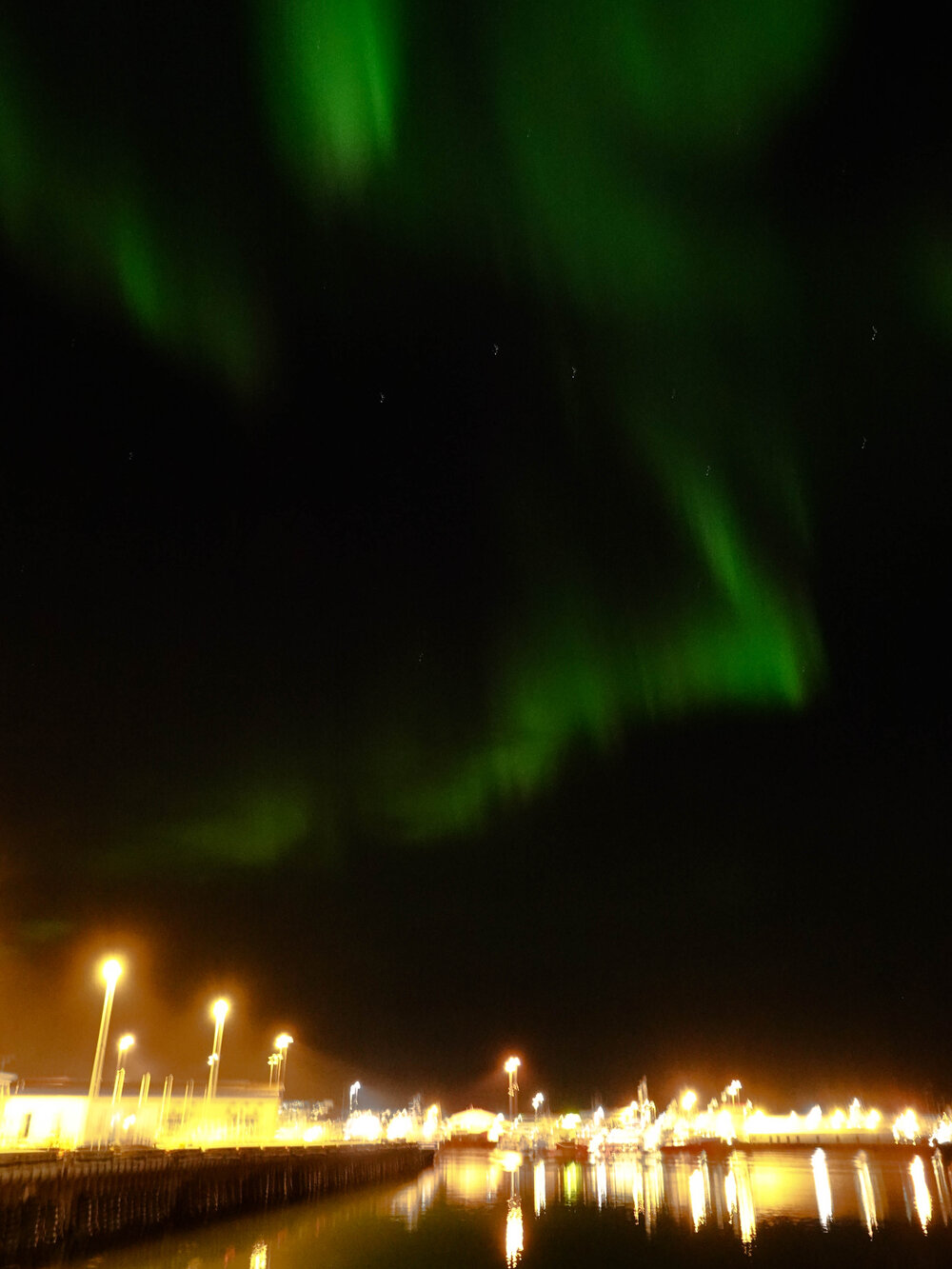
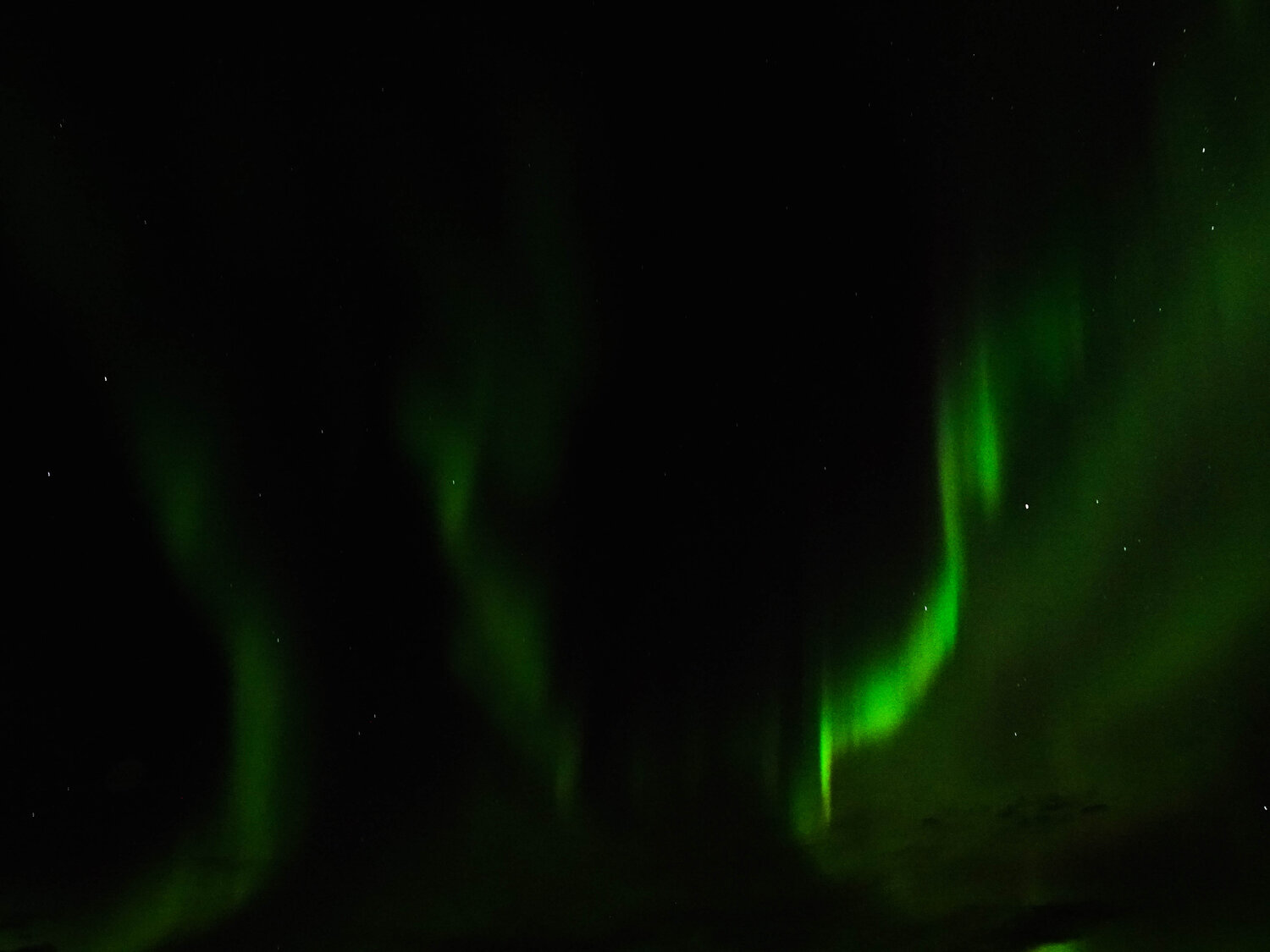
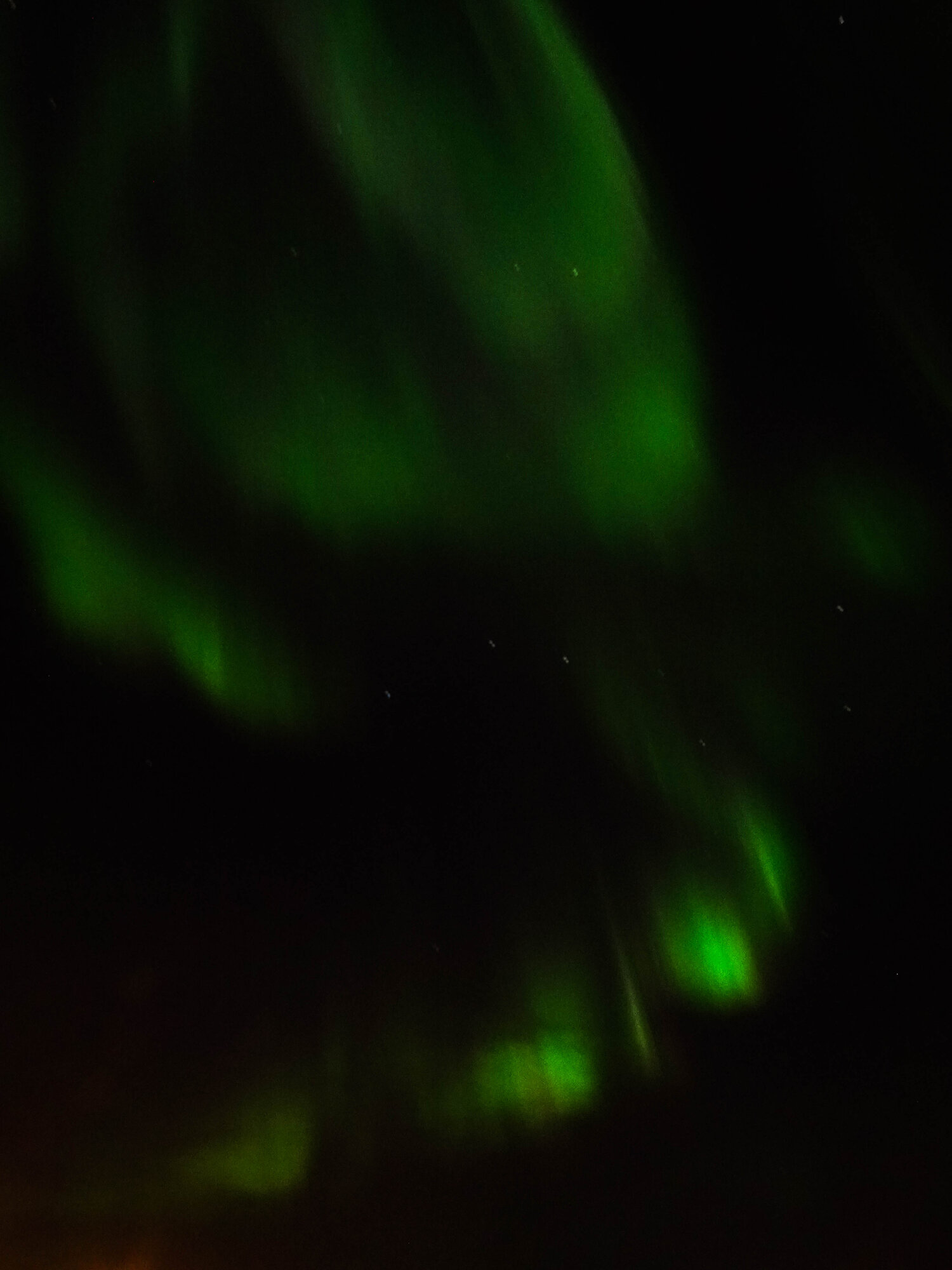
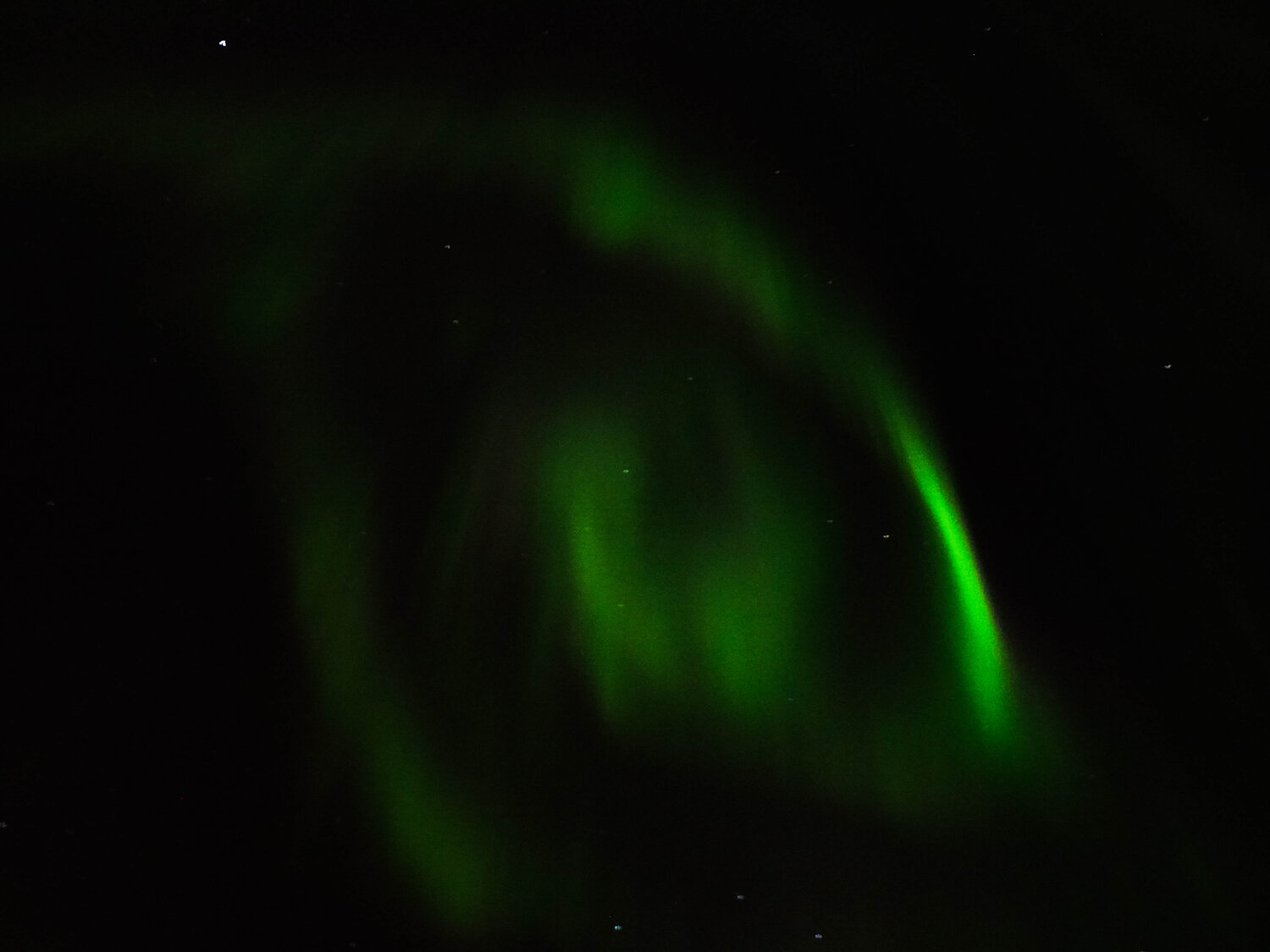
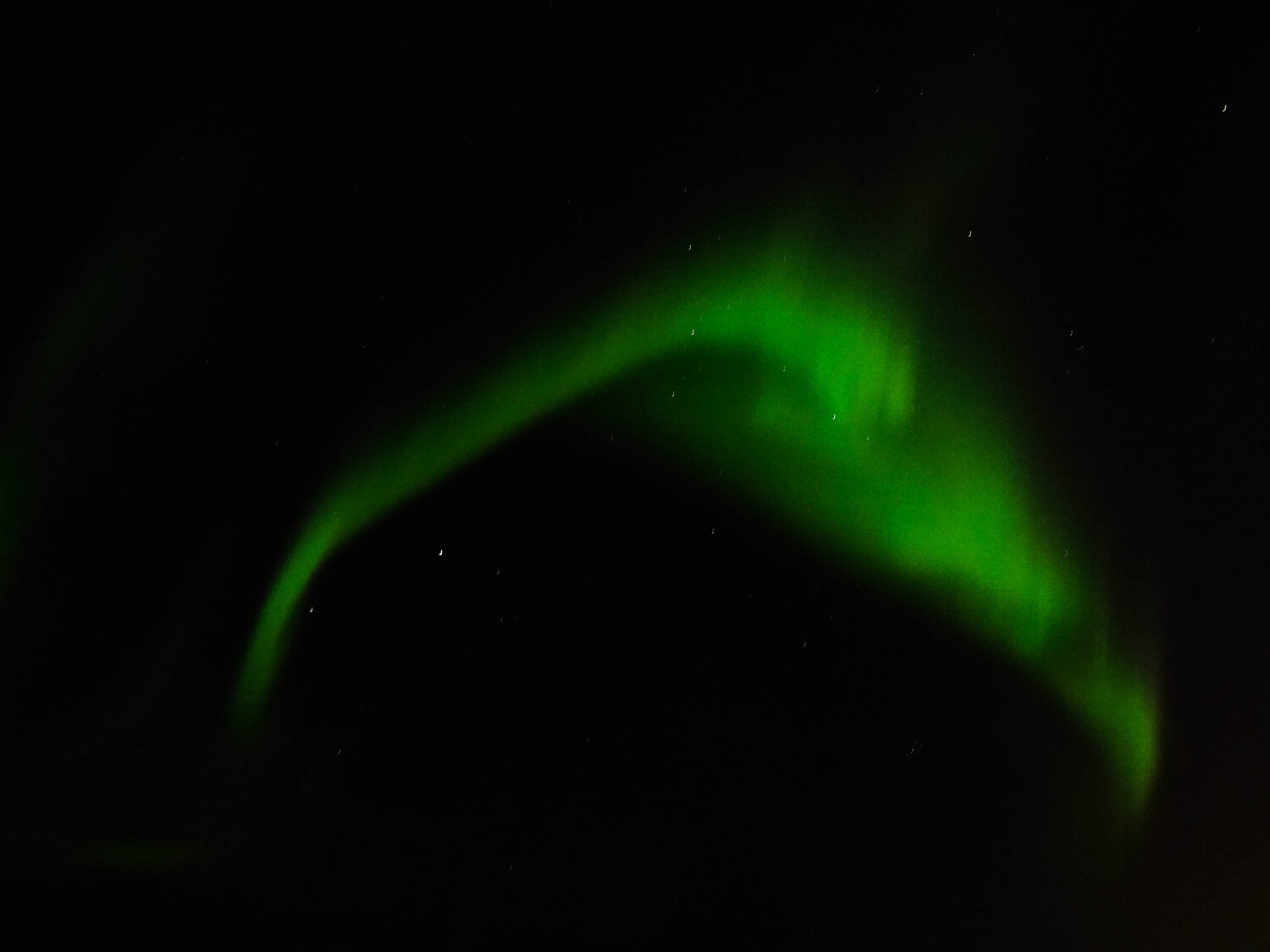
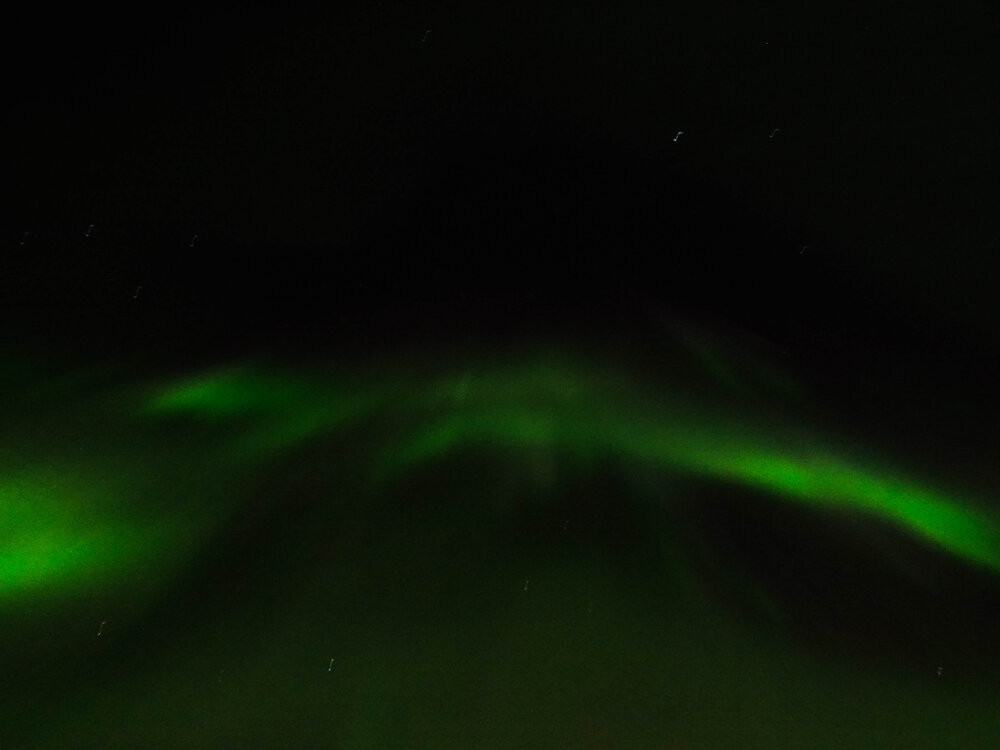
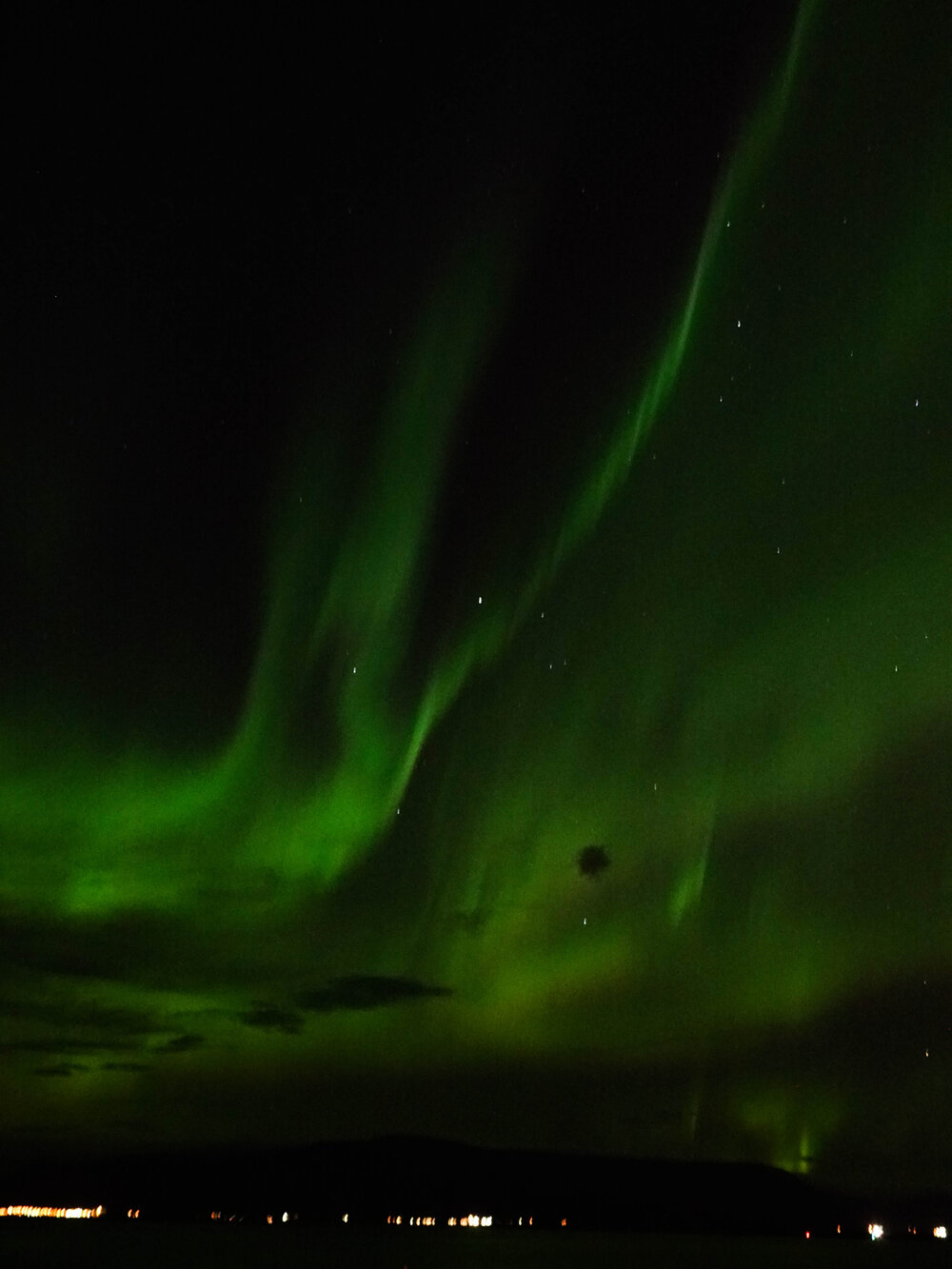
Due to a canceled flight, I ended up staying in Iceland for one extra night. As if the country wasn’t magical enough, it bid me farewell with the most stunning northern lights I’ve ever seen. The photos from that evening will accompany you as you read this final entry. 😉
It all started in March when my mentor confirmed my two-month internship in Iceland through the Erasmus+ program. I remember feeling happy, but not overly excited. It was hard to grasp that this was actually happening since there was still a third of the year left before my departure. Yet, my thoughts constantly wandered to what life there would be like.
Because of this, many days felt brighter. I was highly motivated to finish my exams and obligations as quickly as possible—and I managed that quite well.
However, in the evenings, strange thoughts crept in. My heart felt heavy every time I realized I was really going, that I’d have to spend two months without any direct contact with my loved ones. At those moments, I felt incredibly lonely, and the idea of going to Iceland lost all appeal—suddenly, the landscape, marine biology, and everything potentially exciting felt unimportant.
But then, the next morning, my mood would flip:
“Yay! Soon, I’ll be watching whales in Iceland, enjoying a new environment, and exploring every hidden corner of Reykjavík!”
The closer I got to my departure date, the fewer those anxious evenings became—fantastic!
In July, I set off for Iceland:
Excited—to finally change my surroundings.
Without expectations—I had no idea what spending two months on an isolated island, far from family, friends, and my native language, would feel like.
I had been to Iceland before, but eight years ago. Back then, I was with my family, driving our own car (which we took by ferry), meaning we explored different parts of the island every day and enjoyed it as a vacation.
This time, I was flying in, and Reykjavík would be my home base for over two months, making everything quite different. Plus, I was there for an internship, meaning summer work, not leisure.
I truly didn’t know what to expect.
The first day
The first day on the island was the hardest. I woke up in a new bed, in a new room, in a new apartment, in a new town, in a completely different part of Europe, in the middle of the North Atlantic Ocean. The first thought that came to mind was something I had subconsciously feared would happen—I deeply missed home.
Yes, the surroundings were far more breathtaking than back home, but they didn’t feel familiar. I was freezing, both literally and emotionally, and I couldn’t imagine making it through 66 days like this. And honestly, with that mindset, I wouldn’t have.
Luckily, I reminded myself that I love traveling, that I enjoy my solitude, and that exploration and learning have always meant the world to me. So, where was the catch?
In my mindset—I needed to shift something in my thinking. And I quickly realized that mental adjustments happen fast—if you allow them to. Then, a single sentence saved my entire Iceland experience:
I couldn’t have come up with a truer statement, and it was my saving grace. The next morning, I woke up feeling grateful—to be in Iceland, to have an apartment with a sea view, to have the best workplace in all of Reykjavík. I started enjoying myself. I focused on experiencing each moment as it came, fully living in the present, and wondering what exciting things lay ahead.
My mentor planned my schedule, tailoring it to fit all my preferences, which made it absolutely perfect for me. Over time, I developed daily rituals that made my life in Iceland as enjoyable as possible. I woke up at 6:55 a.m., prepared breakfast, and ate while sitting in my armchair, watching eager joggers, the waves, and the morning traffic.
I wrote in my journal—things I wanted to accomplish that day, new things I had learned the day before, and all the ideas that wouldn’t let me rest. This helped clear my mind and made me feel more at ease each day.
My two roommates—two hilarious Poles (a psychology student and a geology student)—were night owls, so I always had the mornings to myself, which was nice.
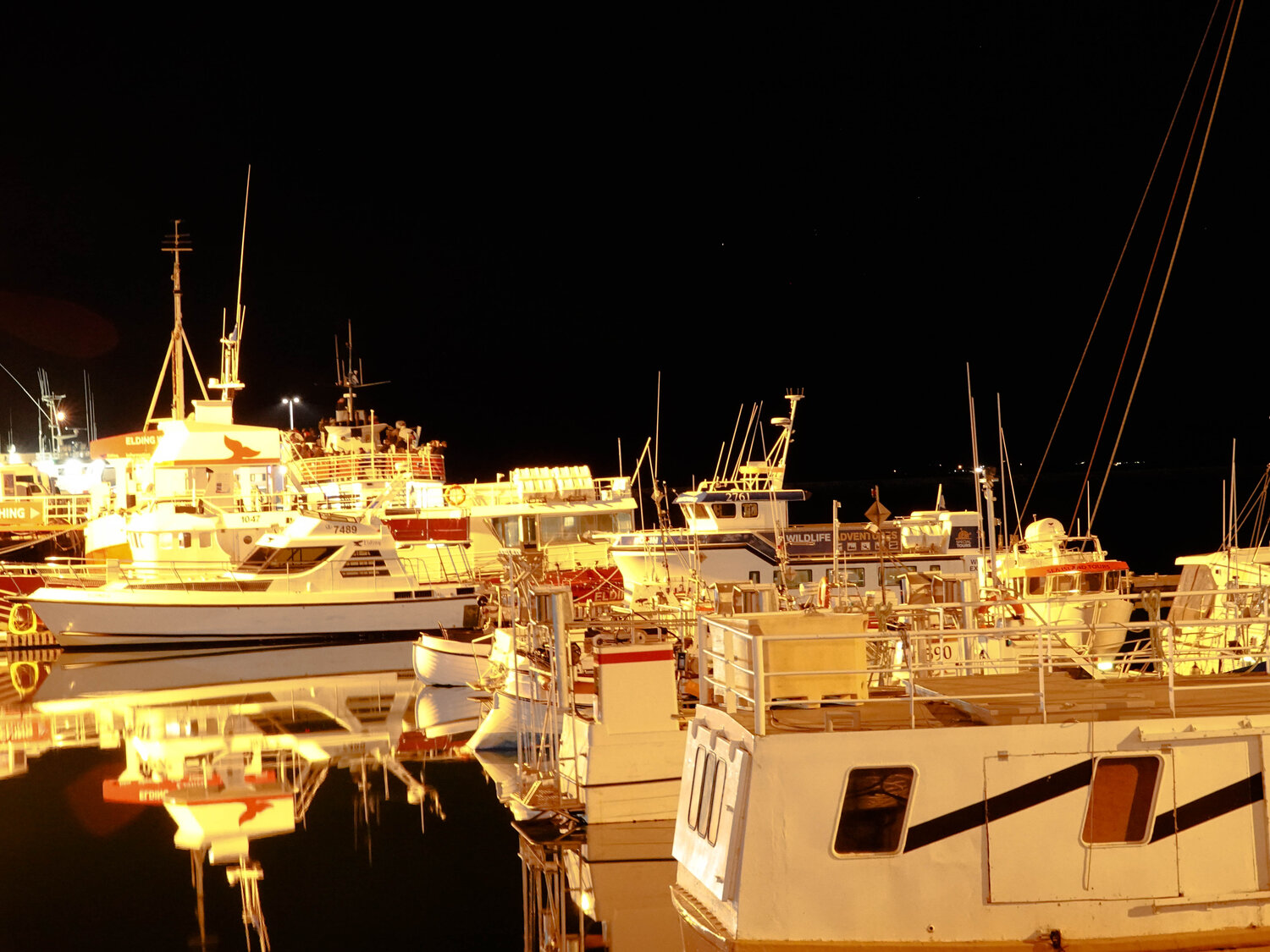
Then, I’d get dressed and head to the boat. At first, when the weather was nice, I absolutely loved it. The stormy and rainy days, however, were tough to get through, especially since, on such days, we saw nothing 90% of the time.
An incredible crew
Over time, as I truly became part of the crew, things changed. The amazing team spirit and camaraderie made even the roughest days at sea feel bright and fun—even when we saw nothing, even when the northern wind blew at 14 m/s, and the waves crashed 10 meters high.
With the ever-changing crew members, I laughed at jokes and shared countless stories. I loved hearing about the places they’d been and the plans they had for the future. Like most people, I thrive on deep and open conversations. Many of our discussions revolved around environmental changes and conservation issues—topics that too many people still choose to ignore.
Plastic
Every trip, passengers listened to a ‘conservation speech,’ where guides shared facts that deeply affected me. One that stood out was a study revealing that the average person unknowingly consumes (mostly drinks) about a credit card’s worth (roughly 5g) of microplastics every week…
After watching the documentary A Plastic Ocean (which, in hindsight, I should have seen earlier), I decided to make my stay in Iceland as plastic-free as possible.
At first glance, this seemed like an impossible mission in the supermarkets, but I managed surprisingly well without spending any extra money. I simply avoided all plastic-wrapped snacks, replacing them with fruit or a piece of dark chocolate…
Iceland is known as an expensive country, and I definitely noticed it. Personally, high prices didn’t affect me much—I bought only the basics, in more affordable stores, but still of good quality. The most expensive things were pastries from bakeries and ice cream, which Icelanders love to enjoy all year round. A single scoop cost €3.6. But hey, that’s manageable.
I was lucky to have my meals covered at work, meaning I could indulge in local dishes from a fancy restaurant at a very low price (free). It was a real treat for my taste buds. Their traditional food includes anything with lamb, salads, and fish. The latter was on the menu at most twice a week.
!! Even though you can order it in several restaurants around Reykjavik, minke whale steak is not traditional Icelandic food (whaling is still allowed there). It’s just a way to keep whaling alive through tourism.
What about the language?
Speaking to locals in their language is quite a challenge—for me, it was impossible. Aside from basic greetings and phrases, I stuck to English. Even in English, I was very reserved at first. I wanted everything I said to be correct, so whenever I wasn’t sure how to phrase something perfectly, I just stayed silent—even if I was really curious about something.
After a few weeks, things changed—I stopped caring about perfection. The most important thing was getting an answer and learning something new. Marine biology was an entirely new field for me, and most of the terms were unfamiliar. But after two months, I had mastered practically all the terms the guides used on the boat and during research (which I got to experience myself). Time works wonders. 😉
My colleagues welcomed me warmly, and I truly felt like a researcher (officially, I was a “research assistant“).
Even the guides introduced me to passengers that way. And I must admit, it felt good.
Of course, I knew that the title meant nothing—what truly mattered were knowledge and experience. So, I wanted to get as much as possible from my internship. I asked my mentor every question that came to mind, joined discussions about another researcher’s master’s thesis, and even suggested ideas for her research. I read about whales, Iceland…
Being proactive was important to me. For example, I learned about things that weren’t required for my job, just out of curiosity. That way, I gained extra knowledge and had fun doing it.
My mentor noticed this and helped me choose a project assignment that I’ll be working on throughout the school year as part of my studies. Since I observed a lot and reflected on things, I was able to suggest improvements to make research work there easier.
Did anything bad happen?
Yes! And ironically, it happened on the day I was most excited about—the season finale at Elding. We went rafting!
But where?
Umm… on a raging, muddy river with about 5°C, in very windy and cold weather (it was snowing on the peaks by the sea that day).
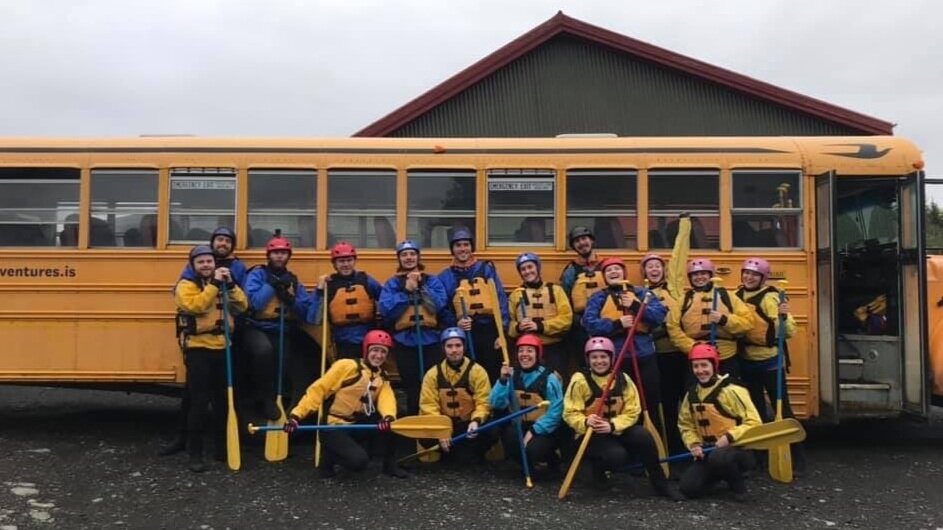
What initially seemed like fun turned into a nightmare—we paddled in sleeveless wetsuits, with waterproof but thin jackets and no gloves. Mmm, freezing.
After about 20 minutes of paddling, we stopped, parked the rafts, and just when I thought time had flown by and we were done, we got off and jumped one by one into the freezing water from a 6-meter-high cliff. Fun? NOT.
And just when you think it’s over and you only have 60 more minutes of freezing paddling left, an Icelander jumps onto your raft and throws you into the water. Within a second, the current drags you under the raft.
In moments like that, you start appreciating every second of life!
After about 20 seconds of struggling for air, I managed to surface. And then… 30 more minutes of paddling through the canyon, splashing each other with oars, and chattering teeth.
Luckily, there was a sauna waiting for us at the finish line!
After that, thankfully, only better days followed.
What about the weather?
As I hinted before, I eventually got used to it. I’m quite sensitive to cold, but you know what? Fortunately, layering exists. So I just put on seven to eight layers, along with ski gloves and a hat when on the boat.
Umbrellas? Never heard of them. They were useless.
What I really got used to, though, was the wind—it blew every single day. Sometimes so strongly that I couldn’t carry an uncovered trash bag to the next building without losing half of it on the way. It even pushed me around while walking.
Every day, I got a deep wind massage, yet I never got sick.
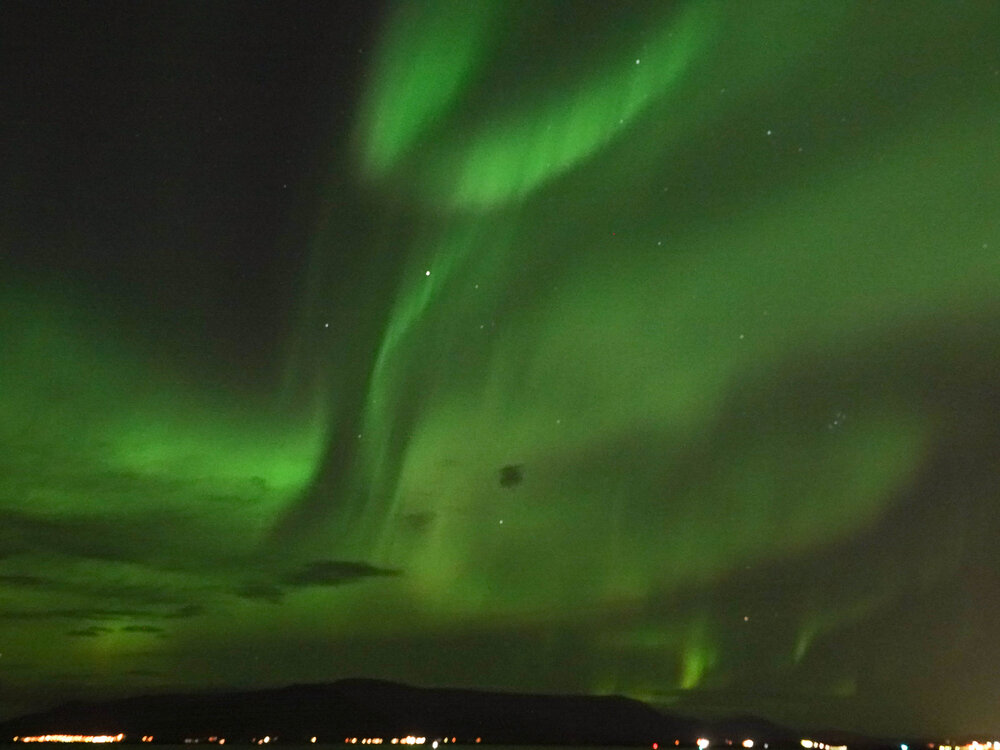
I went to Iceland wanting to figure out what truly excites me and whether I’d enjoy working in a company primarily focused on tourism.
I learned some important things—like the fact that working in tourism is not my dream job, that I couldn’t lead the same tours for more than a month or two (even in a dreamlike environment), that a good team is essential to me, and that without good and nutritious food, my body just doesn’t function well.
I also realized how much freedom in work means to me—not having a fixed schedule and being able to travel and explore new places truly makes me happy.
I became aware that you can do whatever you want in life. There’s nothing stopping you. The only barriers are in your mind. And I had quite a few of those before coming to Iceland. But I left some behind there.
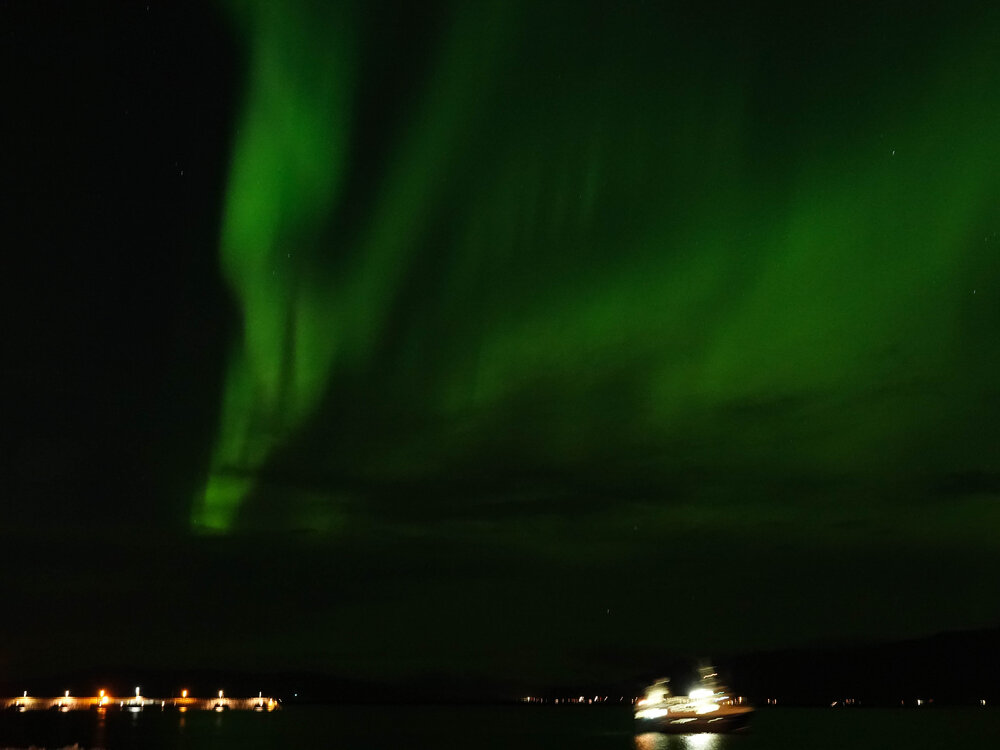
Besides figuring out what I do and don’t like, I became more independent, resourceful, and adaptable during these two months. I learned to take better care of myself.
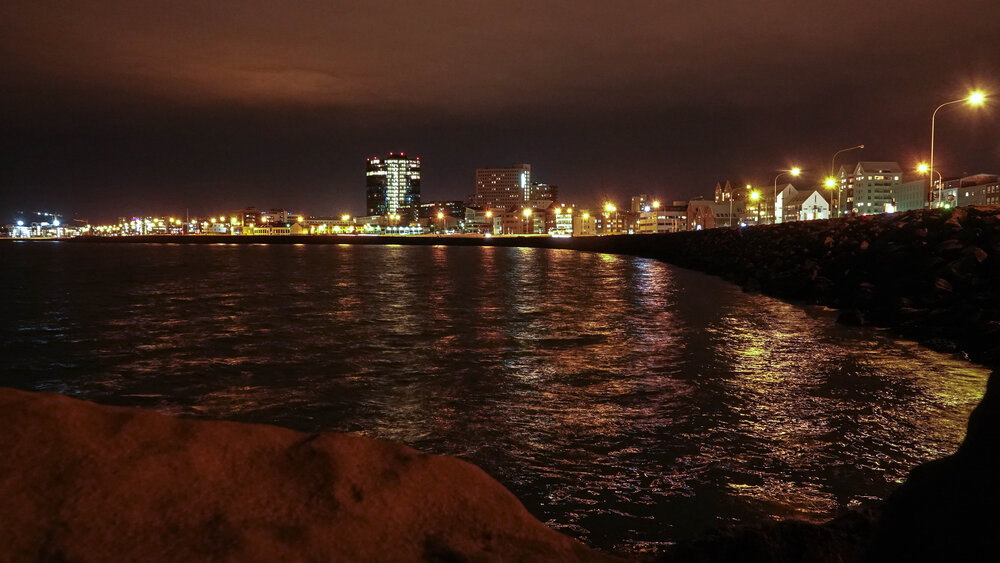
After two months in Reykjavik, I had explored practically the whole city. I felt at home on every corner, which I loved—I confidently navigated lost Indian tourists, told American women about the best spots for watching the aurora, and advised Australian travelers on where to go for dinner.
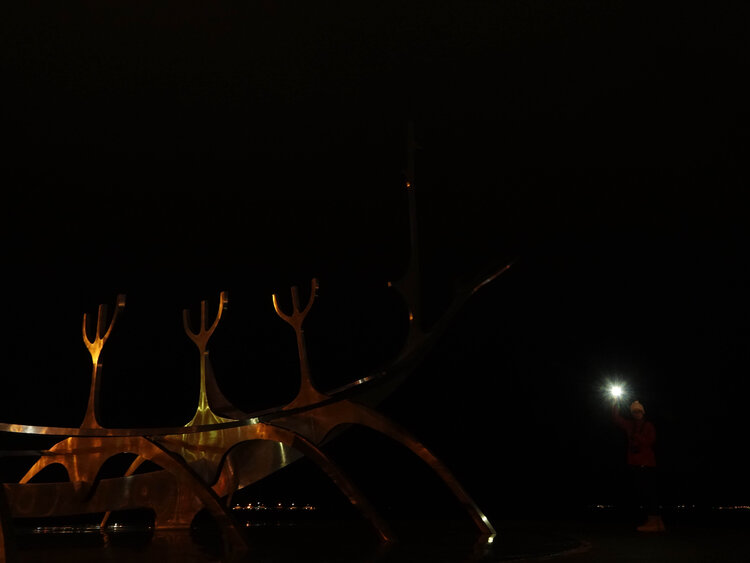
I even hosted a friend and showed her around all the most beautiful spots. Seeing her excitement about the country reminded me of how lucky I was to live there longer than the average tourist and to truly feel Iceland’s rhythm.

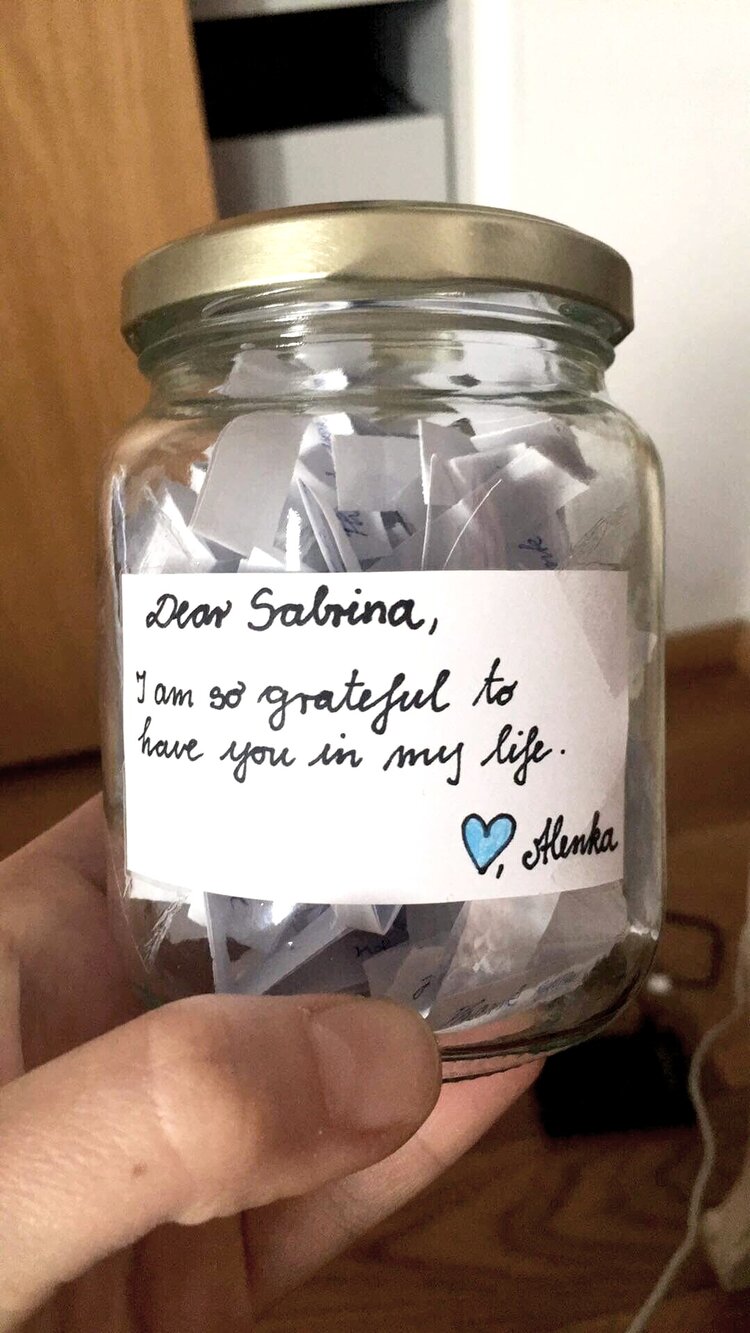
I wouldn’t have experienced any of this without my mentor, Sabrina, who made it possible for me to spend two amazing months in one of the world’s most beautiful places.
I think it’s important to appreciate wherever you go and whatever you experience. To be grateful for what you have—and to show it.
A small (non-material) gesture can brighten someone’s day—or even change their life. At least, that’s how it is for me. 🙂

I don’t like writing summaries, so I’ll leave that to you.
Spending more than a month abroad is something I’d recommend to everyone—it takes away some material things but gives you something priceless—a transformative experience.
How?
You’ll only find out if you go. 😉
I loved sharing my Icelandic adventures with you.
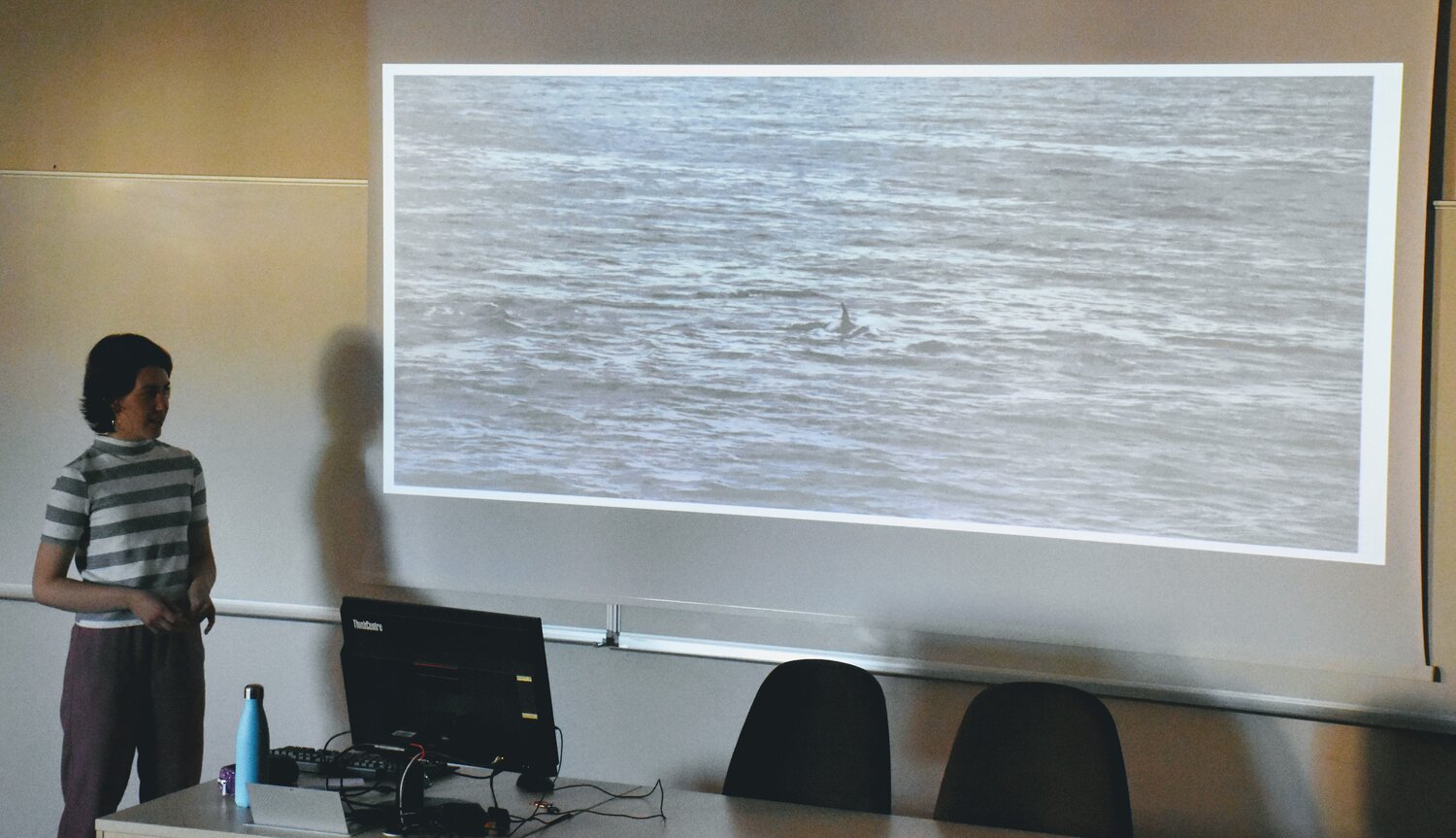
A heartfelt thank you to my dedicated high school biology teacher, who gave me the chance to share my experience with younger students still deciding on their paths. Seeing excited faces and knowing that my story inspires others means the world to me.
With this post, I’m saying goodbye to reminiscing and making room for something NEW. What that will be? I don’t even know yet.
THANK YOU FOR READING AND WATCHING!
<3, Alenka