Half of our Costa Rican excursion was already behind us.
I couldn’t believe my own words.
Well, actually, I didn’t care—each day was so full of new and exciting experiences that I simply let go and enjoyed every moment.
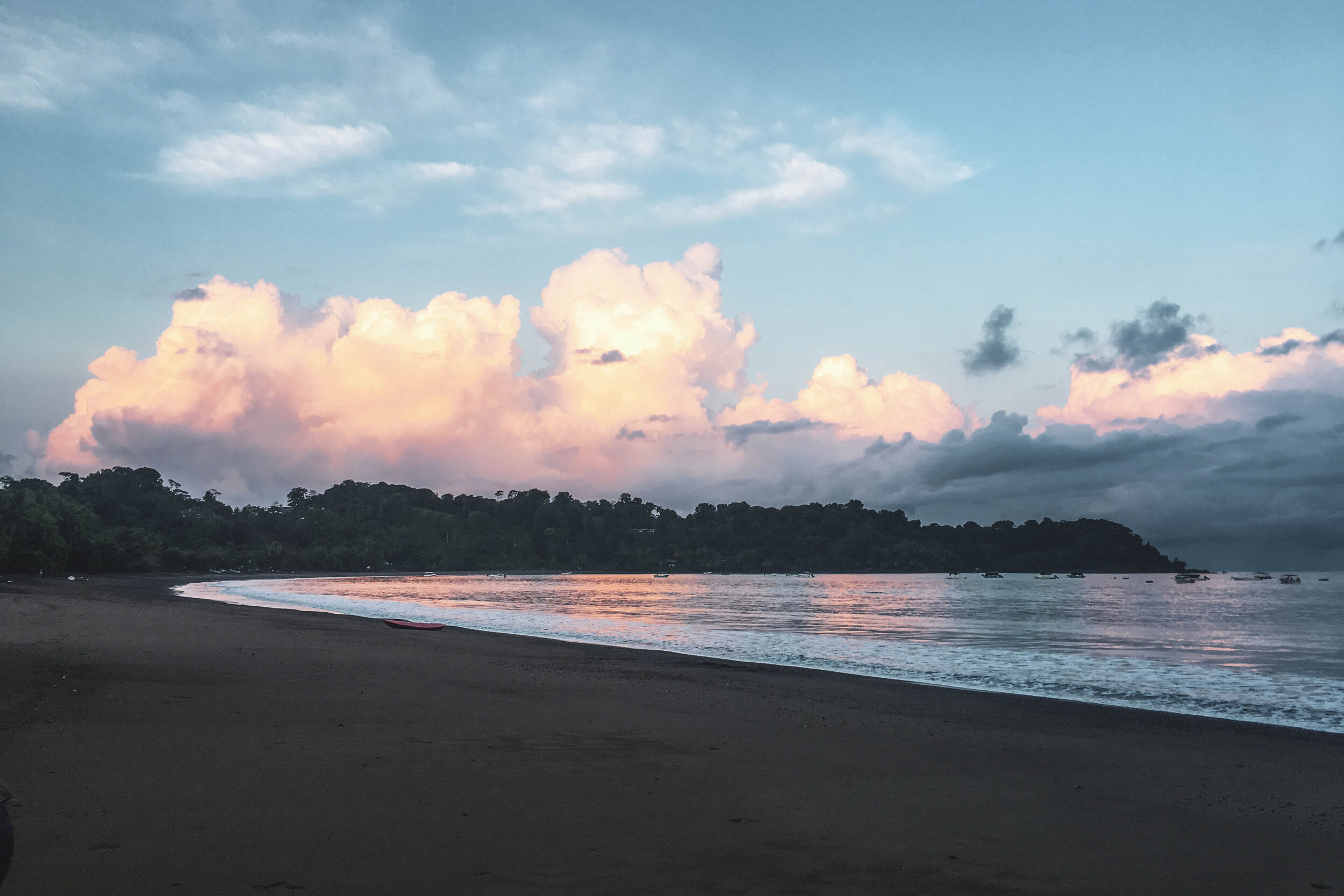
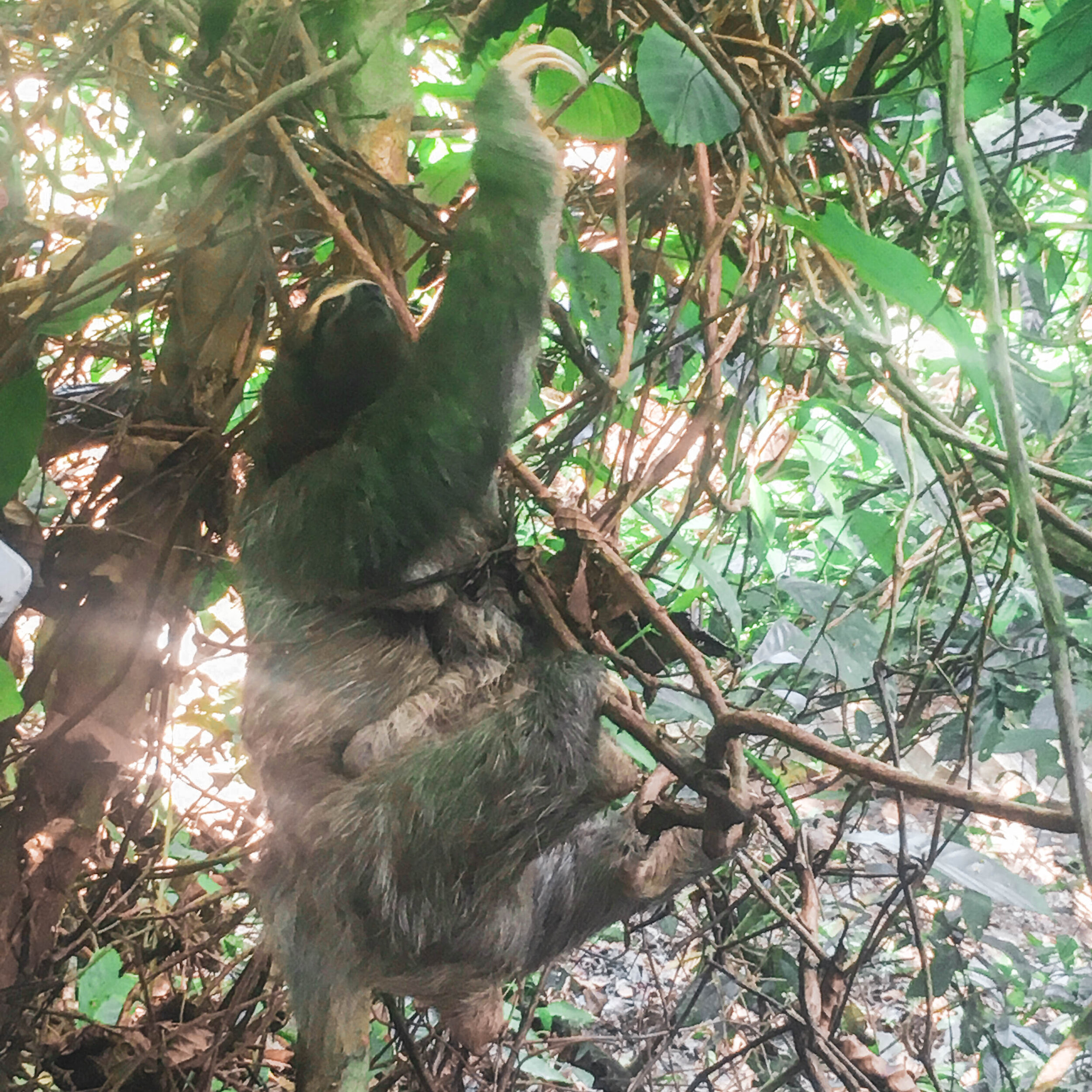
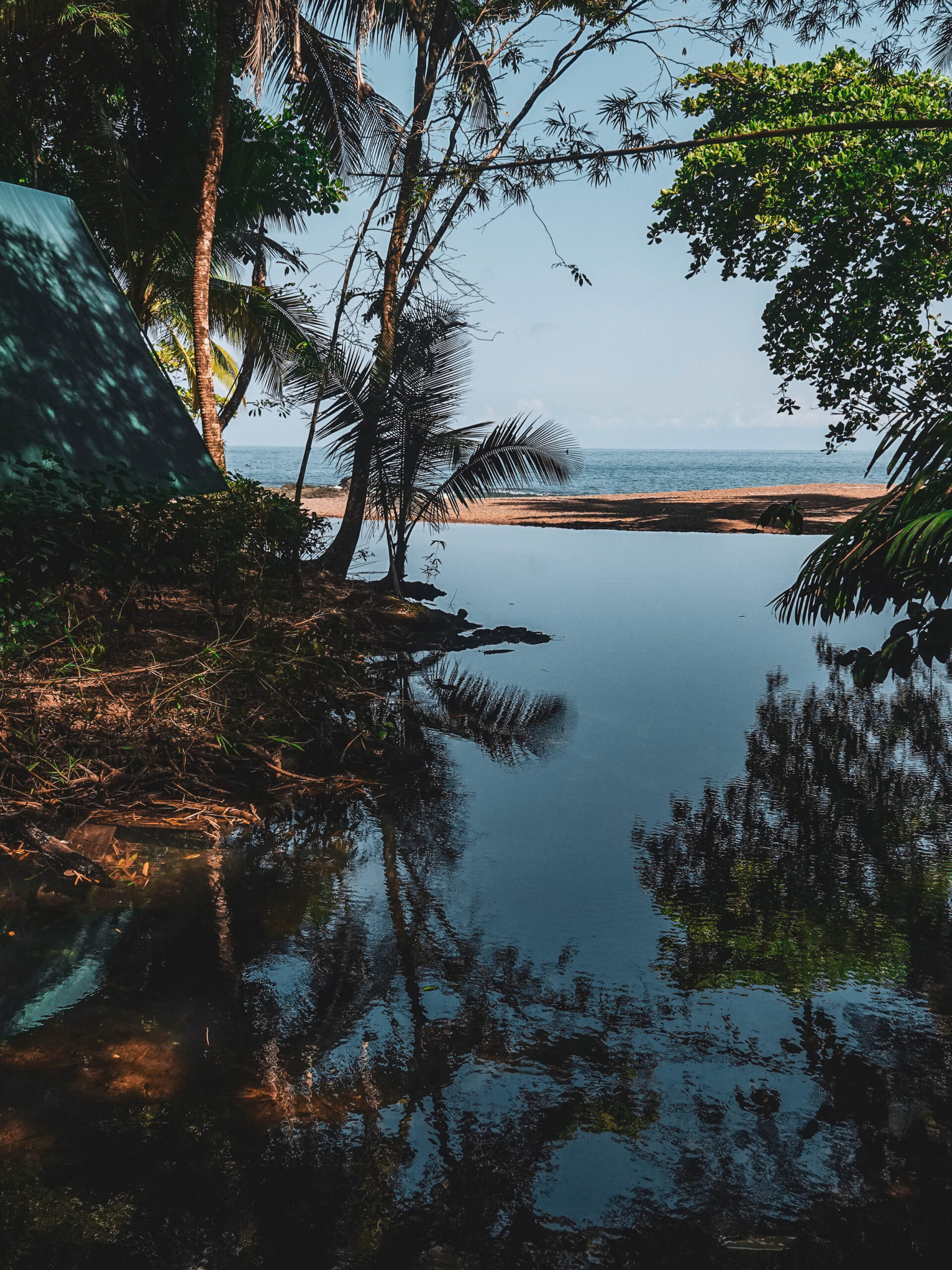
We left La Gamba and headed a little further north—to the stunning coastal village of Drake Bay, where we stayed in cabins overlooking the sea, hidden among the treetops. On the day of our arrival, we spotted a female sloth climbing with her baby. Absolutely adorable!
The sound of the waves added the final touch to the magic.
We spent two days here, including my absolute favourite. Can you guess which one? You can relive both with me below. Enjoy!
THE FIRST DAY - Corcovado National Park
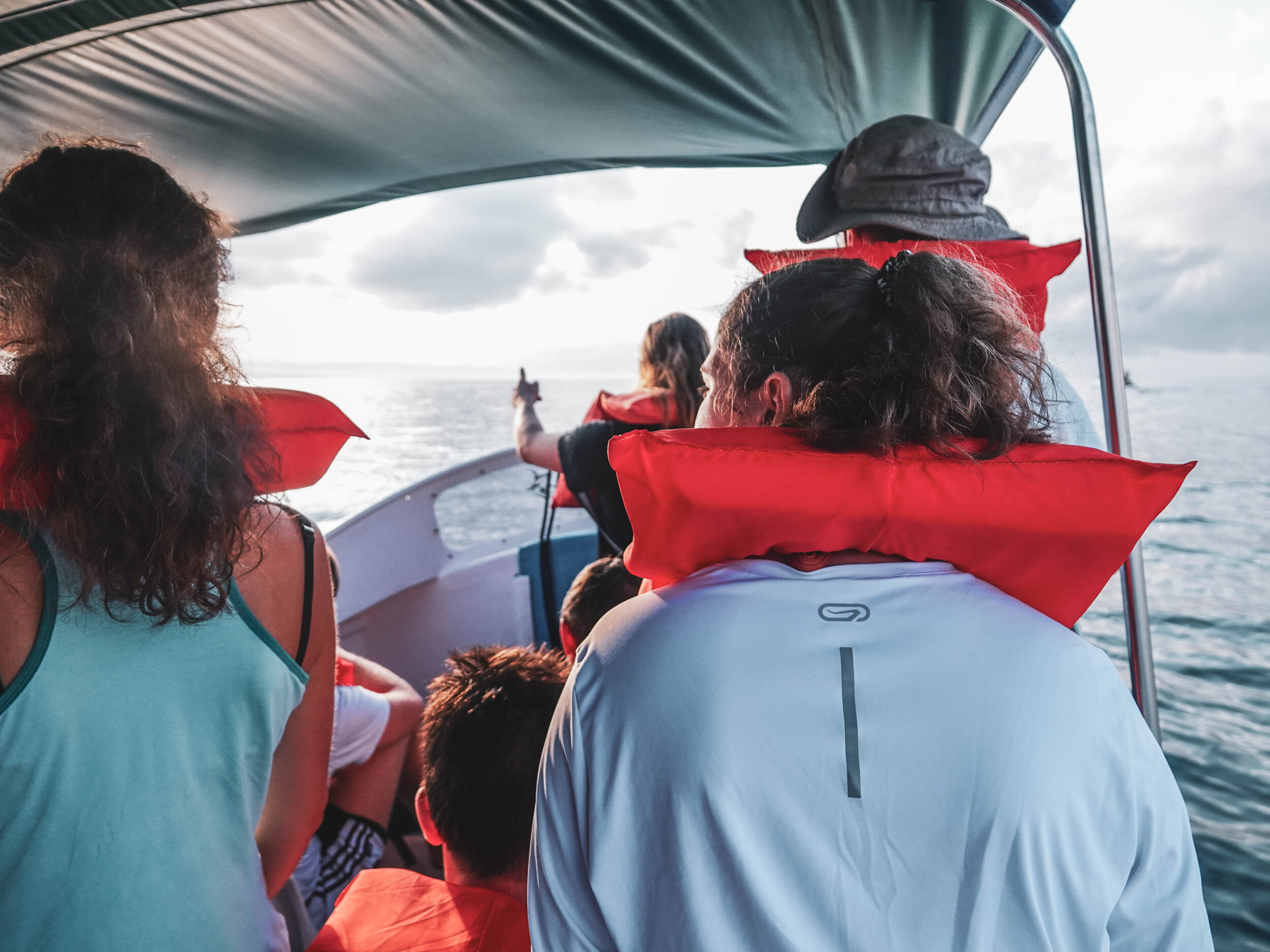
All aboard! We know the drill... But what did we see this time?
A whale!
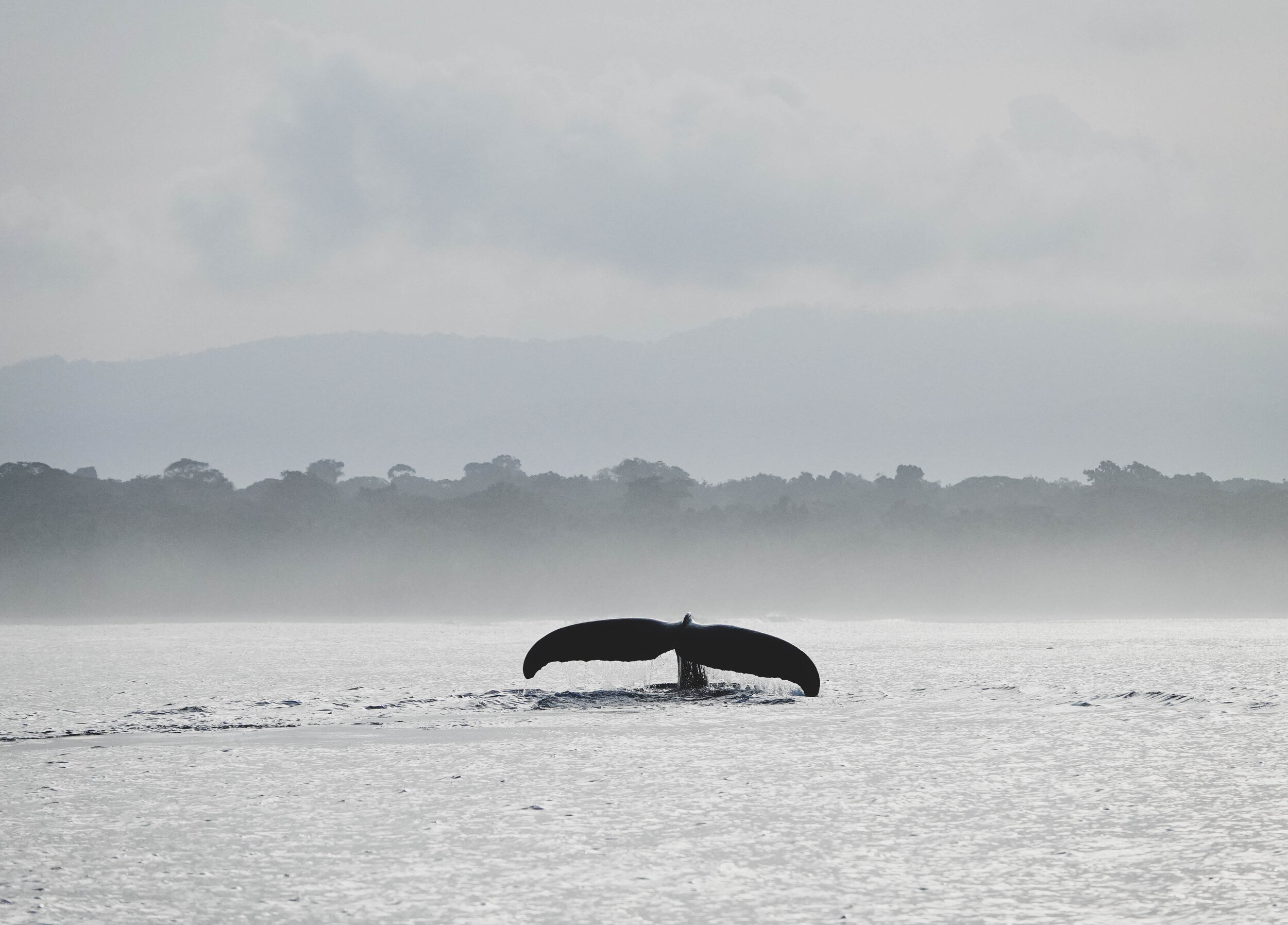
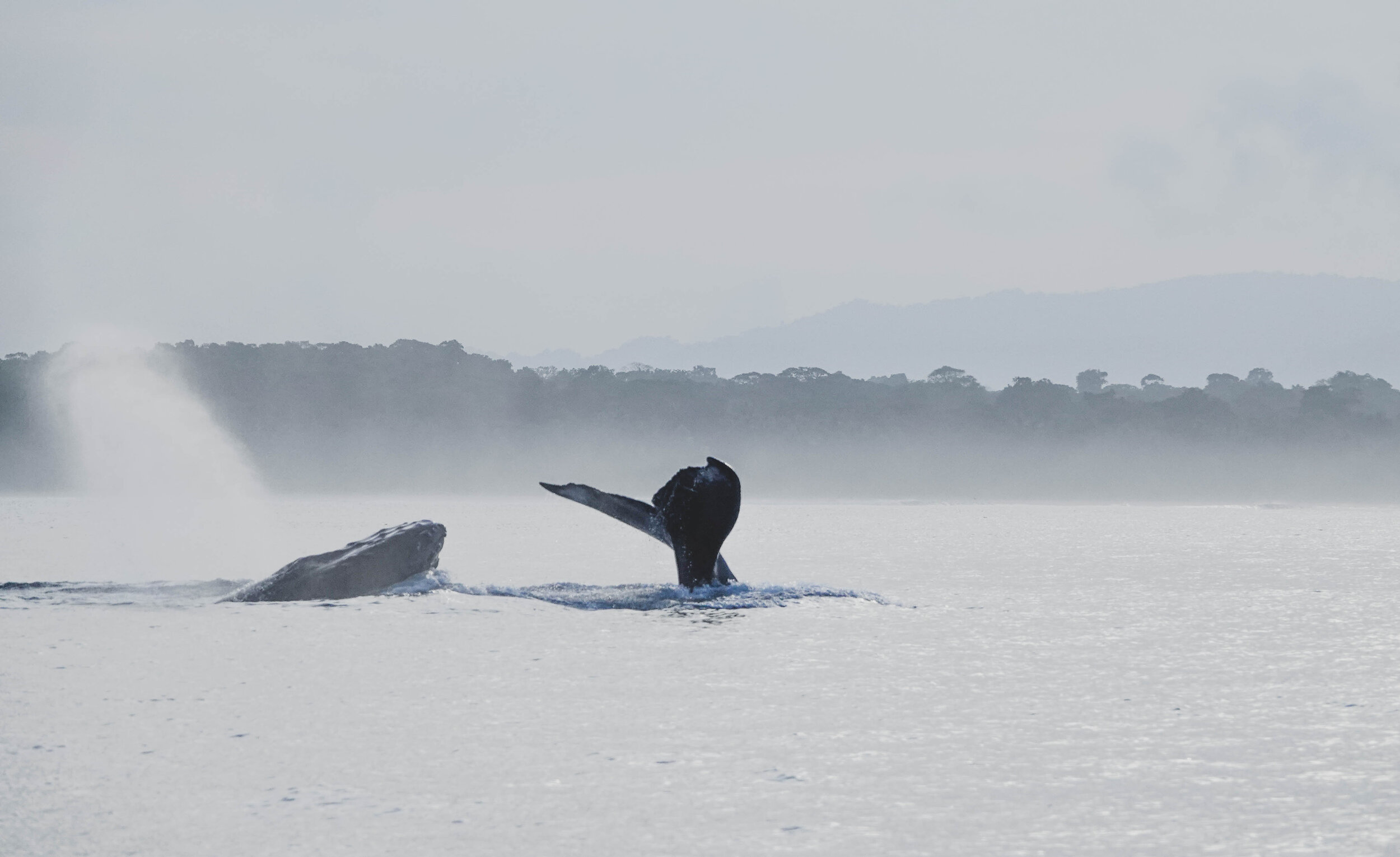
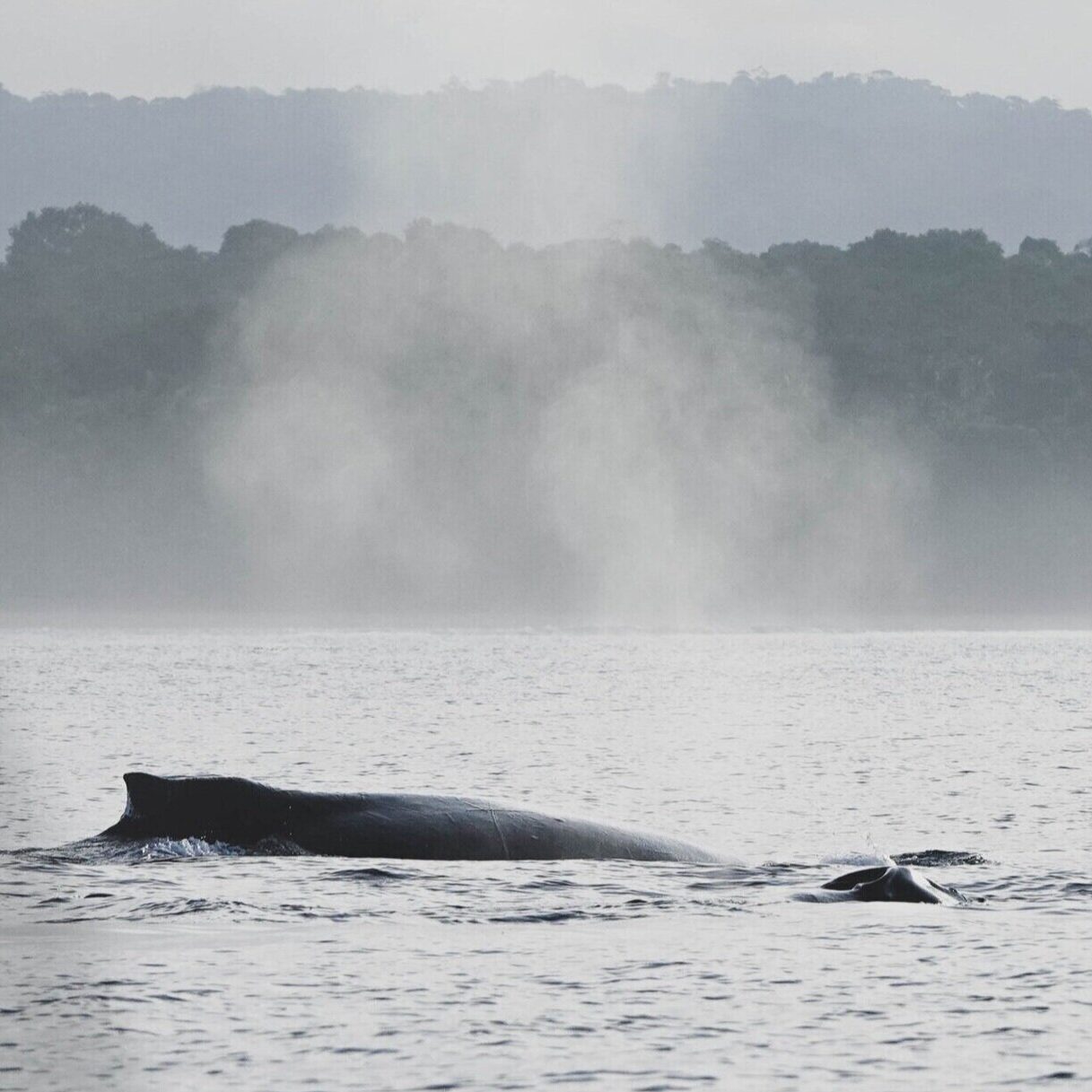
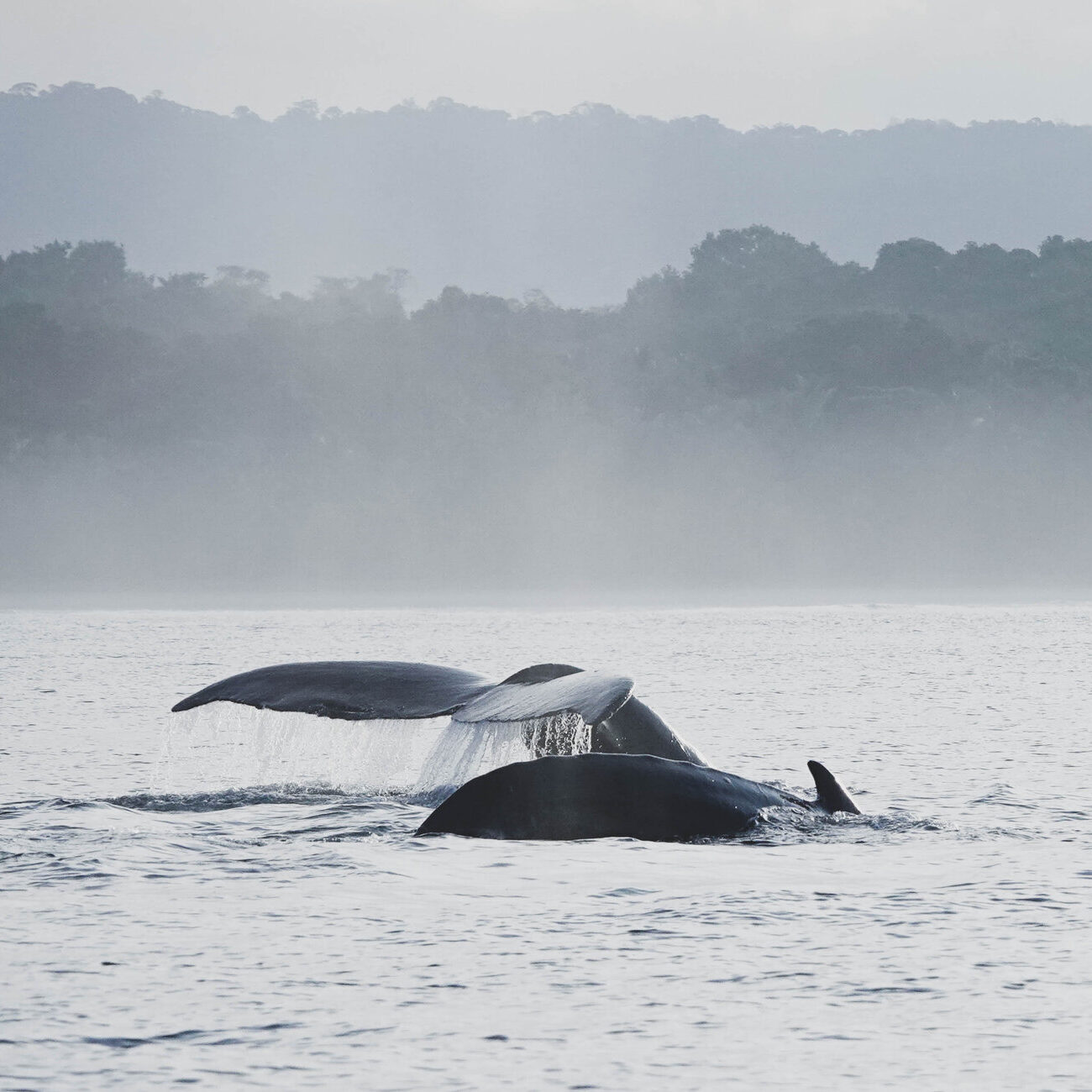
Whales! Humpback whales!
In fact, not just two—there were four, maybe even five…
Humpback whales spend their summers in colder waters—either at the far north or south of the planet. In winter, they migrate to warmer regions, where they become social creatures in search of mates.
We watched from up close as males battled for a nearby female. From our small boat, these animals looked absolutely enormous. An unforgettable experience!
In the left photo, you can clearly see the two blowholes from which humpback whales spout air up to 6 metres high.
Corcovado National Park
Our destination was Corcovado National Park, located on the Osa Peninsula, about an hour’s boat ride from Drake Bay.
Corcovado is one of the most biologically diverse places on Earth. Covering over 41,000 hectares, it is home to 140+ species of mammals, around 400 species of birds, 120 species of amphibians and reptiles, and countless plants thriving in mangrove swamps, tropical forests (boasting over 500 different tree species), lagoons, sandy beaches, and freshwater ecosystems.
In short—a paradise for nature lovers.
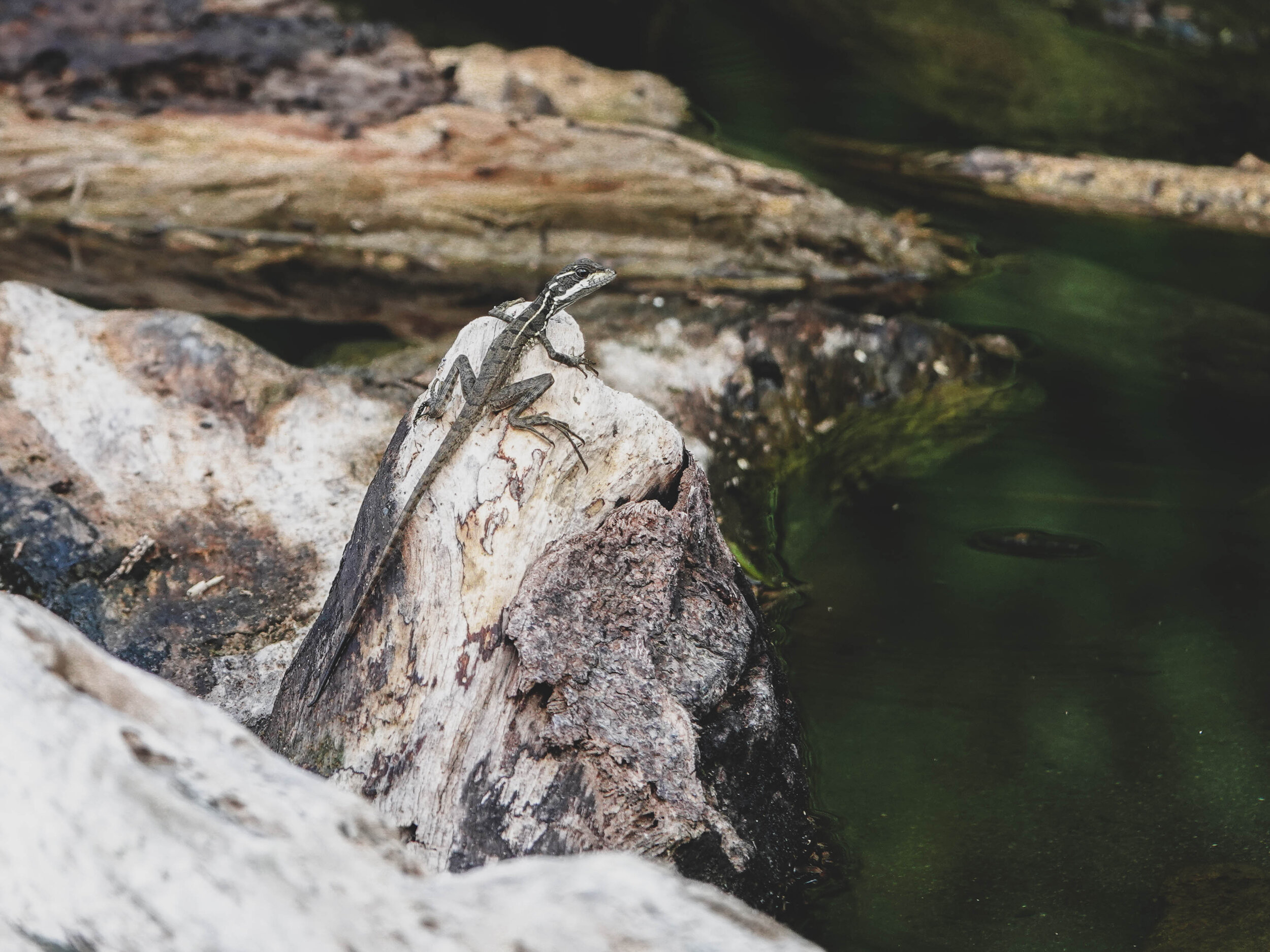
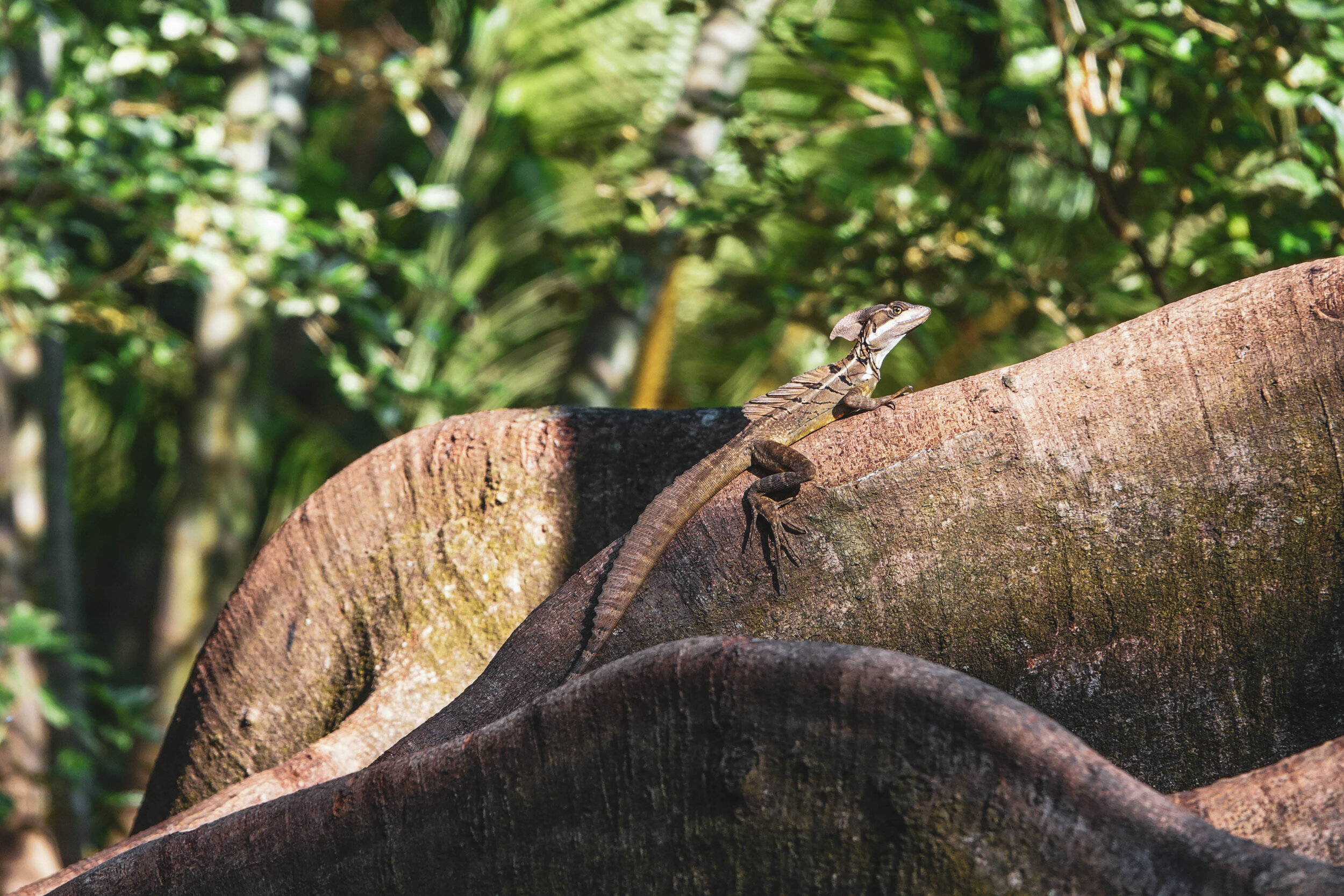
Basilisk, also known as the “Jesus Christ Lizard”.
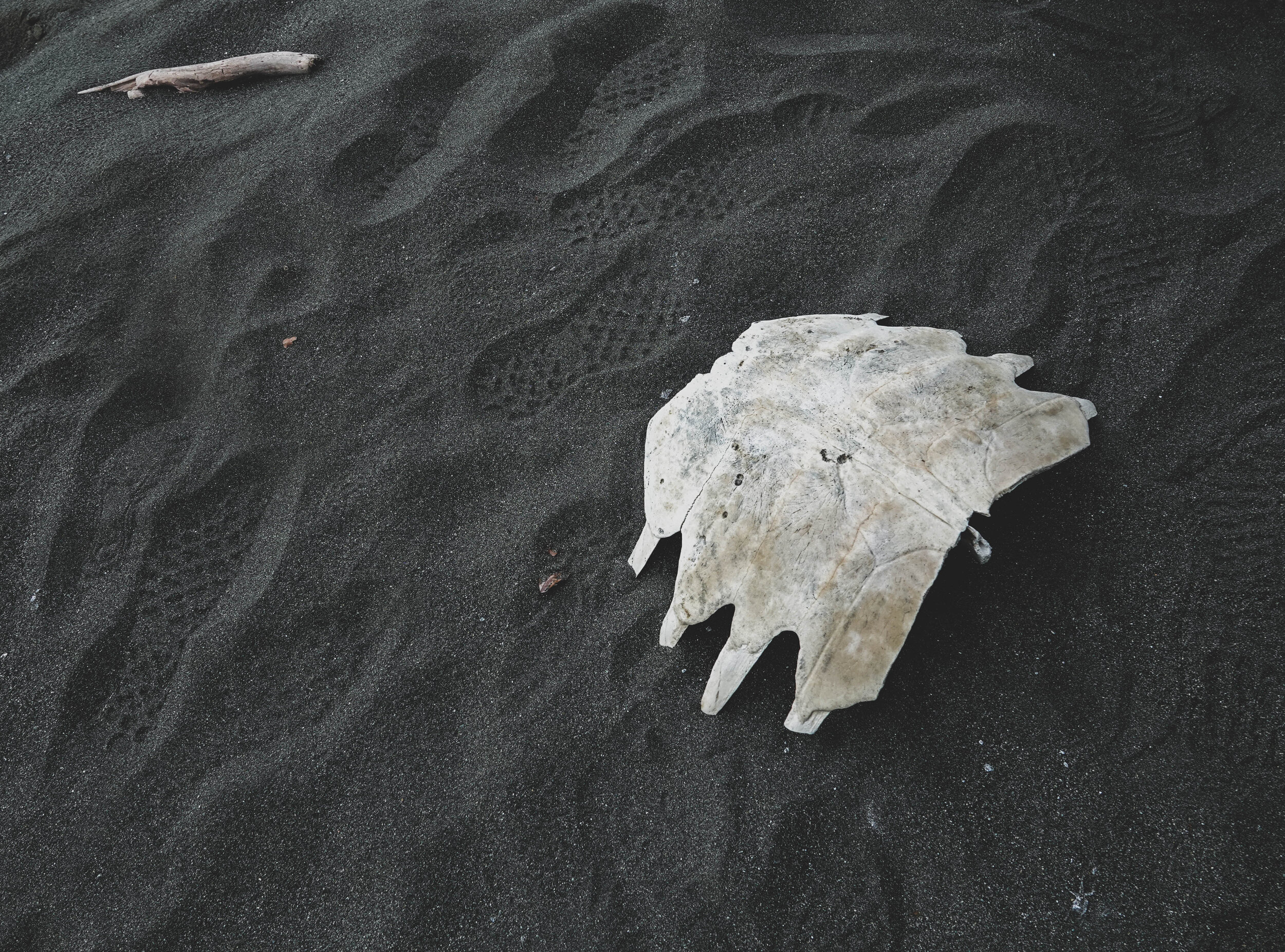
Carapace—the bony underside of one of the four species of Costa Rican sea turtles that come ashore to lay eggs in the summer-autumn season.
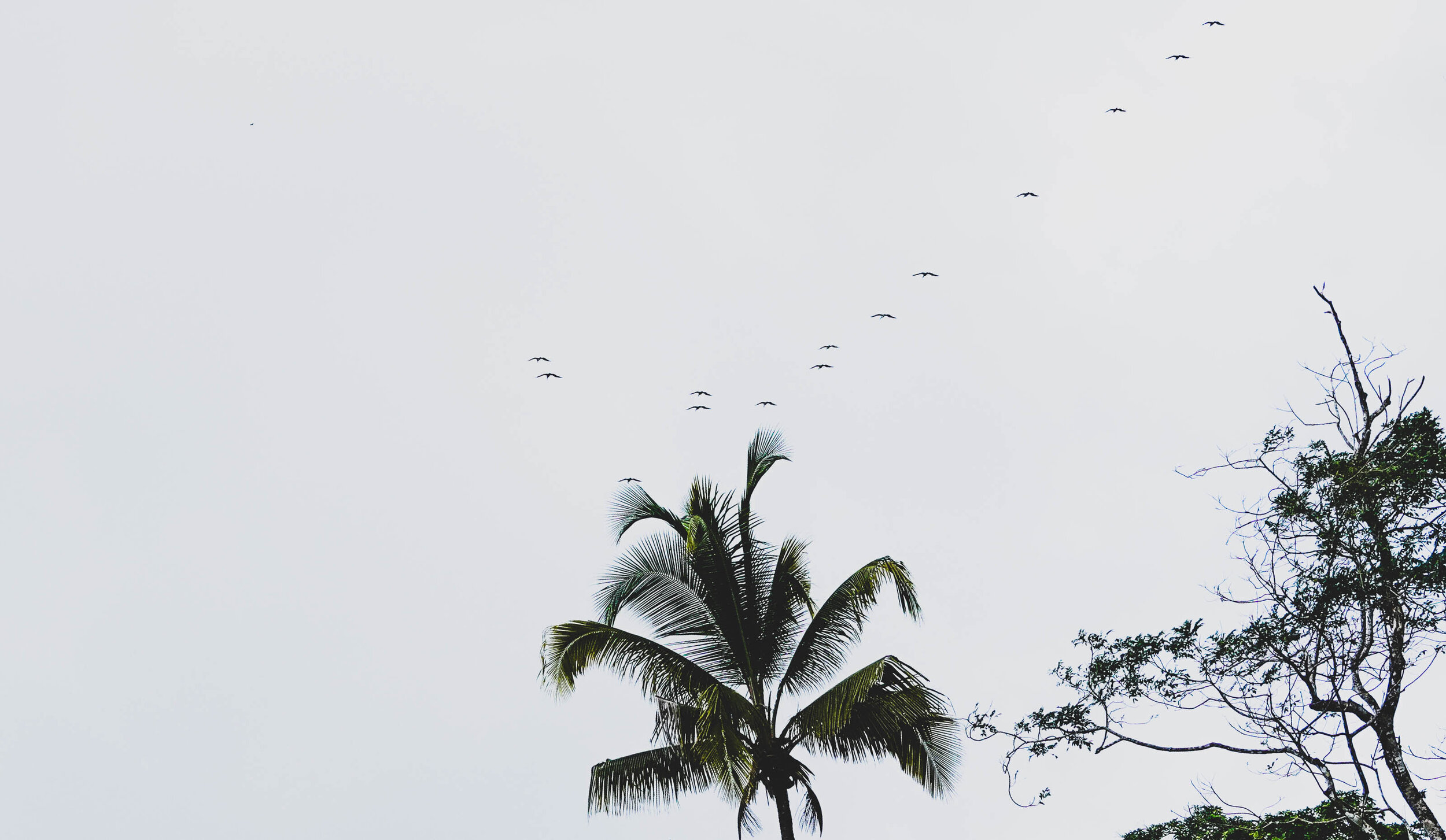
A flock of large birds, always flying in an inverted "V" formation.
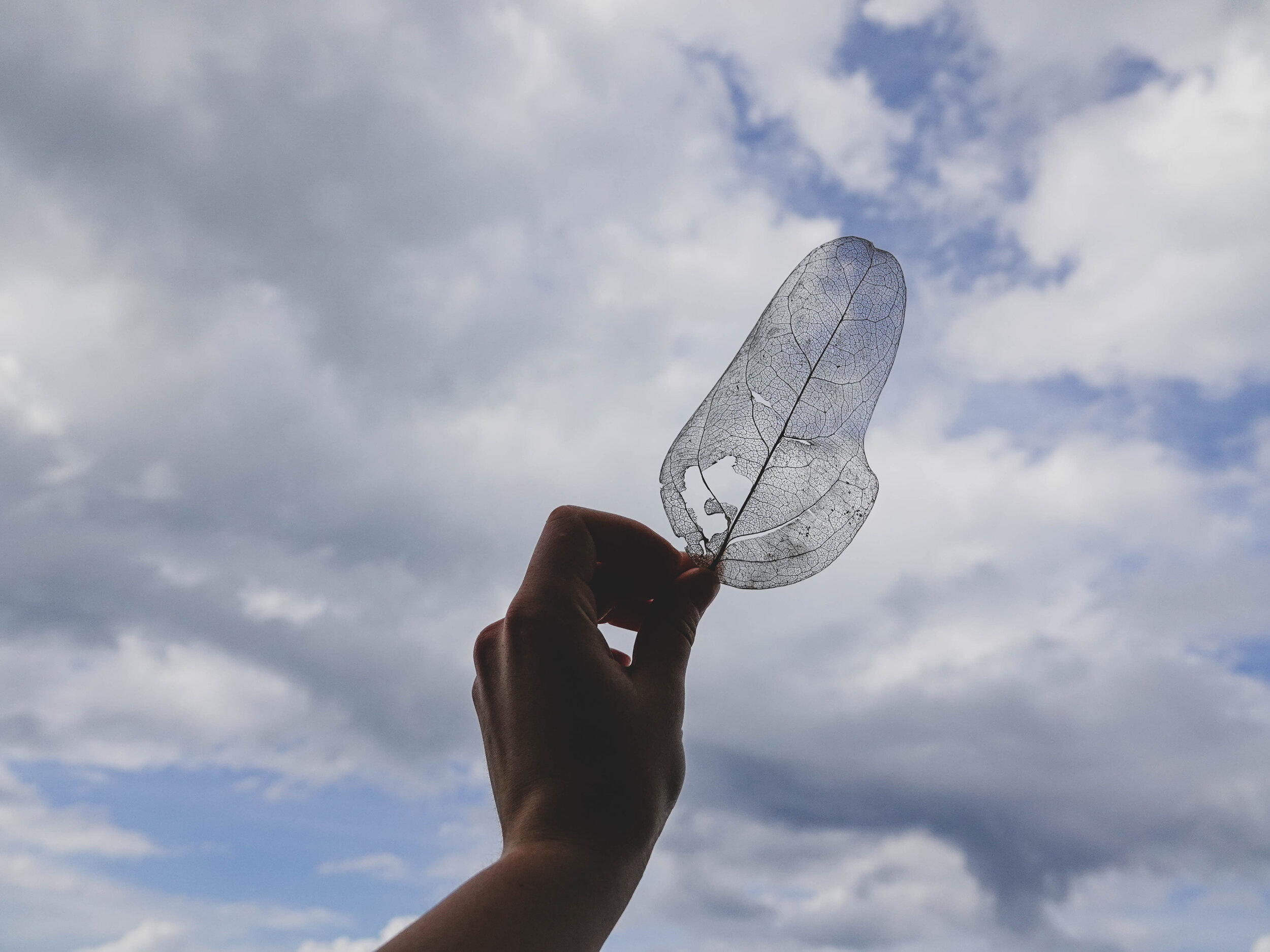
There were a lot of weathered leaves lying on the ground. Am I the only one who never sees them in Slovenia?
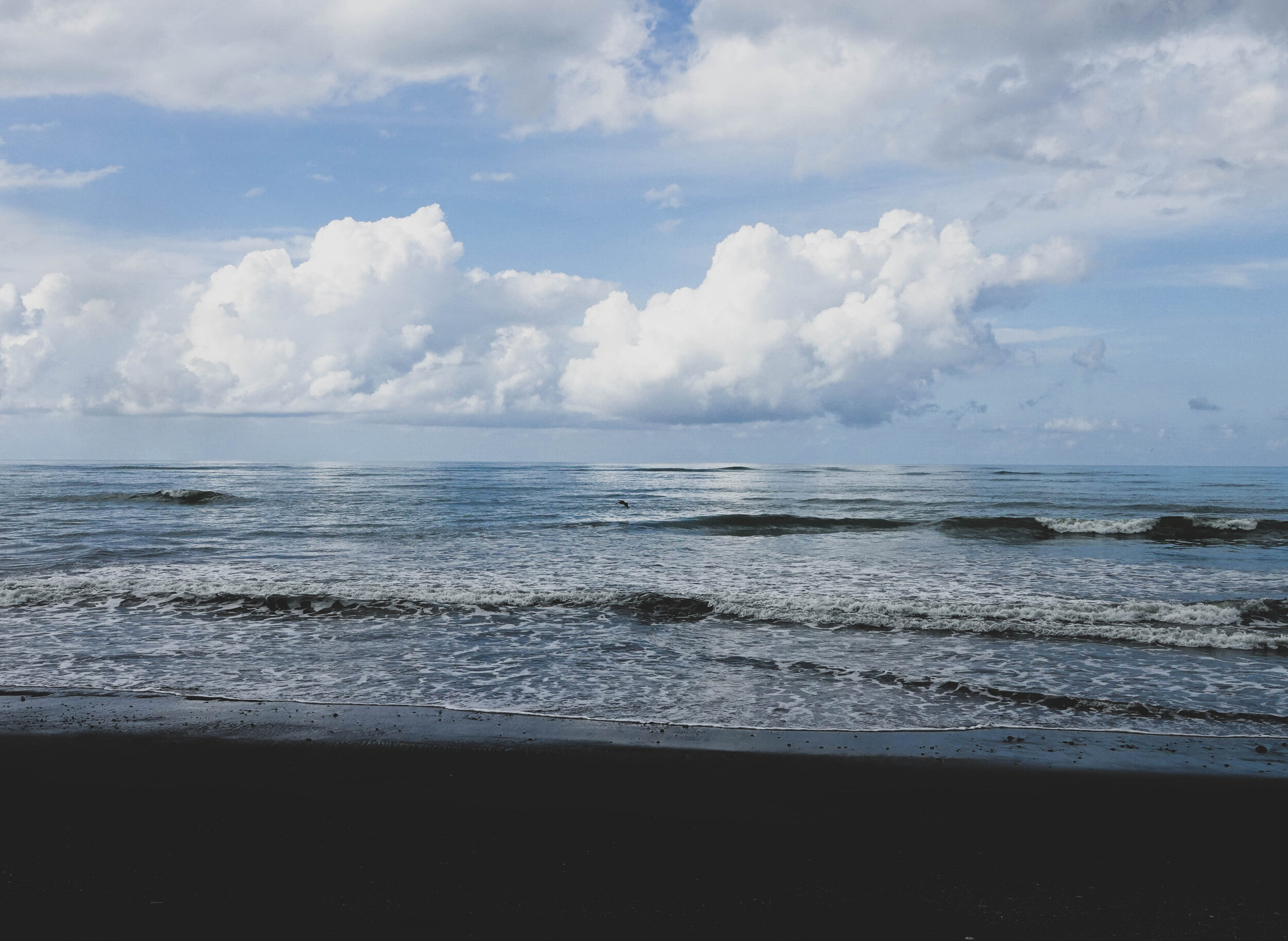
The Pacific Ocean—the largest body of water on Earth, covering 179.7 million km², a third of the planet's surface.
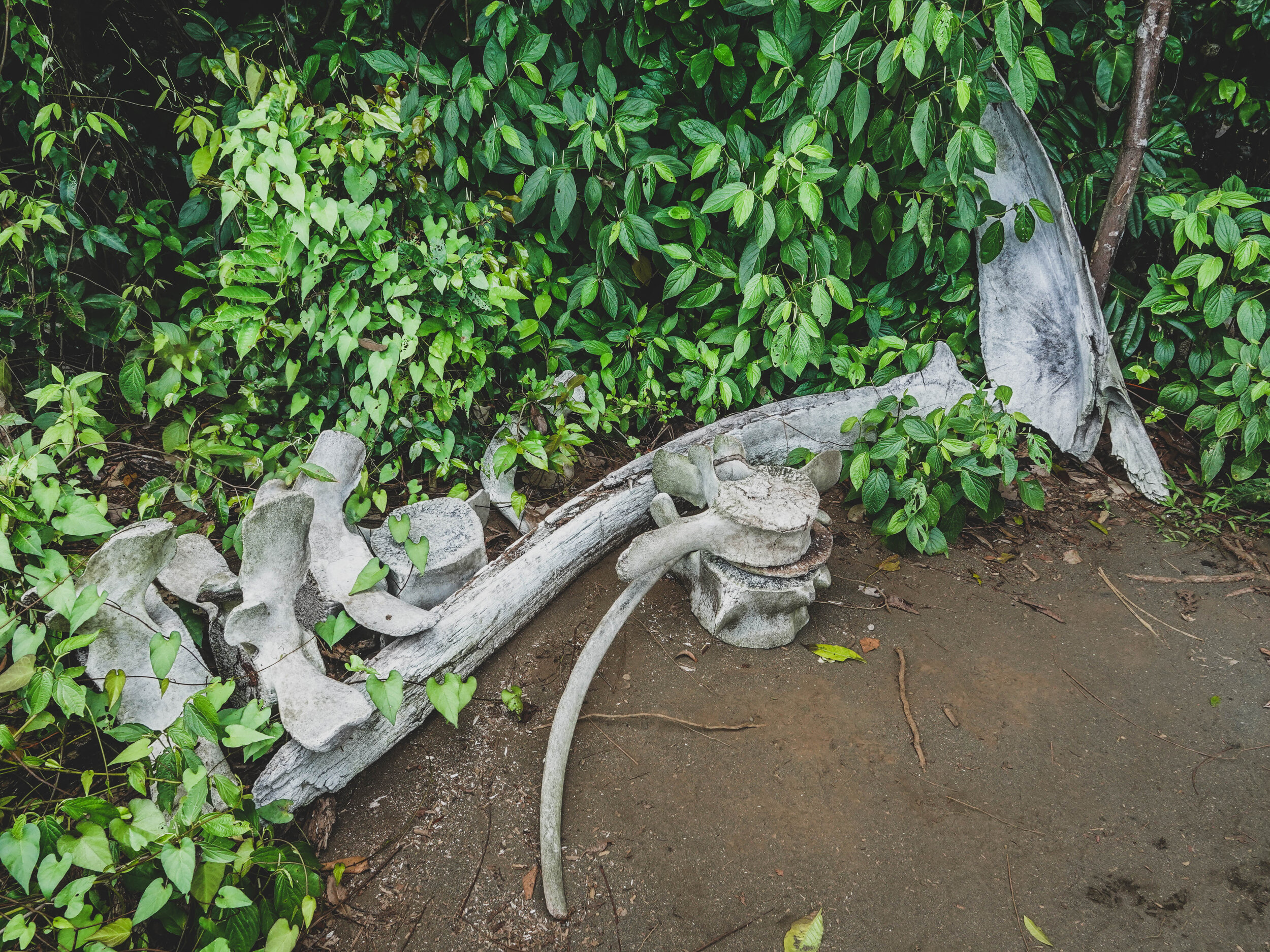
A large vertebrate… Probably a humpback whale.
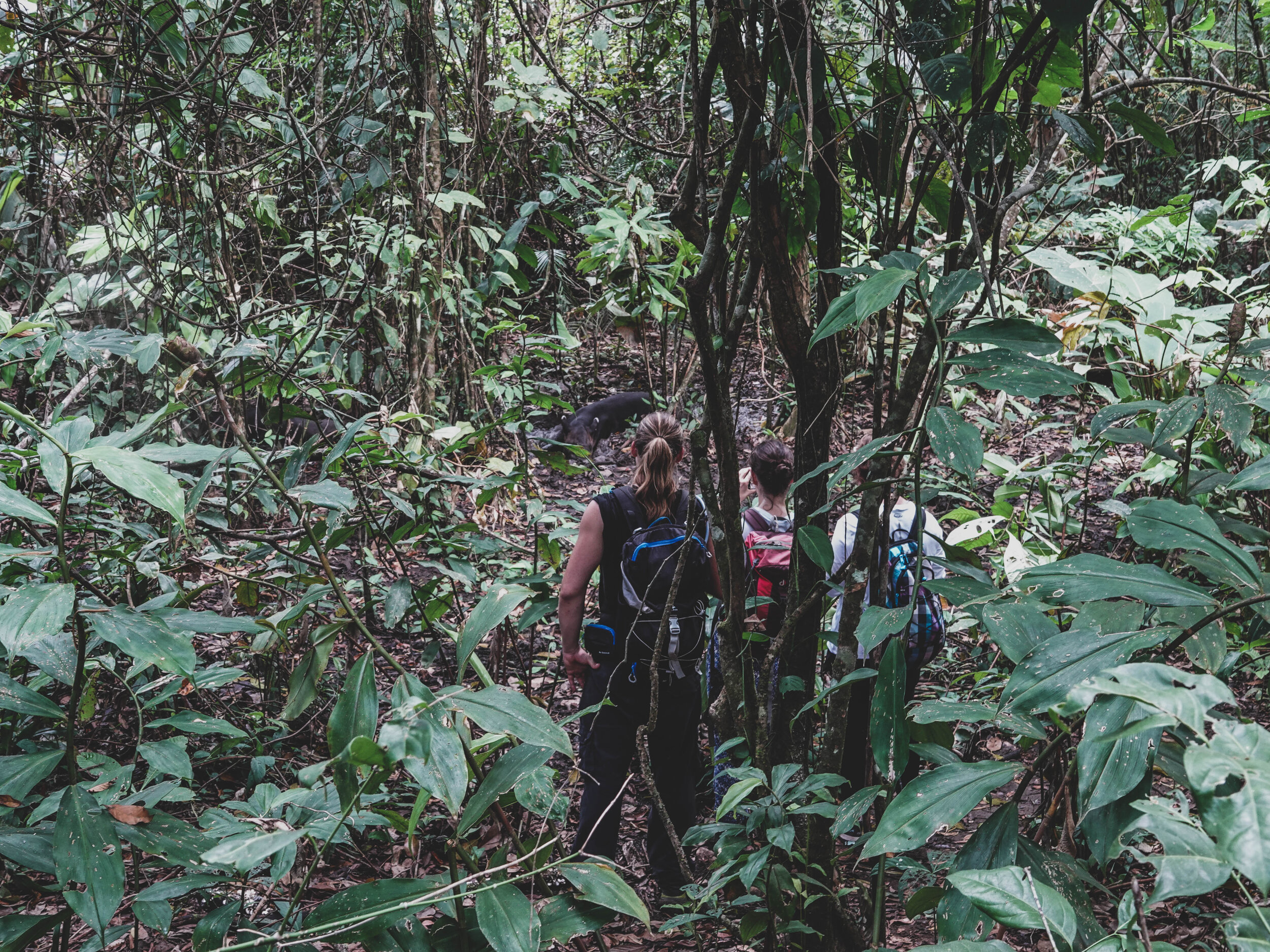
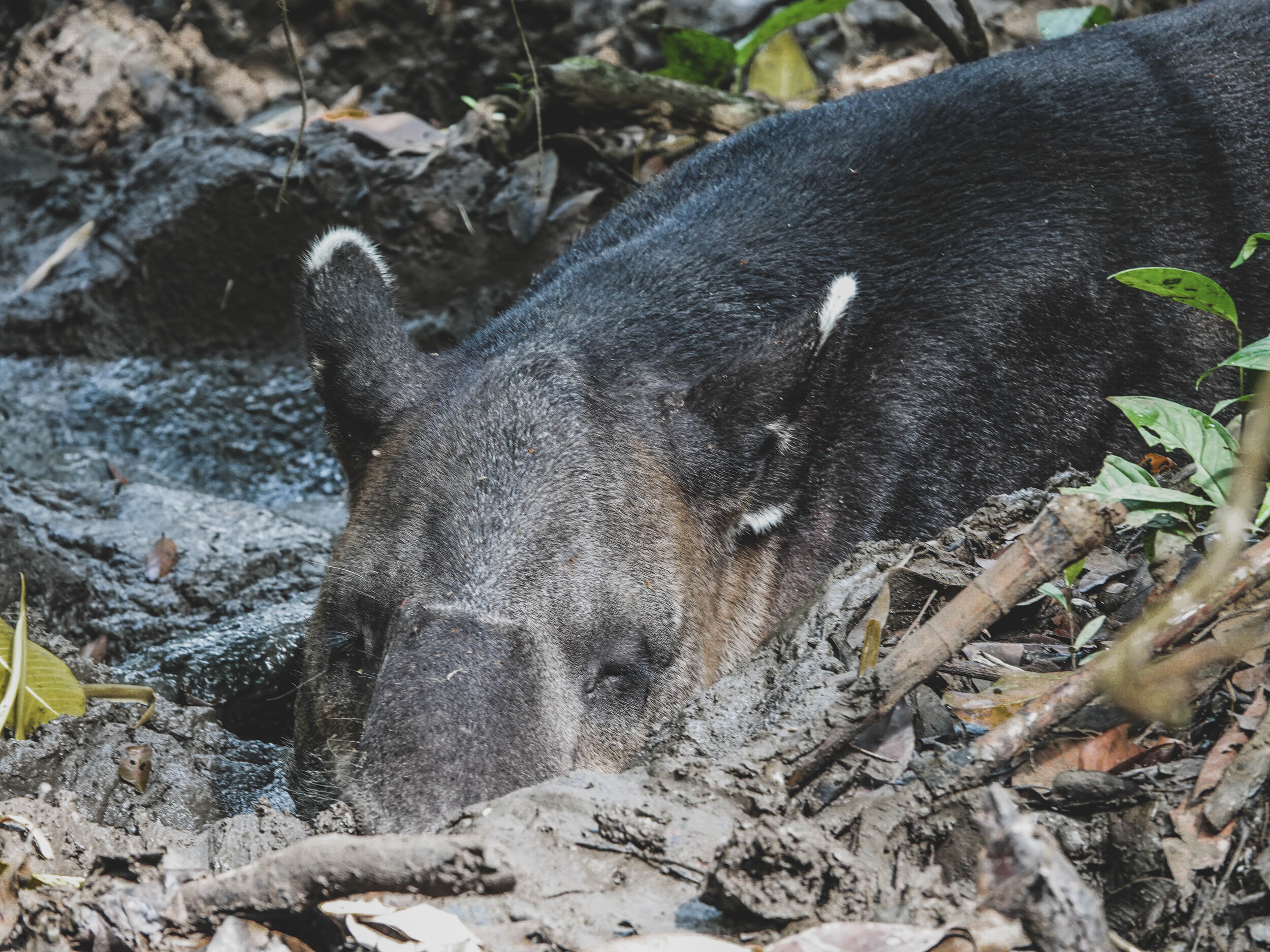
Tapirs are the stars of the park. If you look closely, you can spot two of them resting in the shade, on the muddy ground.
Tapirs are close relatives of rhinos. There are four known species worldwide, and this one is the Baird’s tapir (Tapirus bairdii), the largest of them all. They grow up to 2 metres in length and can weigh between 150 and 400 kg.
Their unique snout, formed by the fusion of the nose and upper lip, gives them a truly distinctive appearance.
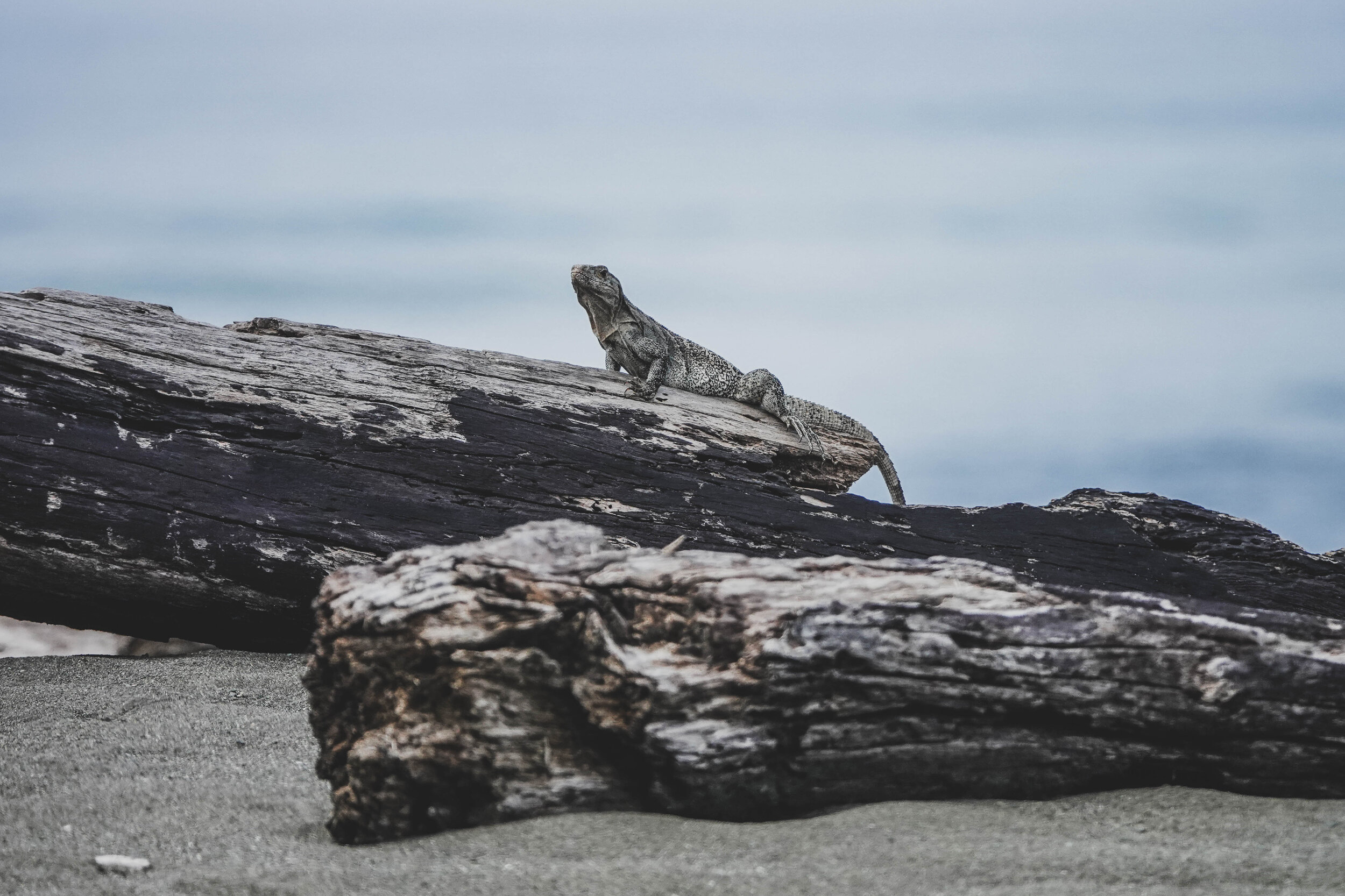
One of the many camouflaged iguanas along the coast.
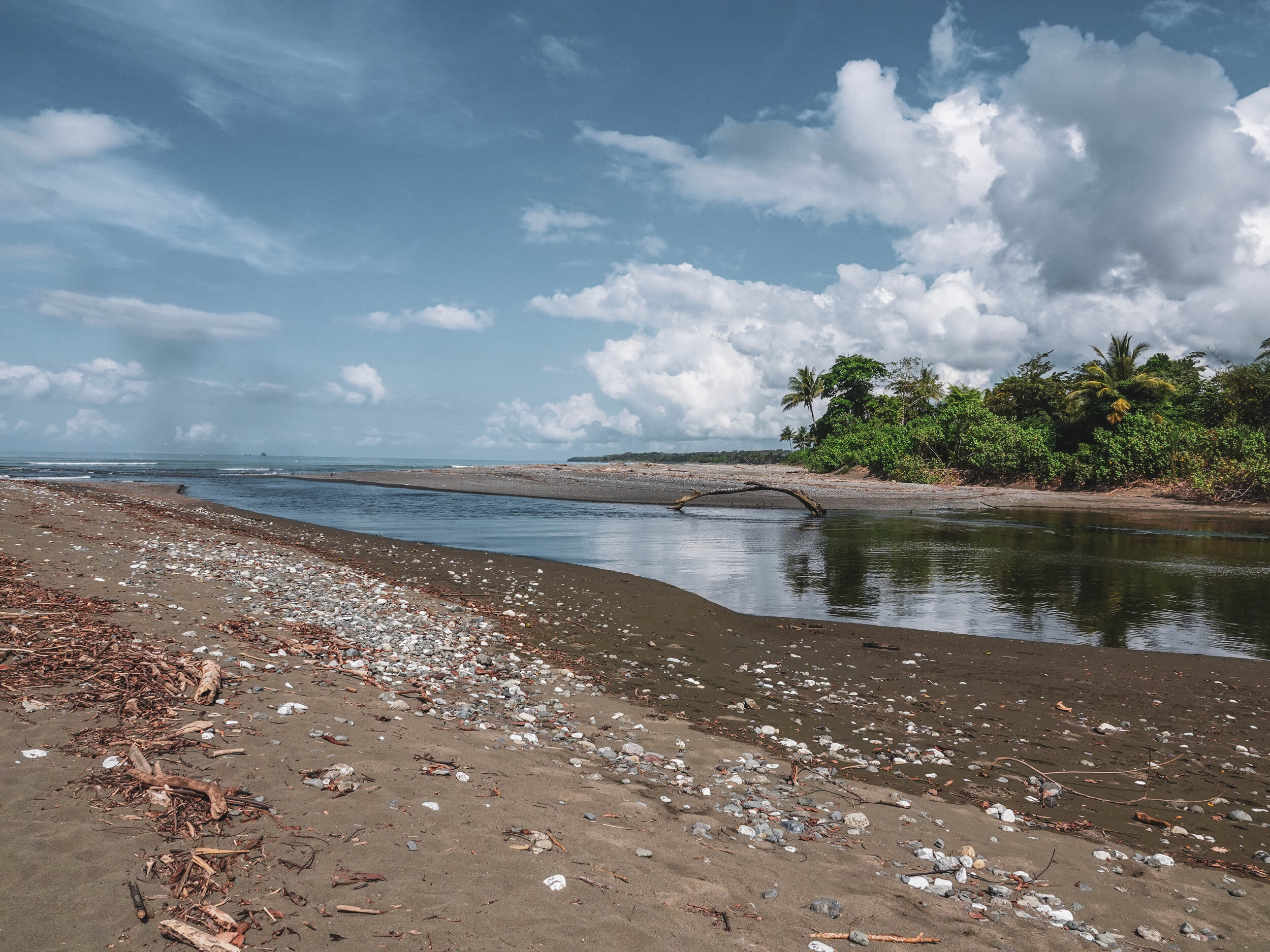
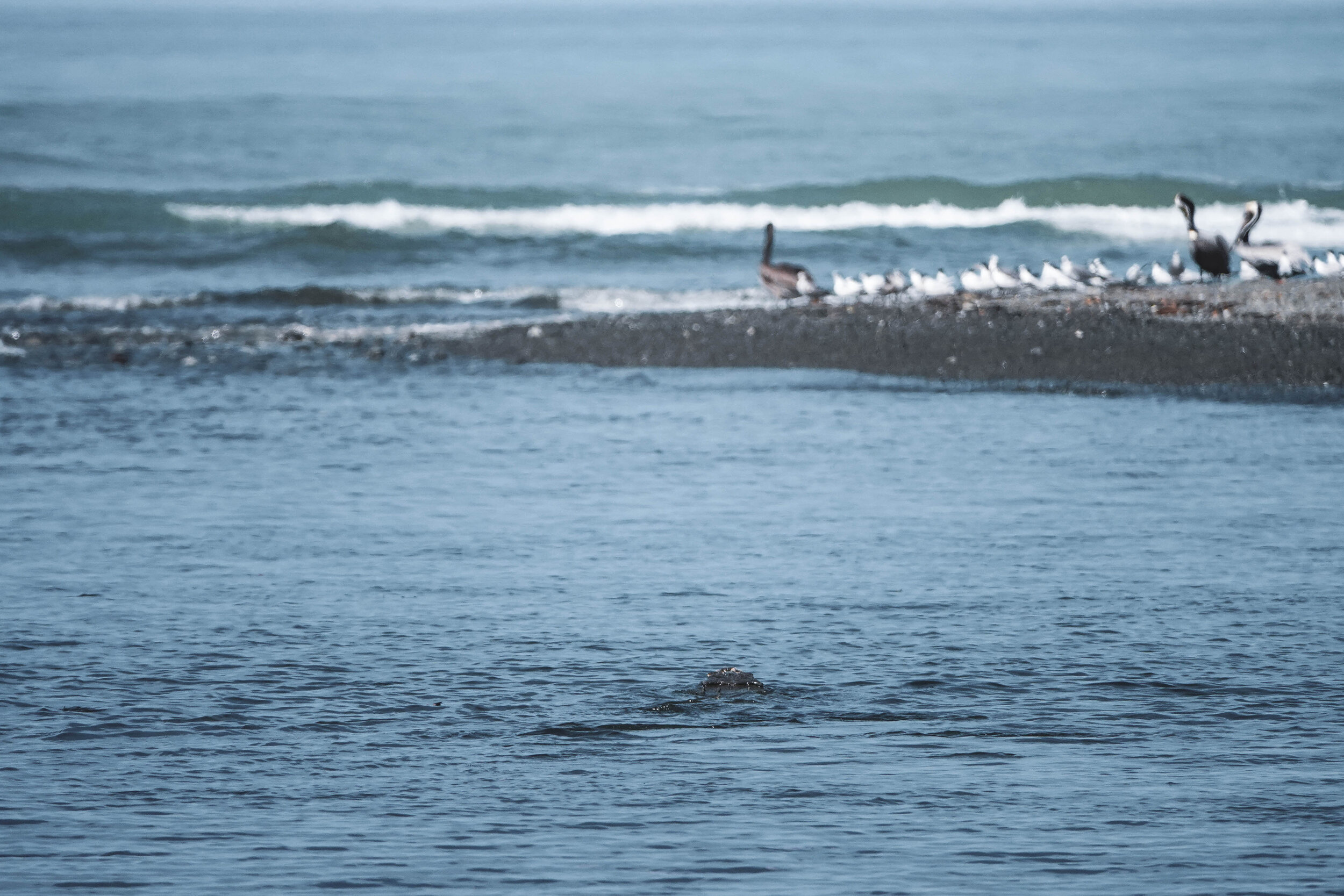
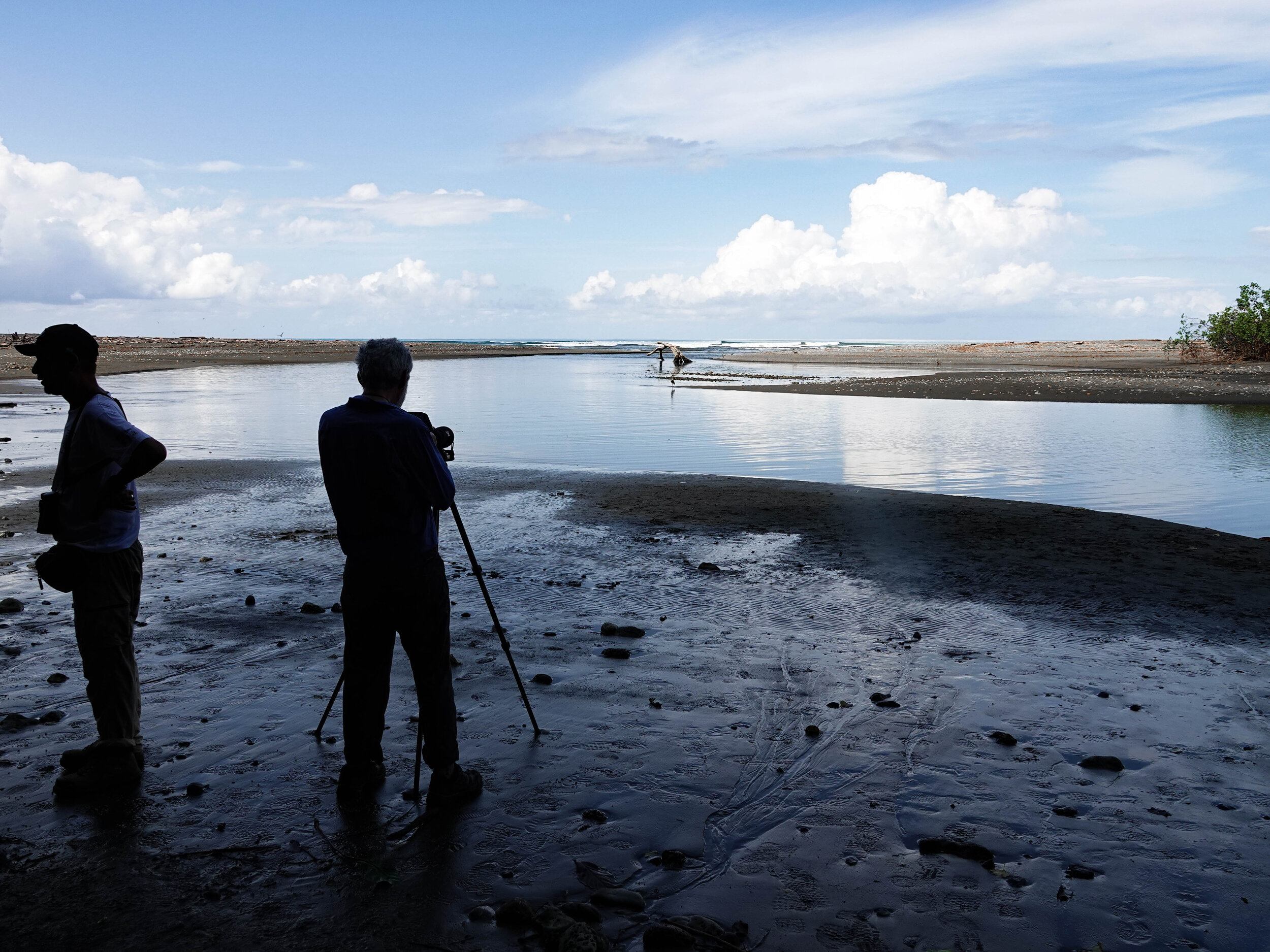
At the river mouth, where fresh water meets the ocean, we saw plenty of birds, including pelicans. These birds are a favourite snack for American crocodiles.
For a while, we watched the tension build—a crocodile slowly sneaking up on the pelicans, ready to ambush.
Unfortunately (or fortunately for the pelicans), the croc surfaced too soon, scaring them away. Our guide, however, had previously witnessed a successful hunt with a different outcome.
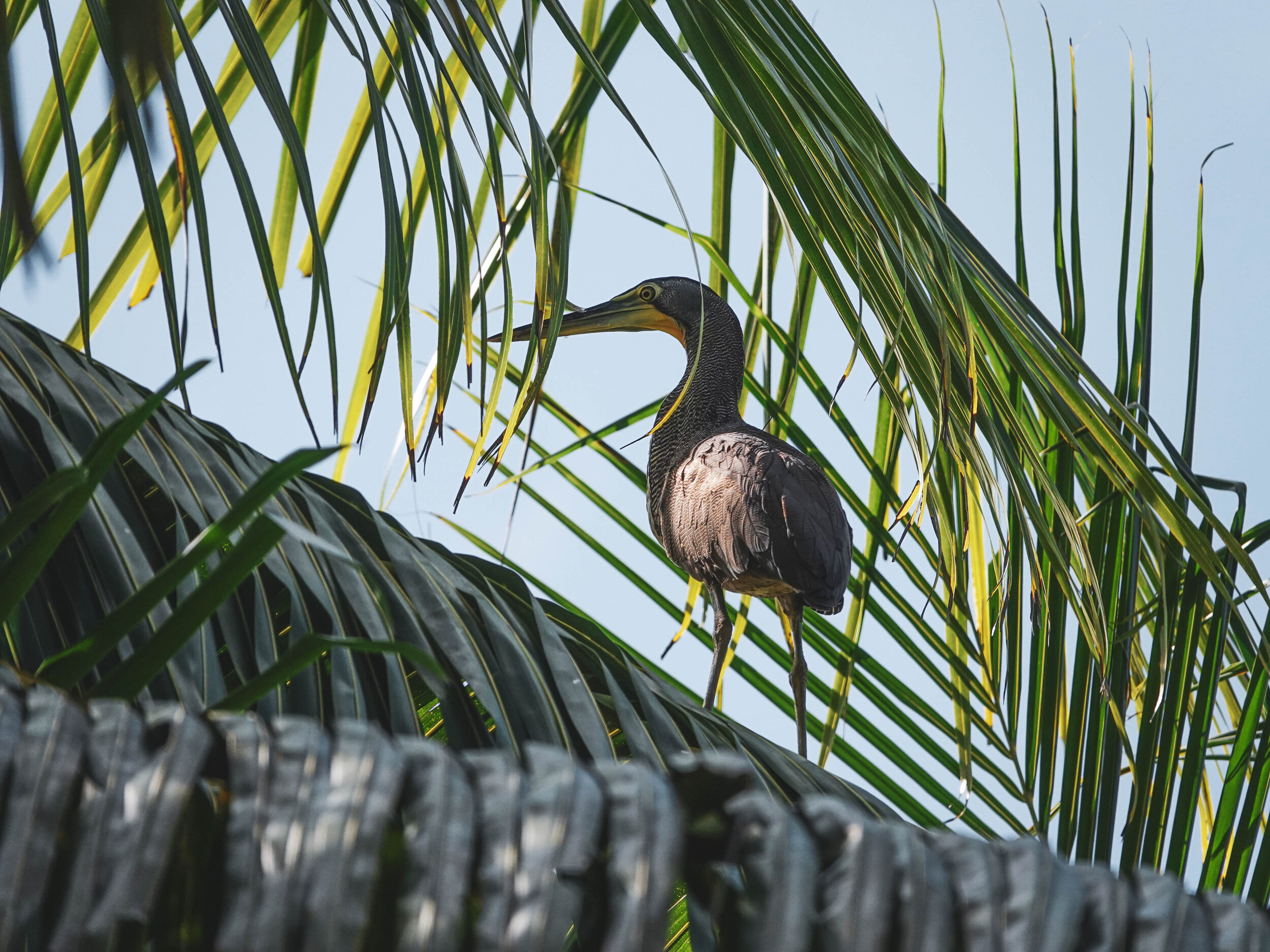
Remember this bird from previous posts? It’s the bare-throated tiger heron!
We were split into small groups, each led by a local guide with a telescope.
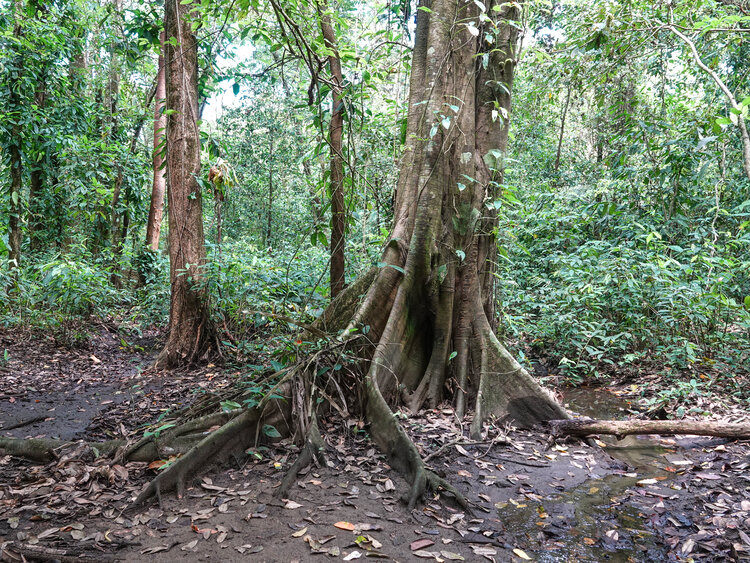
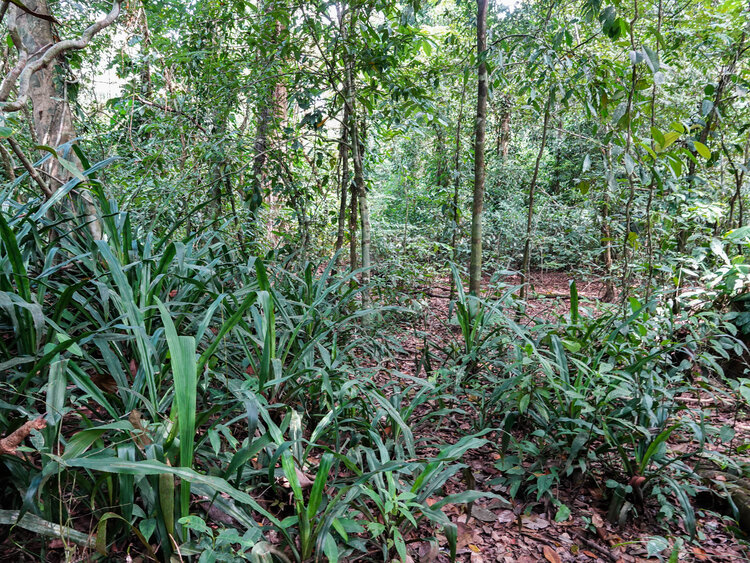
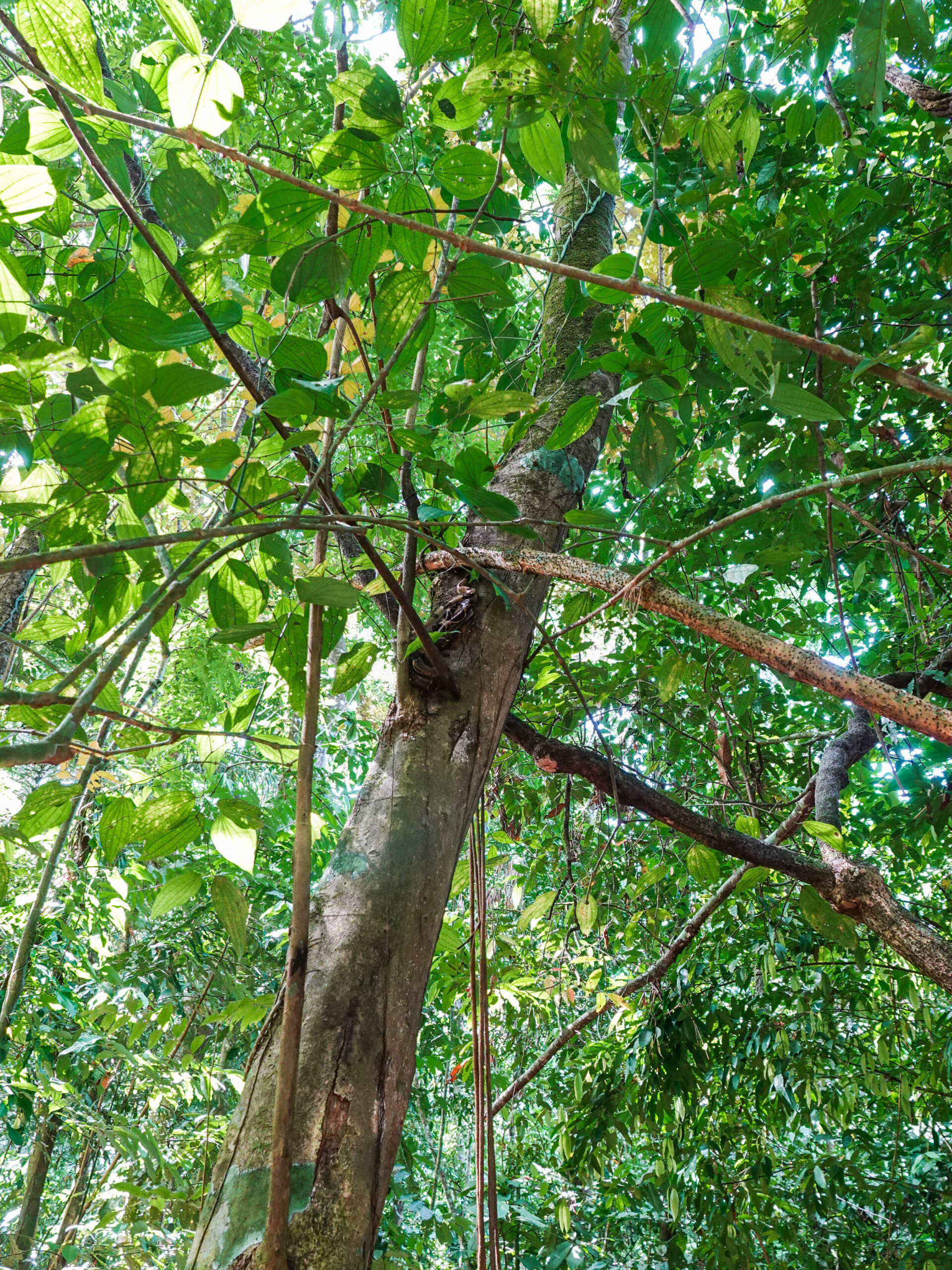
Leaving the coastline, we entered the jungle, where spotting wildlife requires careful scanning of every corner—and silence.
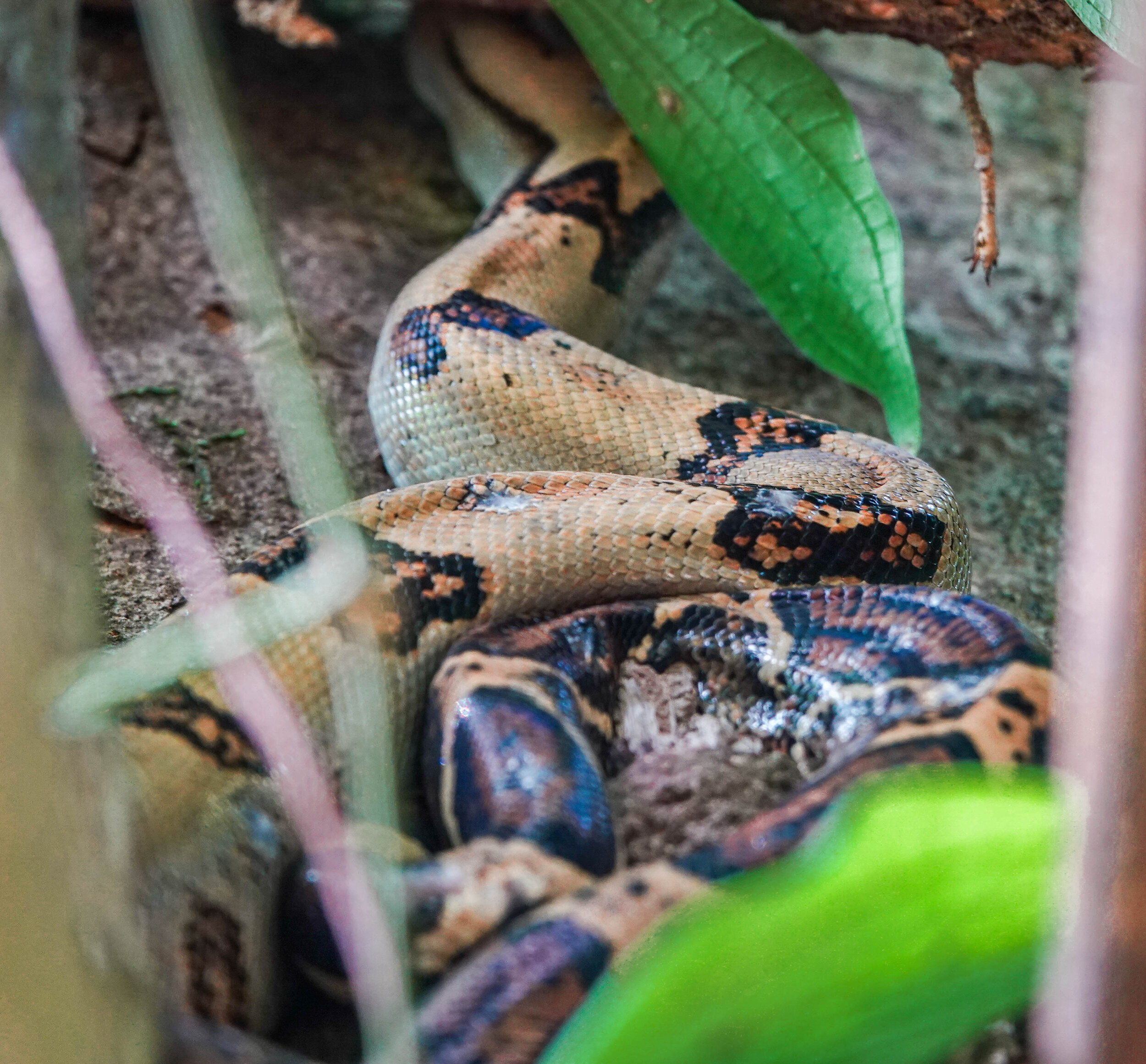
For example, if you only looked at the ground, you’d easily miss this:
The largest snake in Costa Rica—the boa constrictor. As its name suggests, it doesn’t use venom but instead squeezes its prey to death.
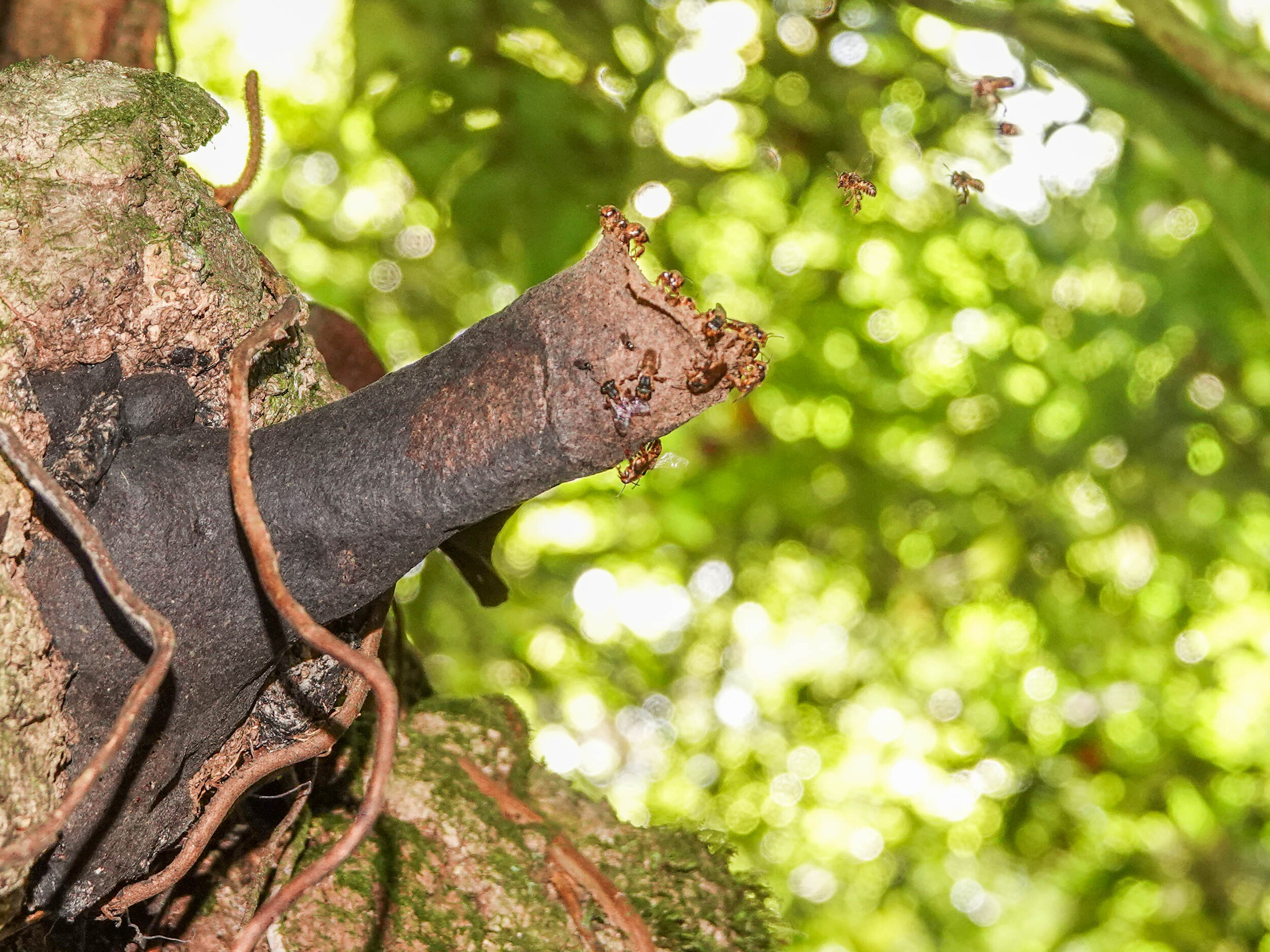
Stingless bees—they don’t sting, but they do bite. And yes, it still hurts!
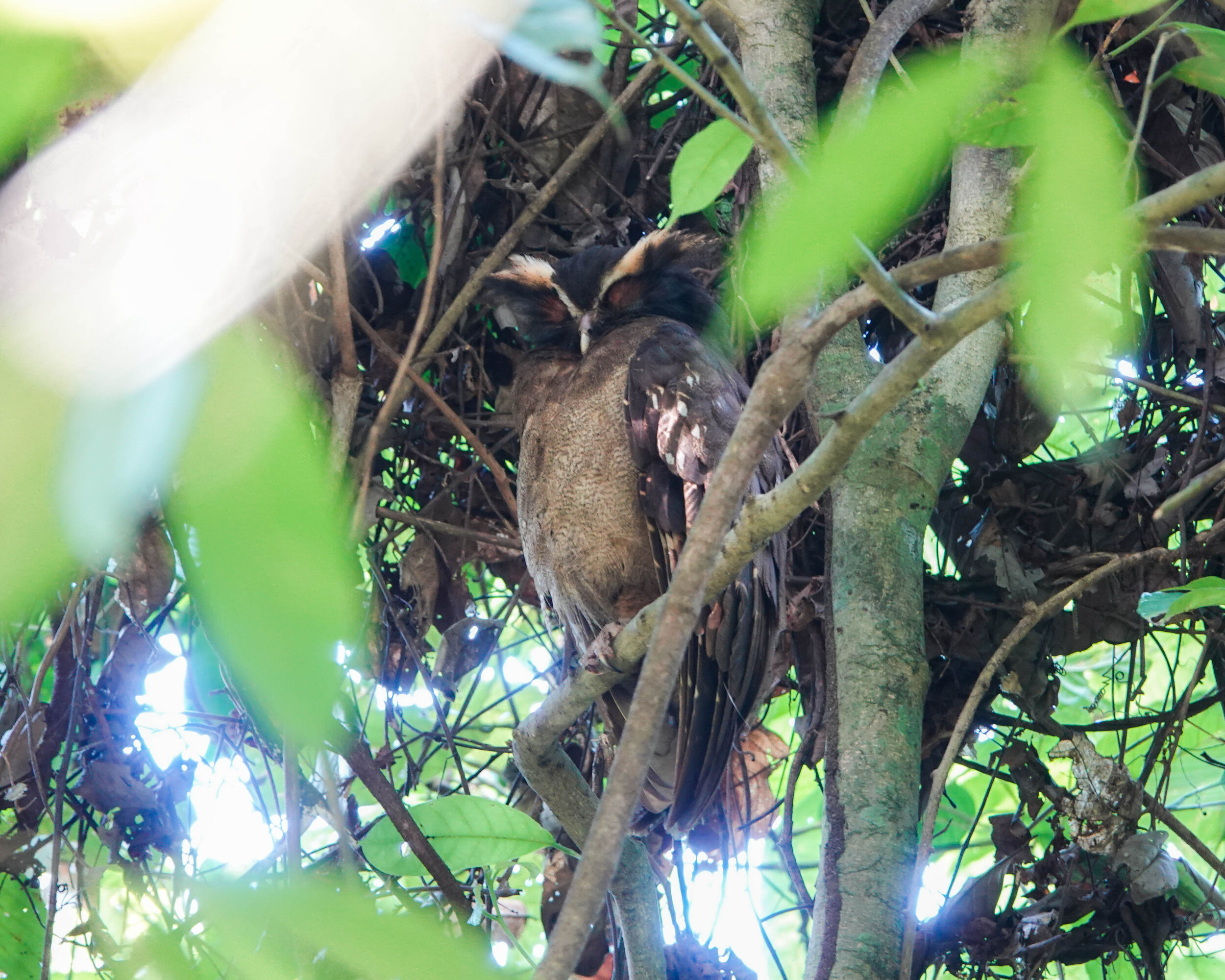
A sleeping crested owl (Lophostrix cristata), expertly camouflaged.
And, of course…
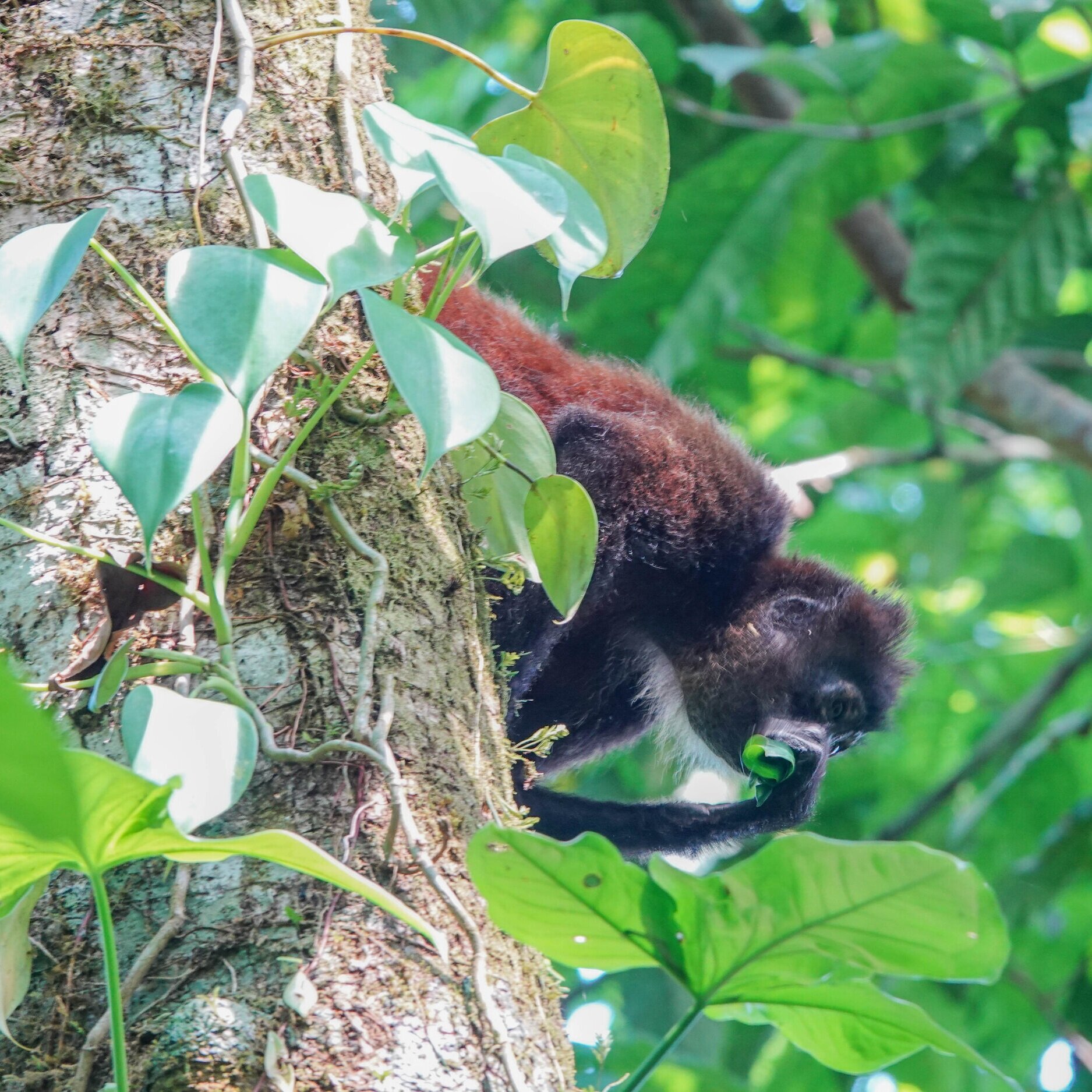
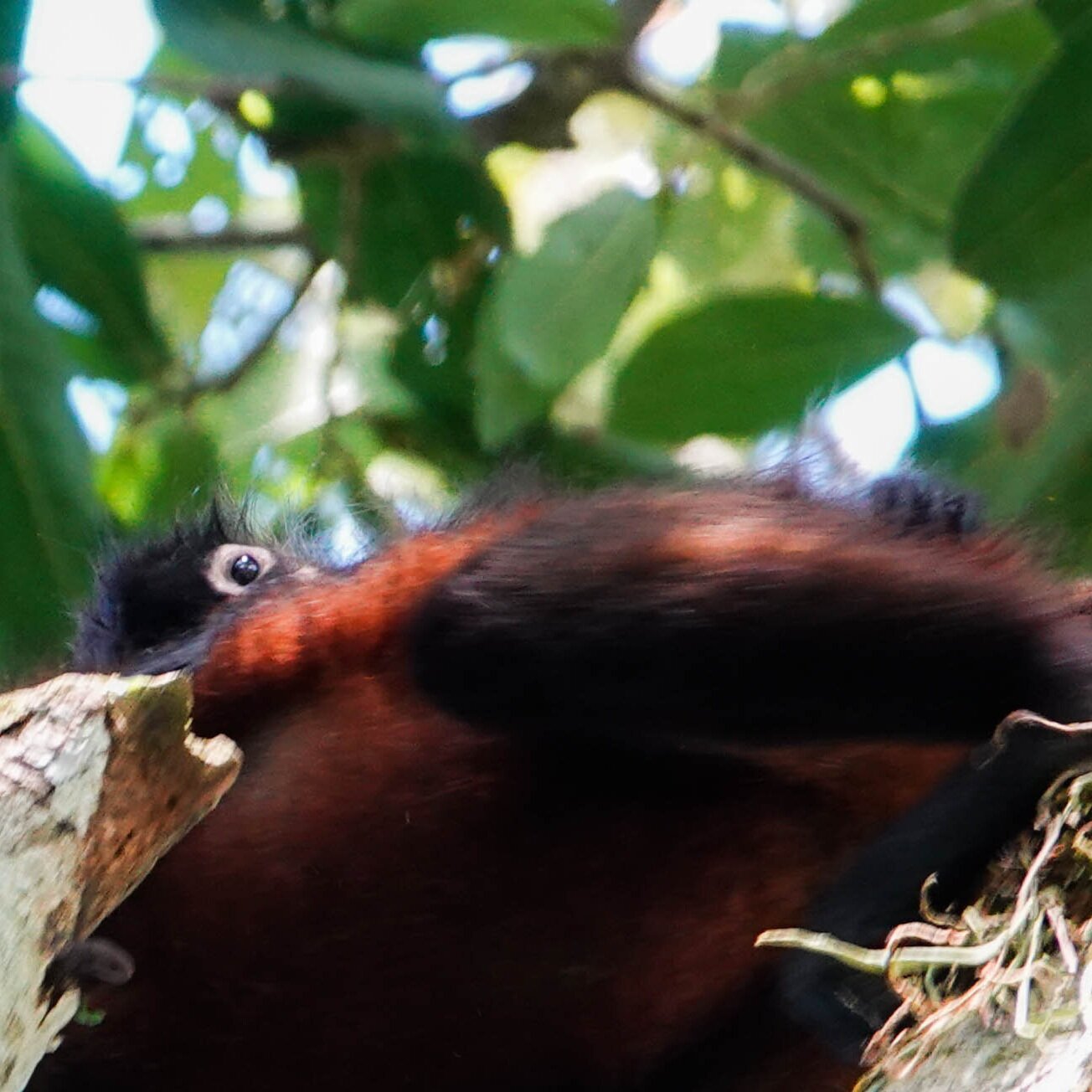
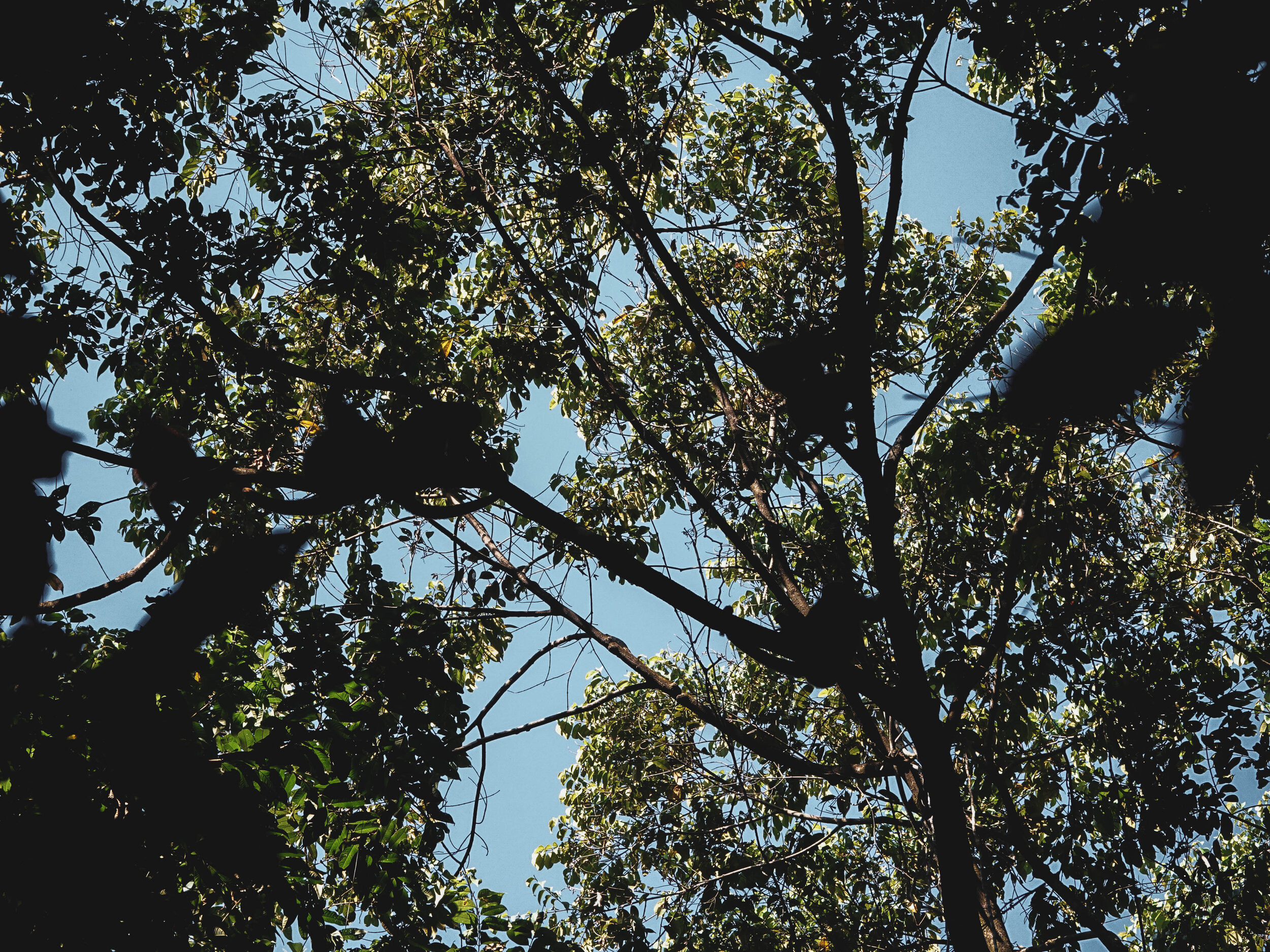
Always captivating—Geoffroy’s spider monkeys!
These monkeys have no thumbs—they lost them over time as they weren’t needed. They swing rather than jump between branches and can move up to 12 metres in a single swing! Their strong, flexible tail acts as an extra limb, often supporting their entire weight.
Spider monkey troops are matriarchal—females lead the group and choose their mates.
These monkeys are endangered due to habitat loss (mainly deforestation).
In the past, Costa Ricans hunted monkeys as food for dogs. Today, they are protected.
Sirena Ranger Station
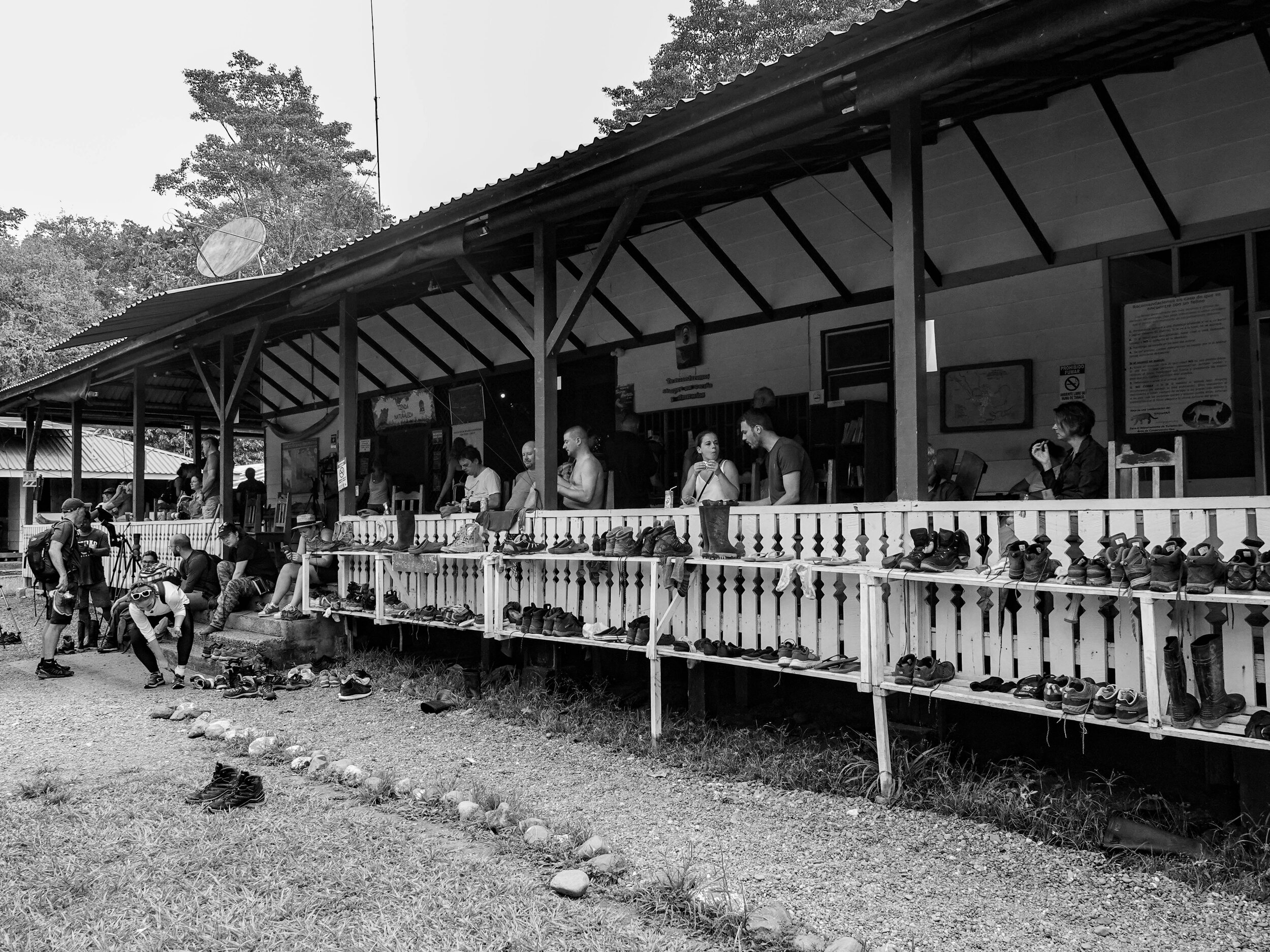
A station within the park where visitors can stay overnight. Here in Costa Rica, it’s customary to remove your shoes before stepping onto the terrace (even in the dining area)—hence the shelves full of footwear.
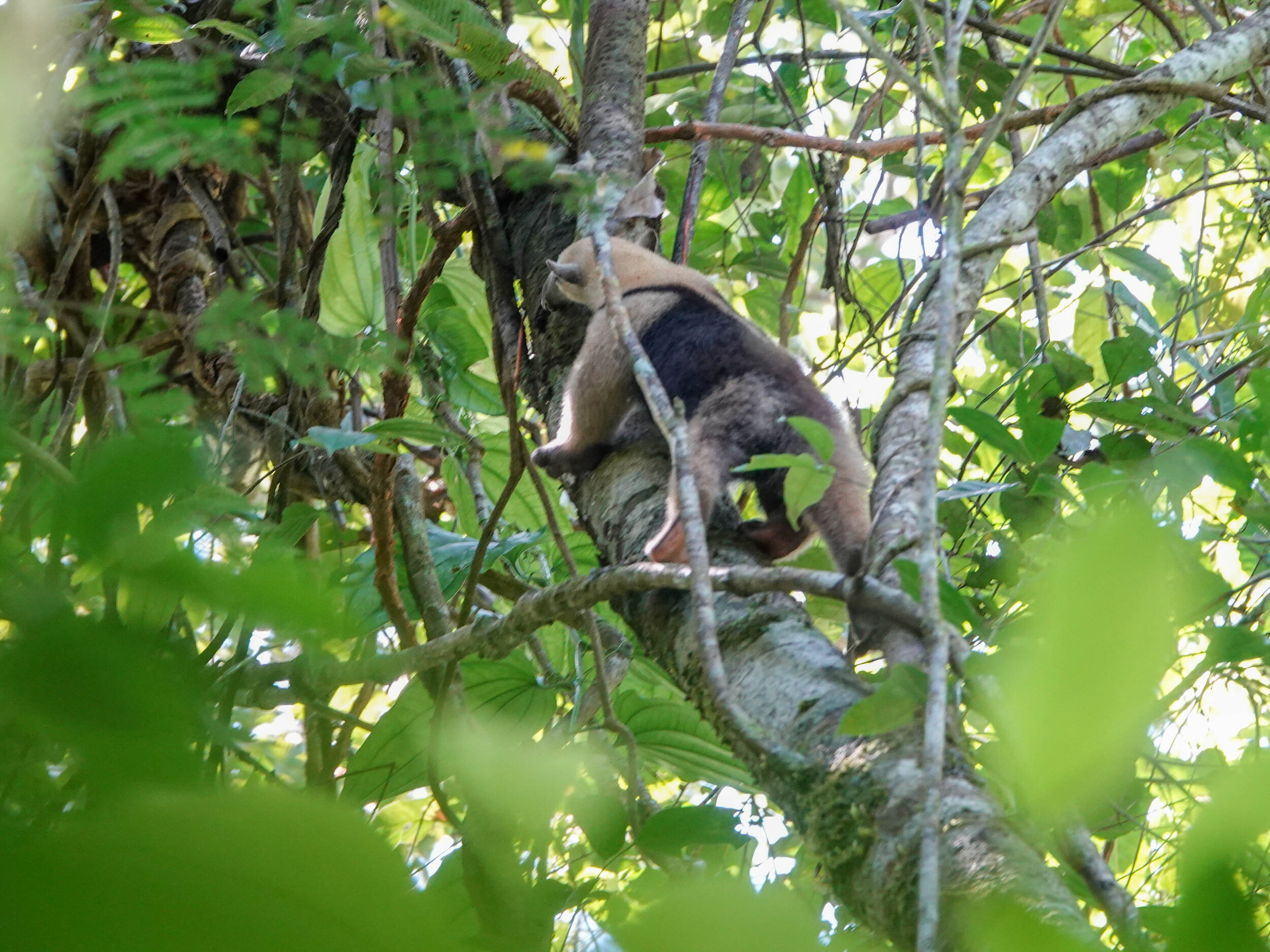
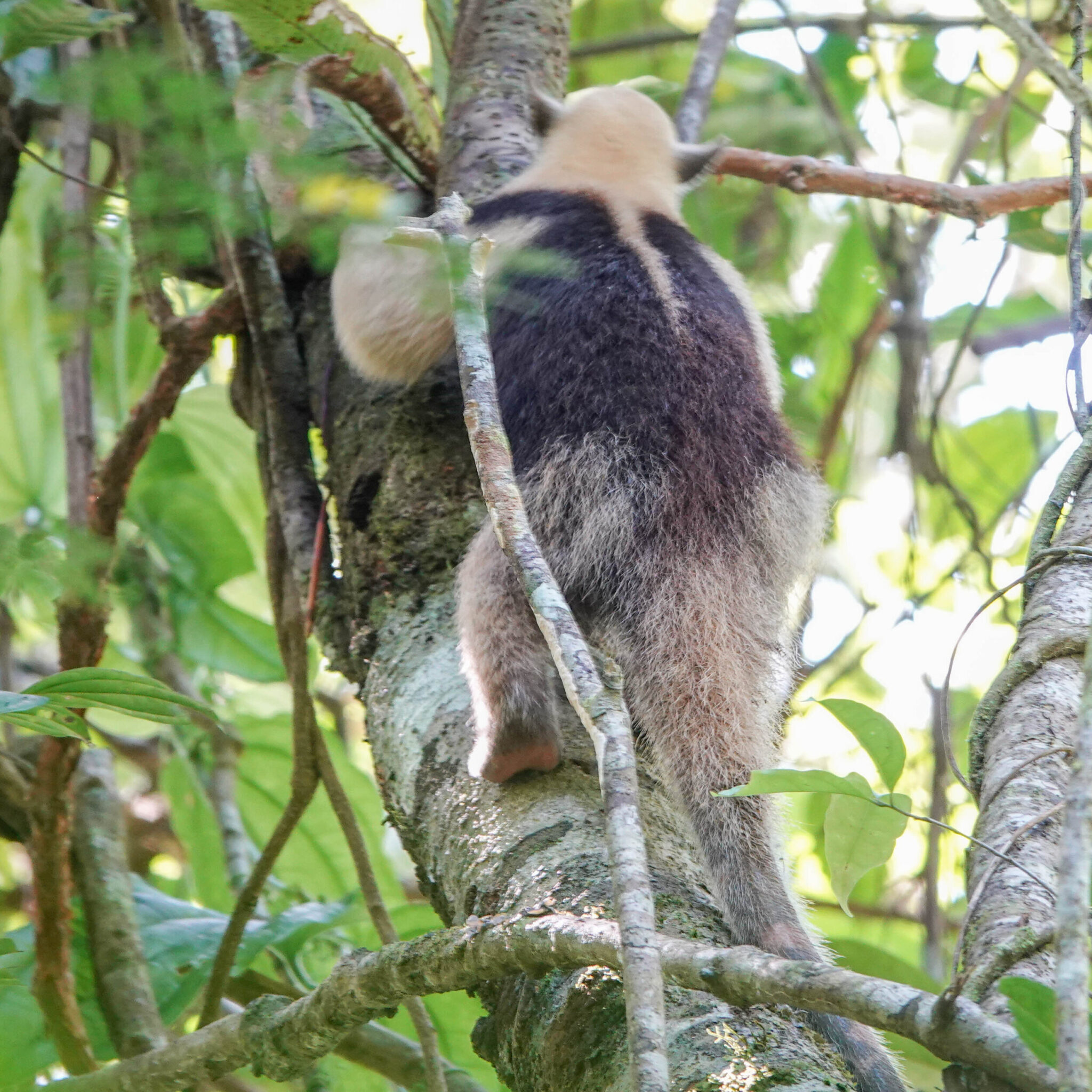
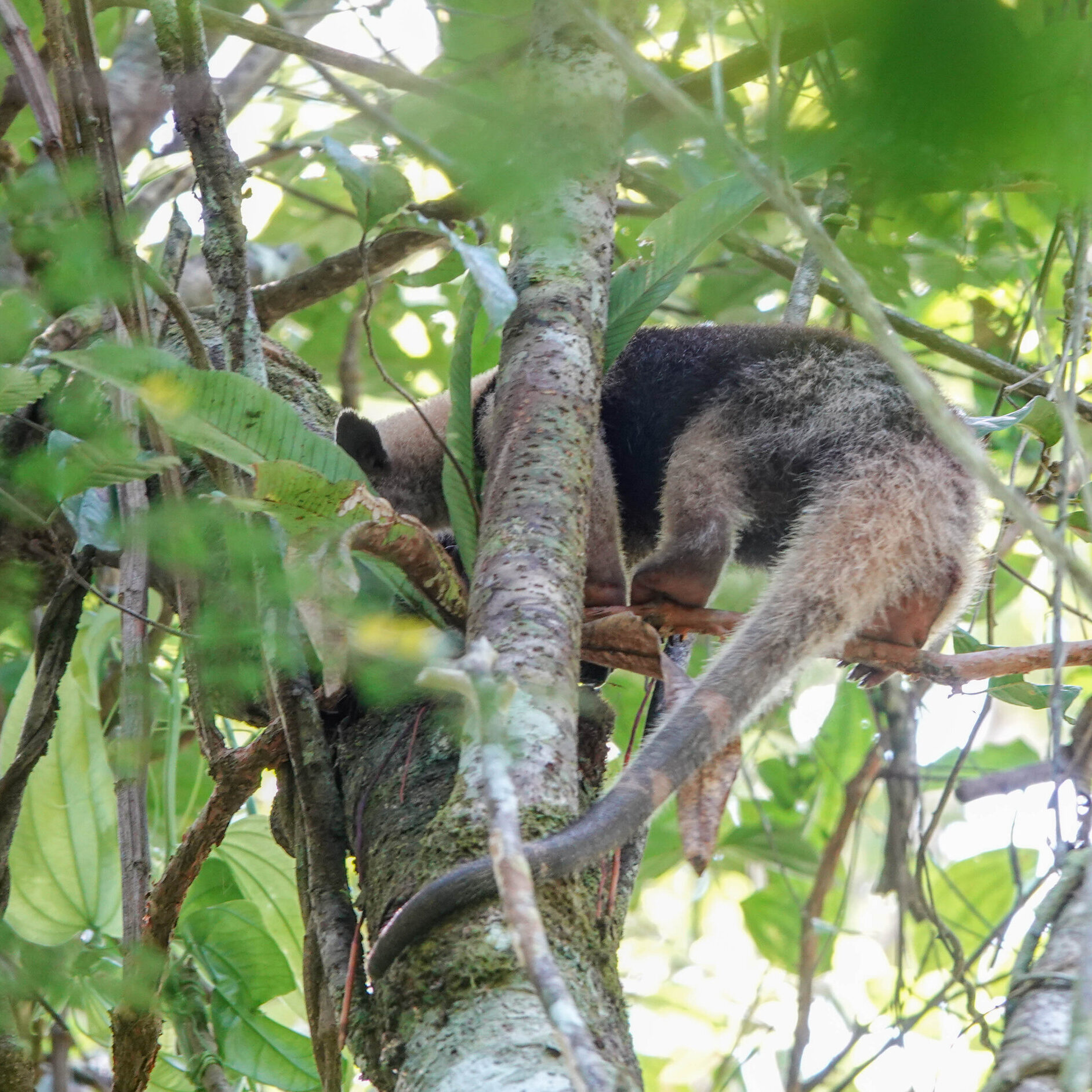
The new animal encounters just wouldn’t stop! Know what this animal is? It reminds me of a mix between a koala, badger, bear, and rat (because of its long tail). And those ears? Maybe a tapir’s?
It’s a northern tamandua! This tree-dwelling anteater feeds mainly on ants and termites.
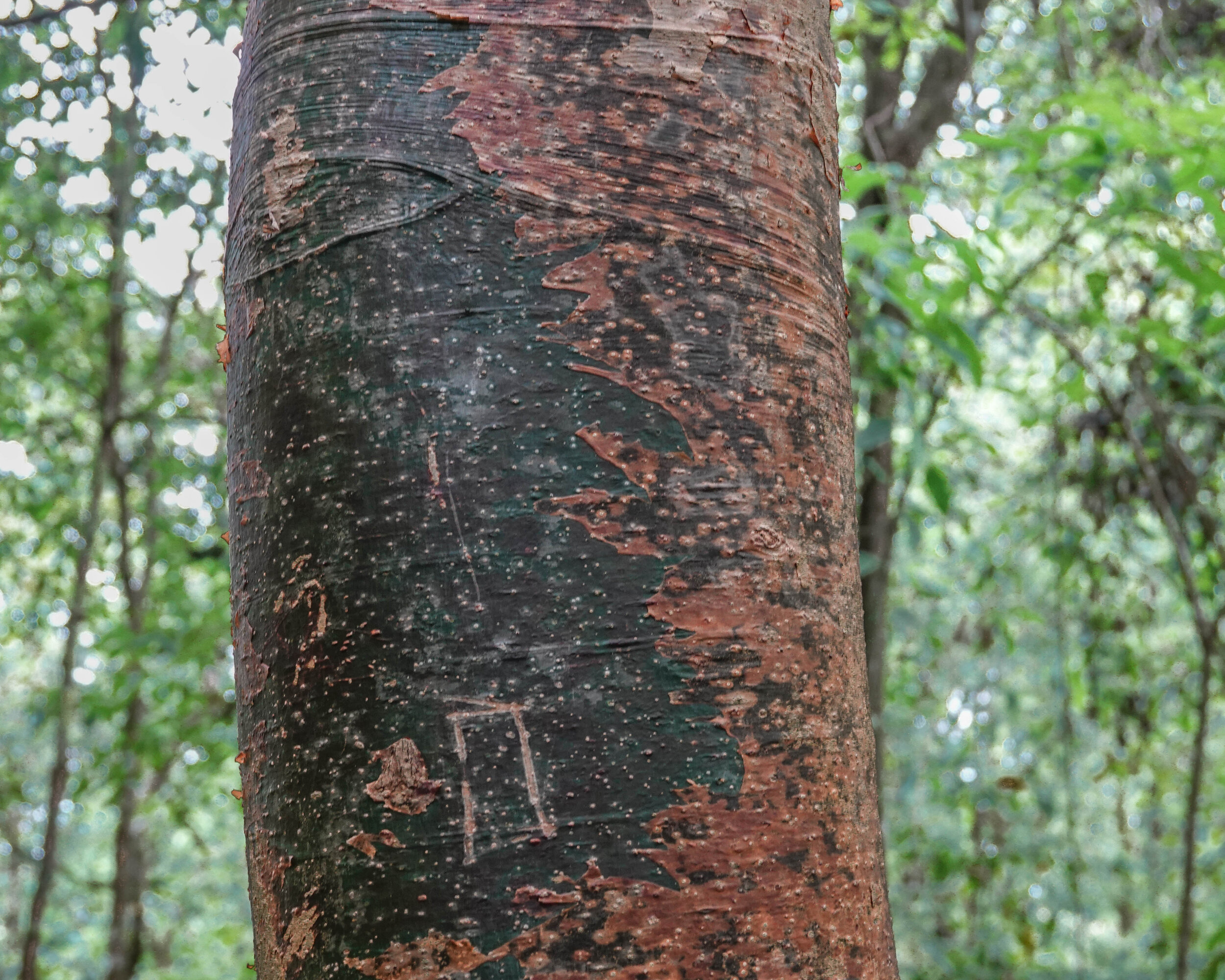
Locals call this tree the “Tourist Tree”. Why? Because tourists’ skin peels just like its bark after a sunburn!
A true Costa Rican icon—the morpho butterfly!
The inner side of its wings is a breathtaking metallic blue, but despite 100 attempts, I still failed to capture it mid-flight.
Check out the video below to see how tricky these butterflies can be to film:
A bunch of stamens from a tall tree in the background.
Sloths are masters of camouflage. Slow, yes. But well-hidden.
This was our last sighting before heading back to our colourful bay by boat:
My first photo with whales and a glimpse of the glowing forest where our cabins were hidden.
THE SECOND DAY: A day trip to San Josecito Beach
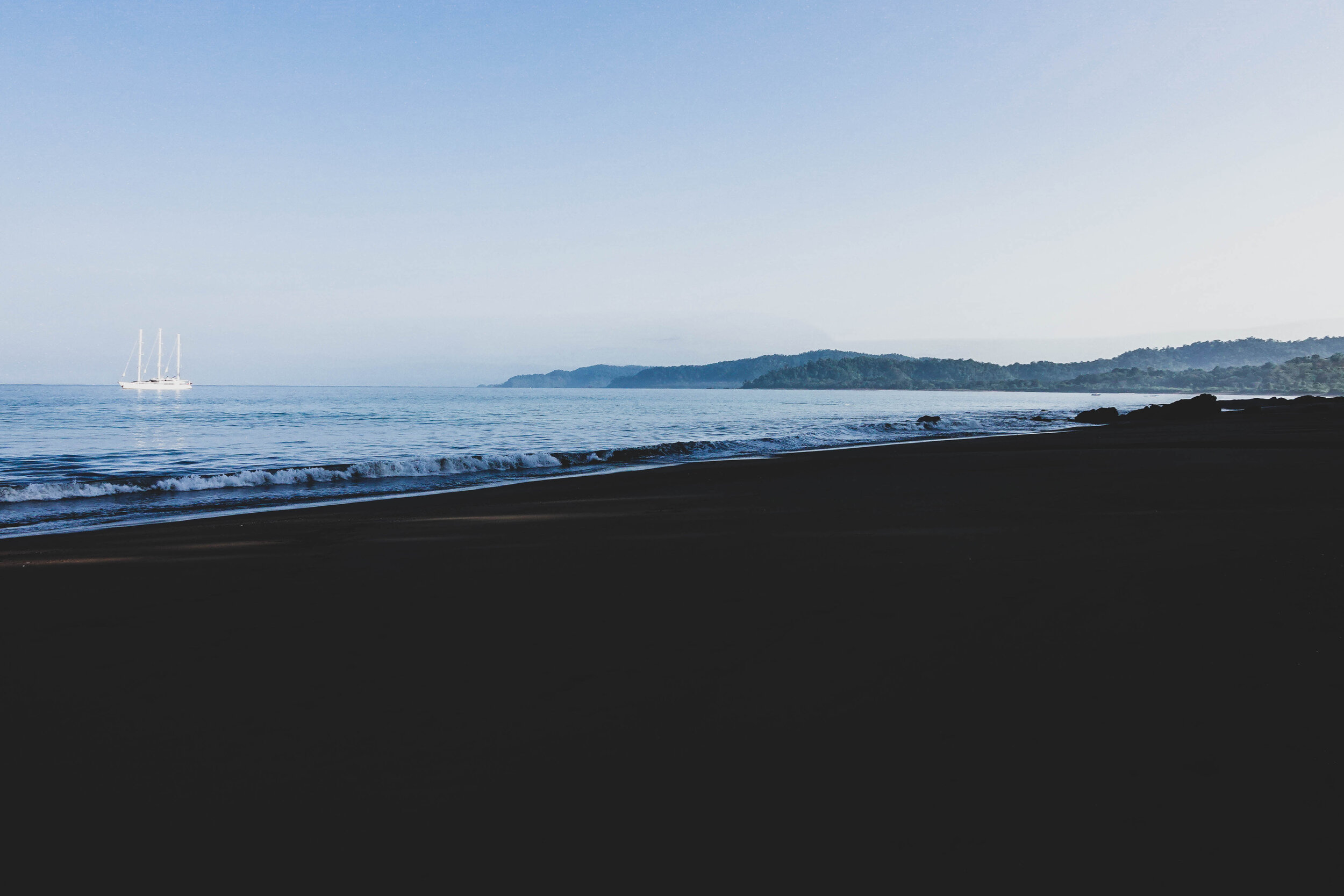
The next morning was crystal clear.
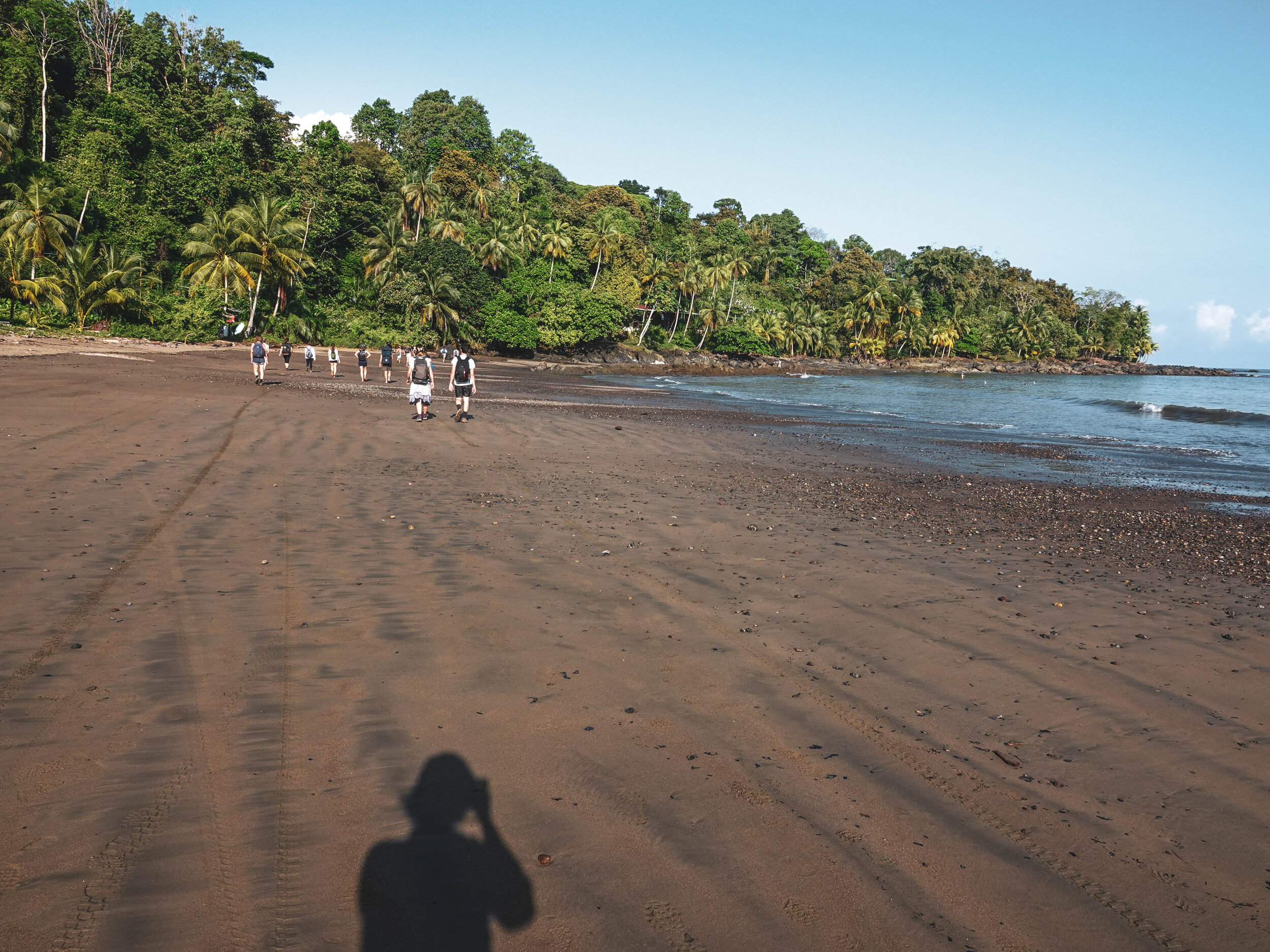
The sun was already (too) hot early in the morning. Luckily, most of the trail to our final destination—San Josecito Beach—was shaded by parks and forest.
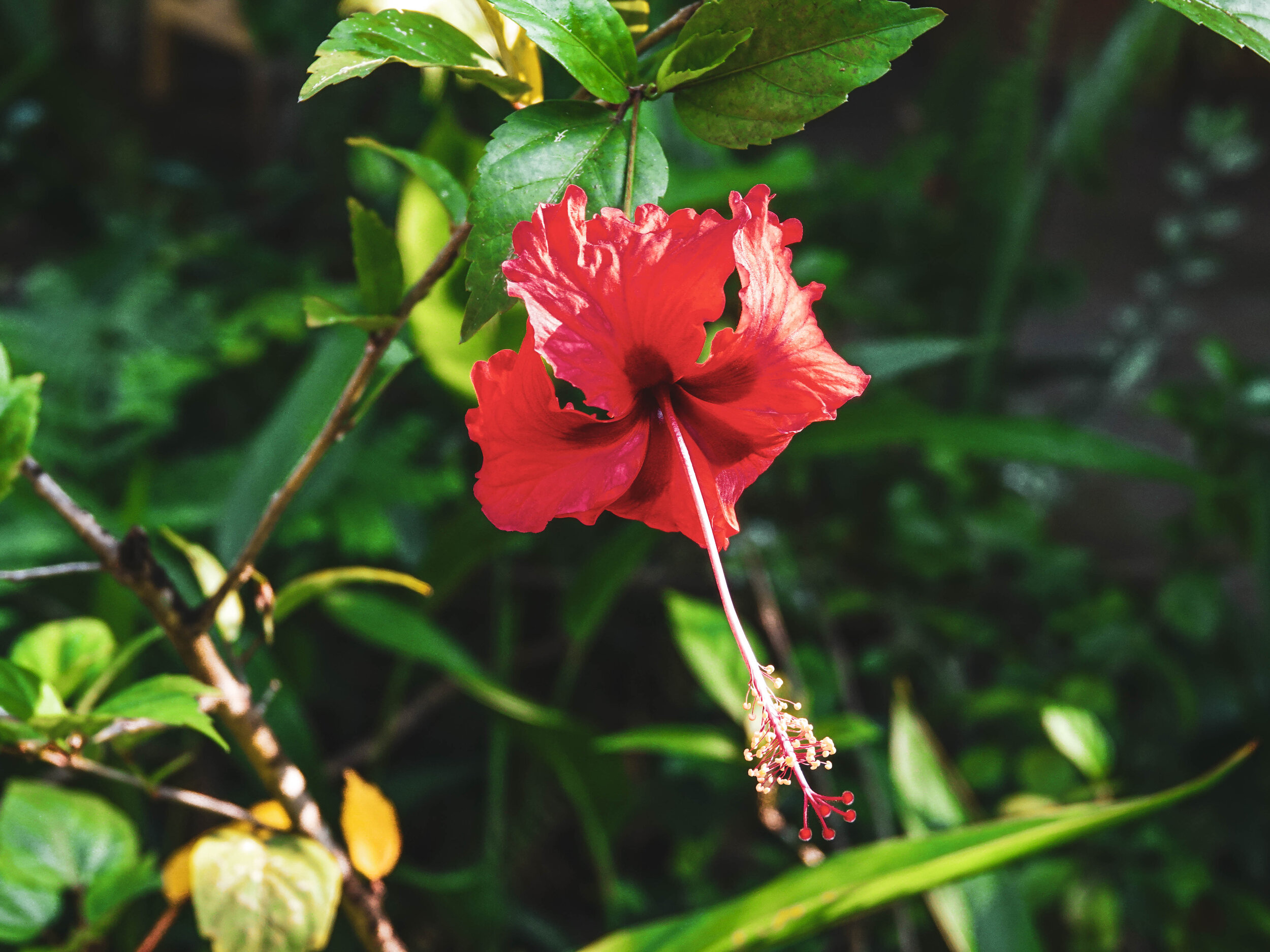
Hibiscus
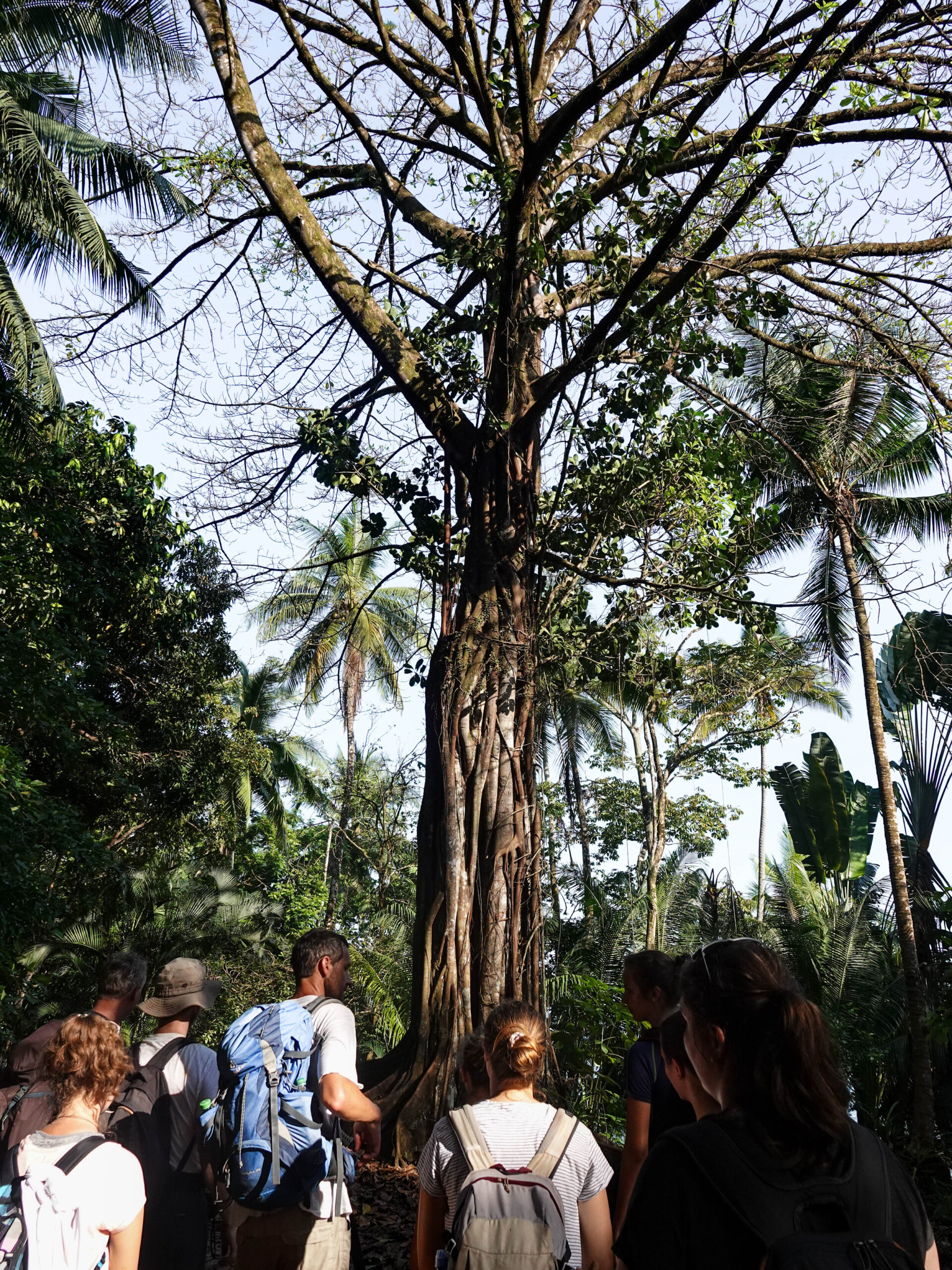
Every now and then, we stopped to listen to our professor’s (top left in the photo) explanations about various plant species.
Another basilisk! Young ones are famous for running on water using their tail as a counterbalance.
Watch the video below to see this incredible skill in action!
Howler monkeys watched us from the treetops. Something for our filming crew!
They weren't too happy with our presence. You can see all 5 (not 4) fingers in the picture. 😉
What may seem like a damaged palm tree can be much more than that – the bats there use their teeth and claws to fold the leaves into a sleeping shelter. Every time I saw leaves like that, I checked to see if “anyone was home.” There was no one.
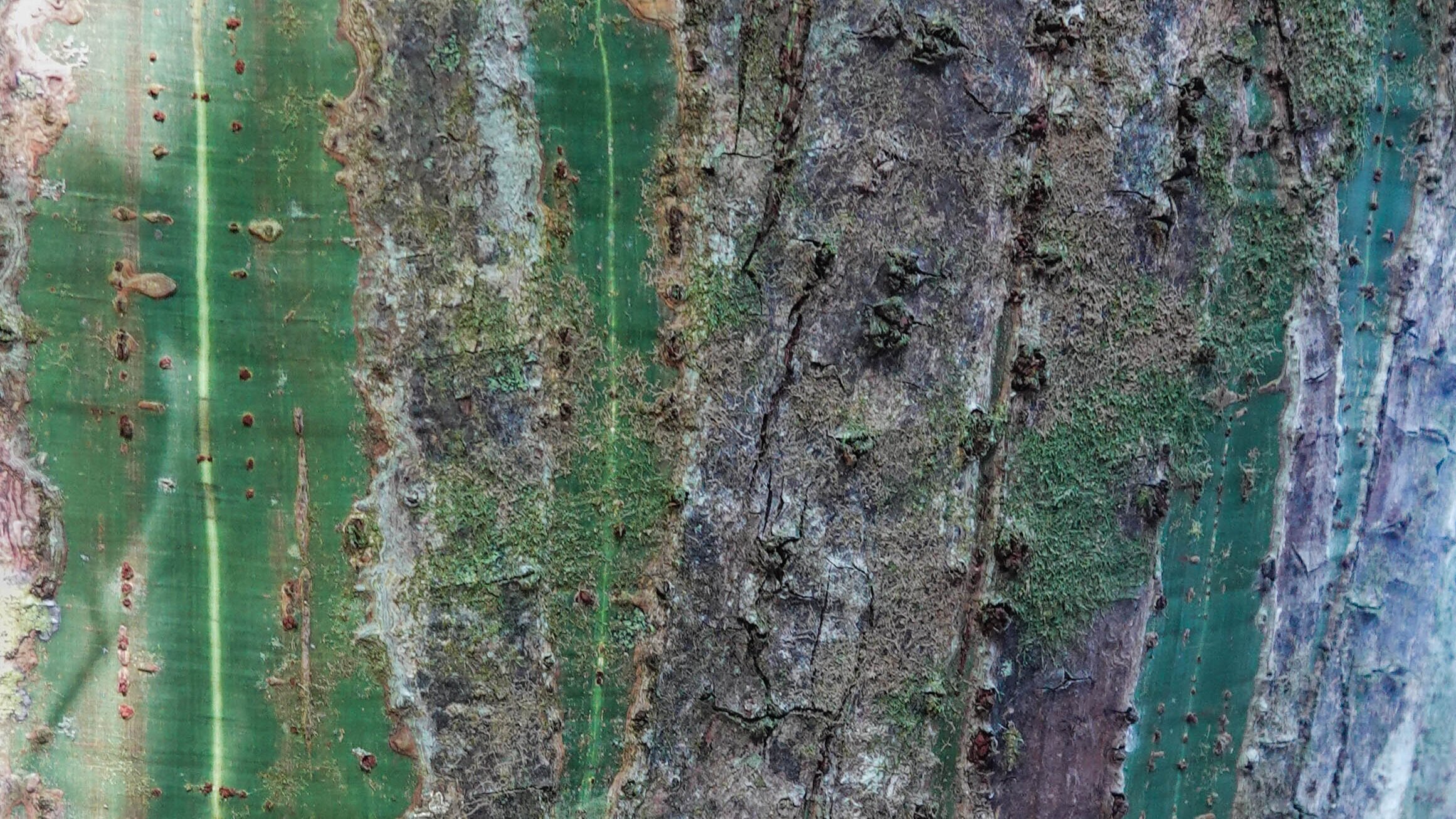
A tree with green bark? Instead of being covered in dead cells like most trees, this one has photosynthetic tissue (hence the green colour), allowing it to produce food directly. Likely an adaptation to the fierce competition for sunlight in dense forests.
There were many such views along the way.
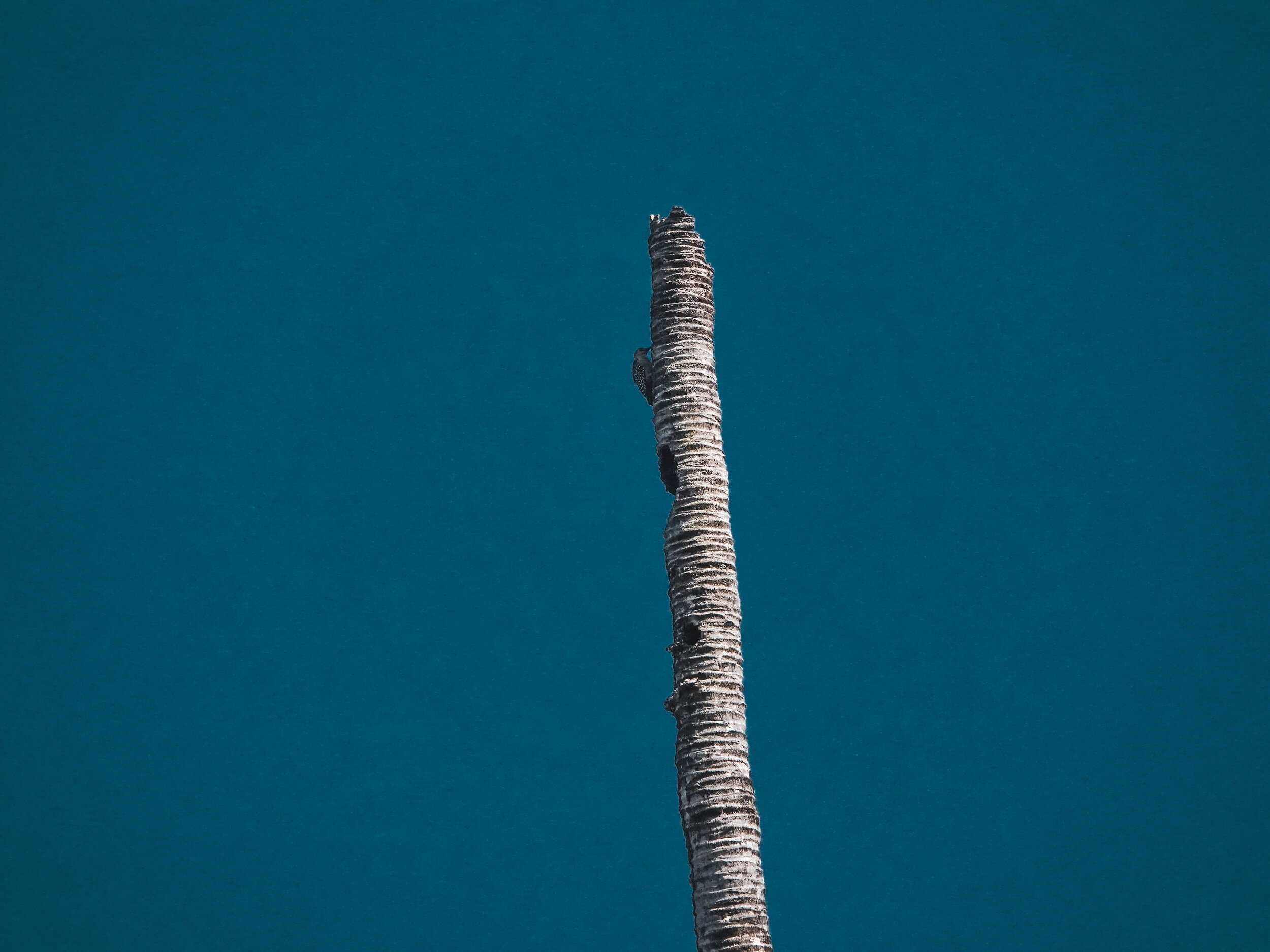
Hoffman’s woodpecker with a bright red "cap".
It was really nice here. Right by the coast...
Shortly before our final destination, we stopped near the shore, where most of us had gone swimming in the nearby river. While waiting for the others to come out of the water, the thieves called out:
Luckily, a local dog joined me, and we prevented them from stealing our lunch or anything else we had packed in our bags.
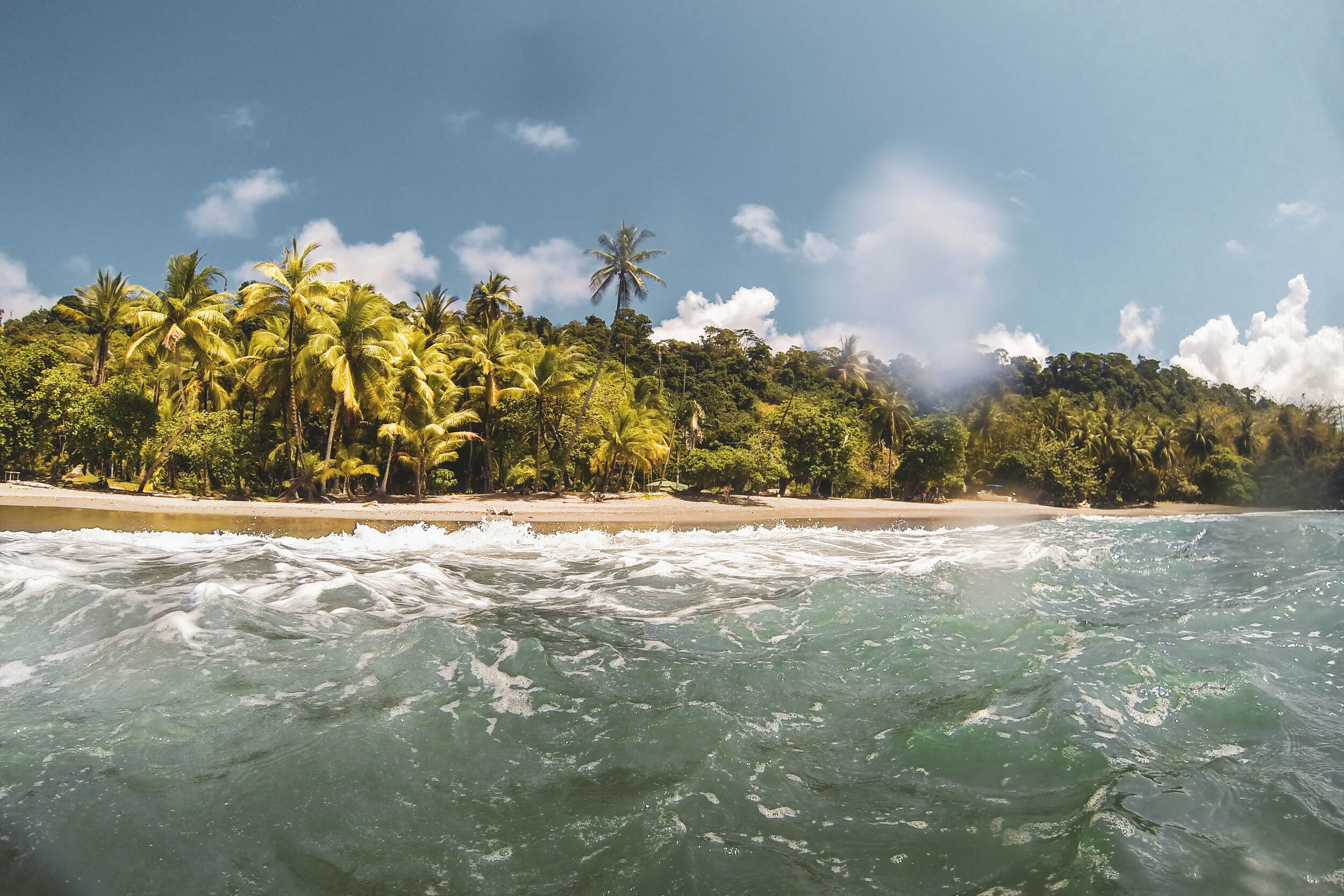
And finally—San Josecito Beach!
We had planned to snorkel around the coral reefs, but rough seas and murky water changed our plans. So, we simply admired the view instead.
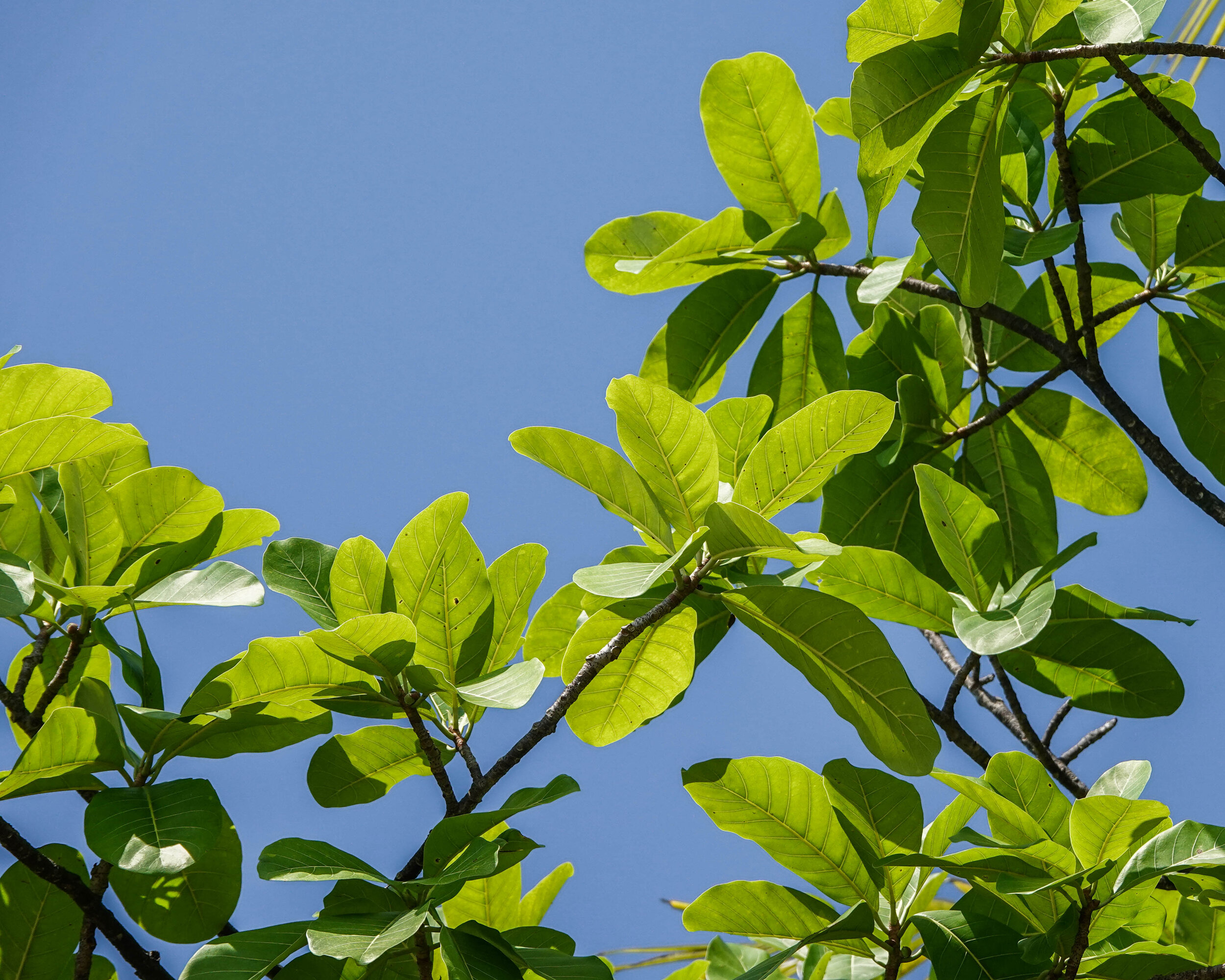
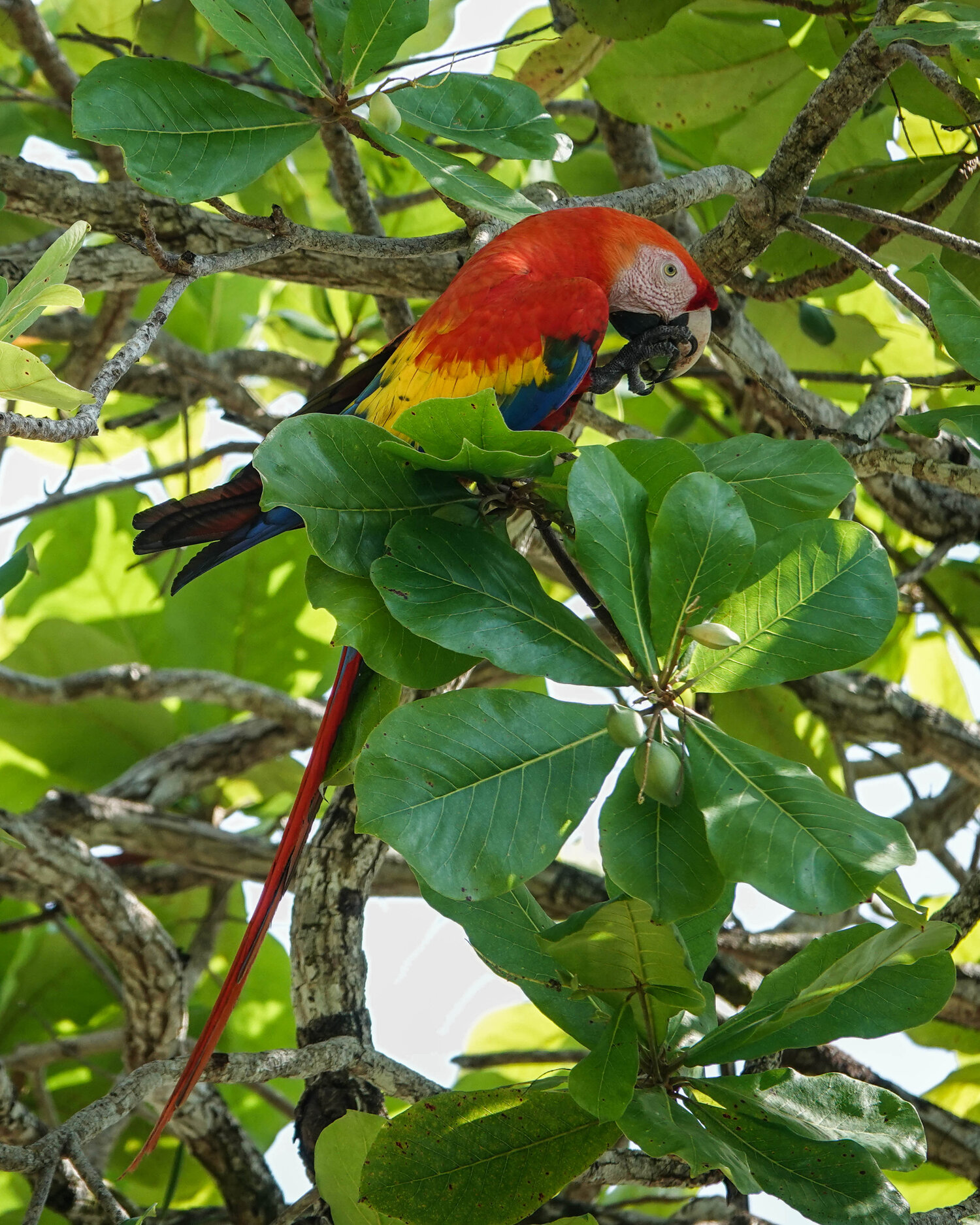
The cameramen from the national television wanted to film the macaws. And they came! They are always in pairs and love the fruits of the sea almond tree, which is where they landed.
We concluded our two-day exploration by observing these colorful birds. Below are some snapshots from these two days.
In the video, you can see a crocodile approaching a pelican that was still present at the time, a falling Geoffroy’s spider monkey with her cub (happy ending), one of the thousands of crabs that moved along the beach, a macaw spinning a nut in its beak, a tapir wiggling its ears and more.
Thanks for coming by, and I hope there was something new for you too. If you have any questions, you can always write to me.