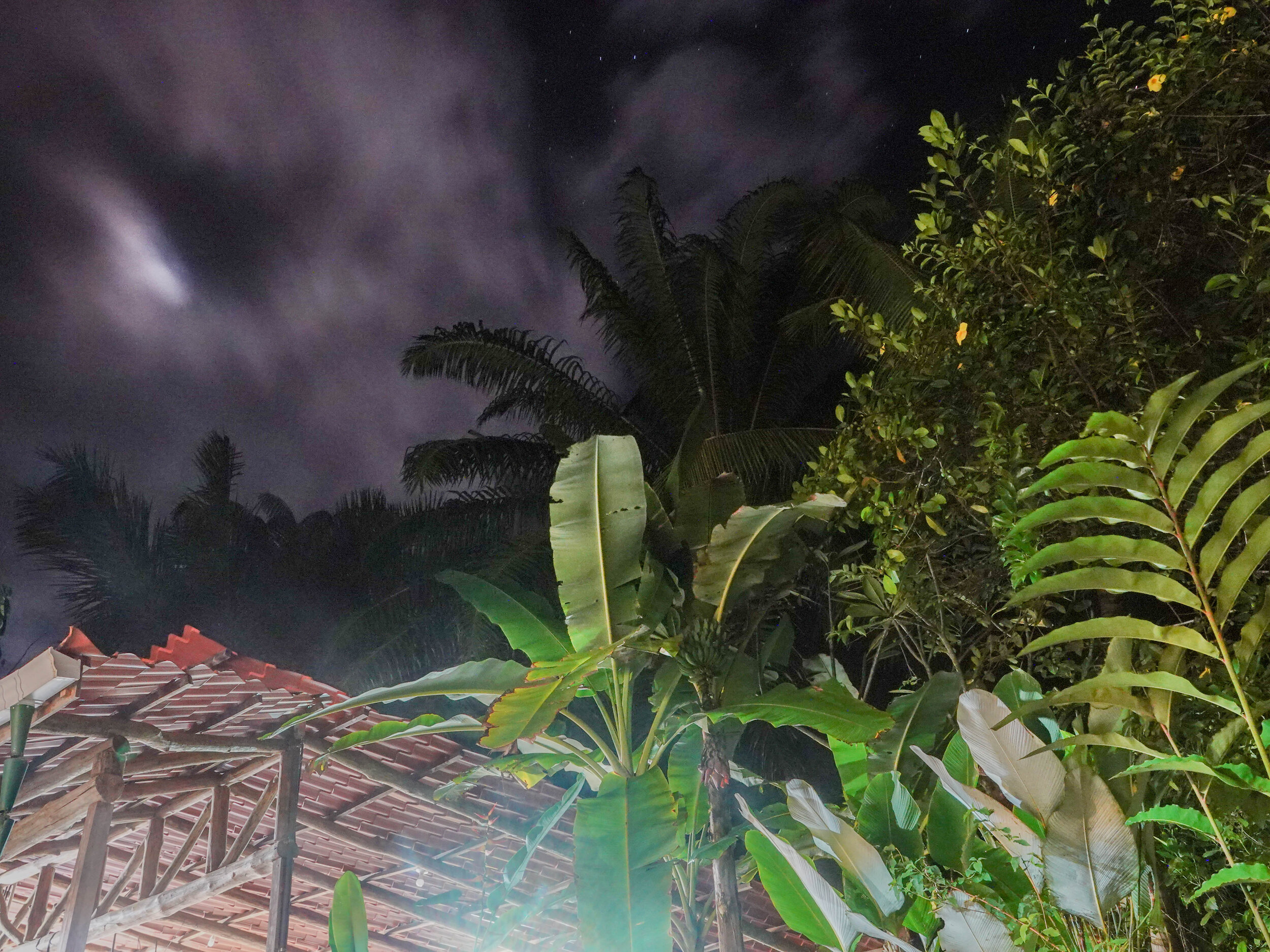
During our stay at the research station, we took advantage of the evenings to observe nocturnal animals.
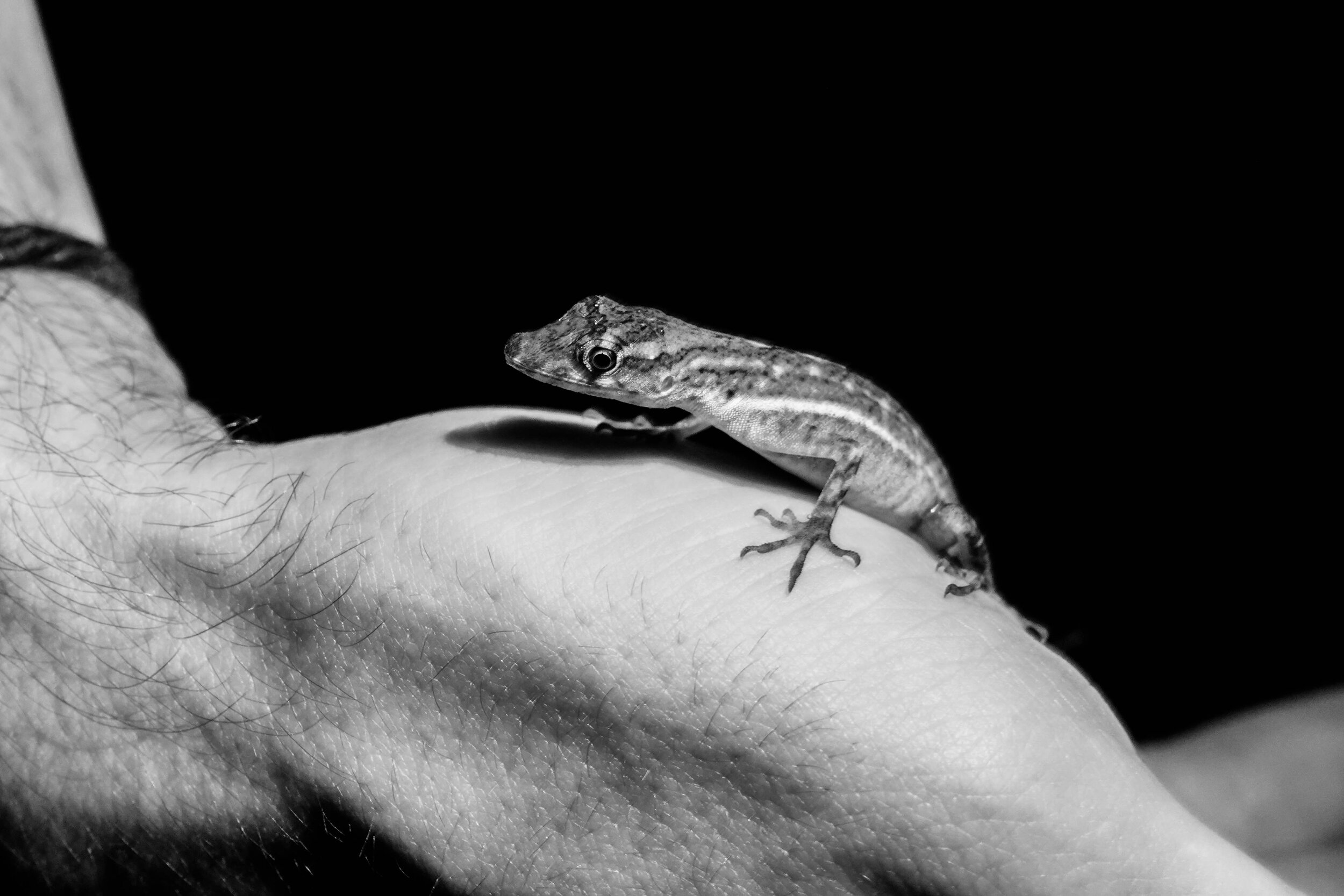
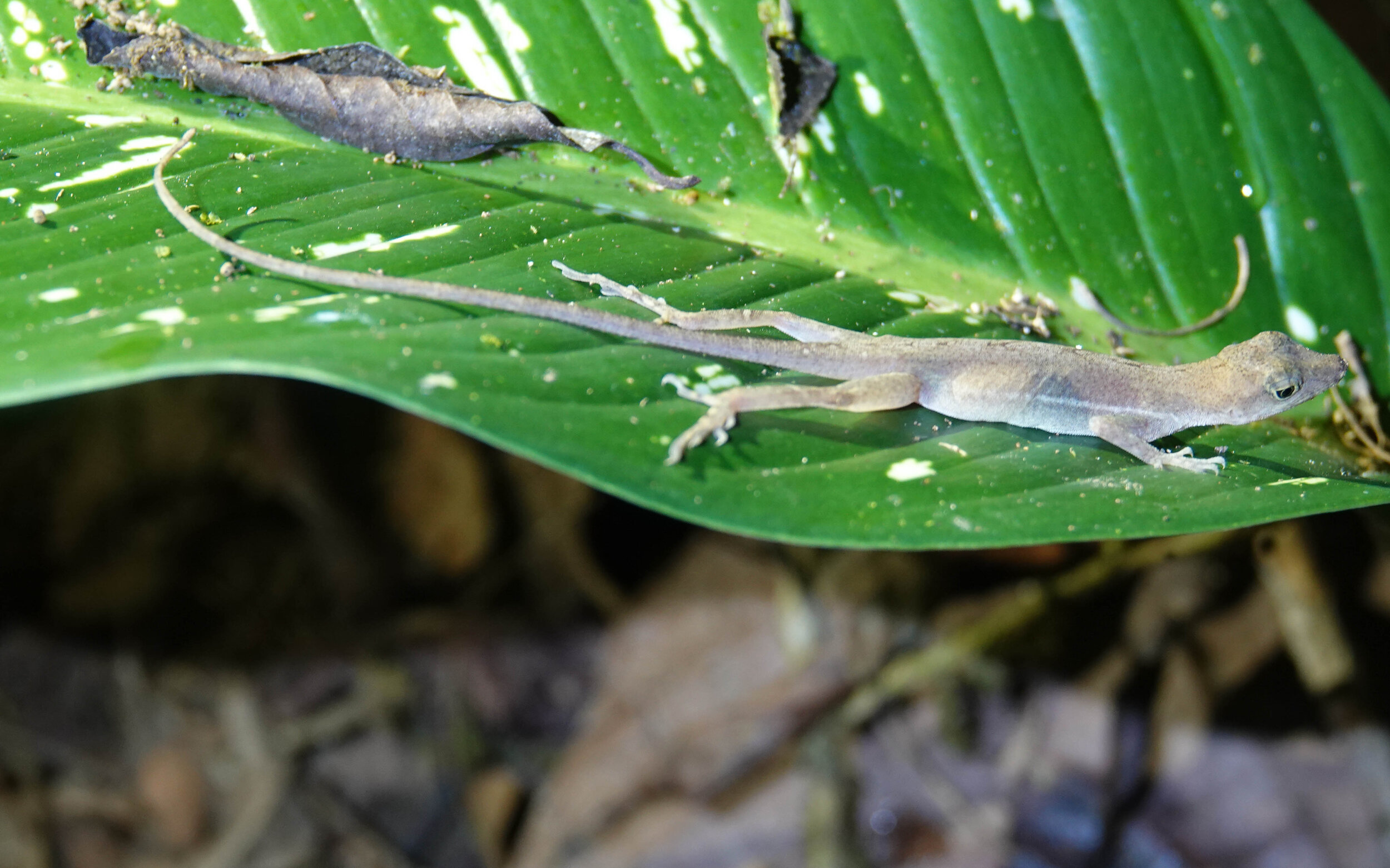
On the very first night, I was surprised by the numerous lizards climbing the walls of our huts. And occasionally, our hands…
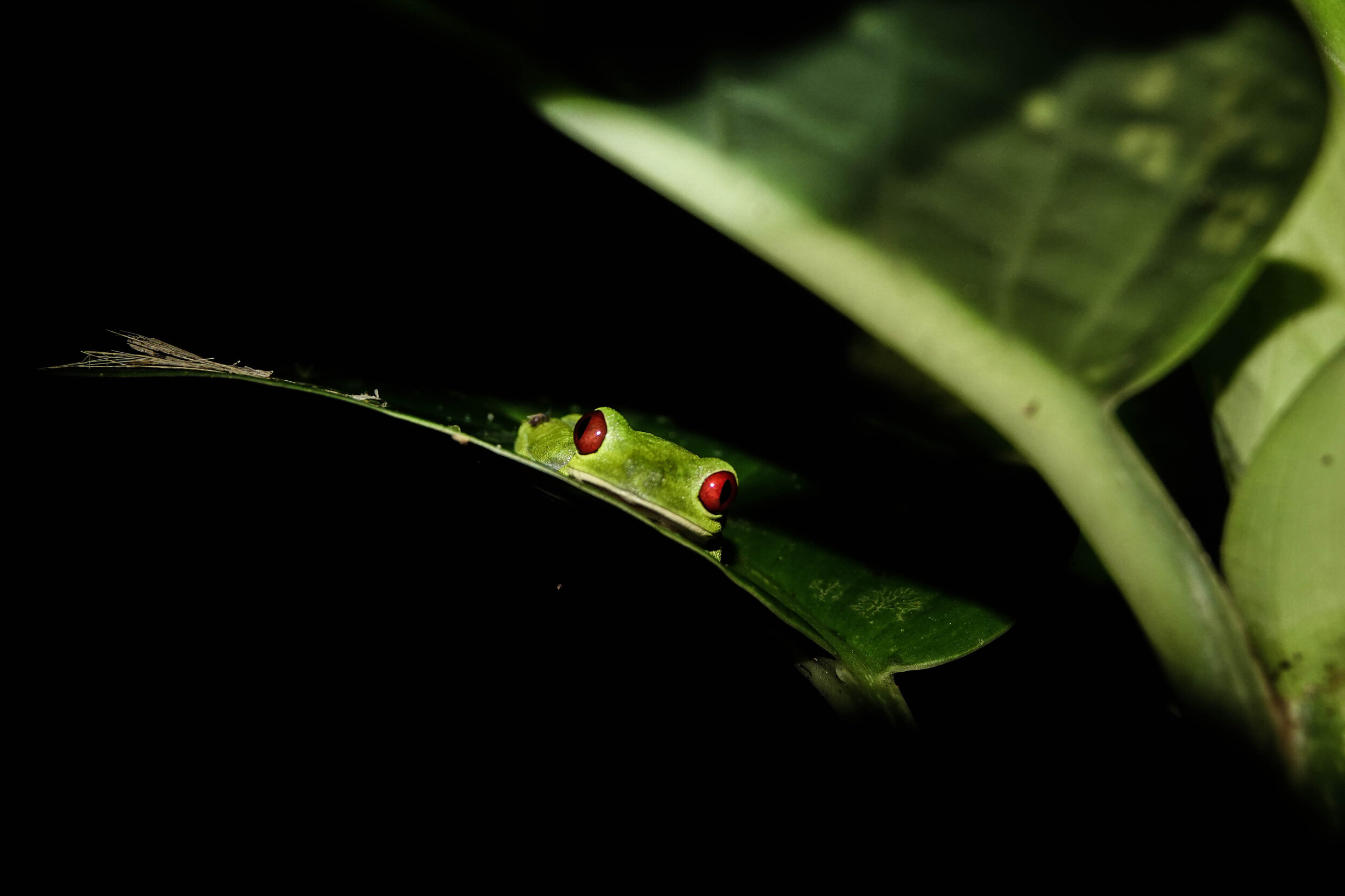
Costa Rica is home to around 200 species of amphibians, the most famous being this one:
Red-eyed tree frog – Agalychnis callidryas
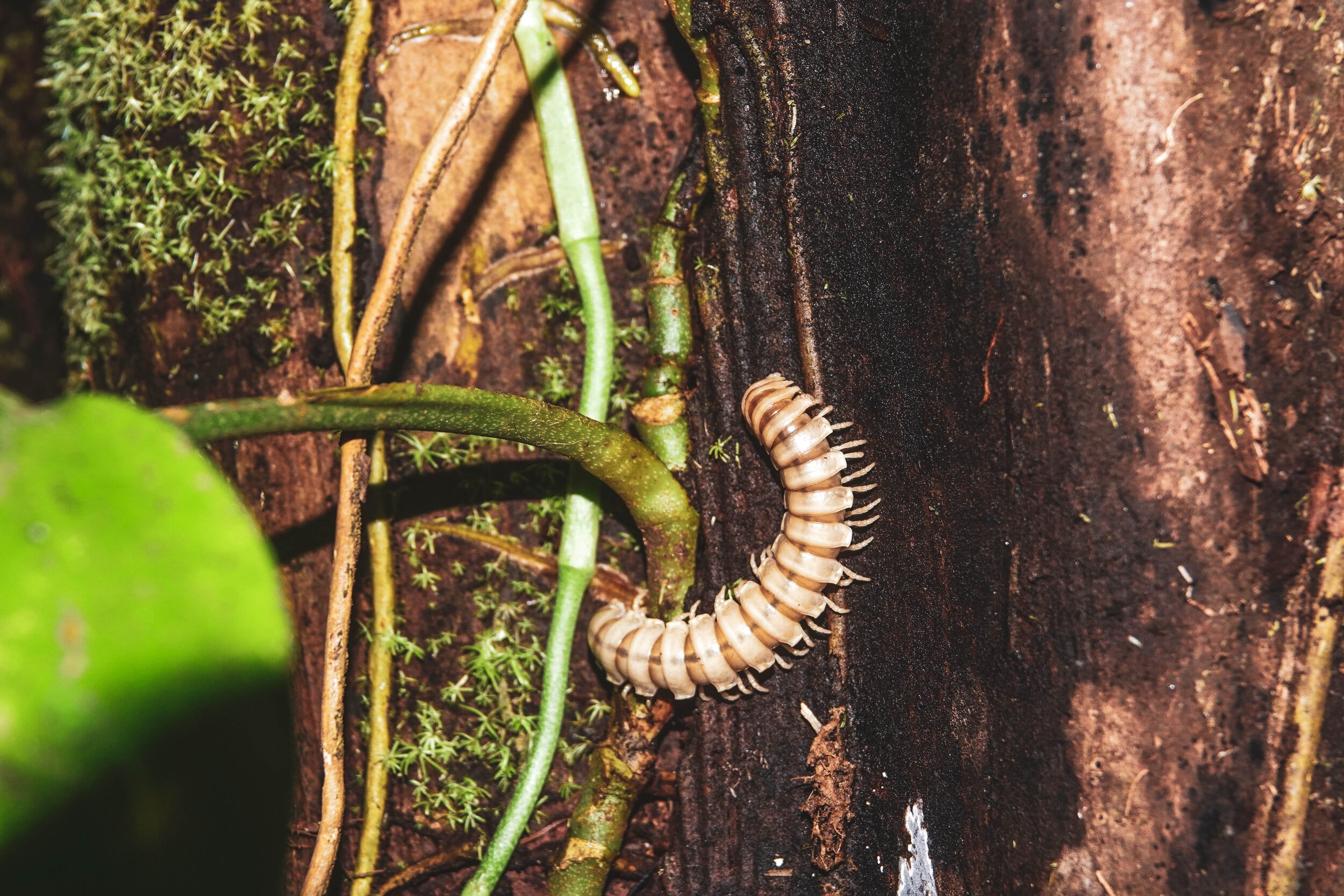
Our night excursions took place in the immediate vicinity of the La Gamba research station, where we encountered all sorts of animals—including the less glamorous millipedes.
You can recognize them by their two pairs of legs per body segment.
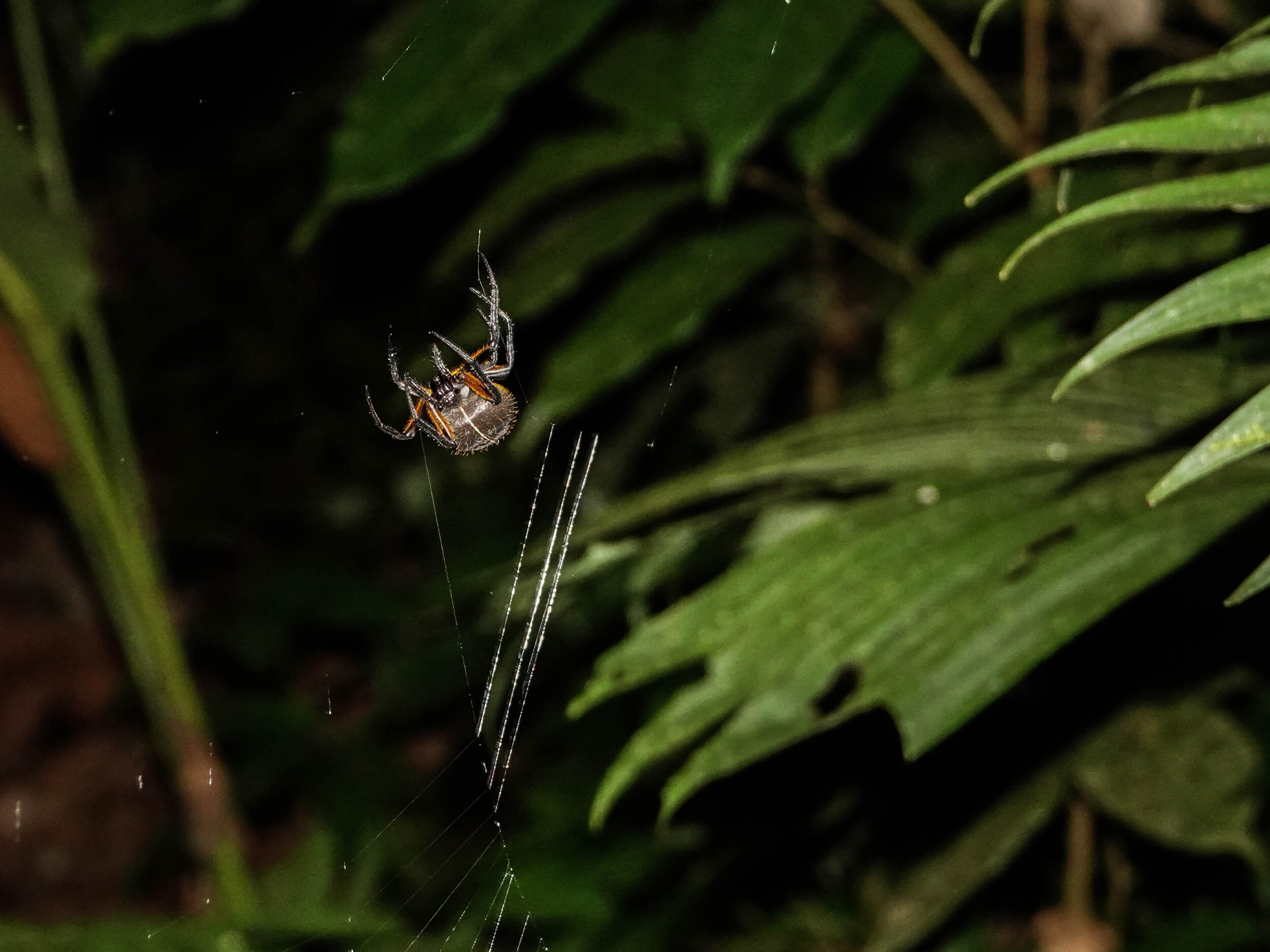
We were constantly warned about dangerous, venomous creatures, which Costa Rica is supposedly full of. But in reality, venomous animals are there, yes, but as long as you spot them and don’t provoke them, they won’t act aggressively. You can even get up close for a photo…
I don’t know its exact name. Perhaps a species from the Eriophora genus.
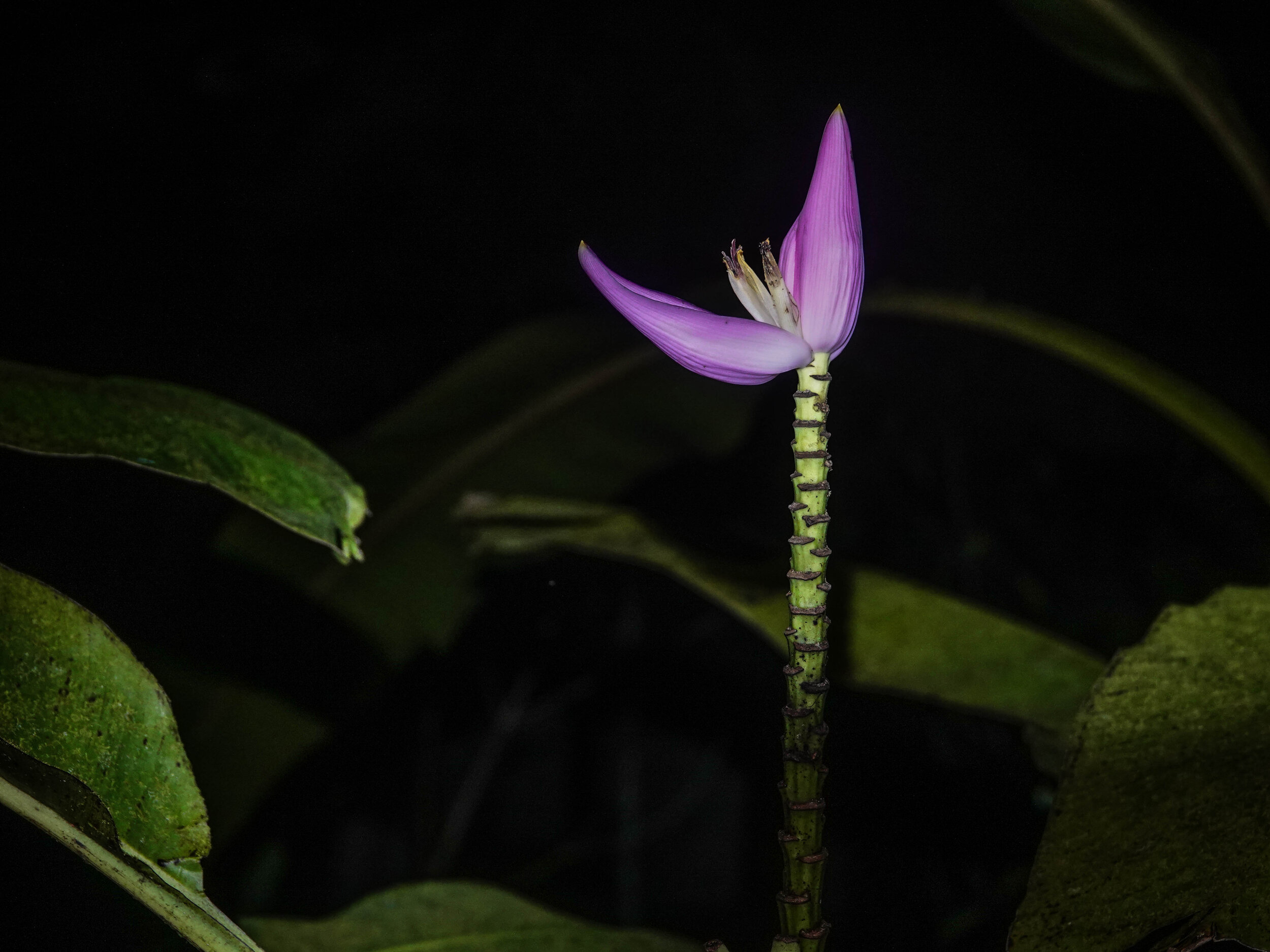
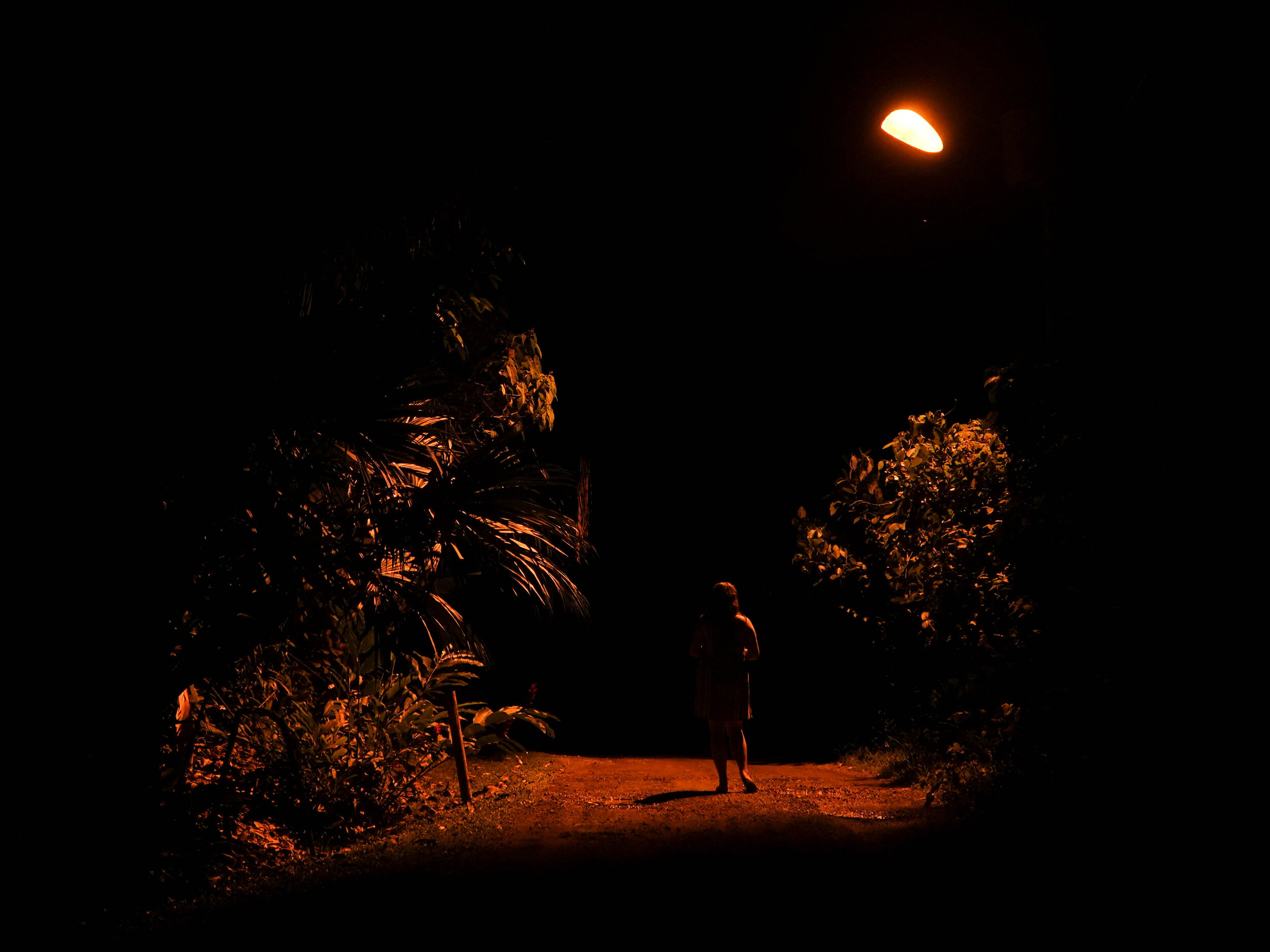
After dinner, we often took a walk through the garden, which took on new colours, sounds, and shapes in the dark.
Of course, good headlamps were essential for proper observation.
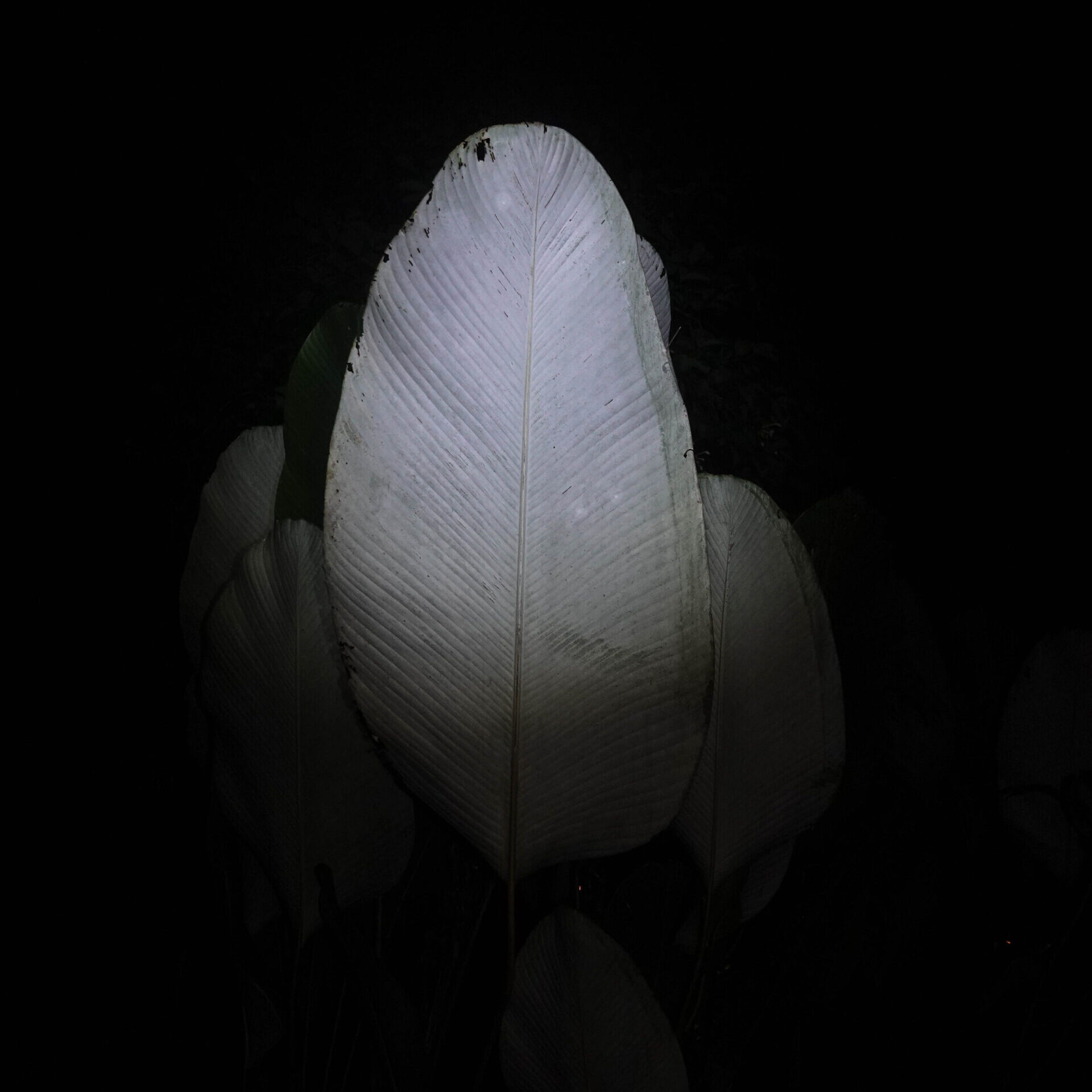
What seems clearly visible during the day, is anything but at night…
There was one large pond (with a caiman) and several smaller ones in the garden. By one of them, among some tall plants, we spotted at least one red-eyed frog with vertical pupils every evening.
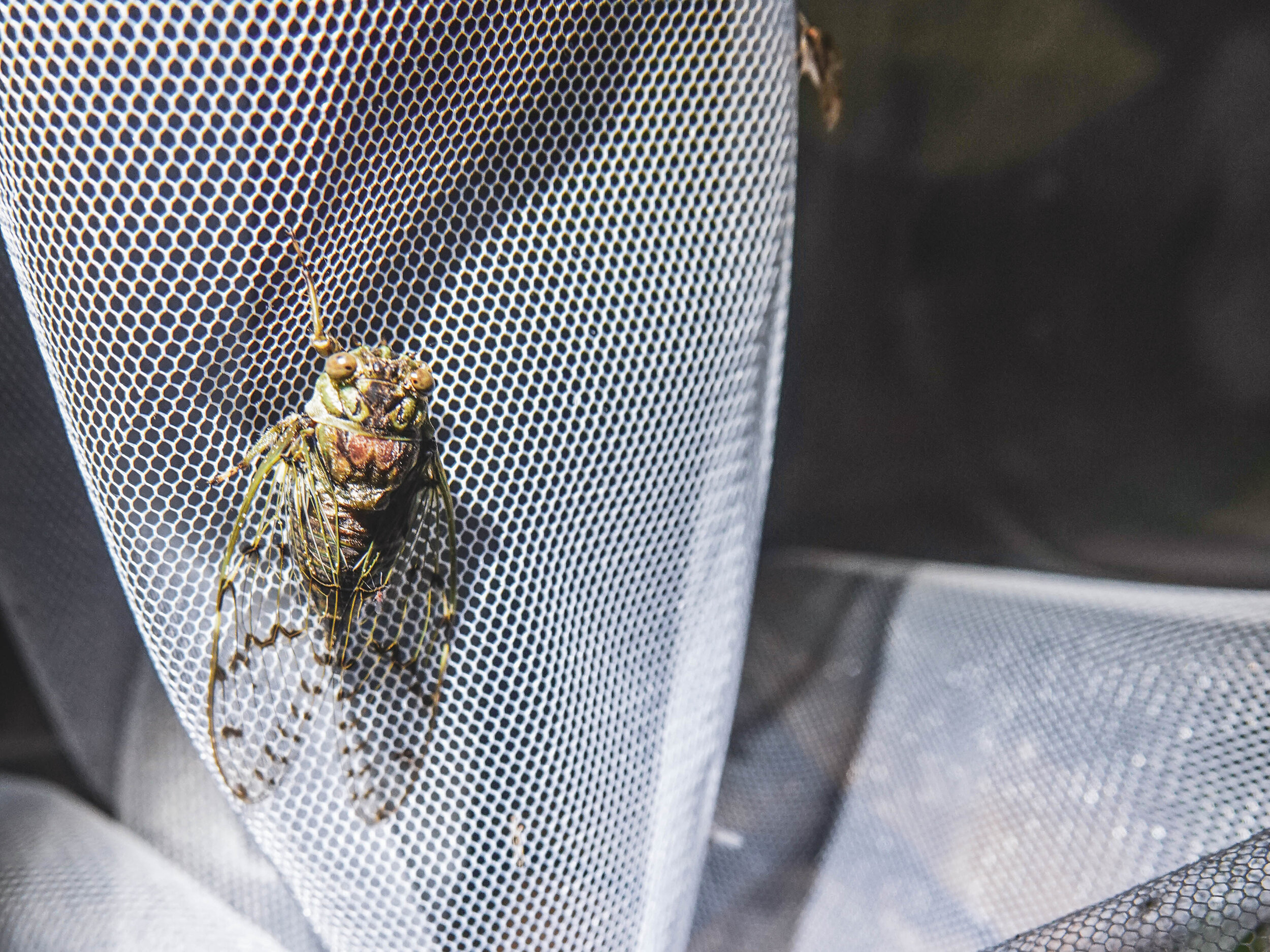
The night walks were truly magical. Also because, by then, the constant daytime noise of insects had finally died down—especially cicadas, which, after singing in a million-strong orchestra all day, switched to crashing into lights, computer screens, and walls at night, only to fall unconscious to the ground, get up, crash again, and repeat… Until dawn, when a new cycle began.
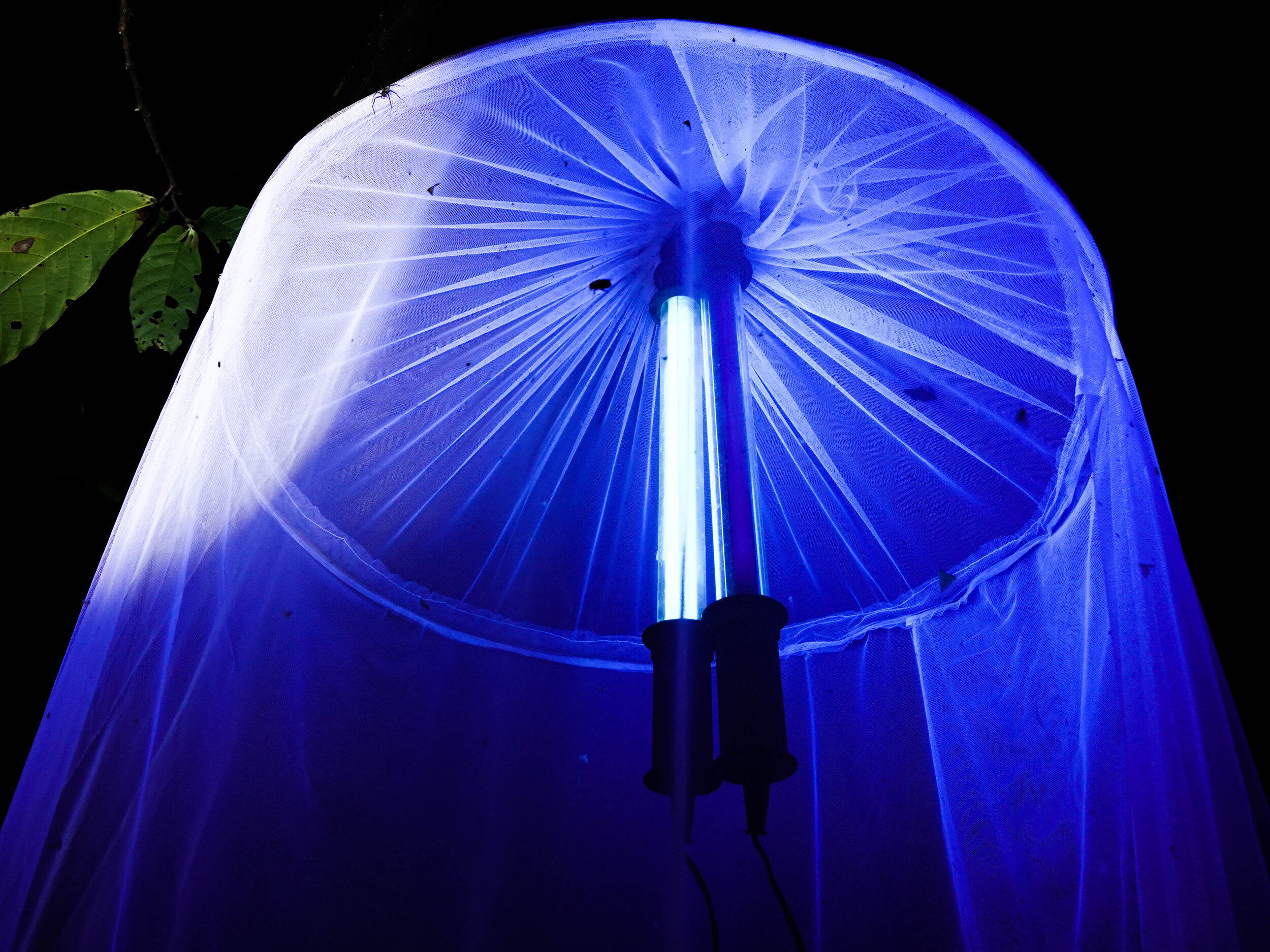
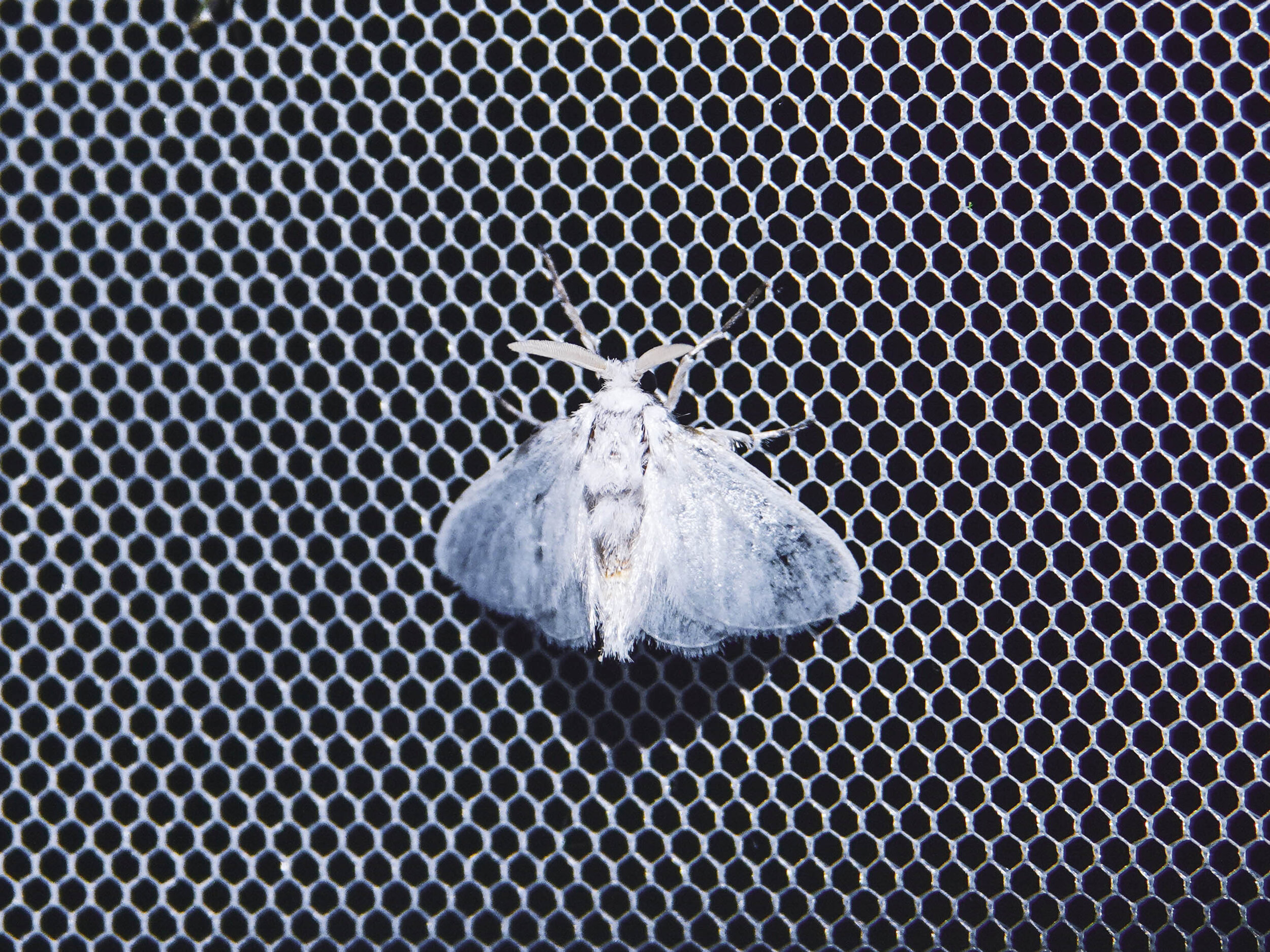
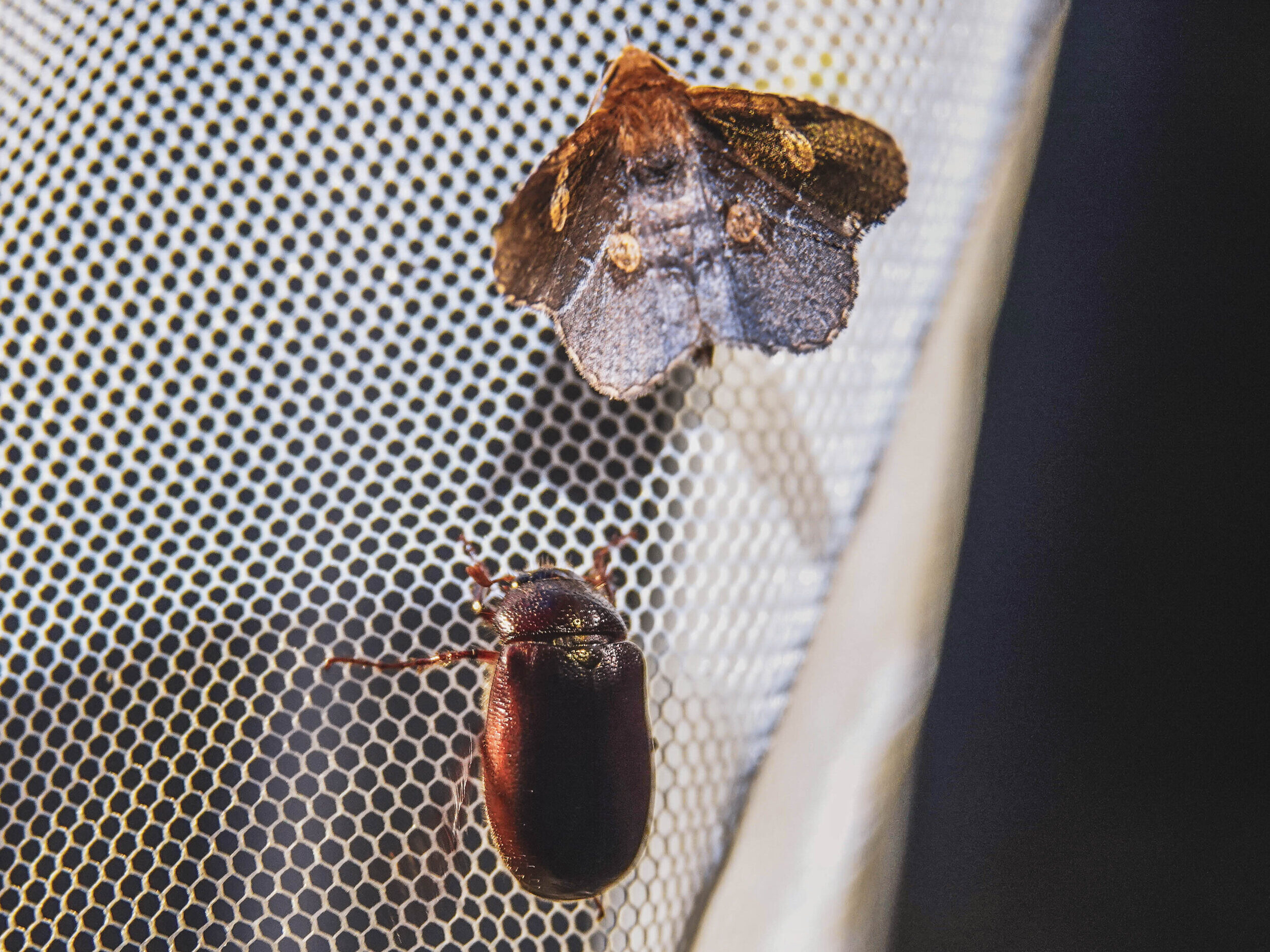
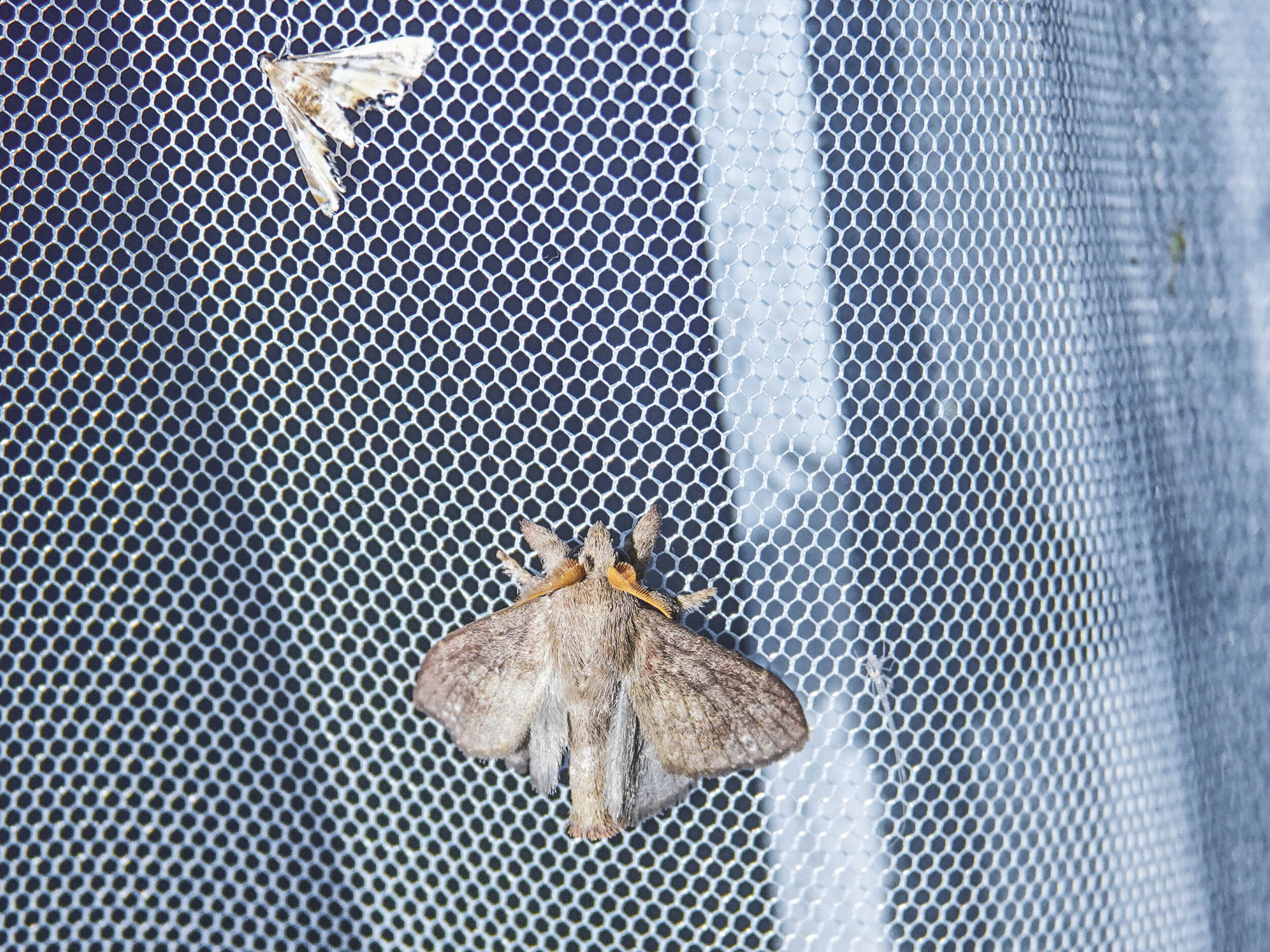
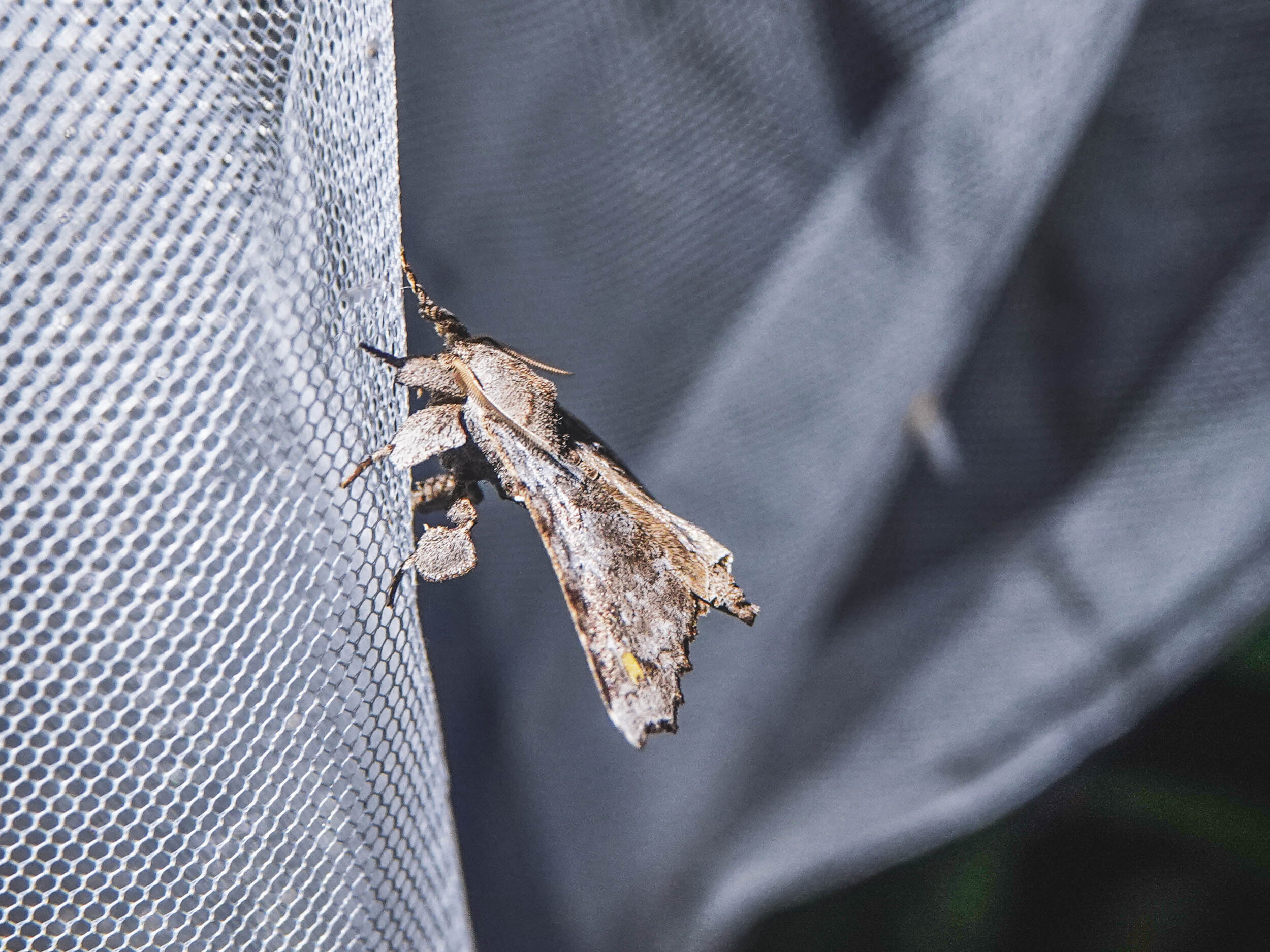
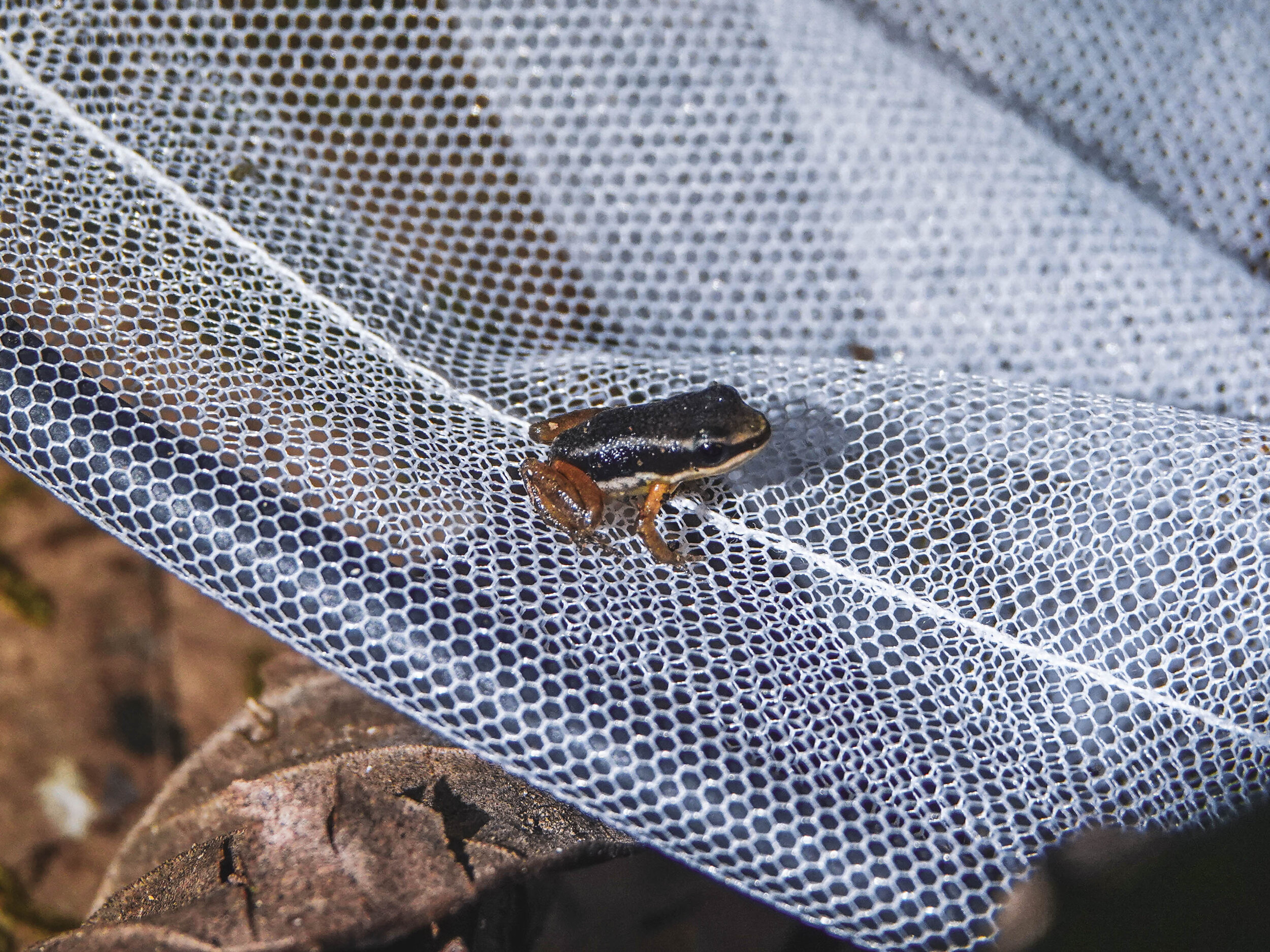
For several consecutive nights, we set up light traps—two bulbs with different wavelengths, surrounded by a circular frame covered in fine mesh. By 10 PM, nocturnal insects had begun to gather.
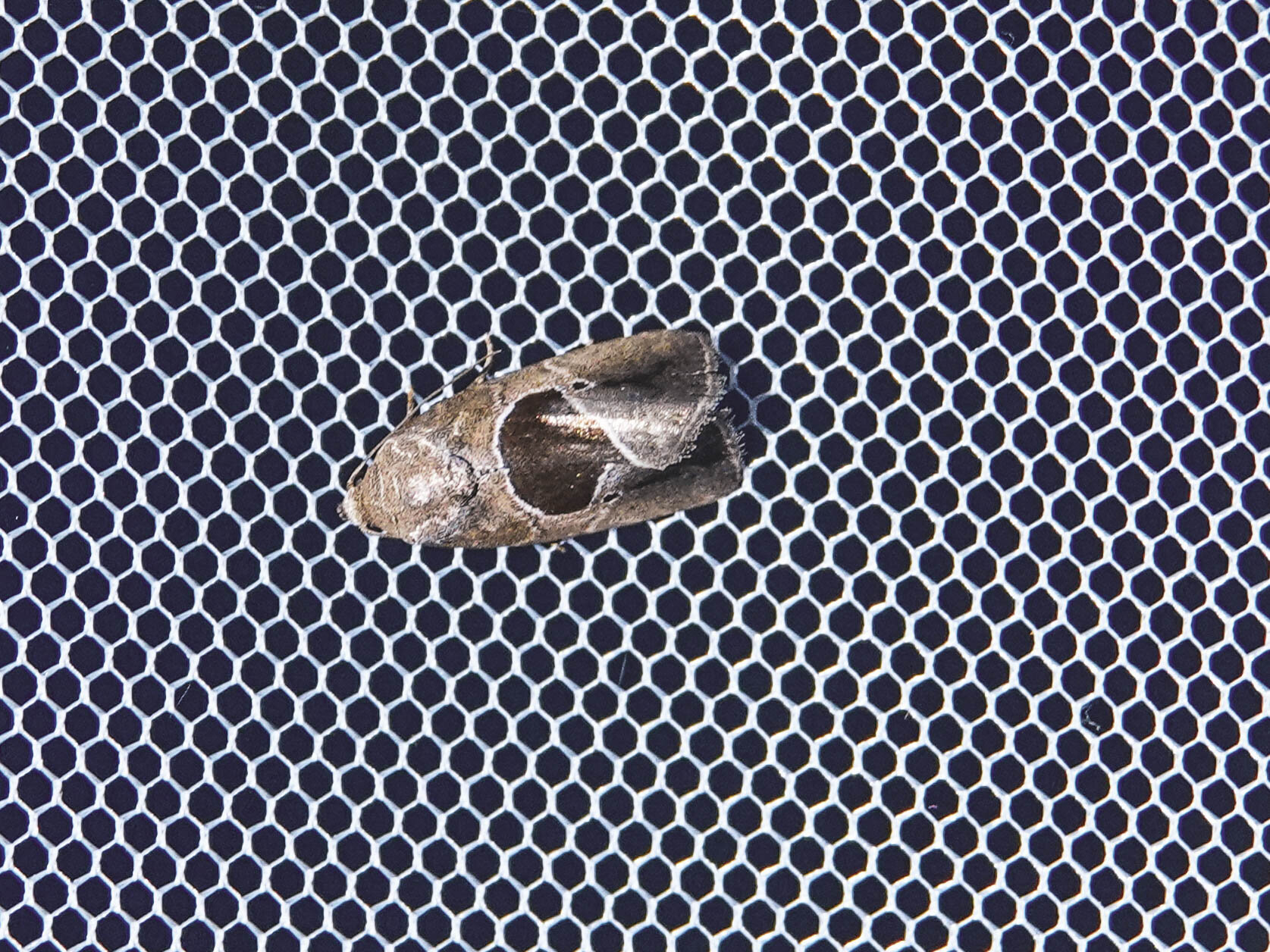
Among the most fascinating were certainly the many species of moths, whose shapes and colour patterns were genius adaptations to their environment—imitating bark, leaves, and more. Below, you can see some examples—to give you an idea of what I mean.
Costa Rica has an enormous number of recorded moth species, some of which look absolutely unreal. The professional photographer Armin Dett visited Costa Rica multiple times and photographed every (living) moth species in the country’s tropical rainforests. He carefully cut them out from their backgrounds and compiled the images into a book that left me flipping through the pages with my mouth open—absolutely stunning photos! The book is titled Moths of Costa Rica’s Rainforest.
Sometimes, a gecko would show up nearby—an especially fascinating creature because you can see all its internal organs through its almost transparent skin!
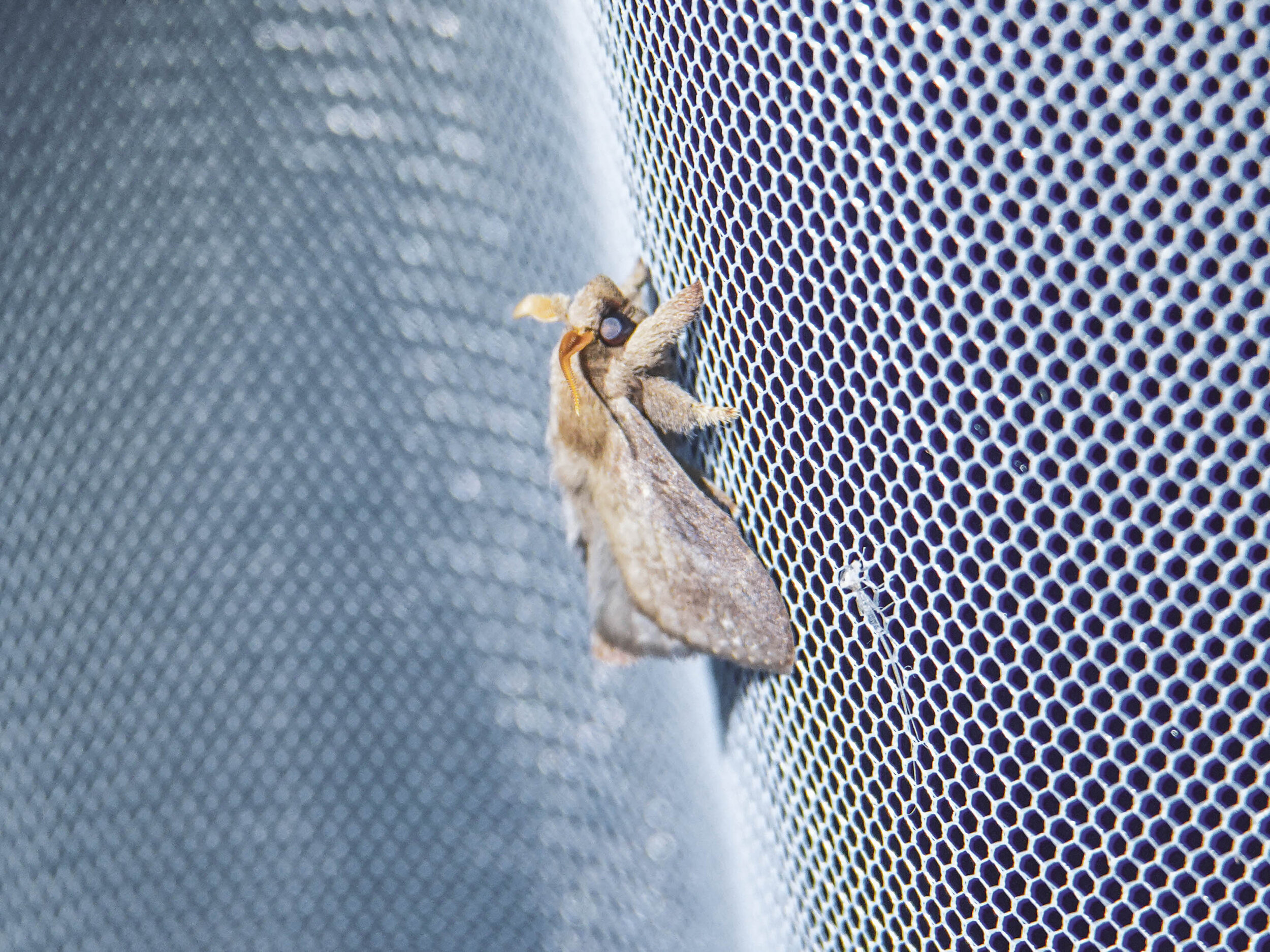
This one is one of my favourites. Why?
Because it’s fluffy! 😀
#1: a crashing cicada
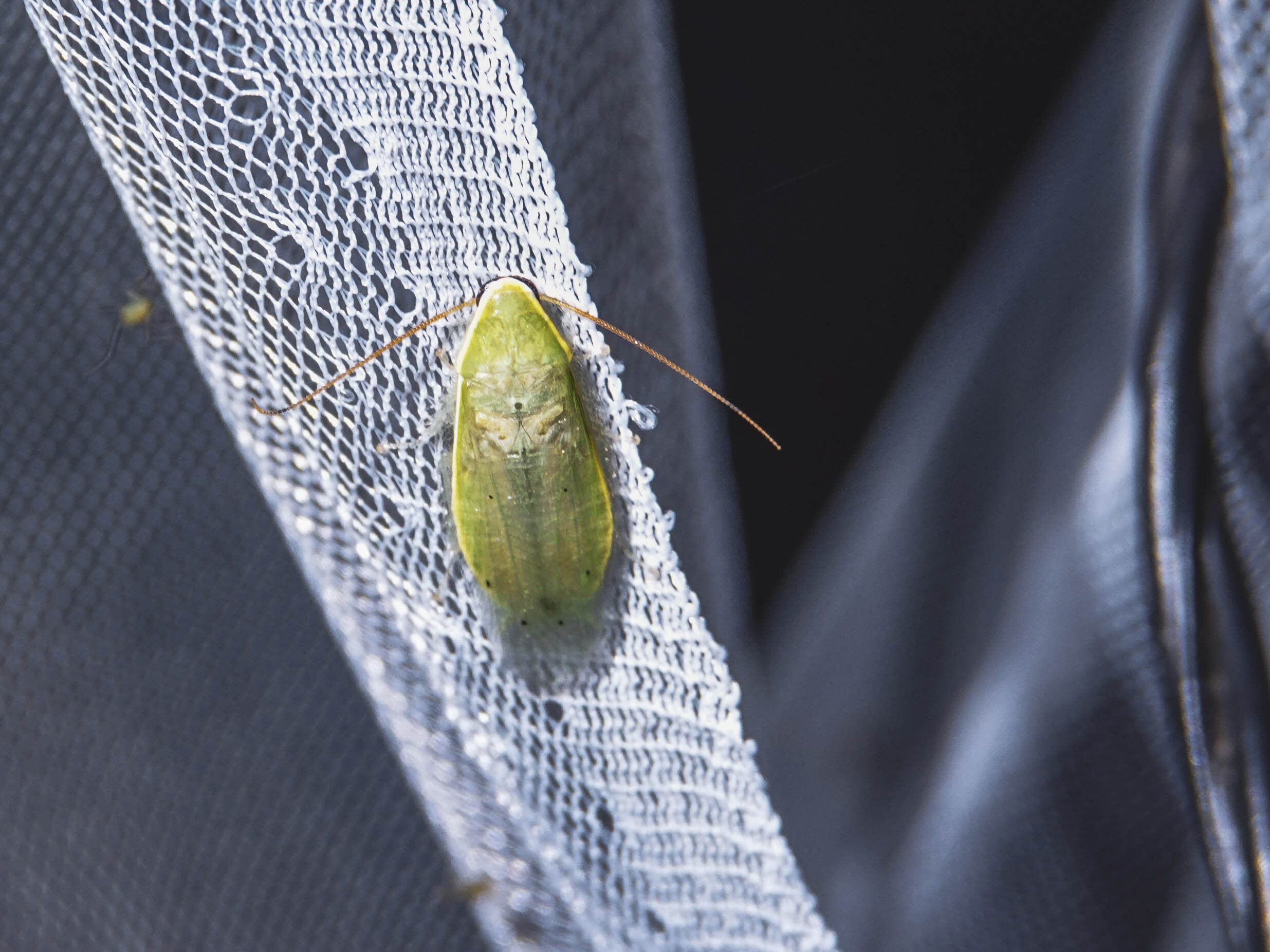
#2: another uninvited guest on the insect net
This one completely won me over—its funny appearance earned it the nickname…
… Pokémon. It could just as easily be something else entirely (definitely not a moth).
As I mentioned earlier, nocturnal insects only started gathering in greater numbers after 10 p.m., when it was completely dark (sunset was at 6 p.m.) and the garden was empty. If you came here alone, the experience was… intriguing. Especially with the stream nearby, where we had already seen all sorts of things…
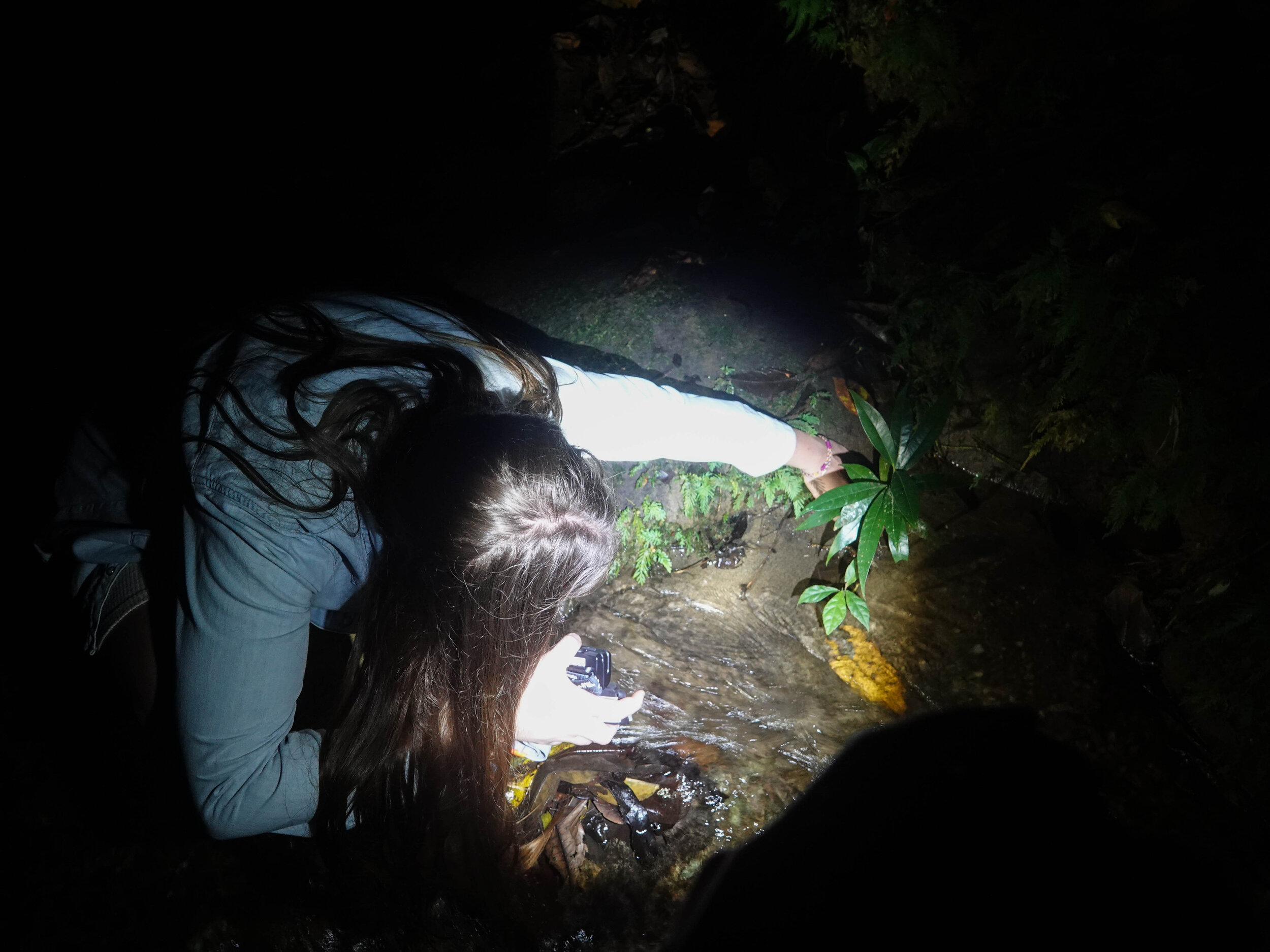
One evening, Lara and I weren’t too tired from the day’s activities, so we decided to explore the life around the nearby stream.
We walked very slowly and spotted a few frogs. The one above is one of the most common species in lowland tropical forests. Thanks to its camouflage, it blends in perfectly with its surroundings, so the best way to find it is by following its call or catching a glimpse of it mid-jump.
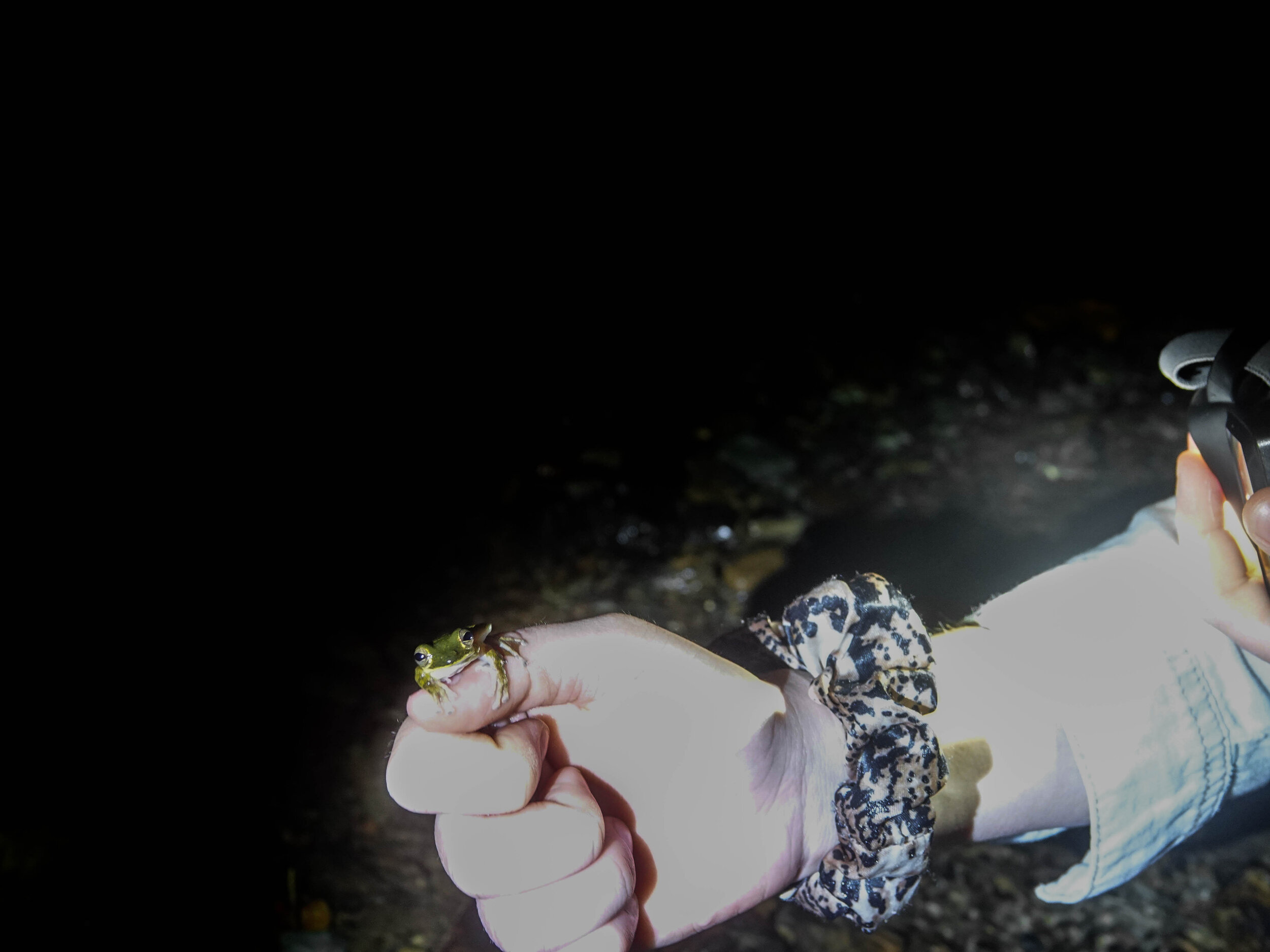
The second was much smaller—a glass frog, named for its glossy, "polished" appearance.
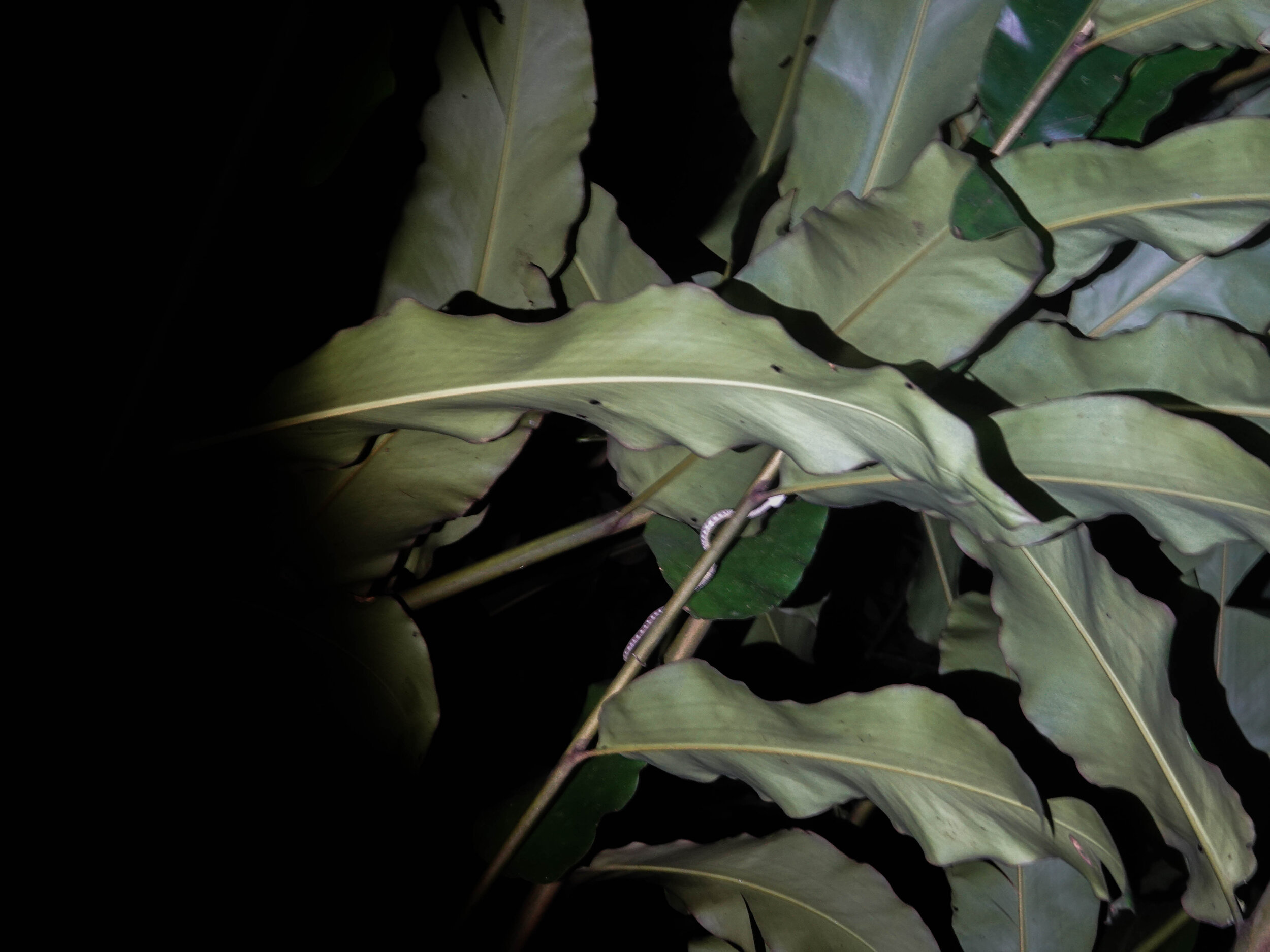
A little disappointed by our modest nighttime “findings,” we were about to leave the water when I glanced up and noticed something moving on a tree—a snake!
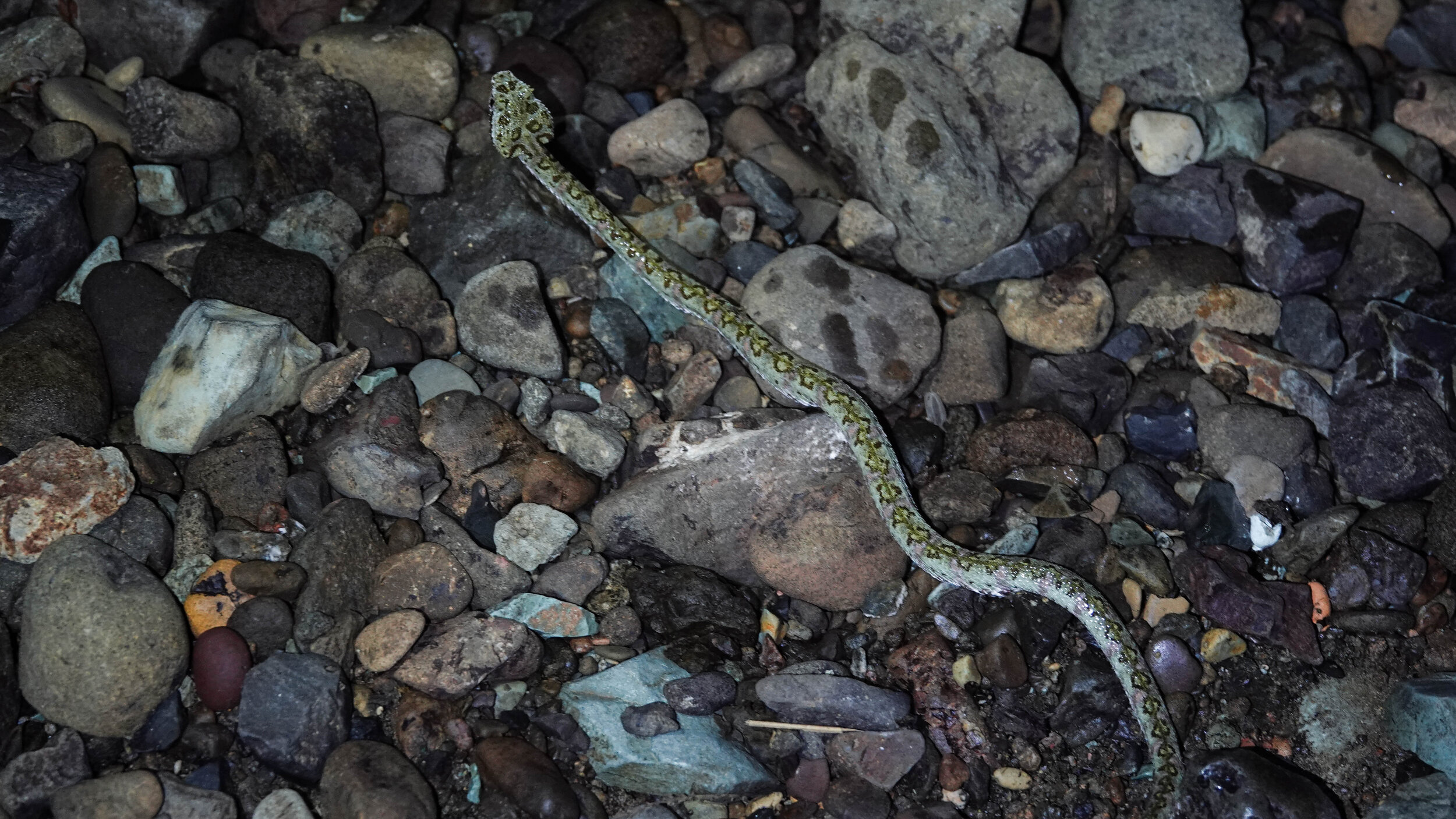
From a distance, we immediately recognised its triangular-shaped head—a classic warning sign that the snake is venomous and best avoided. As it turned out, we were able to observe it up close. It was a stunning snake—with eyelash-like scales above its eyes and an intricate pattern along its body.
It was an eyelash viper (Bothriechis schlegelii), often called Costa Rica’s most beautiful snake. Interestingly, individuals of this species display a wide range of colour variations—from multi-coloured to bright yellow! Despite its small size, its bite can be highly dangerous to humans. After admiring it for a while, we quickly stepped away…
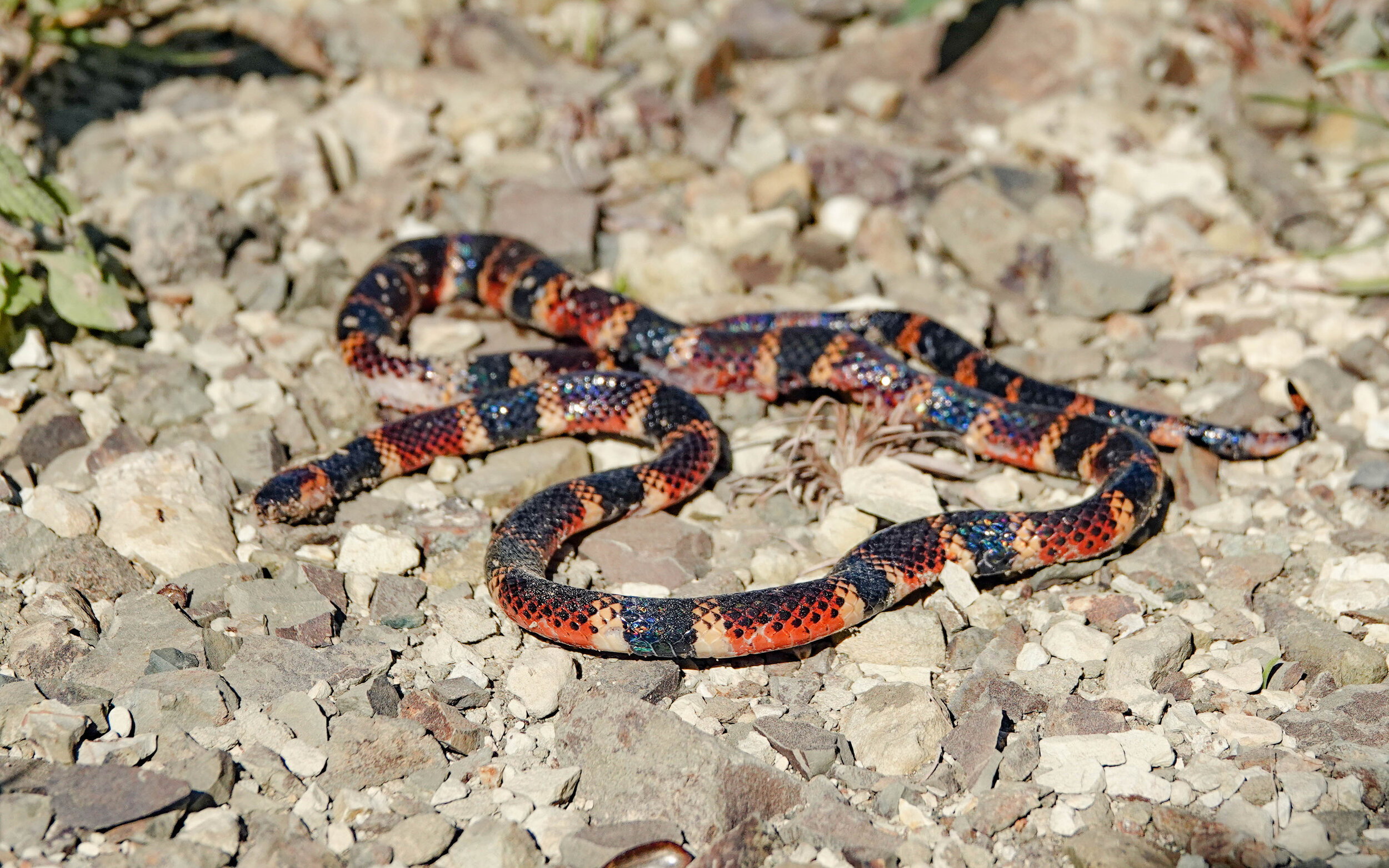
All these animal groups were also visible during the day, but the snakes, in particular, were elusive—appearing only for brief moments before vanishing again. I didn’t manage to get any photos, except for one…
… which was no longer alive.
This was most likely a coral snake, one of the smallest yet most venomous snakes in Costa Rica! Even in this state, touching the area around its head could be risky. There are also many harmless species that mimic its pattern as a defence against predators. A common rhyme helps distinguish them:
“Red on black, safe for Jack. Red on yellow, kills a fellow.”
—It refers to the colour placement on the snake’s body.
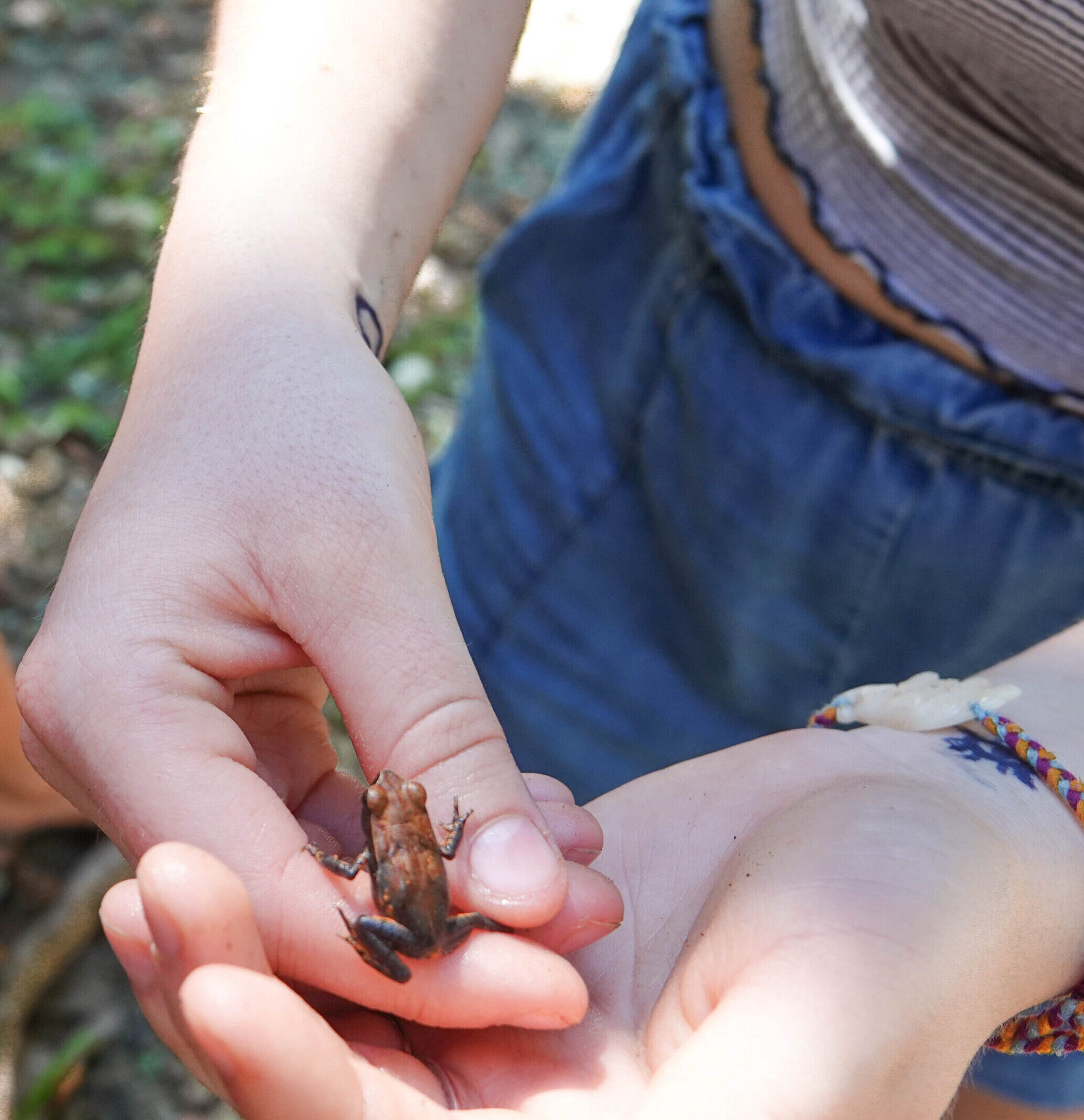
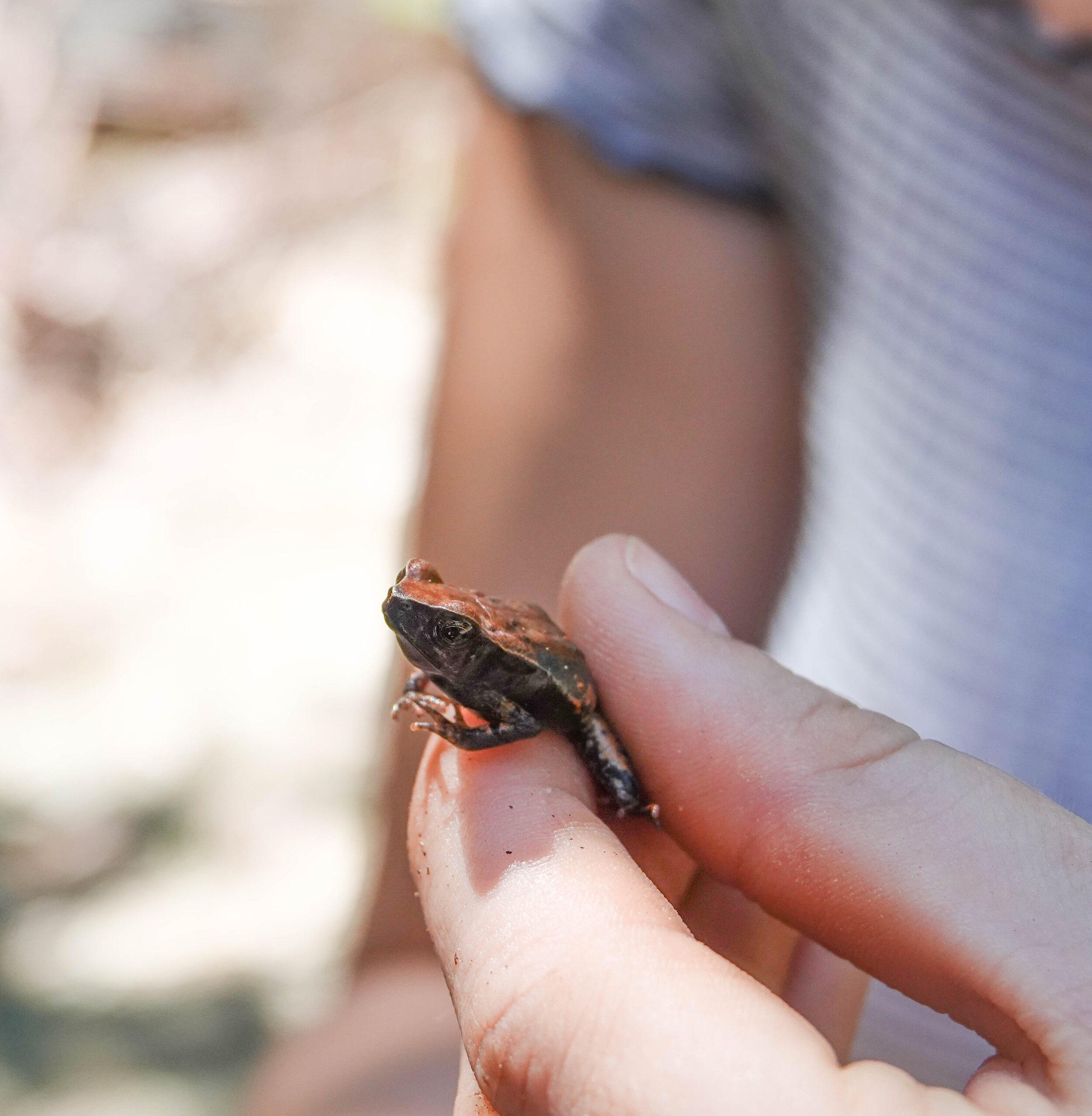
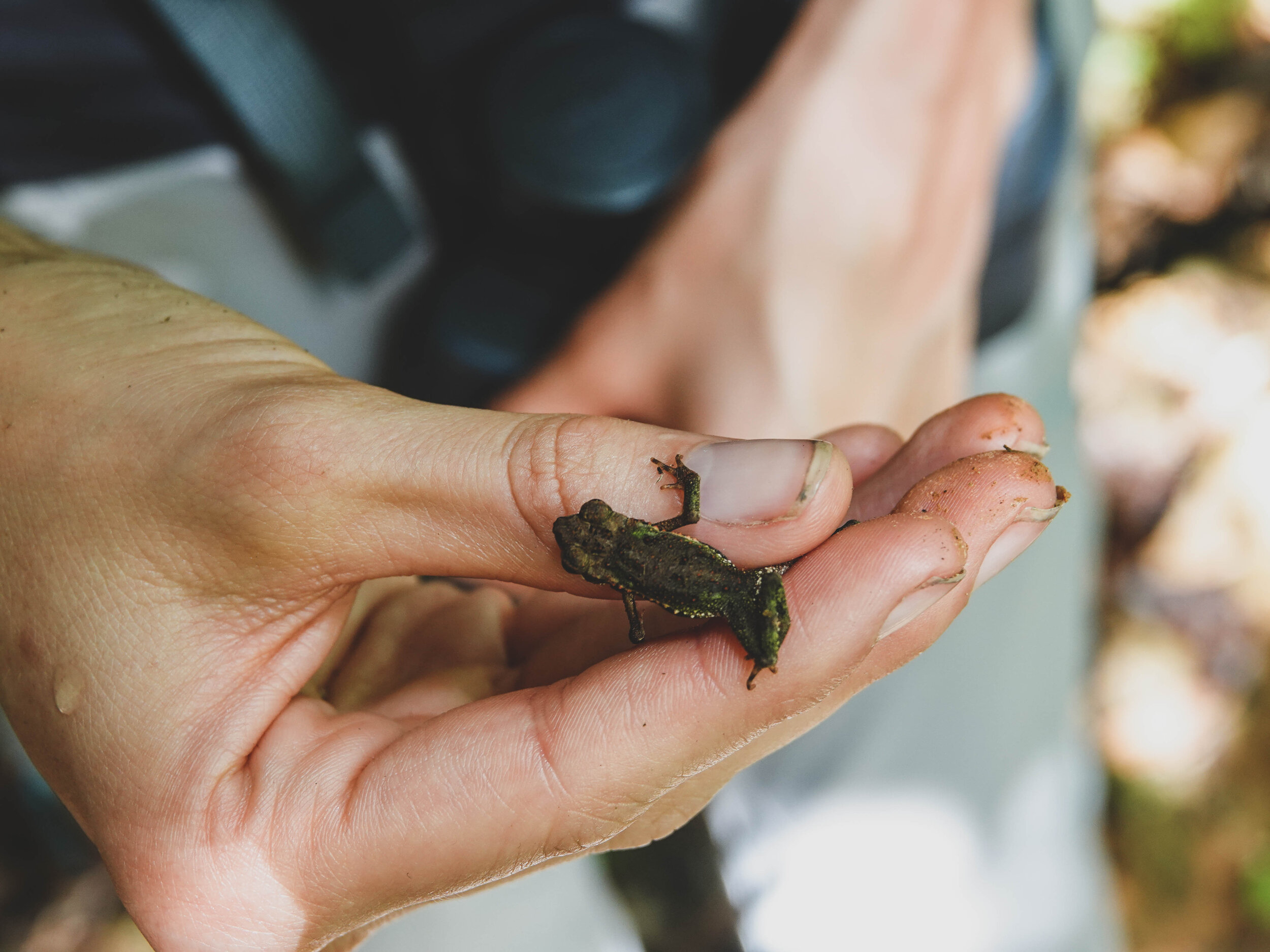
We had countless encounters with frogs, always handling them with damp hands to avoid transferring harmful substances through their delicate skin.
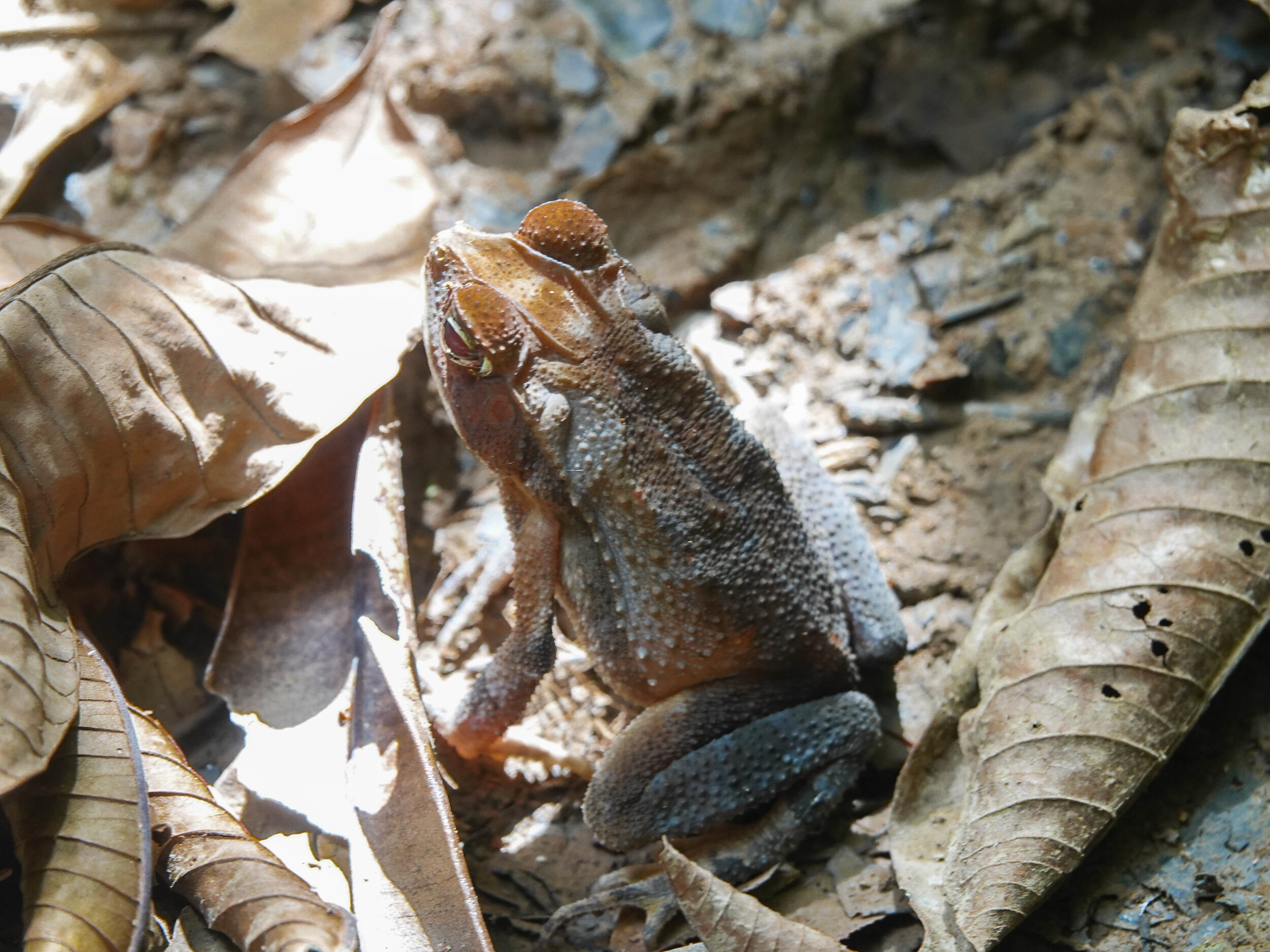
Catching such a giant was quite the challenge.
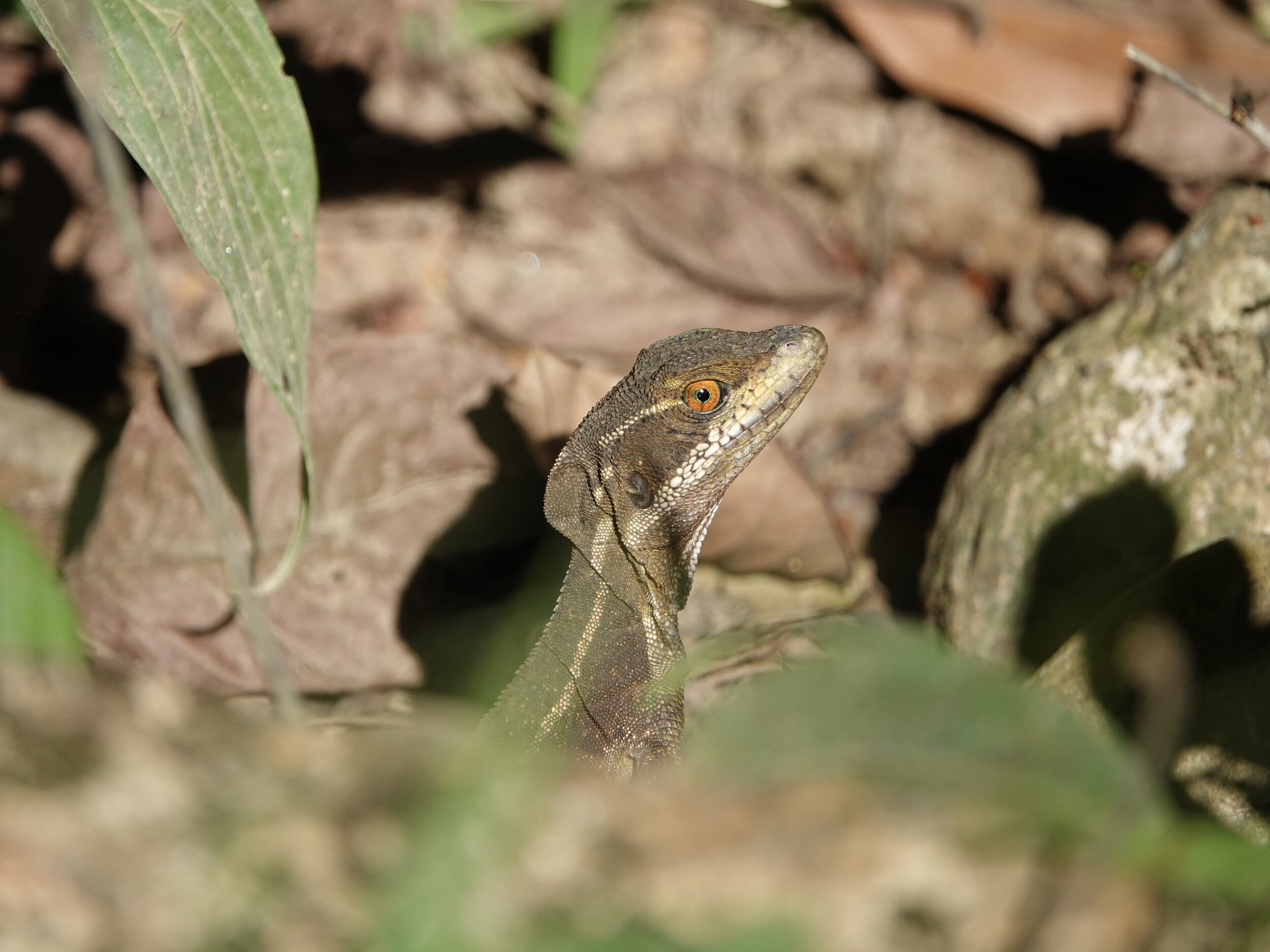
If you’ve read my previous posts, you’ll definitely recognise the reptile below.
A basilisk
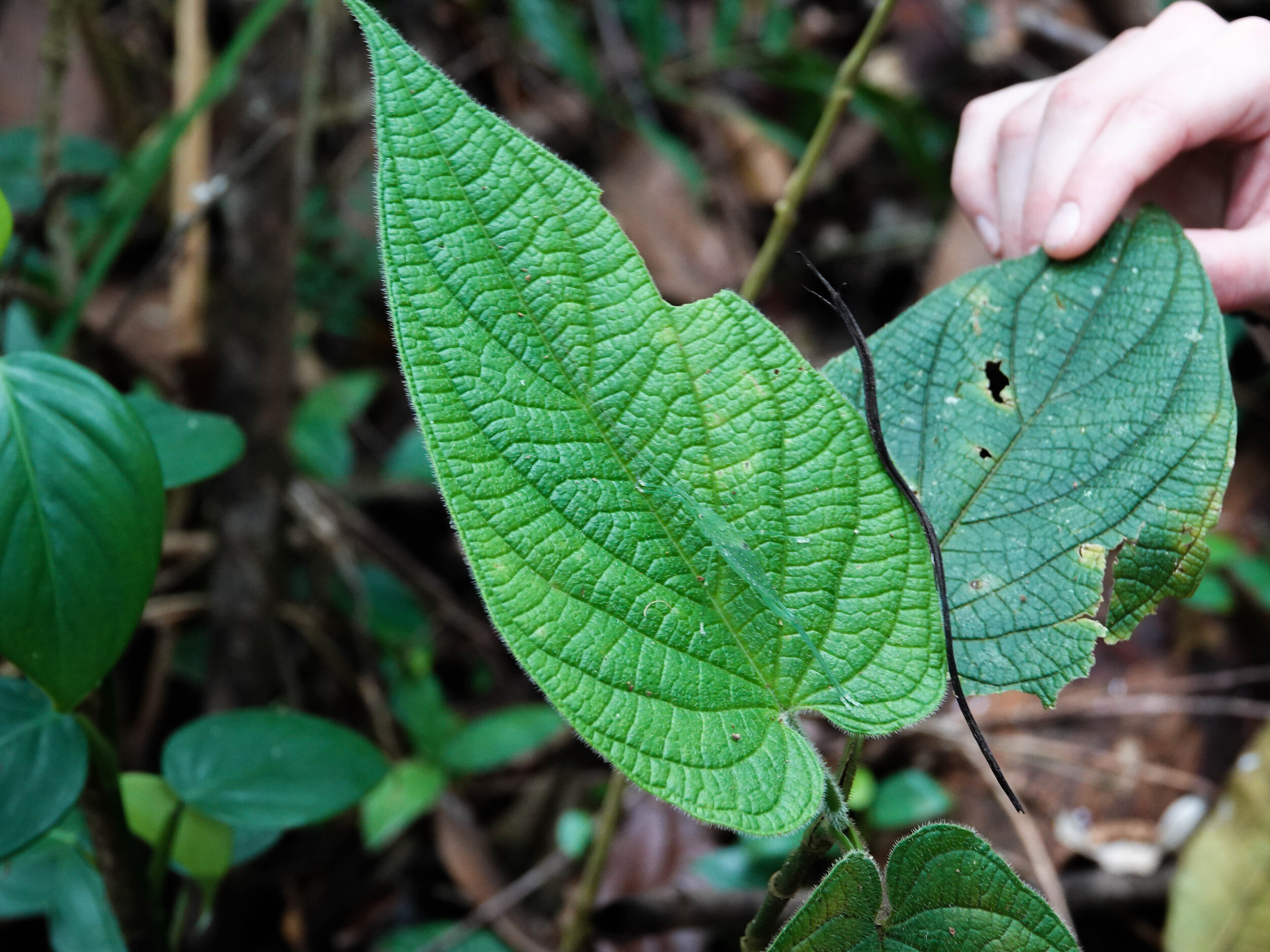
And to finish, here’s a non-reptile… Can you spot it?
That’s it for reptiles, amphibians, and other nocturnal creatures—next time a moth flies into your room, take a closer look! We have some real beauties in Slovenia too.