Welcome to the final chapter of the Costa Rican adventure!
Our last morning at the hotel started with a short walk to a nearby waterfall.
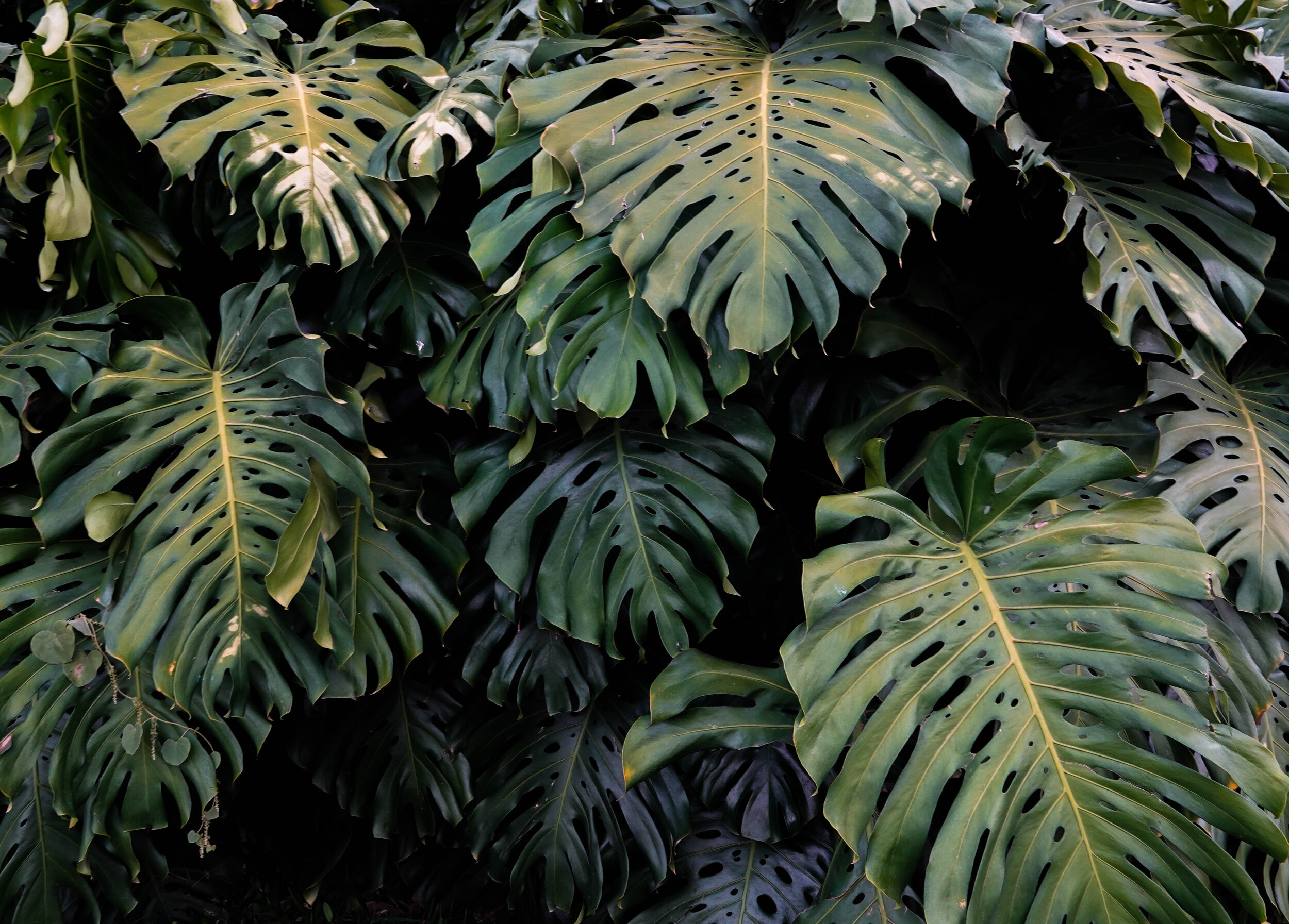
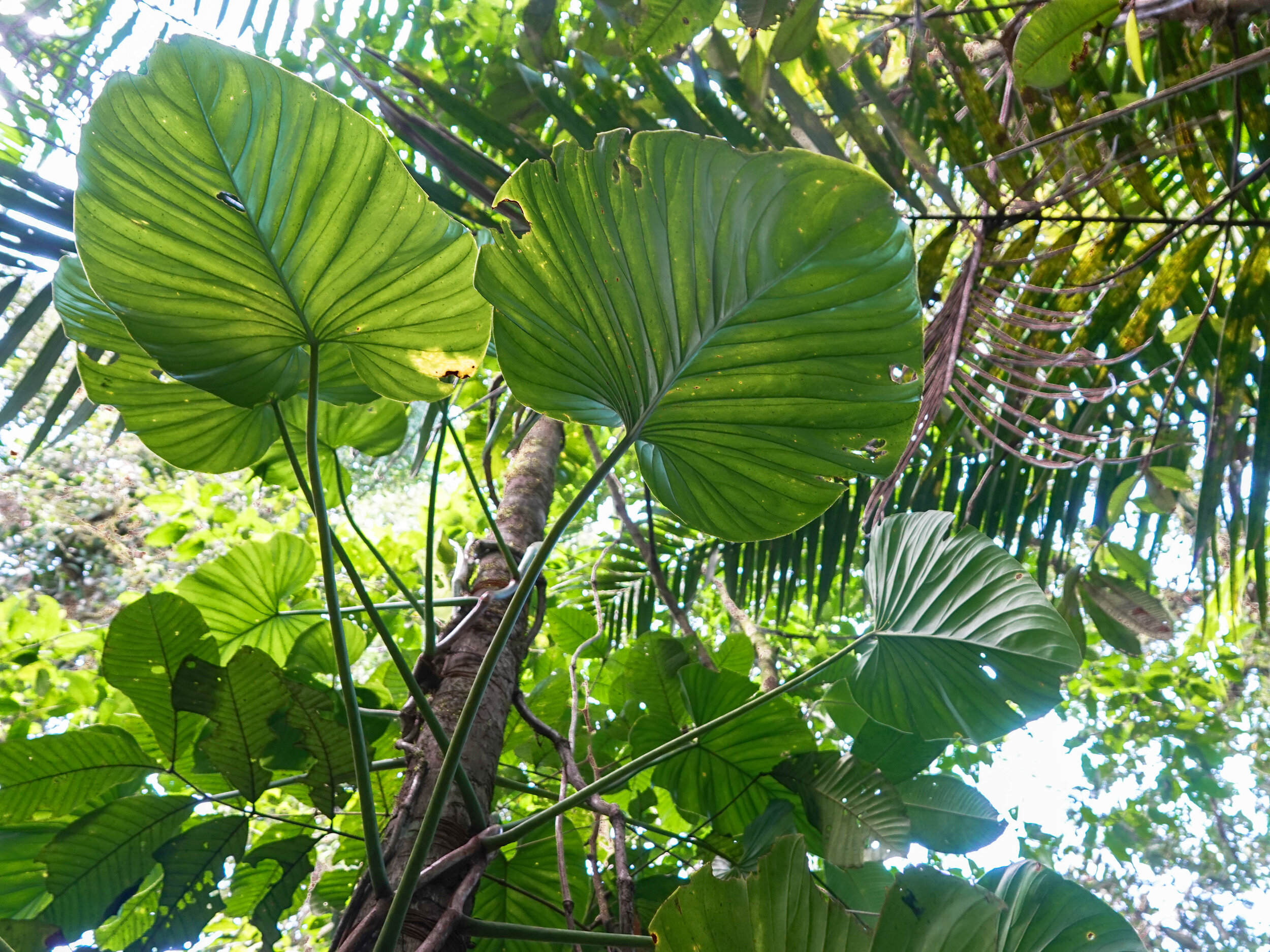
On the way, instead of cypresses as hedges, we saw a dense stand of monstera plants.
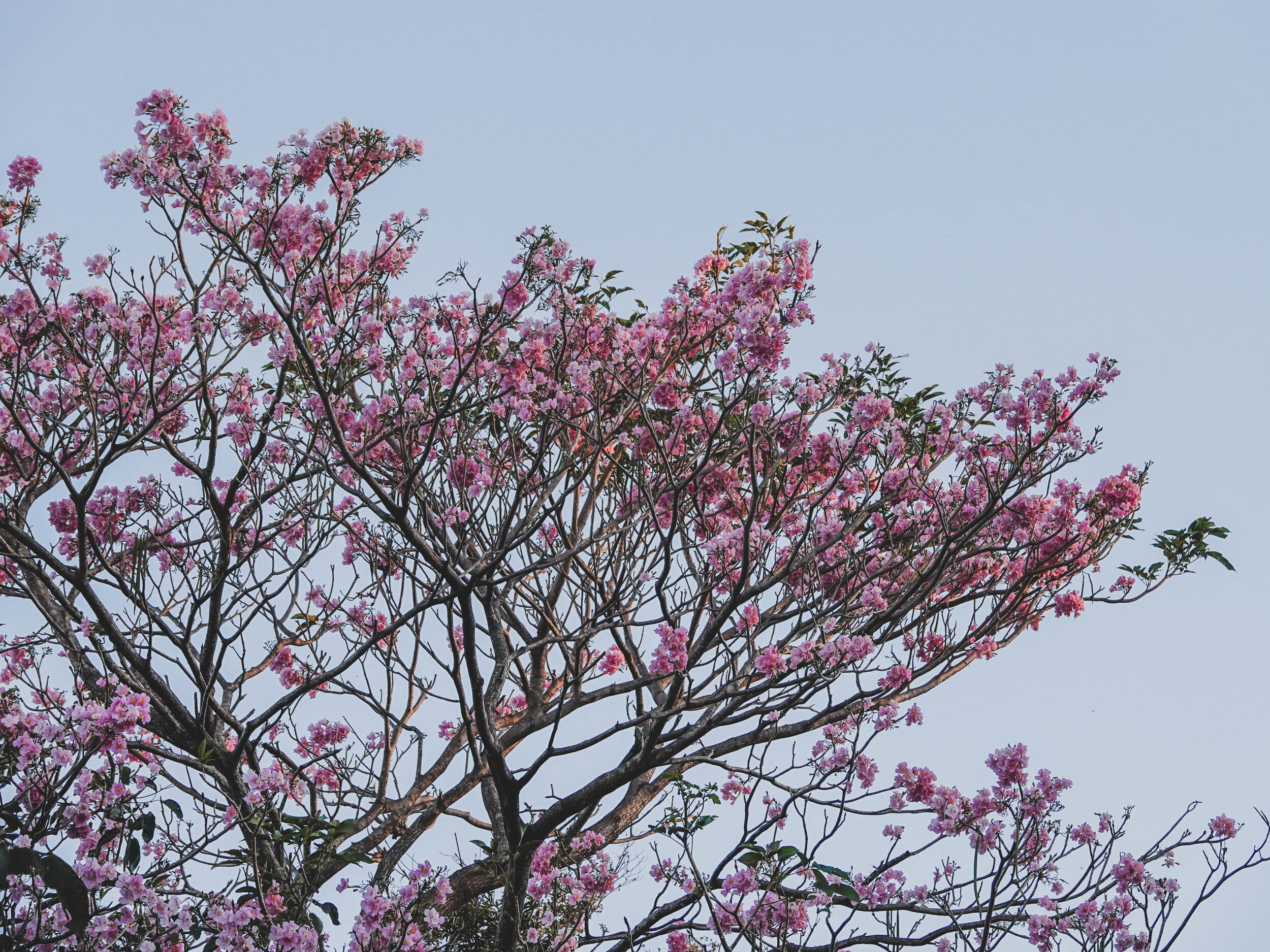
And something that looked like a blossoming cherry tree. But it wasn’t.
Interestingly, the scent of this fruit strongly resembles honey with added flavour. A divine smell! In some places, they use the inside as an alternative to honey.
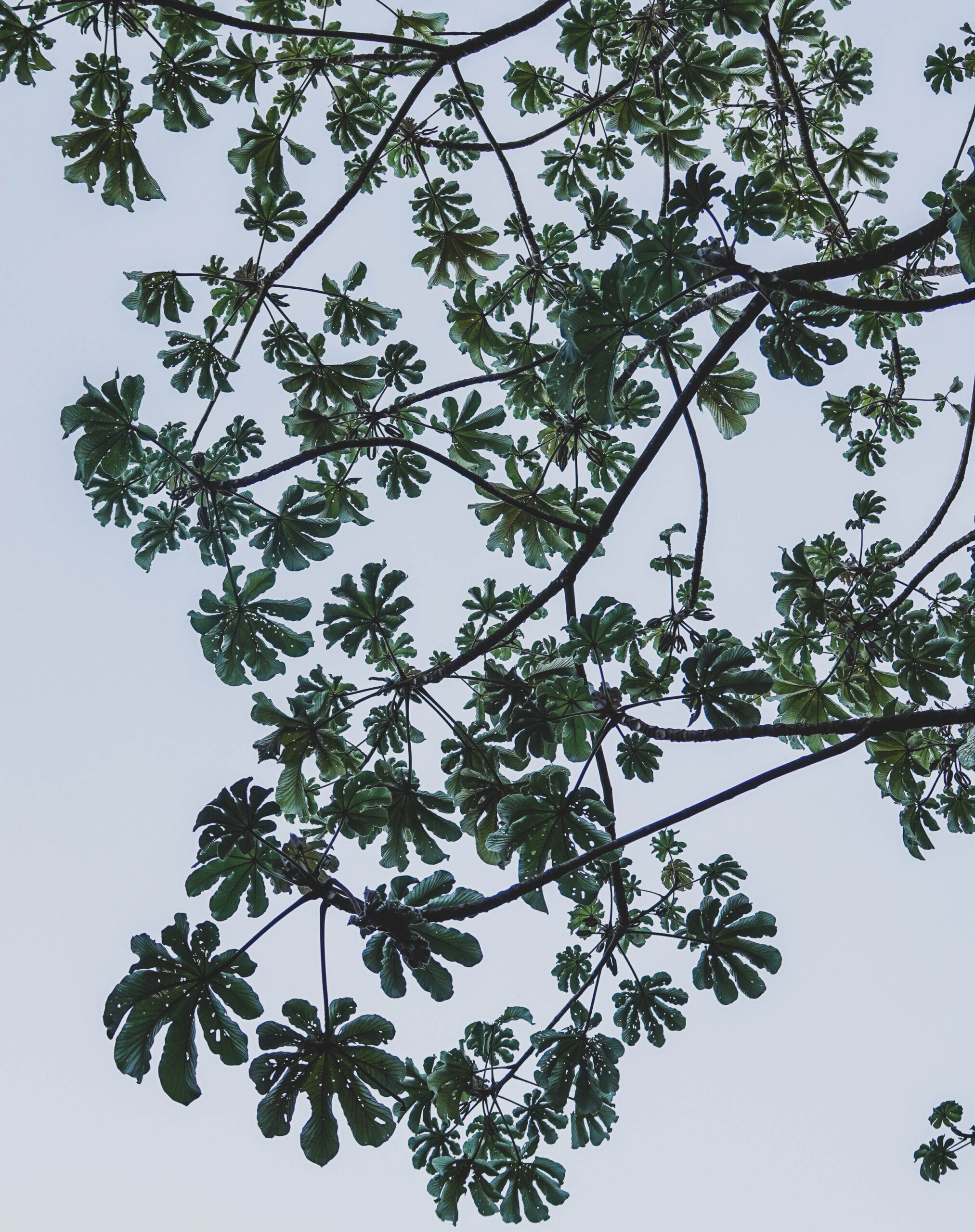
In my opinion, the most photogenic tree—cecropia.
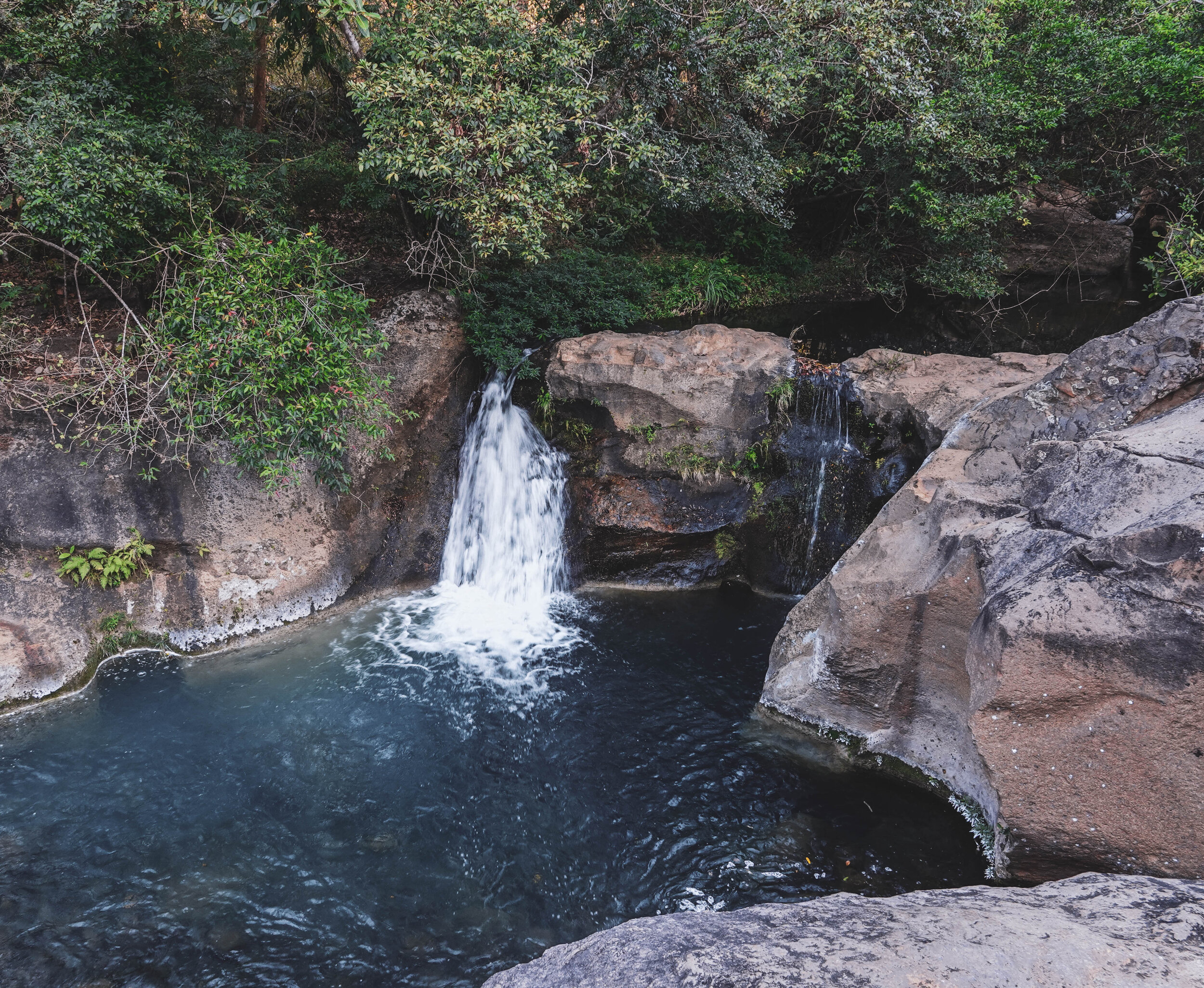
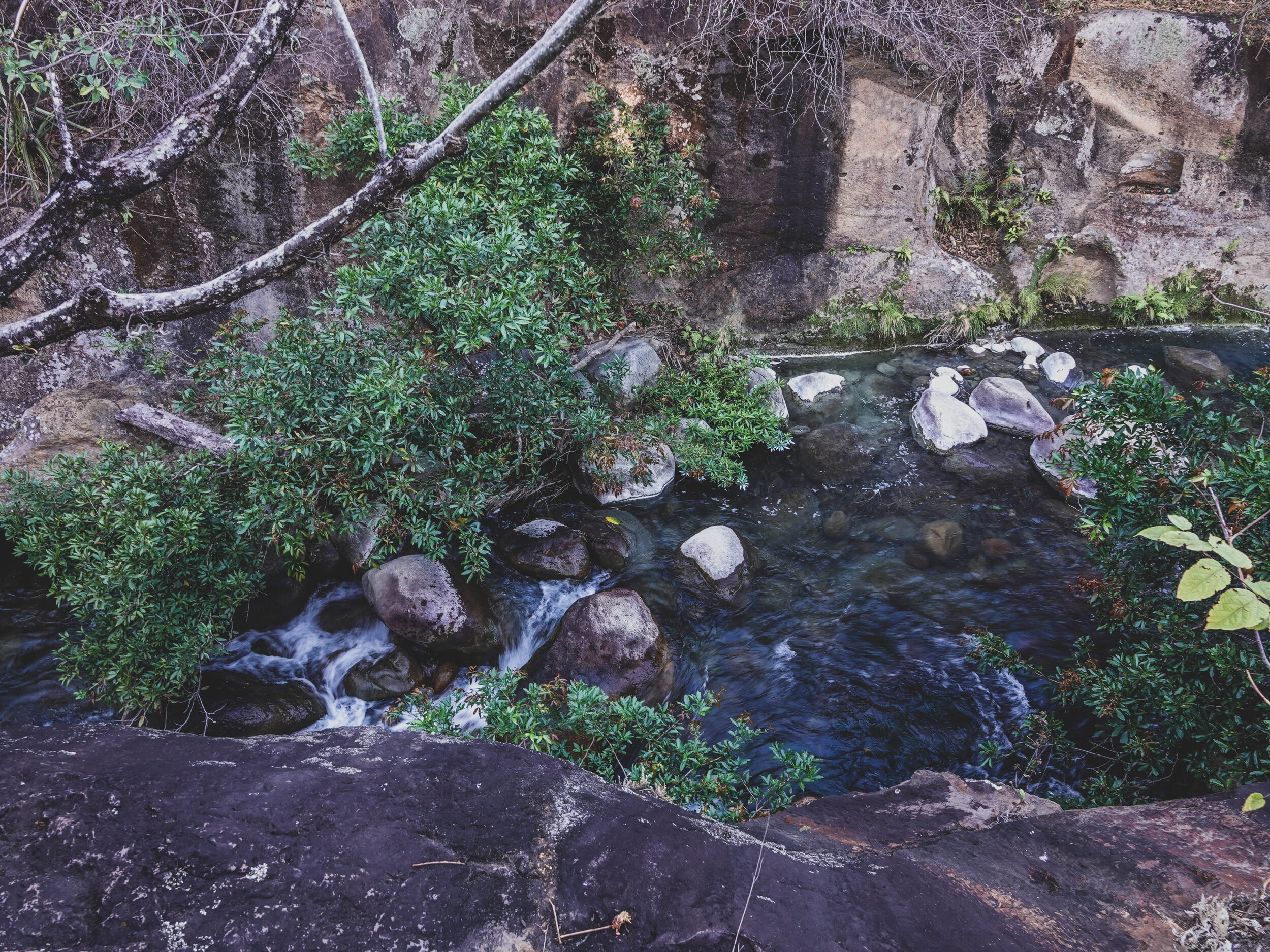
Morning goal achieved! Las Chorreras waterfall. Jumping into the pool was an excellent refreshment for the start of the long day ahead.
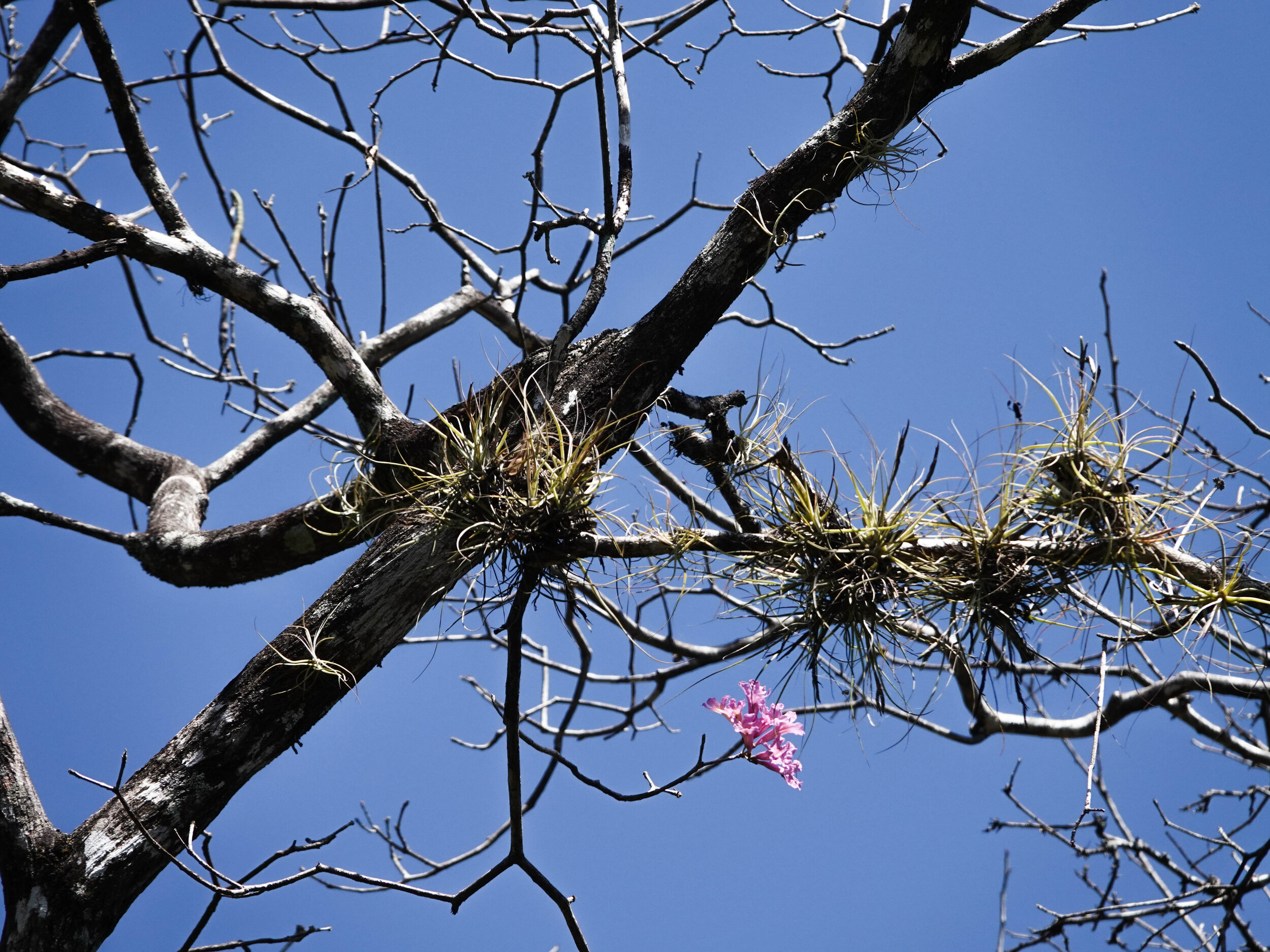
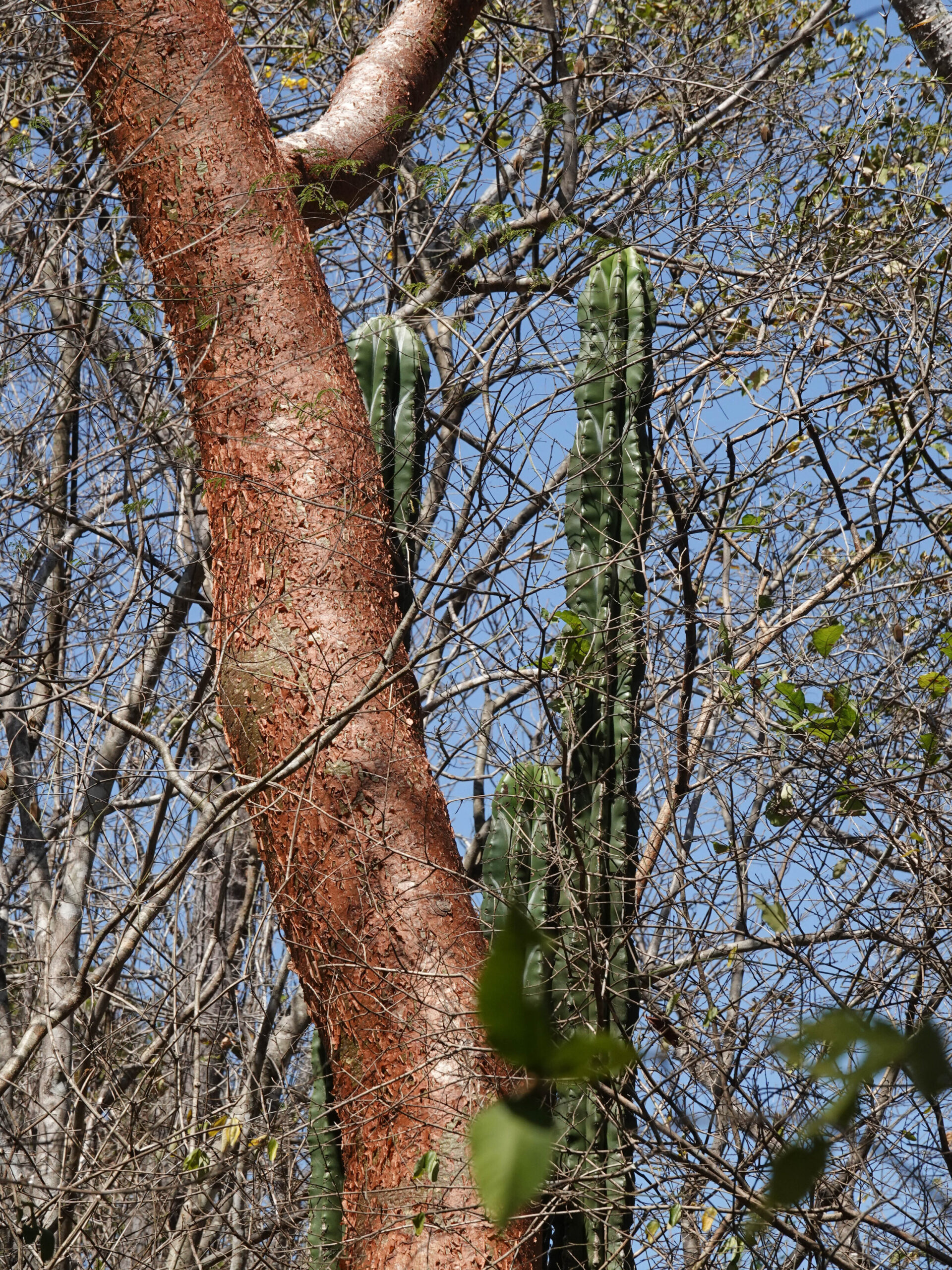
Yes, the vegetation here was completely different from the humid, tropical flora of La Gamba.
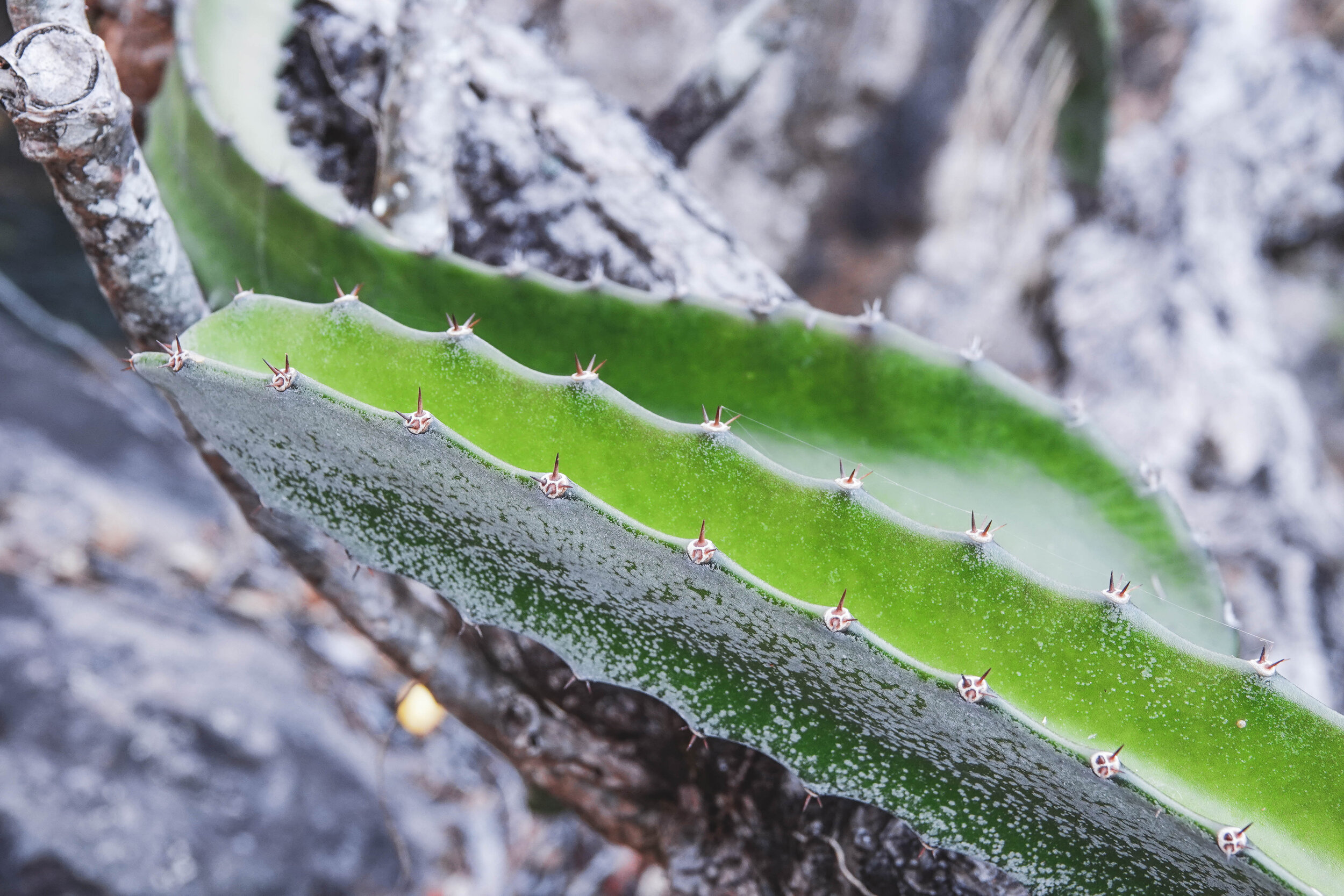
One clear indicator? This cactus.
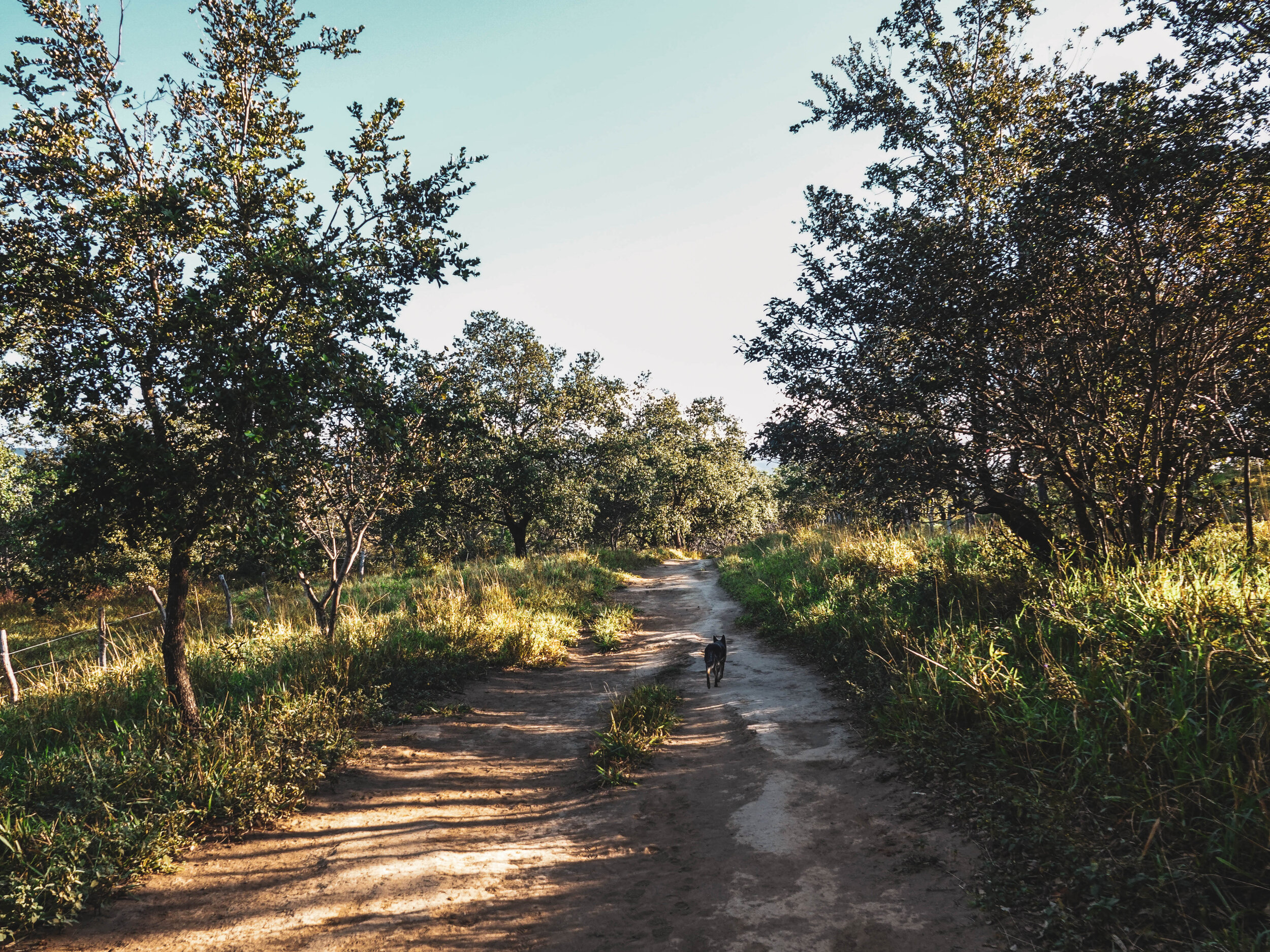
And a dog among the “olive trees”—a nice change from a snake among the palms.
After an excellent breakfast, we left the hotel and set off toward the capital. Of course, we made several stops along the way. First up:
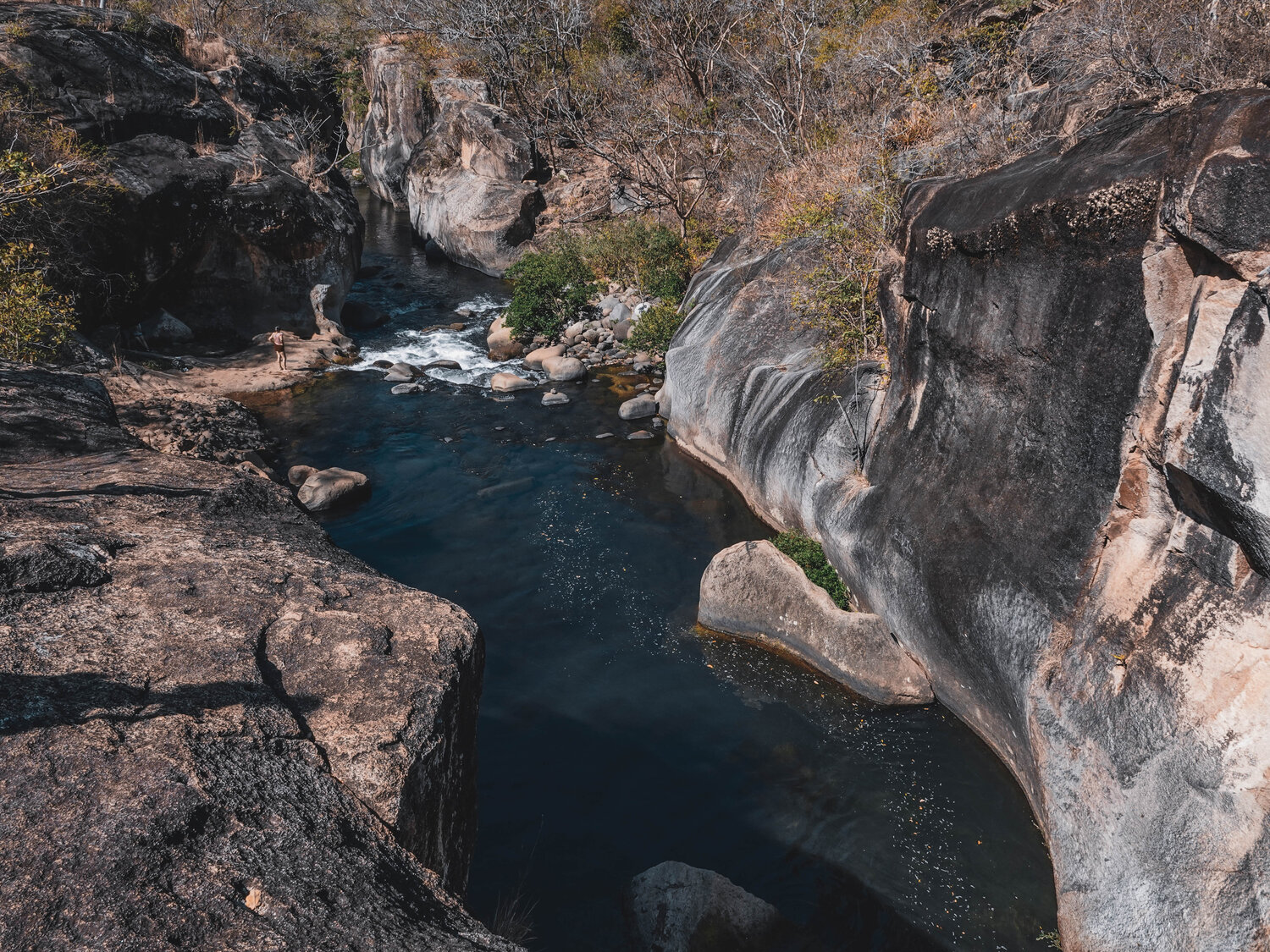
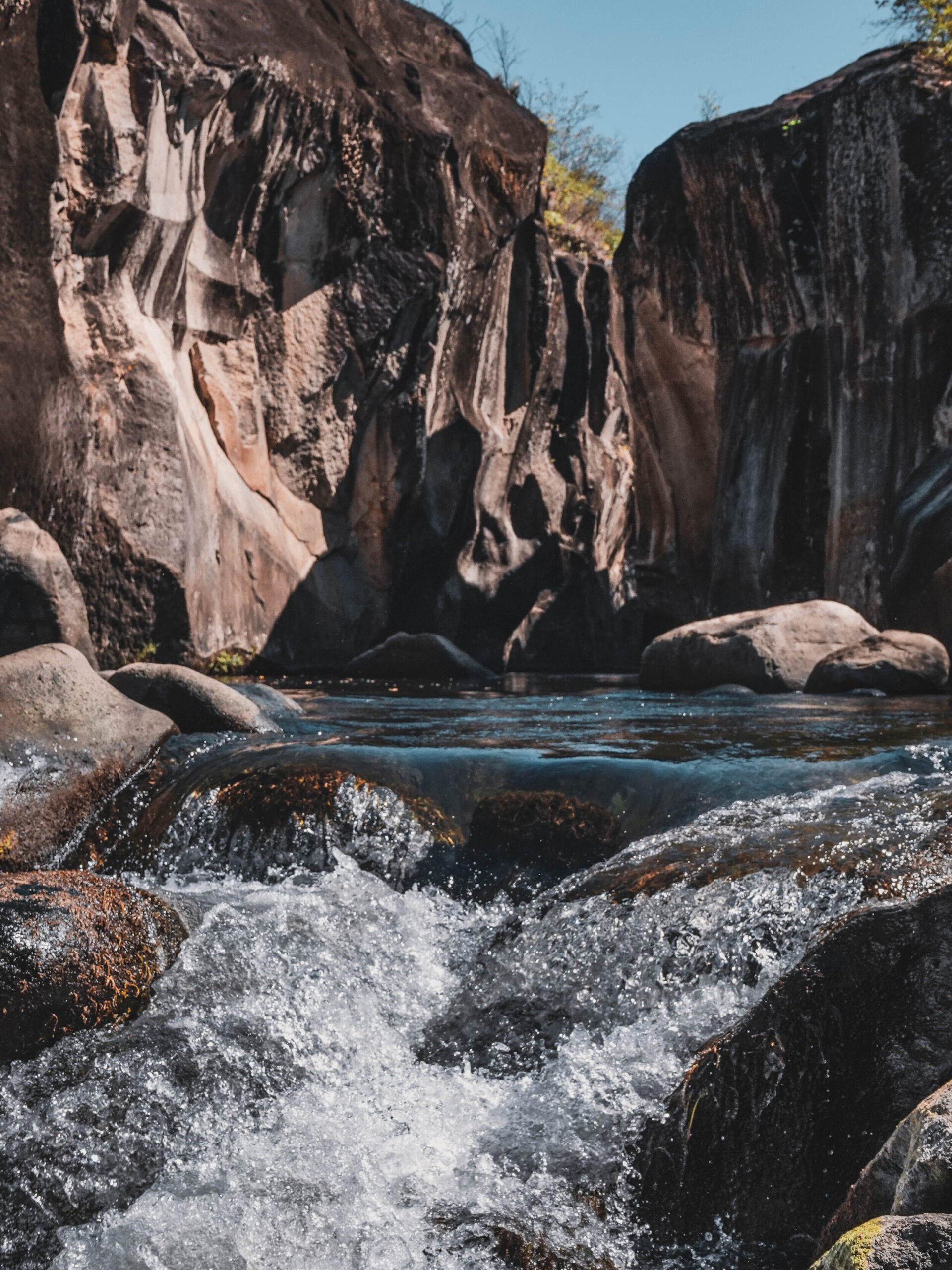
A canyon!
swimming followed for swimming enthusiasts
For some, sunbathing. For others, posing.
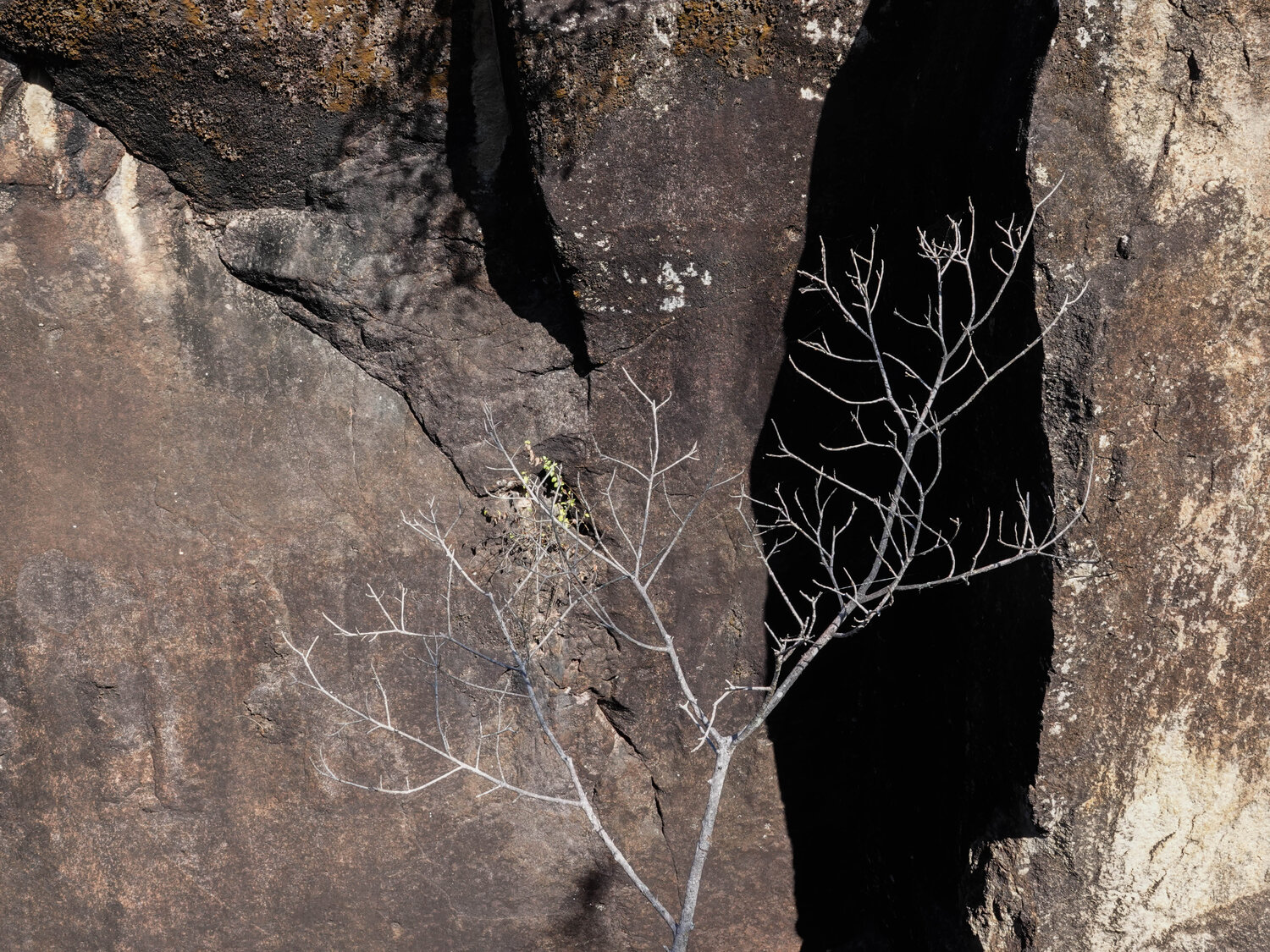
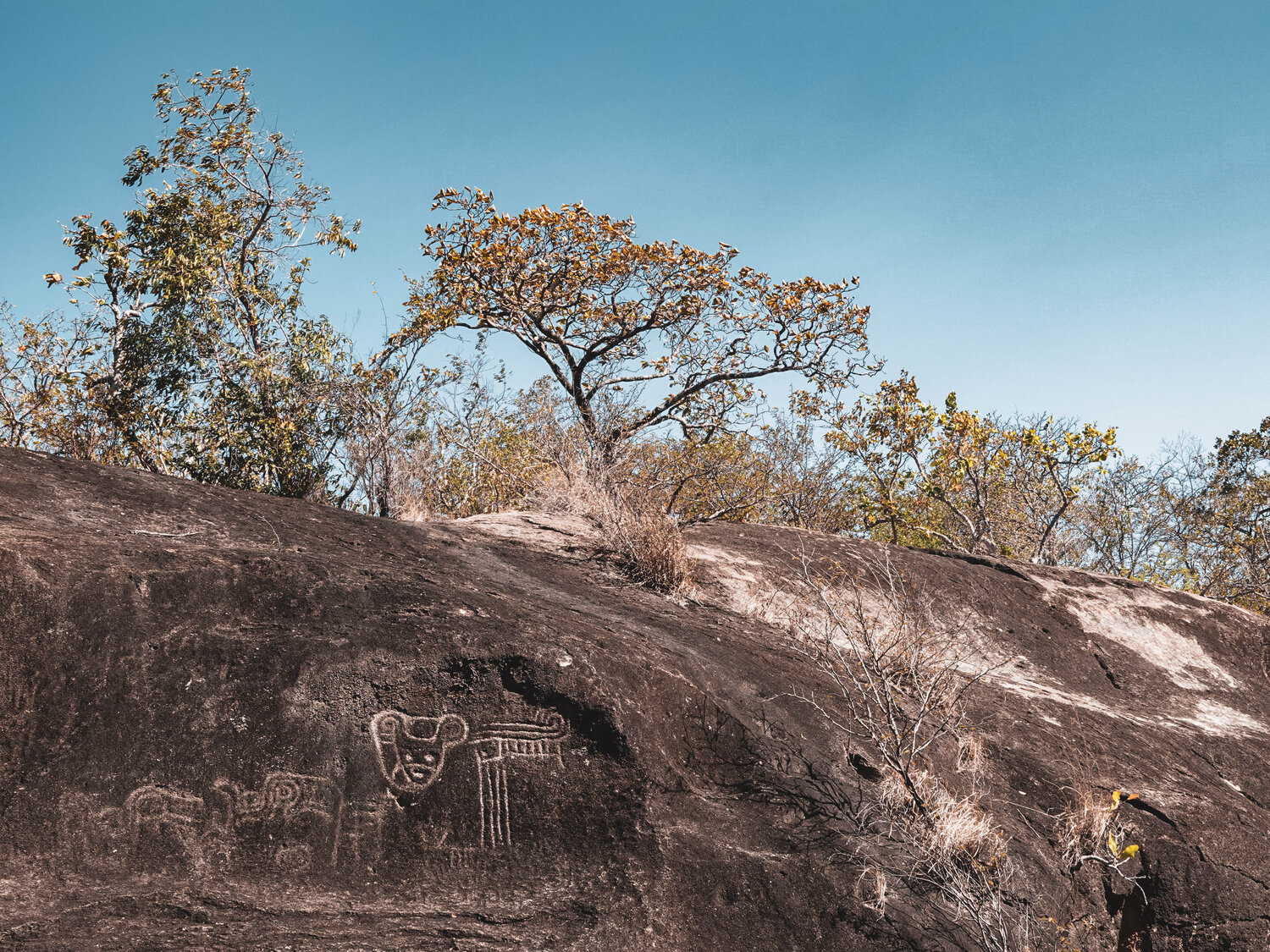
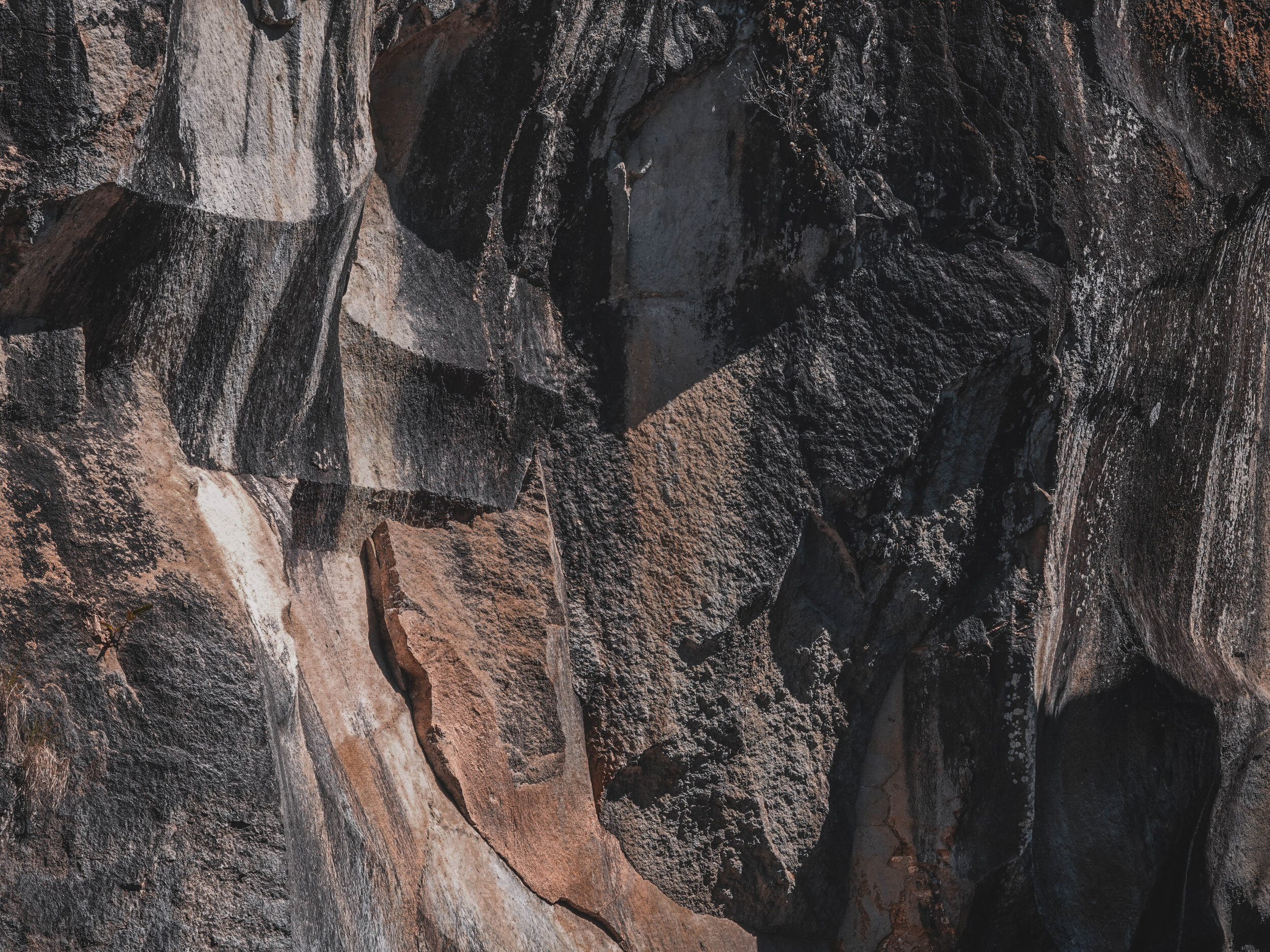
But for all of us—a chance to observe up close and from afar 1,500-year-old petroglyphs, left behind by the region’s first inhabitants. Though little research has been done, these are believed to be the work of Chibchan people.
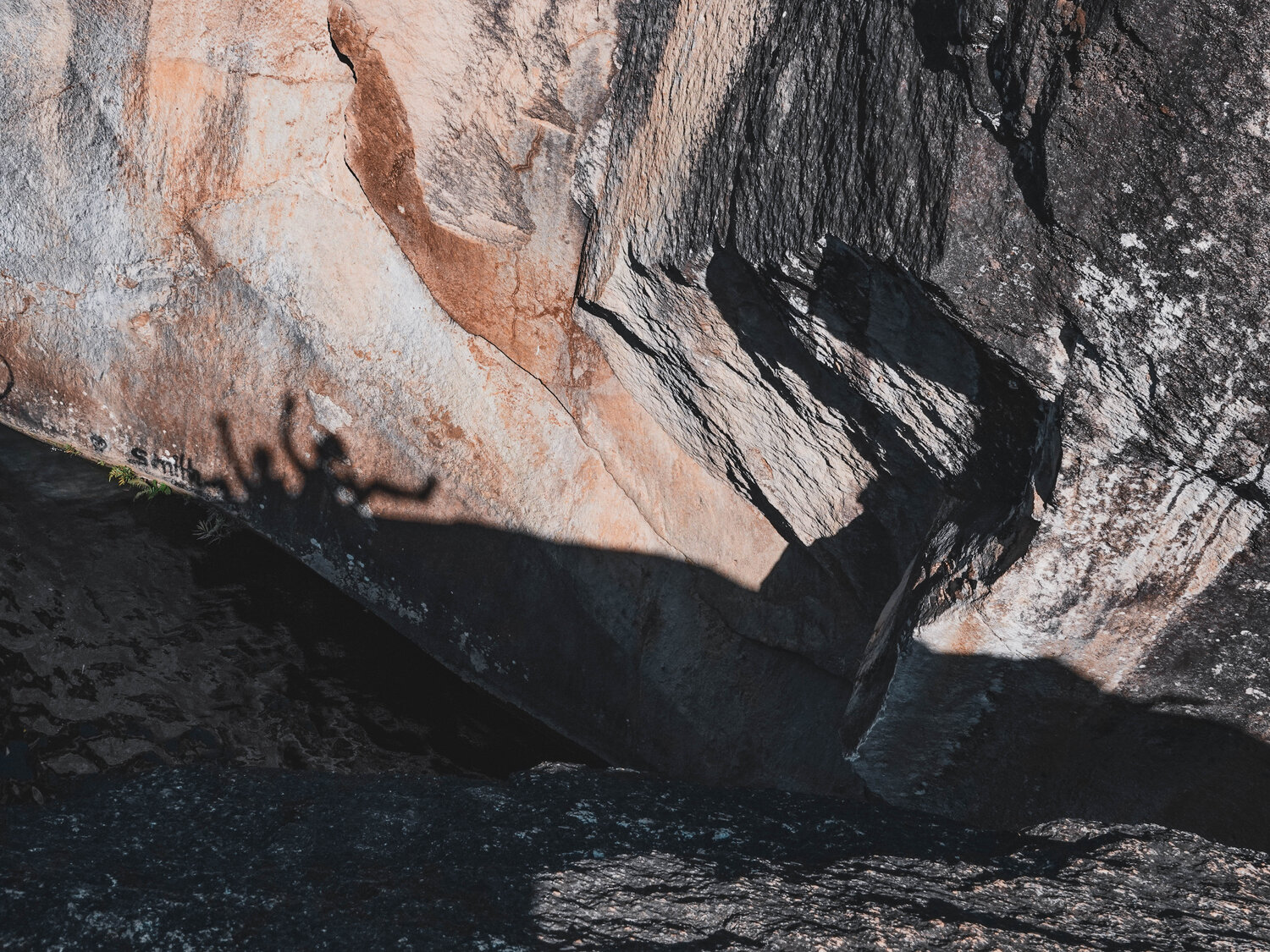
"Hello, Smith!" (Look closer.)
Tourists leaving traces behind...
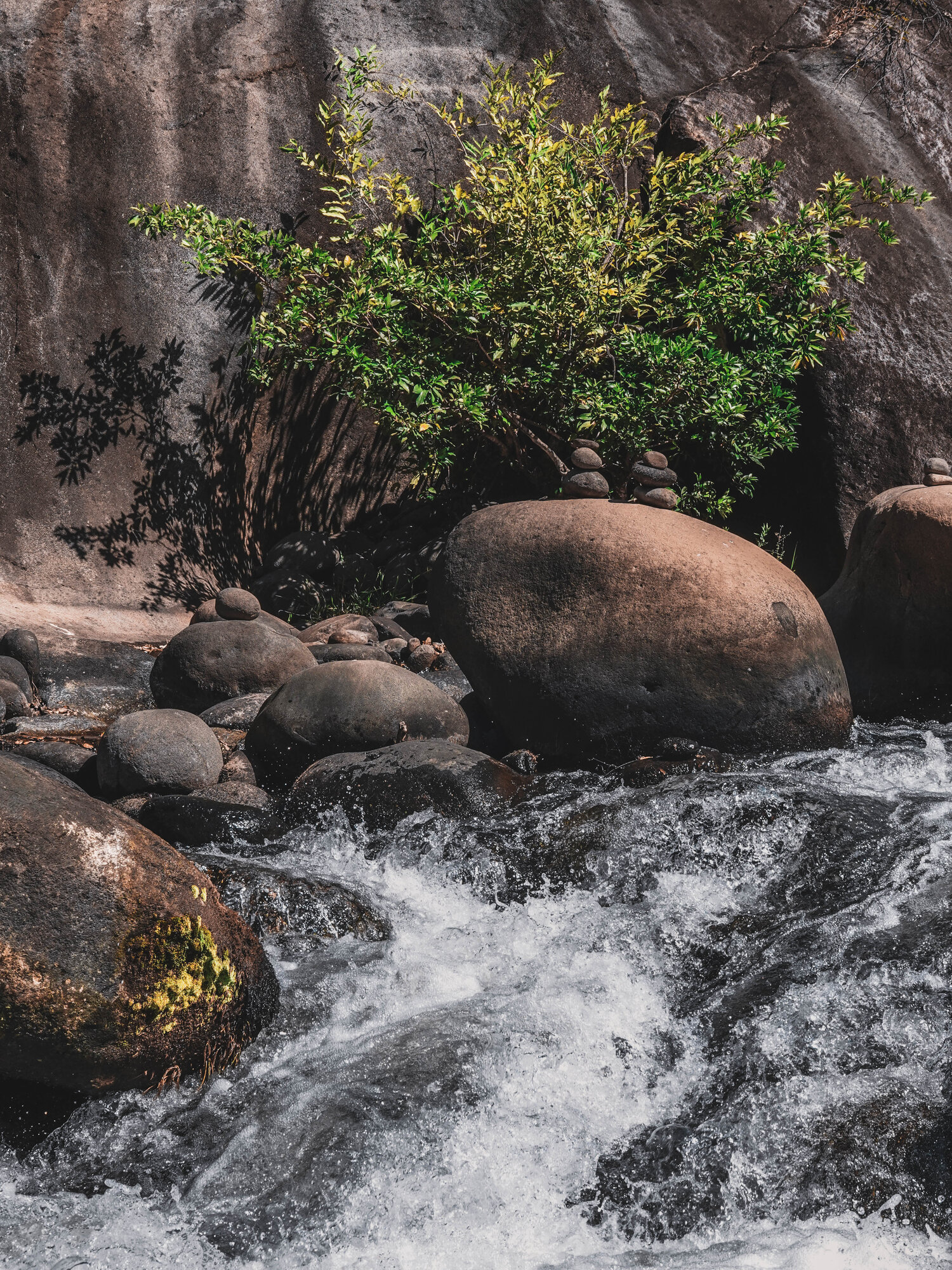
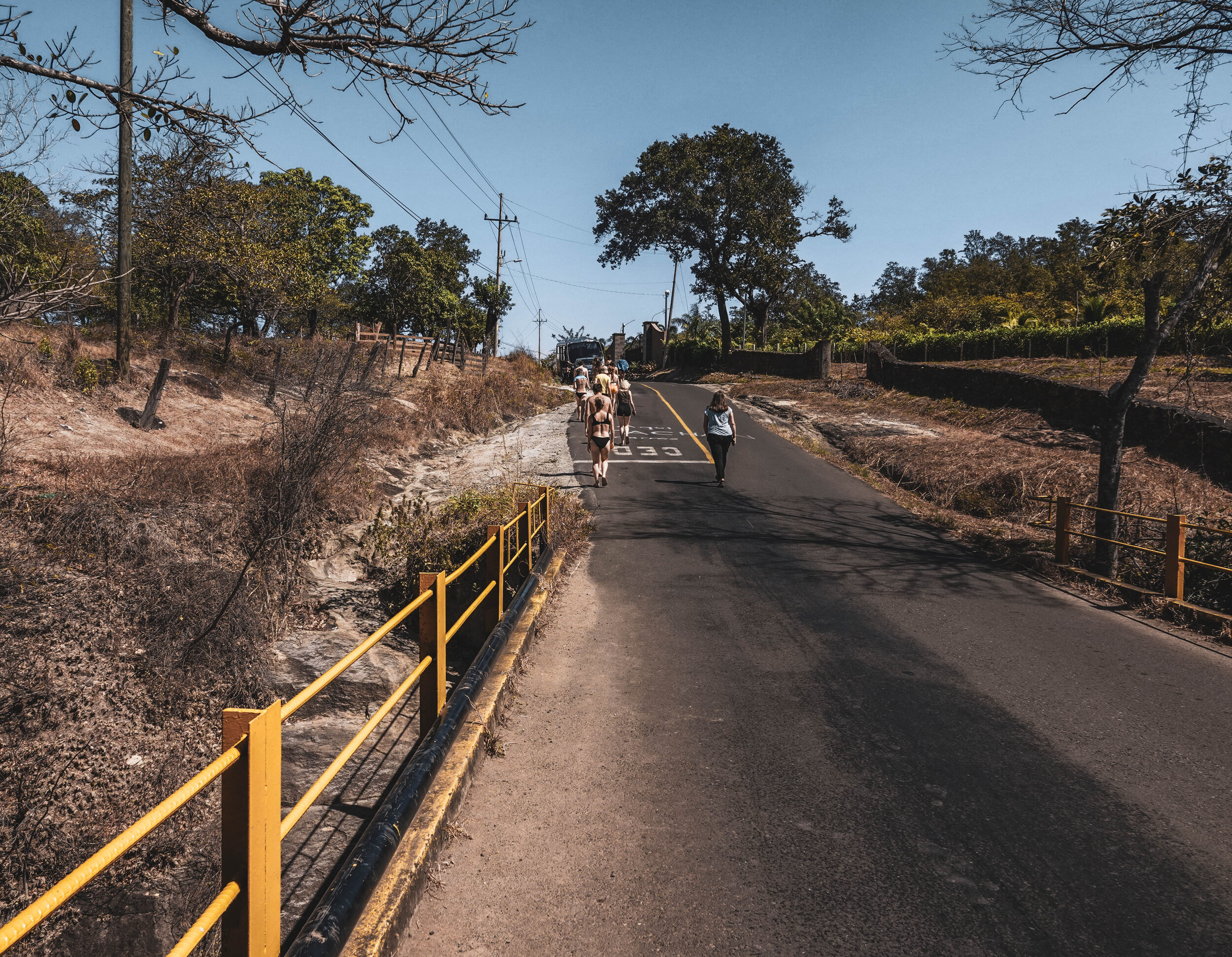
Swimmers on their way to the changing room (a.k.a. the bus).
Reserva Biológica Lomas Barbudal
Our next stop: Lomas Barbudal Biological Reserve.
We walked through a dry forest filled with deciduous trees in full bloom (since it was the dry season).
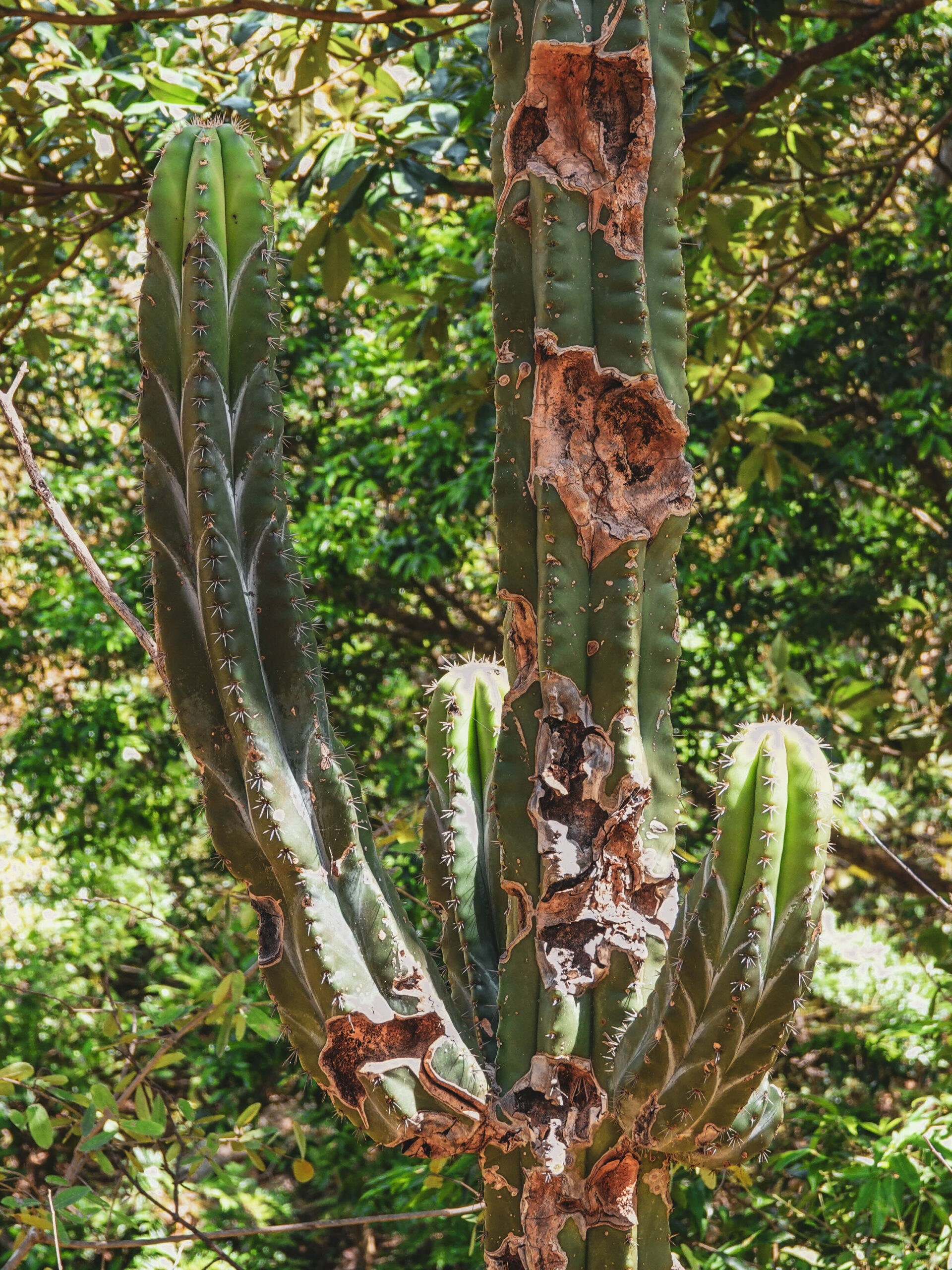
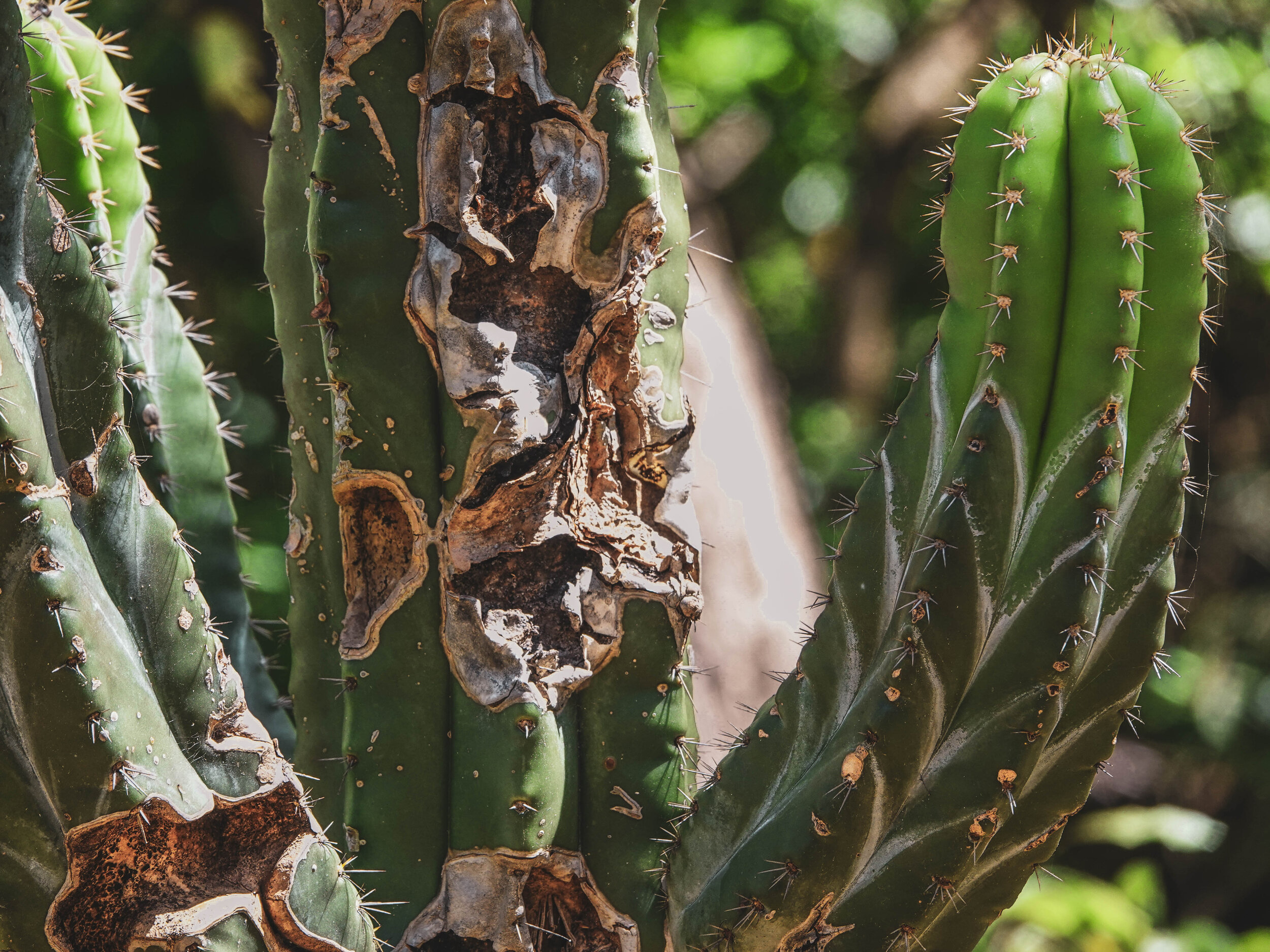
The main attraction was the several-metre-high terrestrial cacti.
Some were already showing signs of age…
Of course, we kept an eye on the treetops for any movement. I was a second too late to capture a rarely seen owl, but black iguanas? Everywhere.
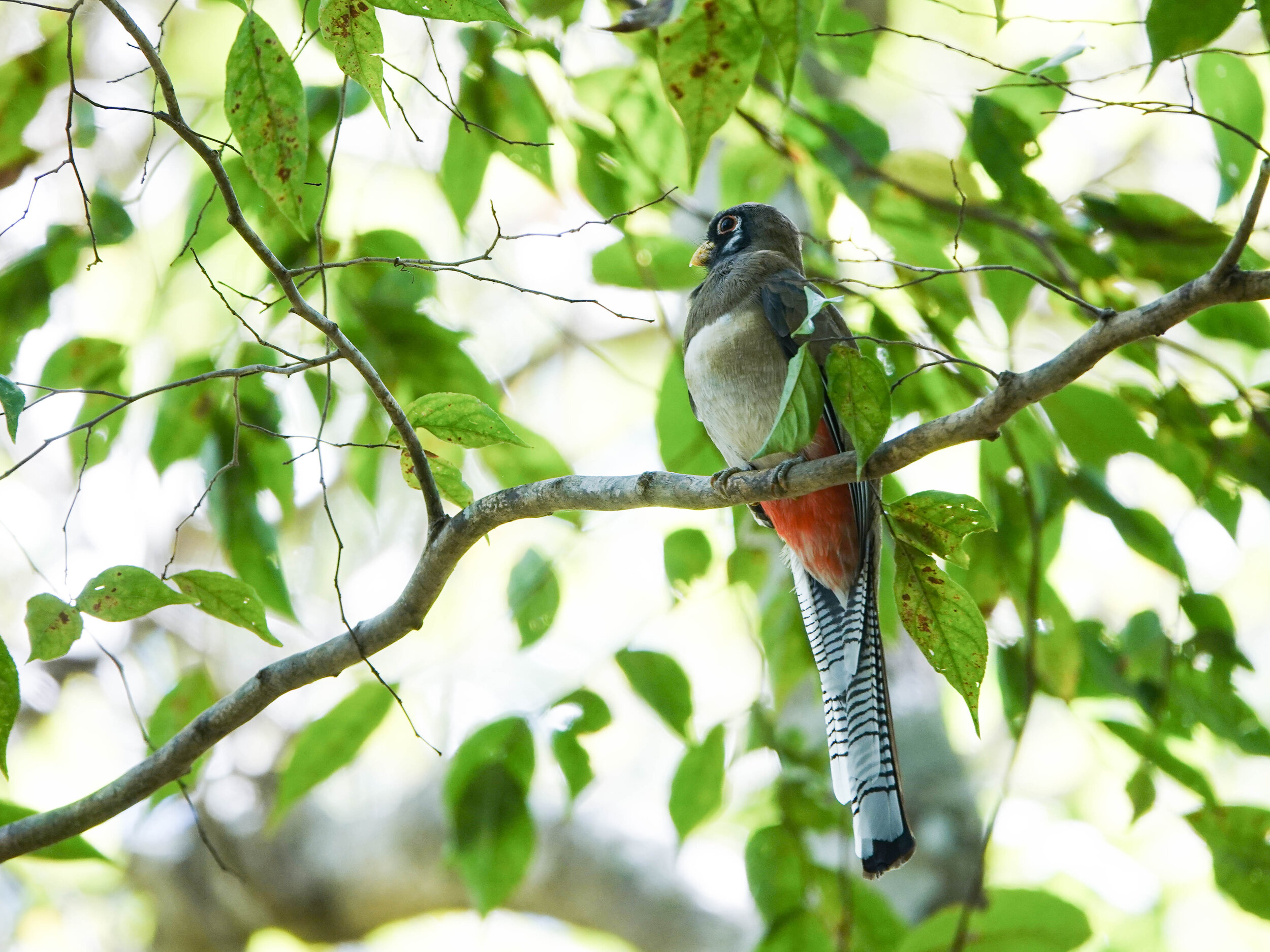
Then, we spotted a stunningly colorful trogon.
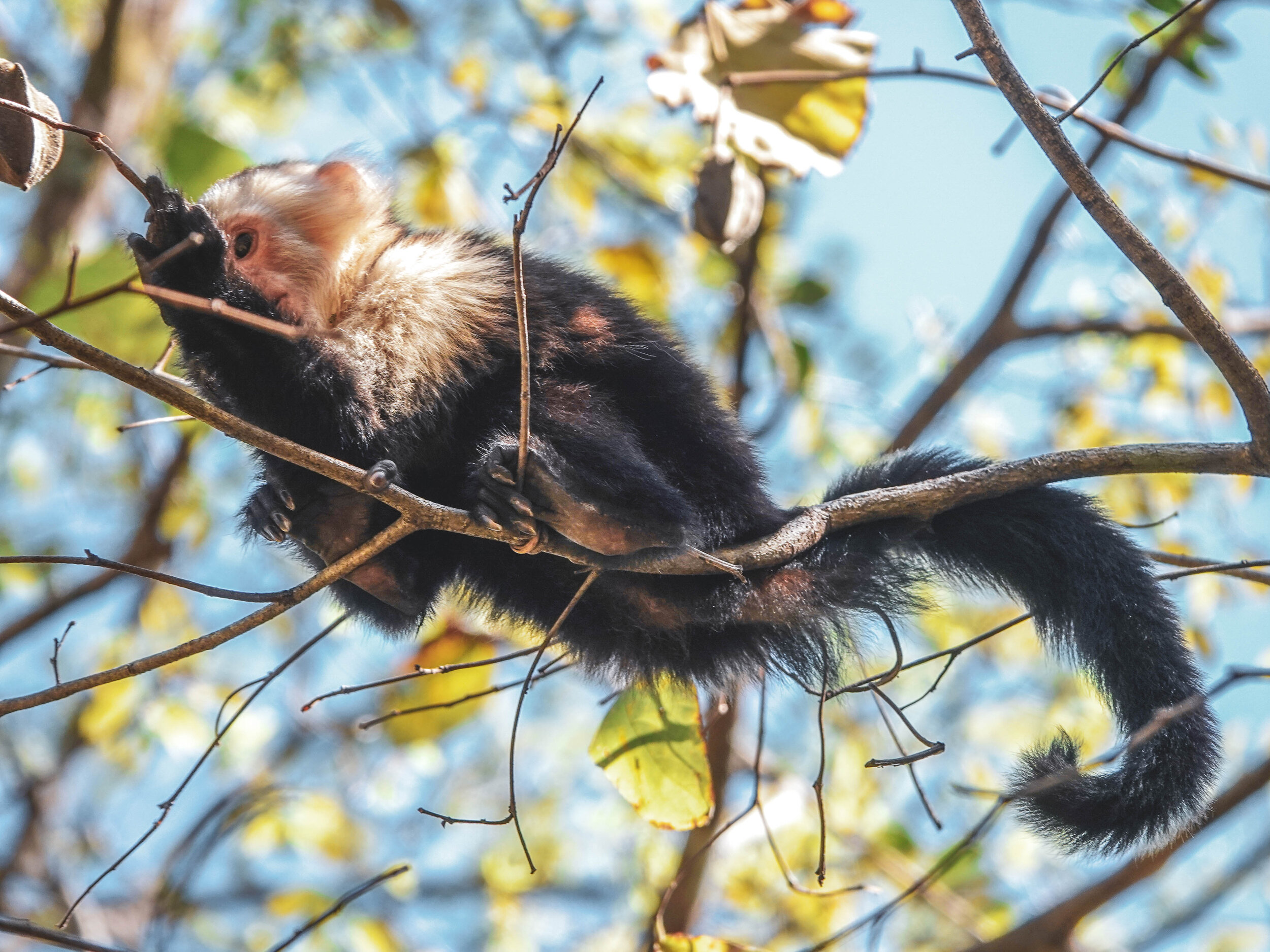
And saw another capuchin monkey.
On our way to San José, we stopped for a last look at the Pacific, and after dinner at a nearby restaurant, we continued with a long and cold drive to the capital.
Us & just one little star. <3
Costa Rica’s Caribbean coast
For the last day, we saved a trip to the Caribbean side of Costa Rica, where the environment is much more humid than in the northwest of Costa Rica, where we had spent the previous few days. We visited Braulio Carrillo National Park, located on the eastern side of the Cordillera Central mountain range – between the capital city San José and the Caribbean port of Puerto Limón.
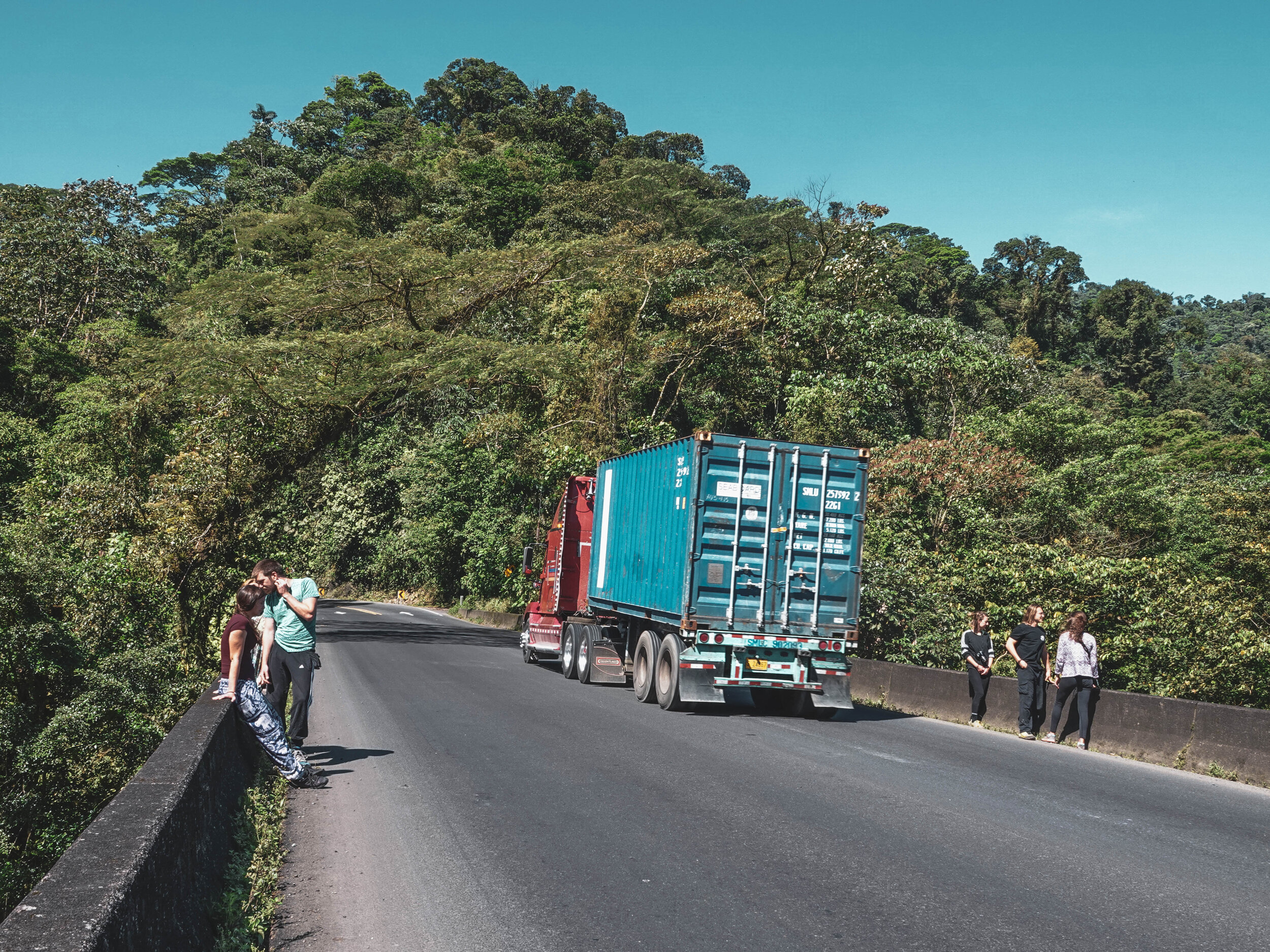
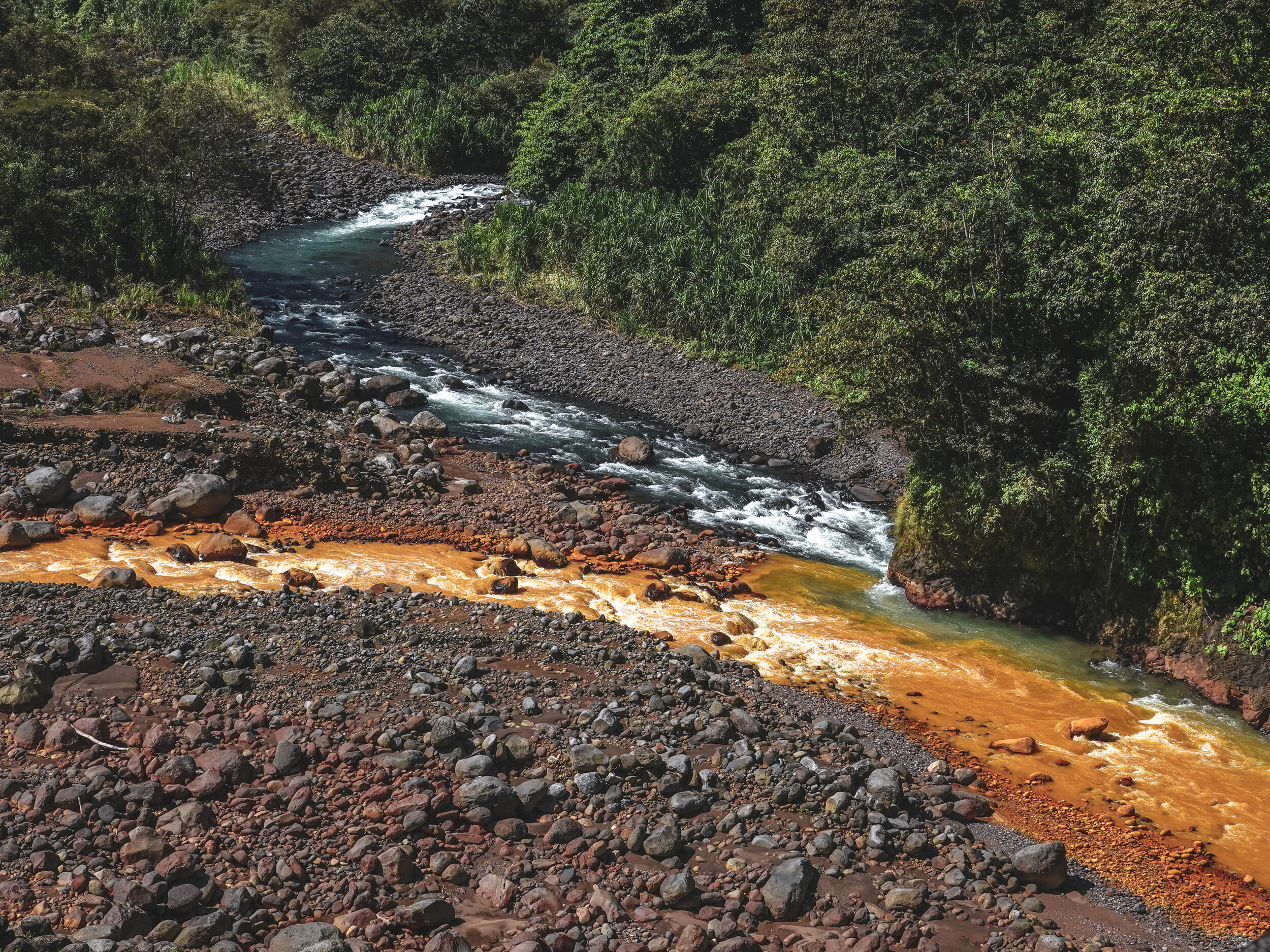
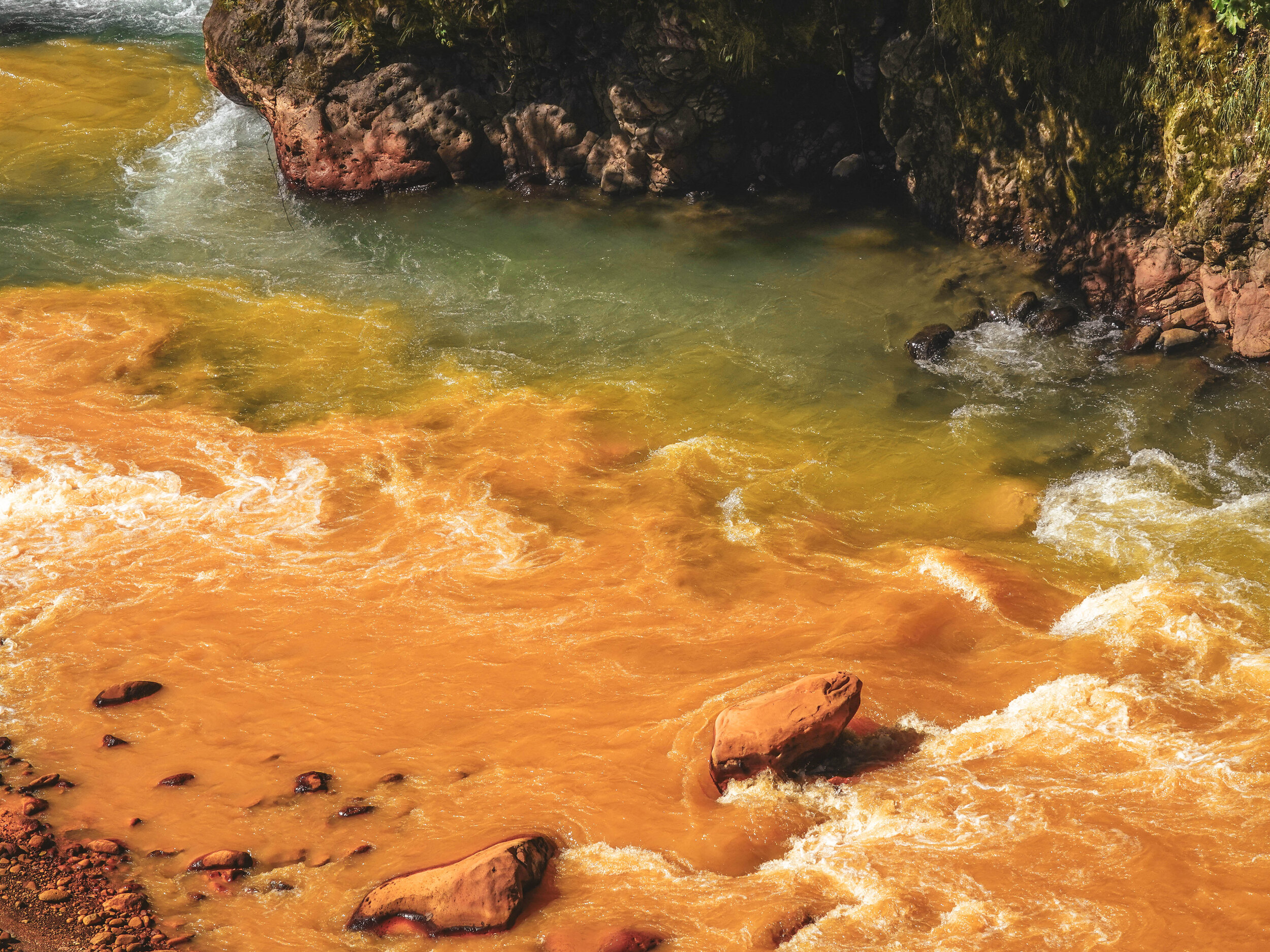
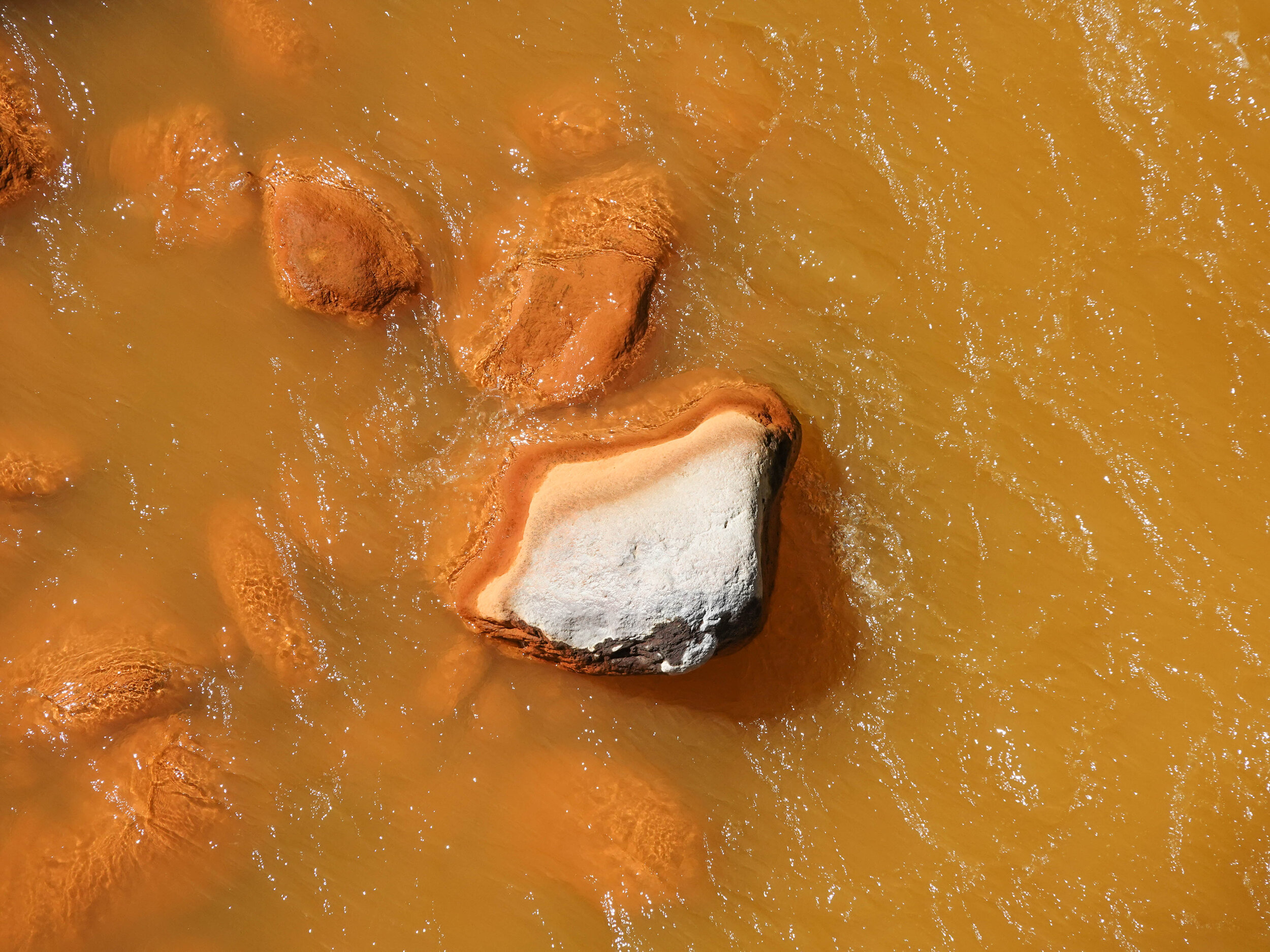
From a nearby bridge, we had a wonderful view of the confluence of two larger rivers (especially in the wet part of the year) – Río Sucio (=dirty river) and Río Honduras, with completely different “content”. Río Honduras originates just a little higher in the forest, so it’s clear and blue-green. The orange colour of the Río Sucio is due to iron and sulphur deposits coming from the Irazú volcano, which we visited on the first day of our journey.
blue + yellow
= green
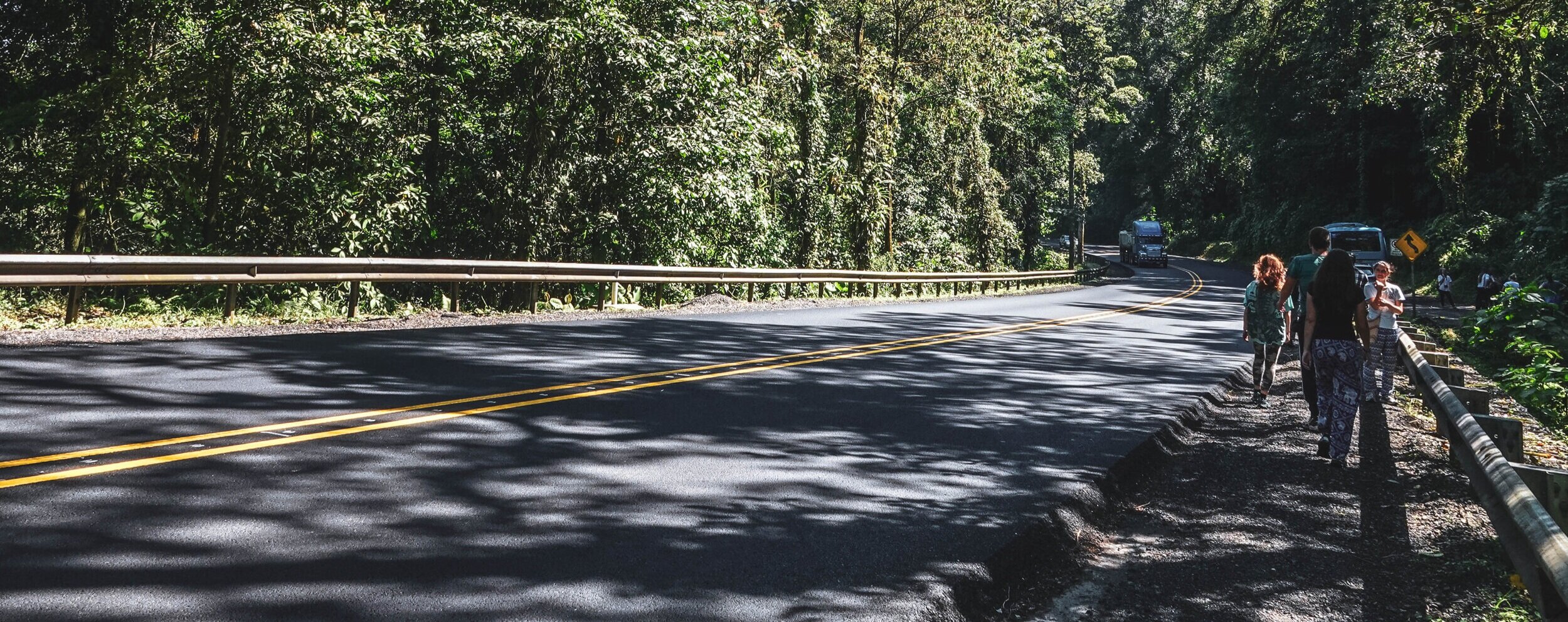
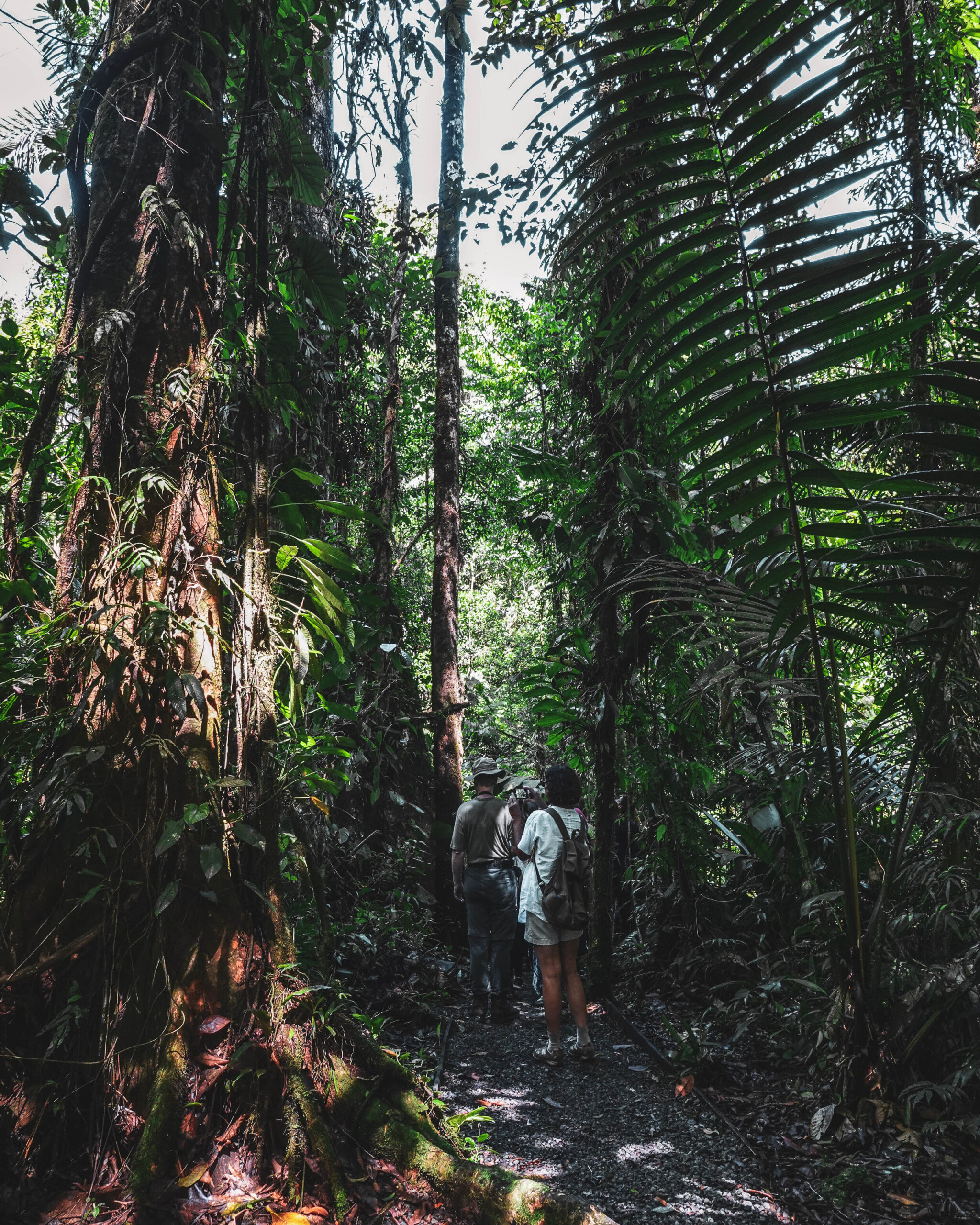
A sharp turn into the jungle!
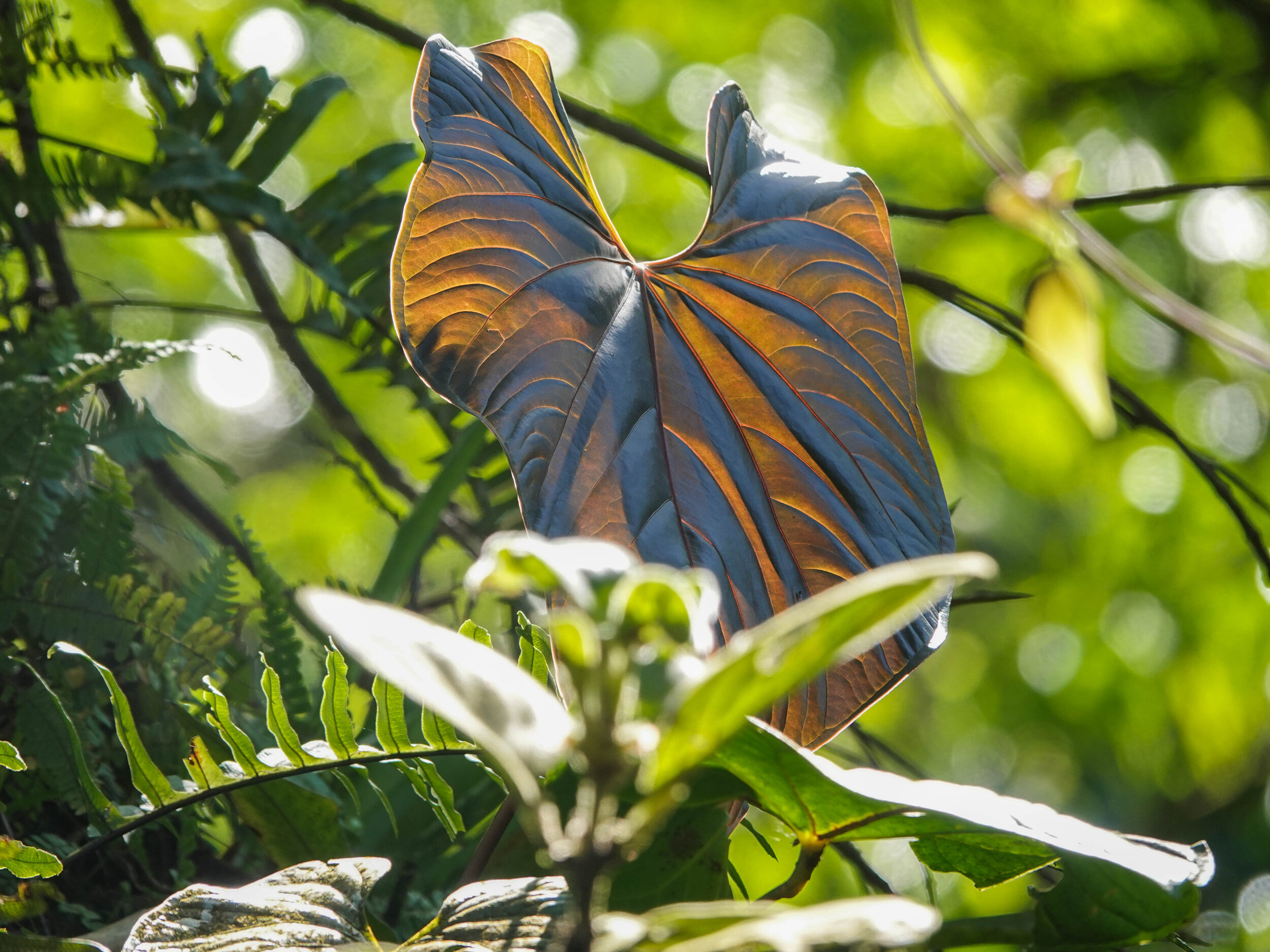
Playing with light.
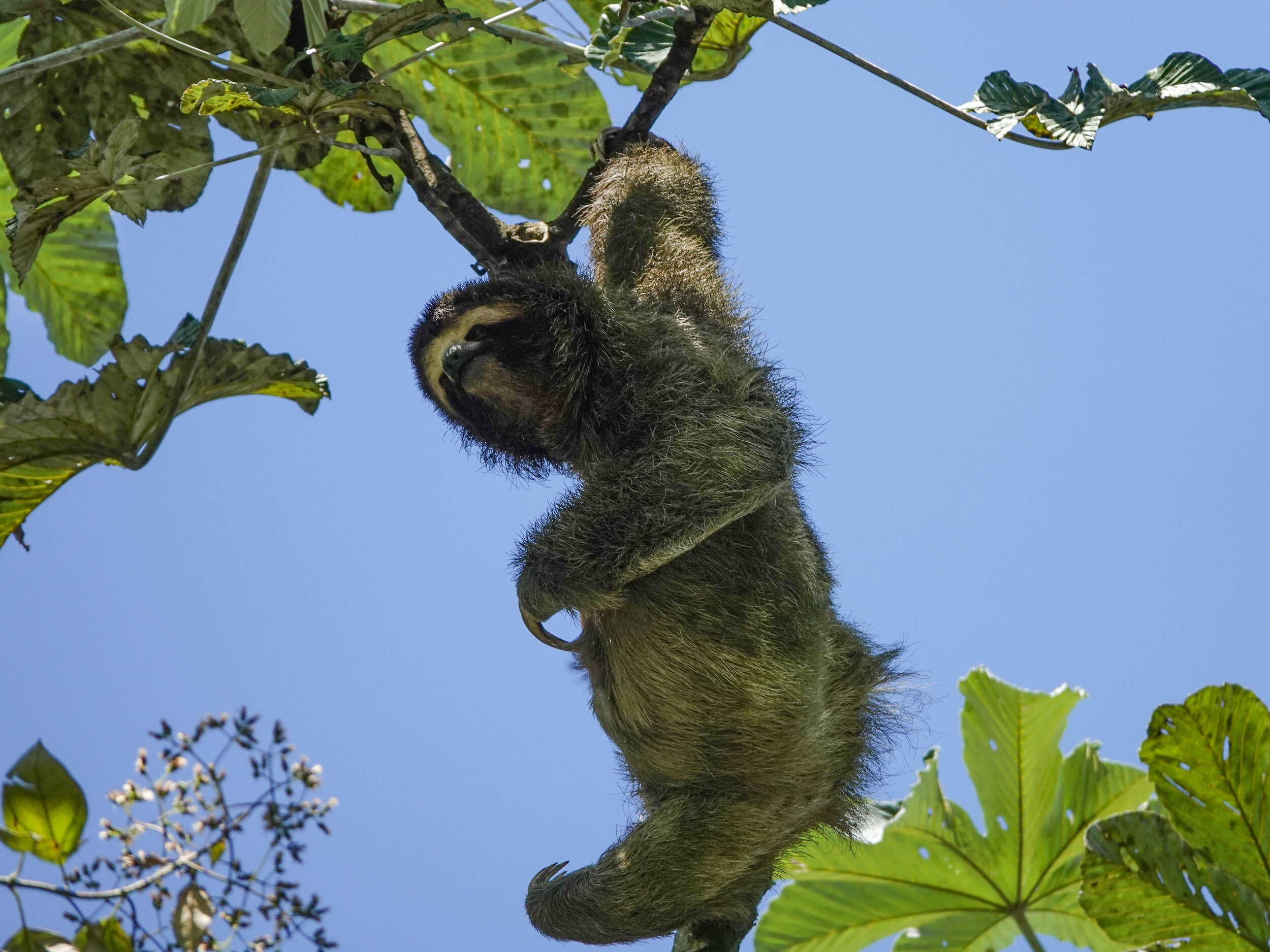
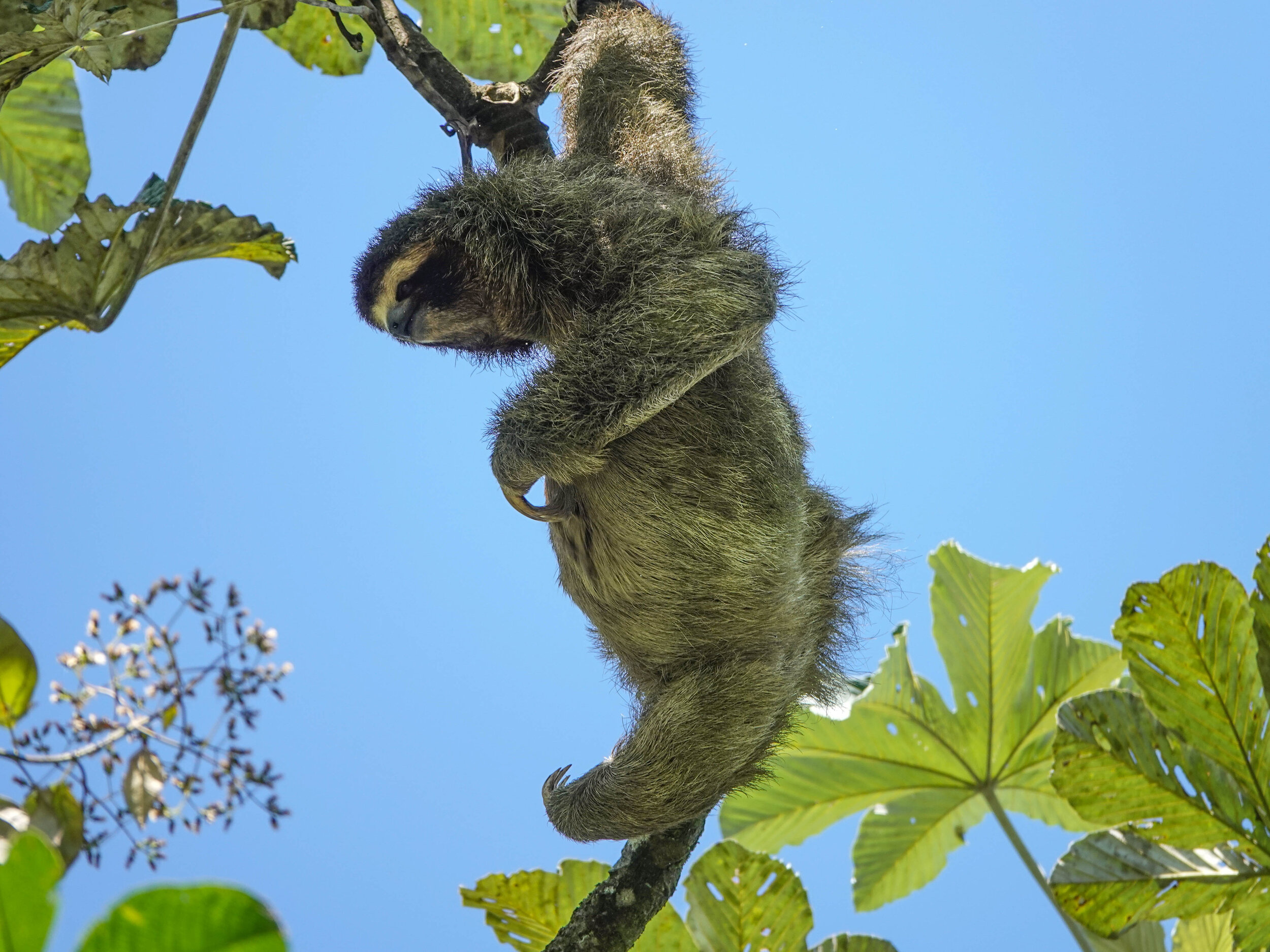
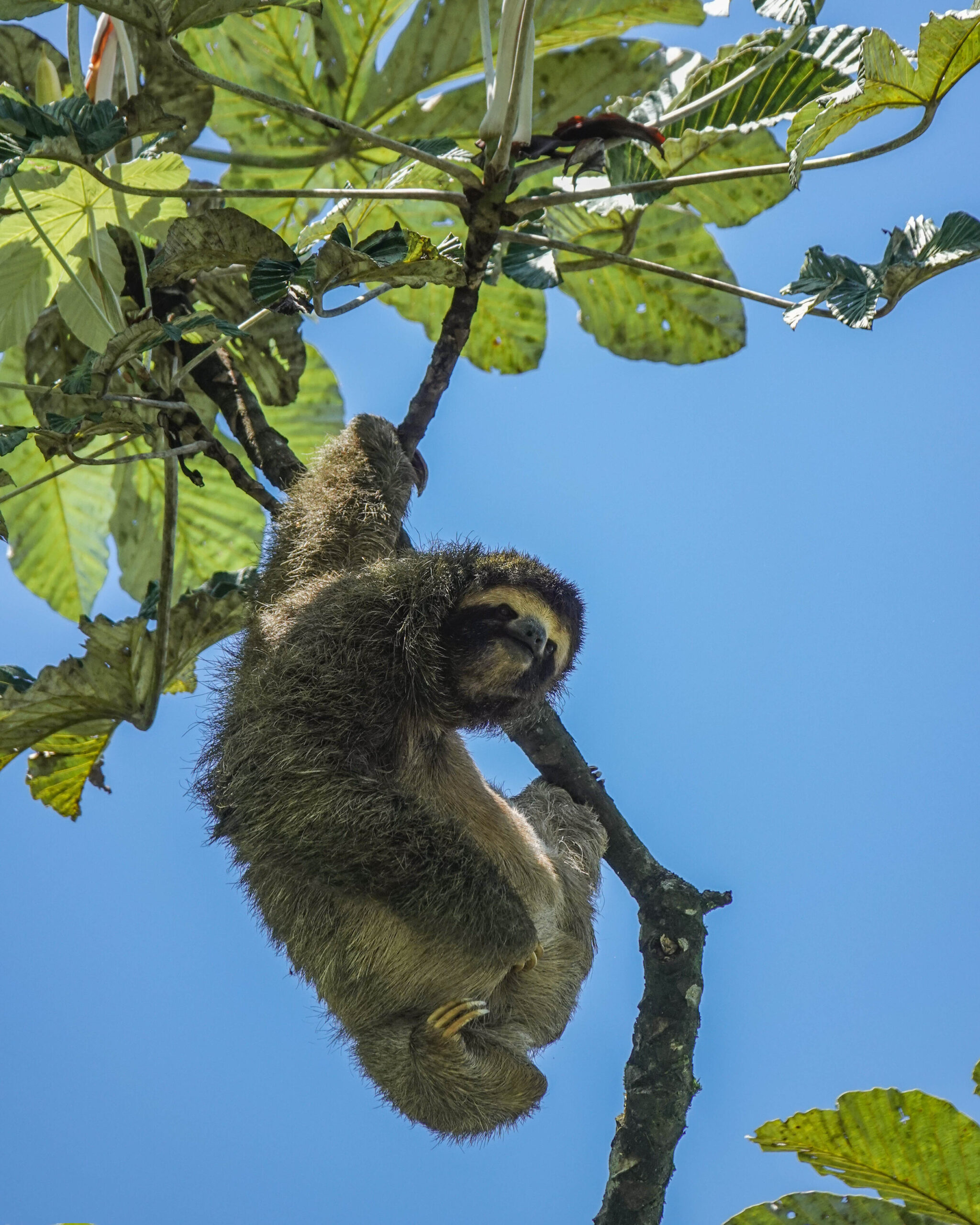
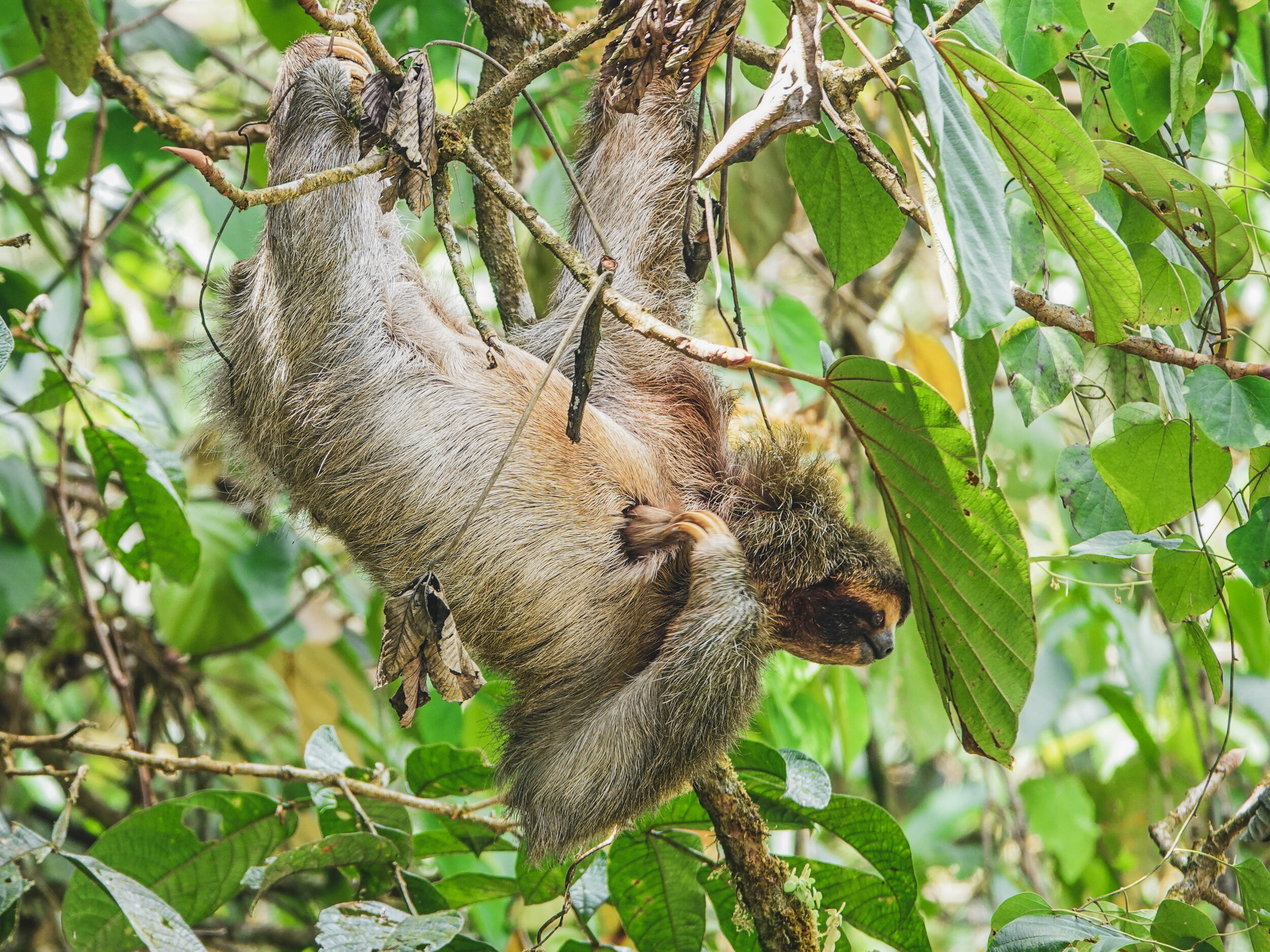
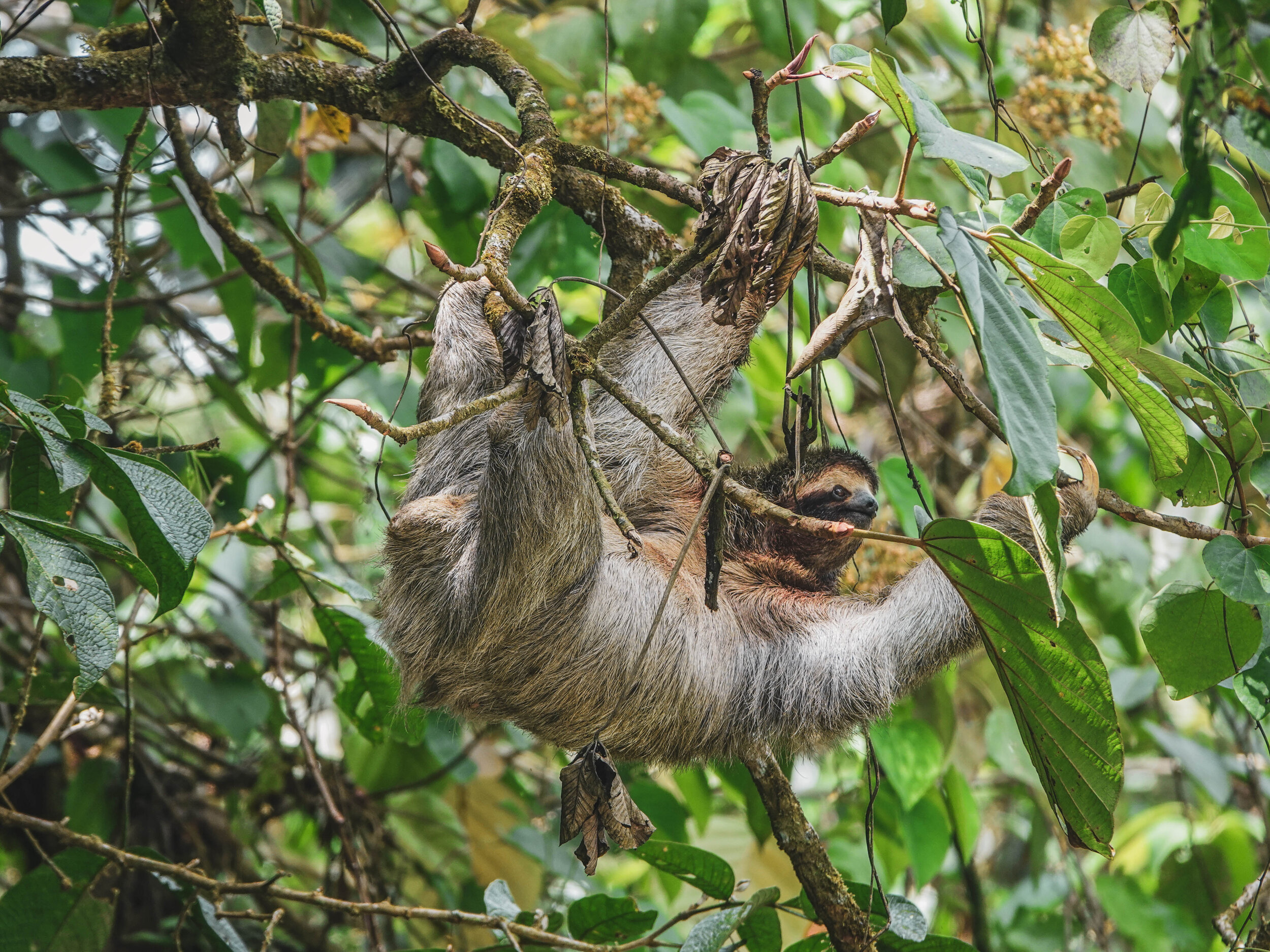
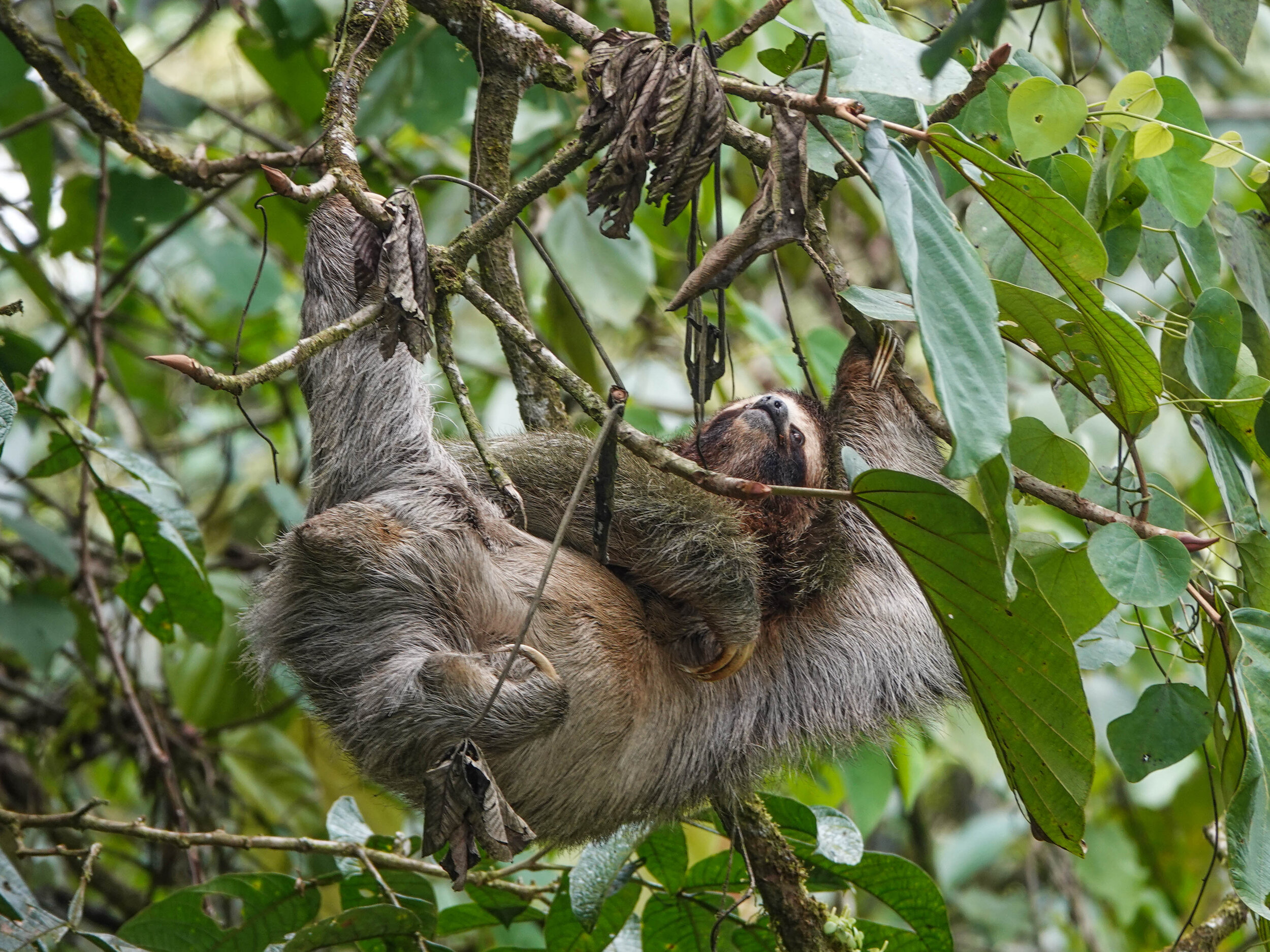
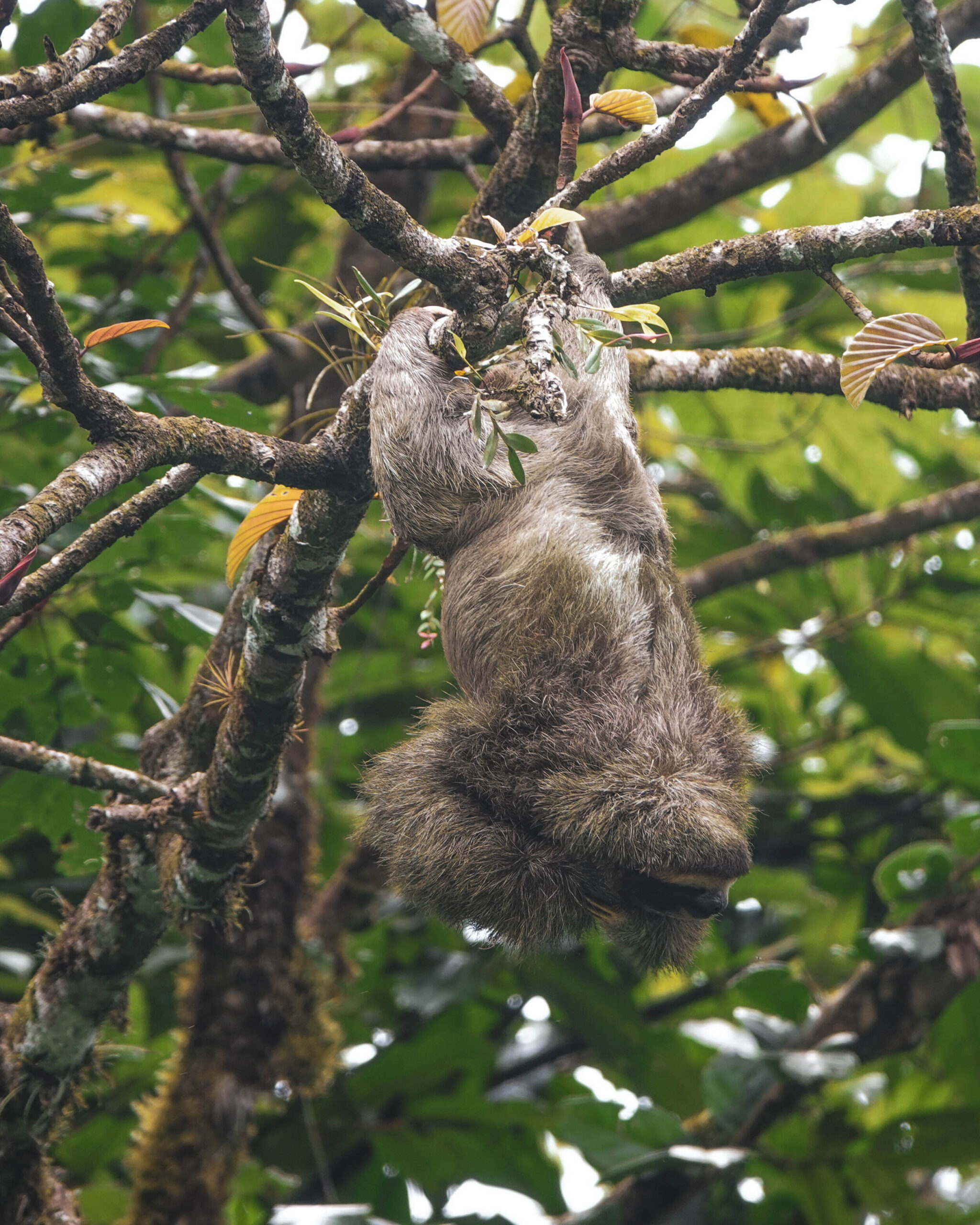
Just before entering the Caribbean rainforest, we spotted something slowly moving high above us—a three-toed sloth!
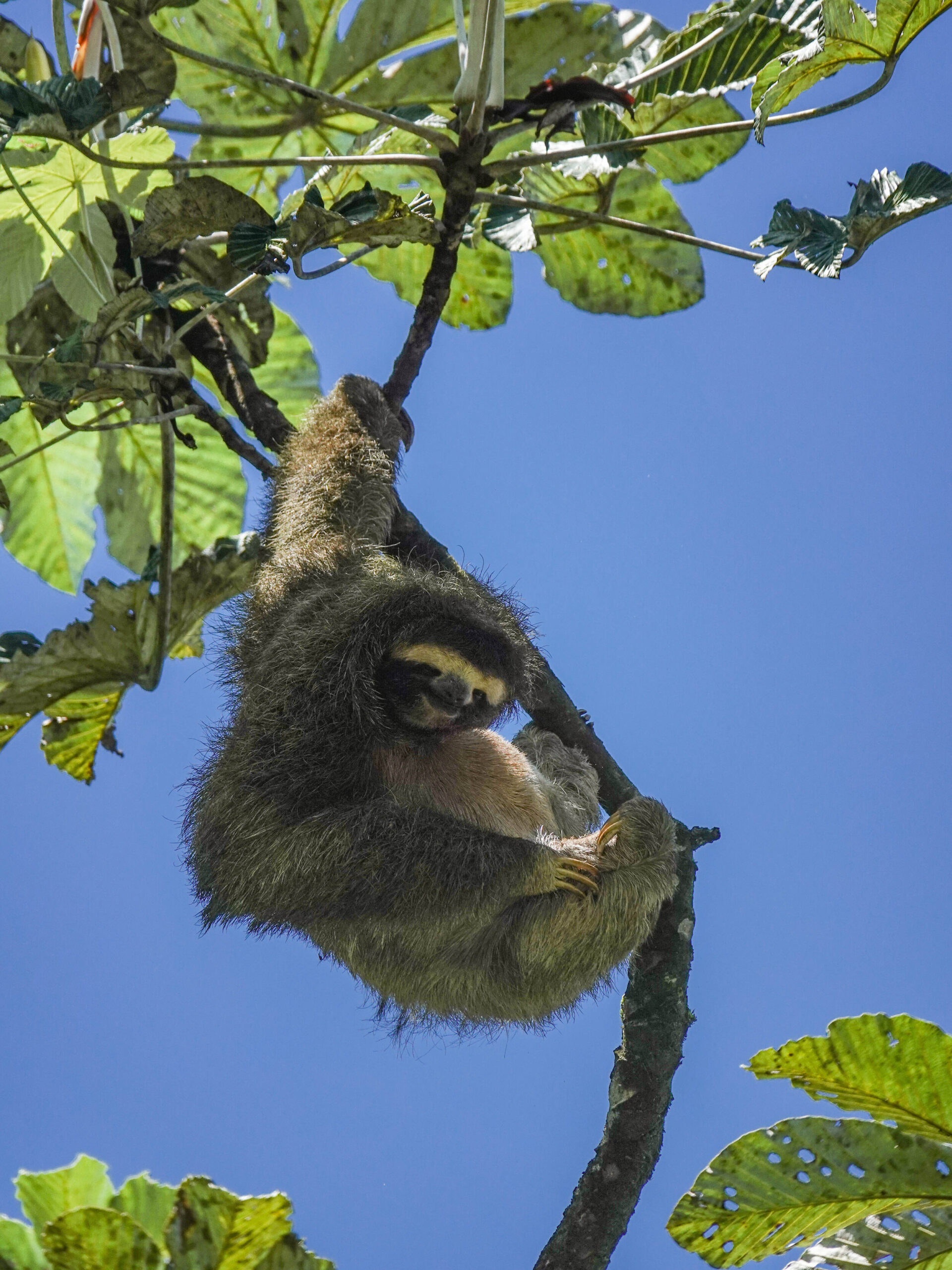
With a powerful zoom on the camera, we could admire it up close.
And laughed.
At its expressions.
Always smiling.
Perhaps it's just pretending, but it achieved the same effect on our faces.
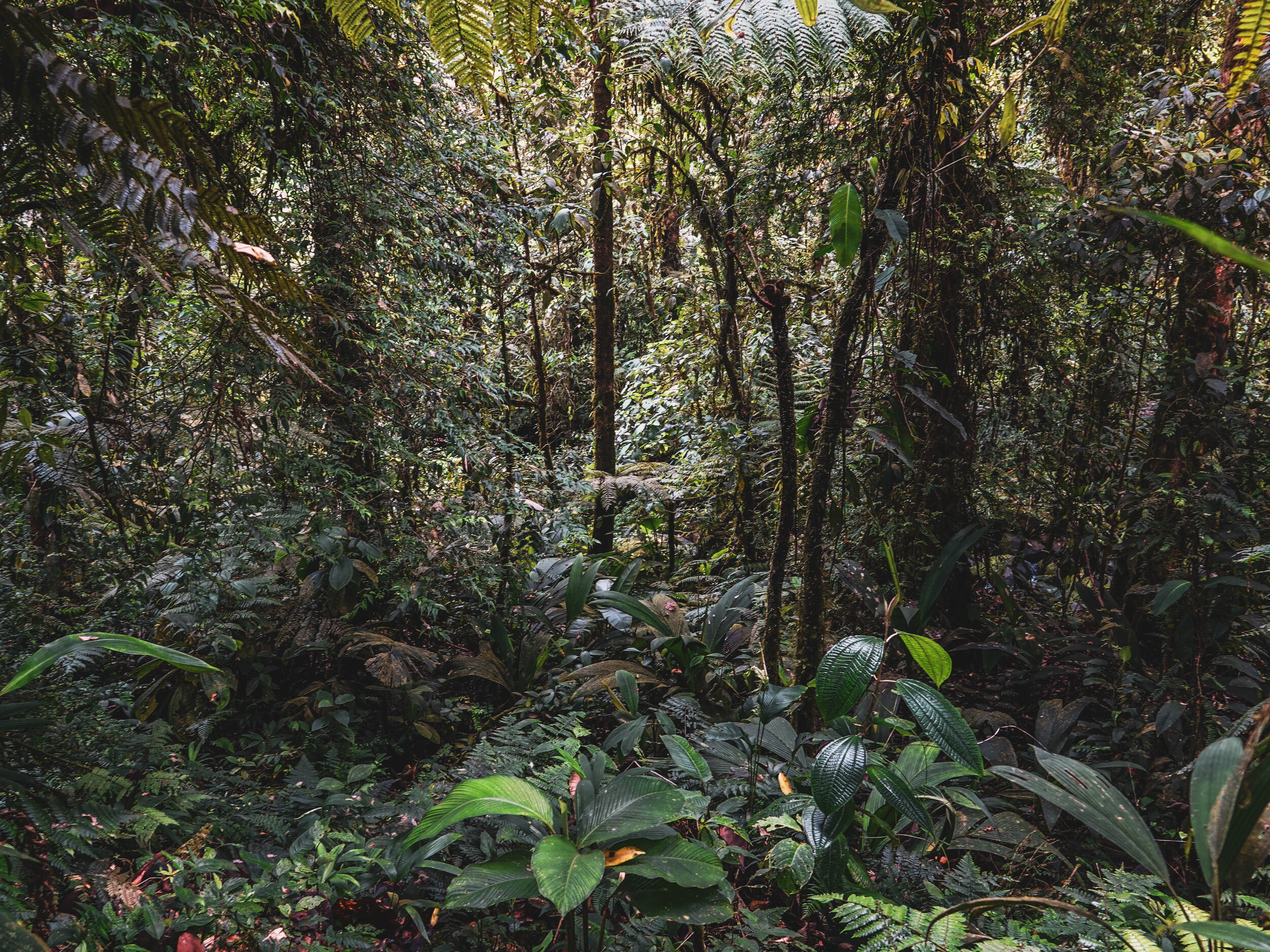
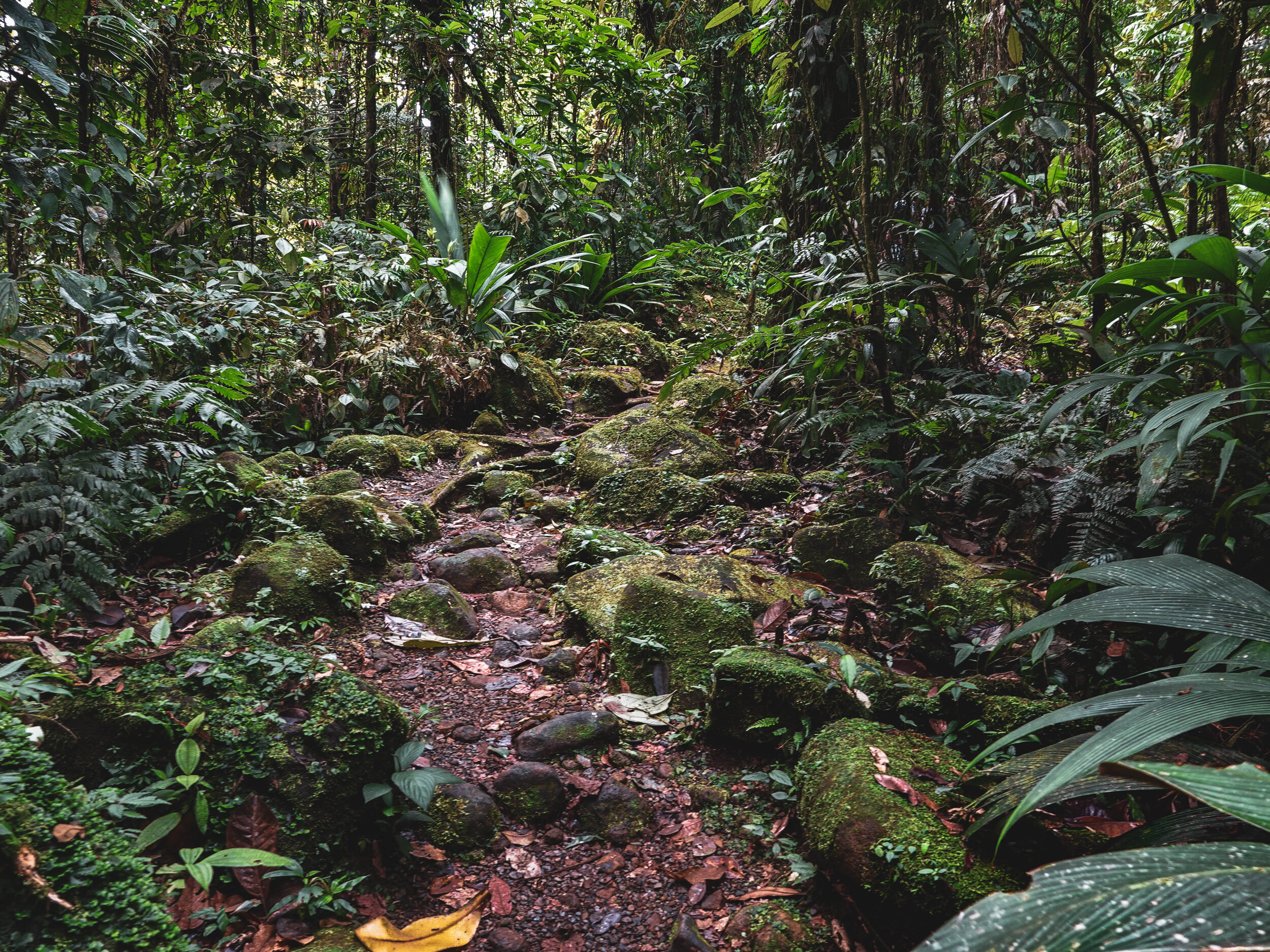
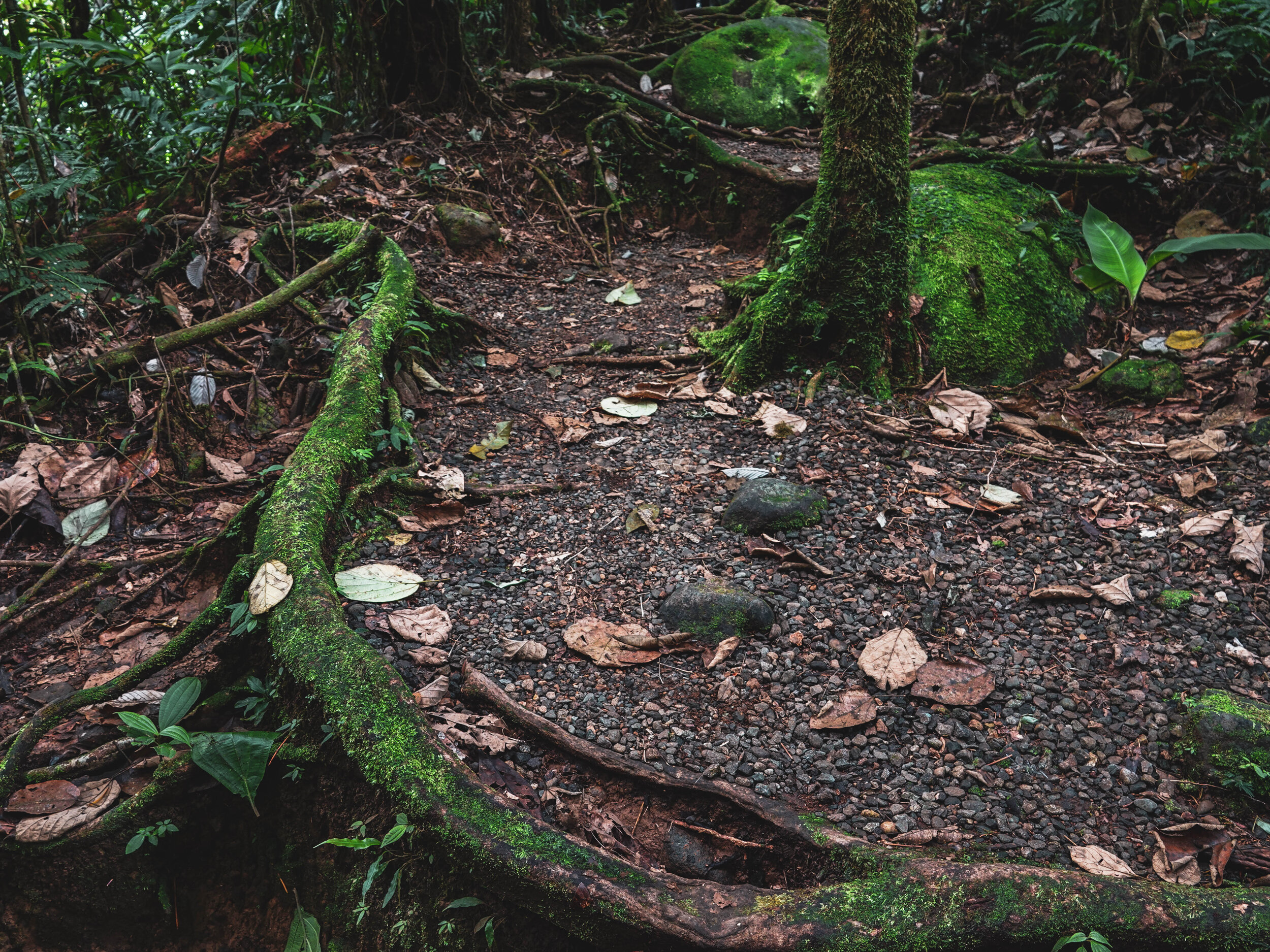
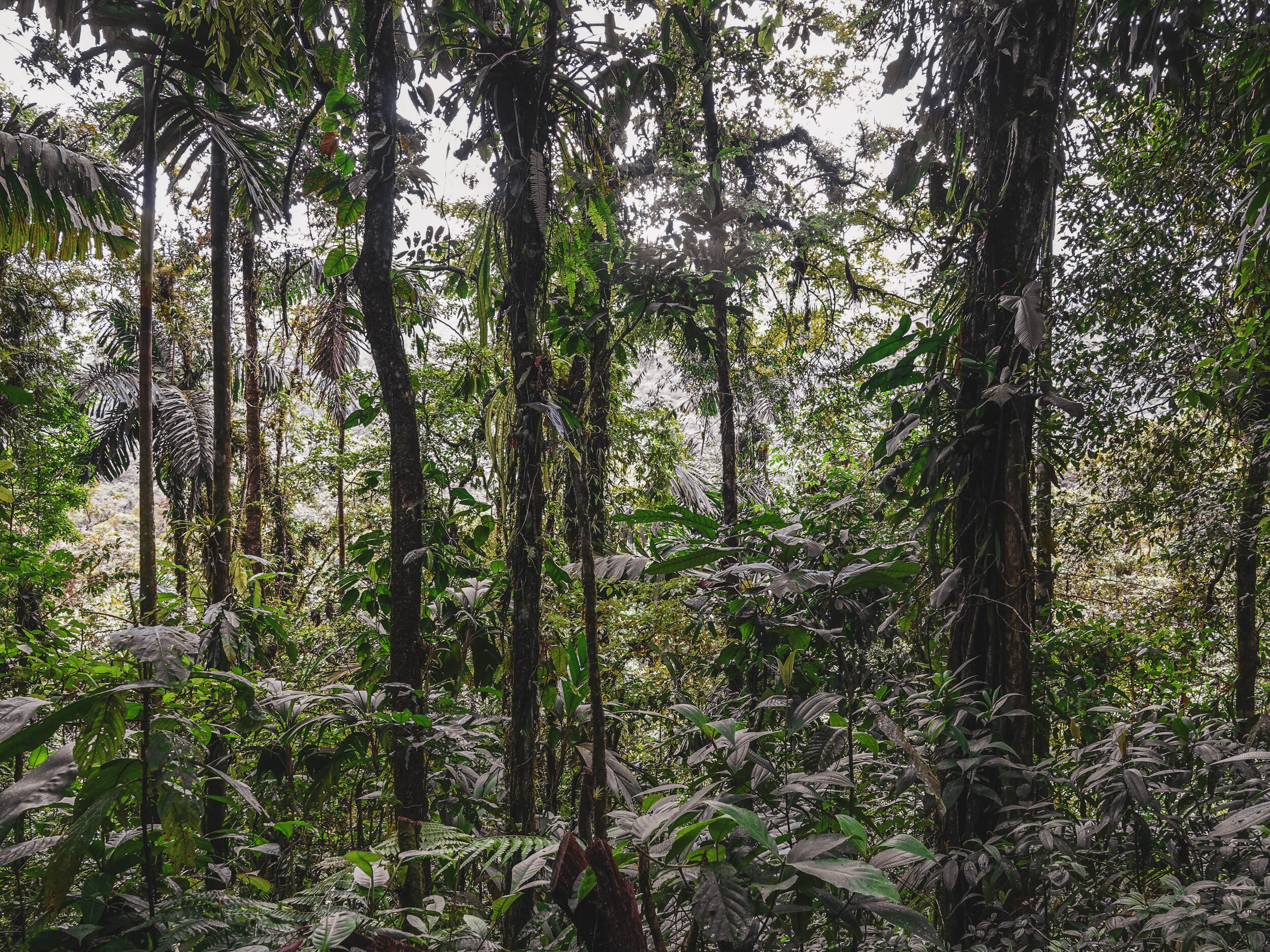
This forest was finally the true tropical rainforest I had always imagined after watching nature documentaries.
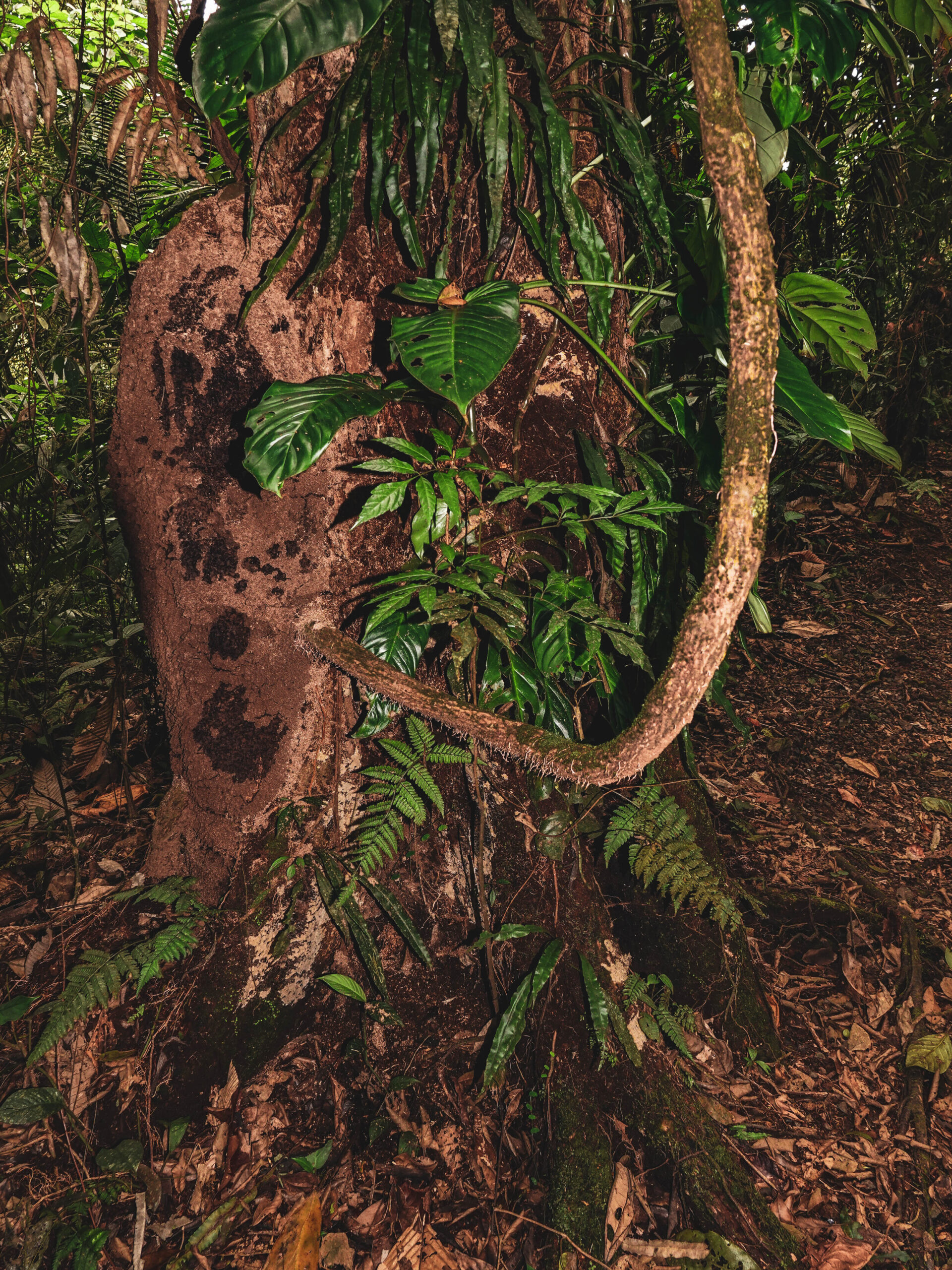
A climbing plant that has claimed a trunk.
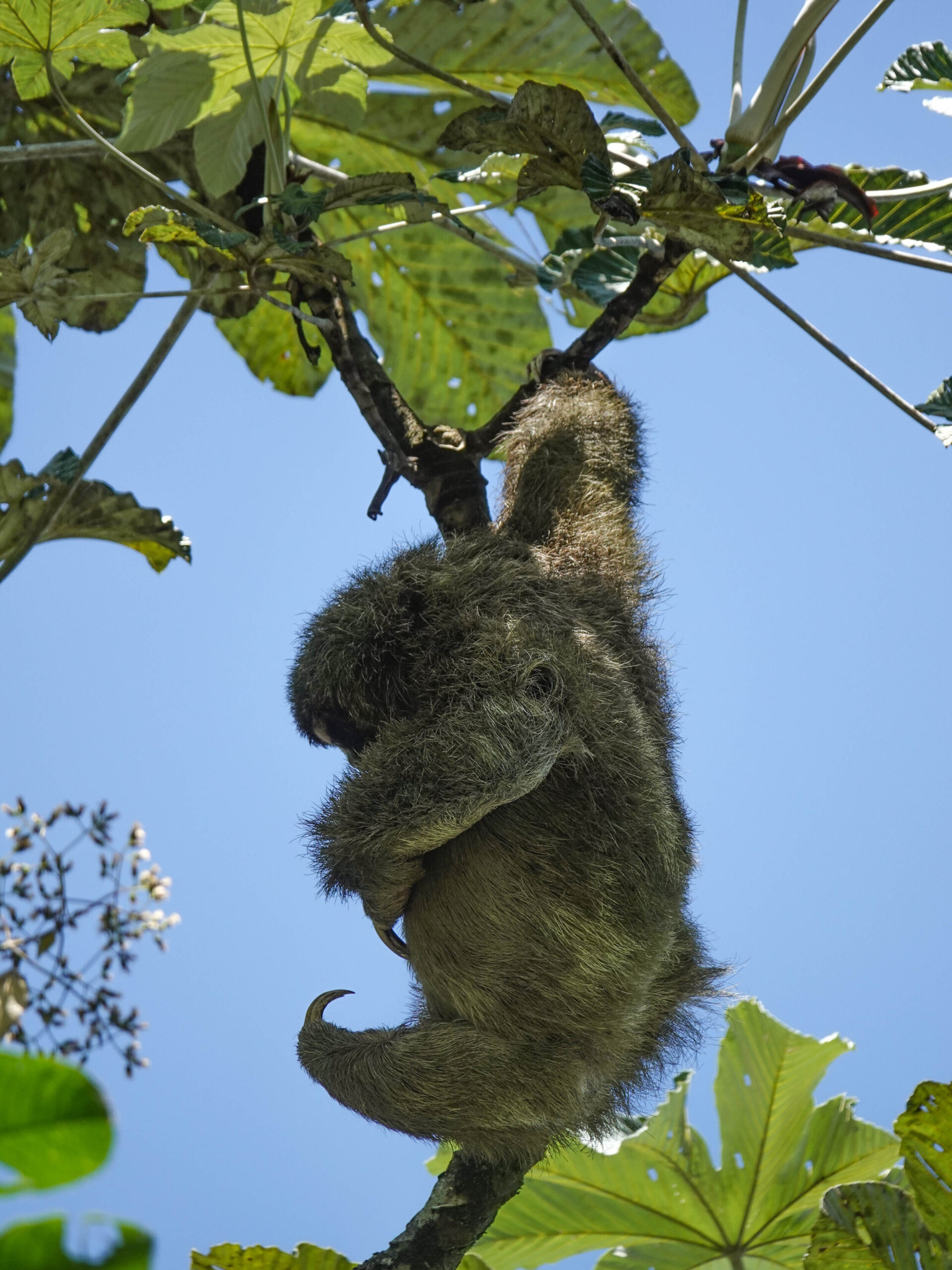
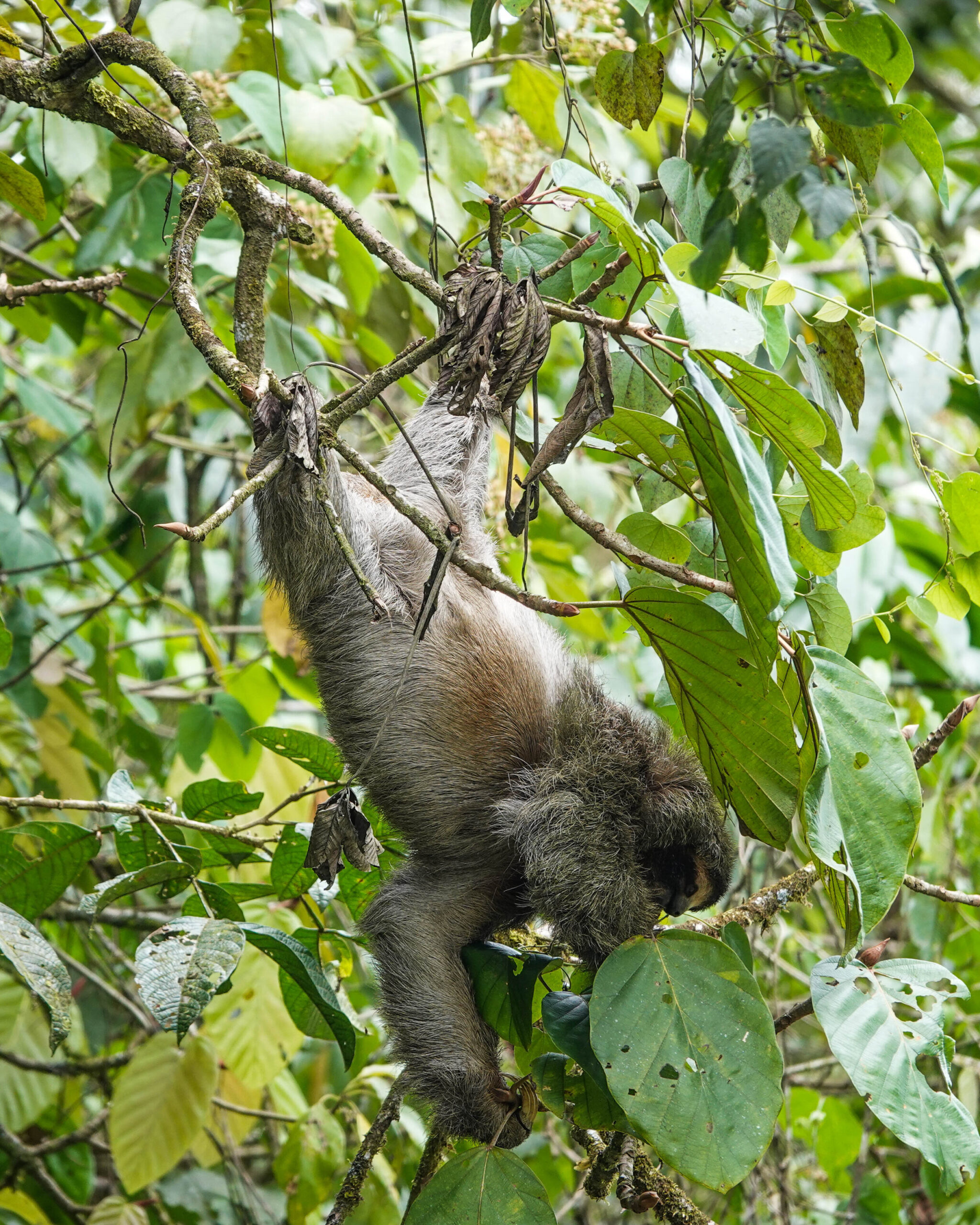
Because it saw how excited we were by the show in the treetop, it waited for us:
With a bit of attention, you can see how it pulled out a tuft of hair while scratching.
It was scratching so deeply and seemingly strongly that something must have been really tickling it.
After a closer examination of the footage, I discovered the cause – many moths and their relatives were crawling on the sloth. And this is probably just a fraction of everything hiding in its fur.
At the very bottom of this post, I’m sharing a video compilation I put together, complete with a song about sloths that will also teach you a thing or two about them.
After a long observation of the amusing sloth, we looked at another part of the forest.
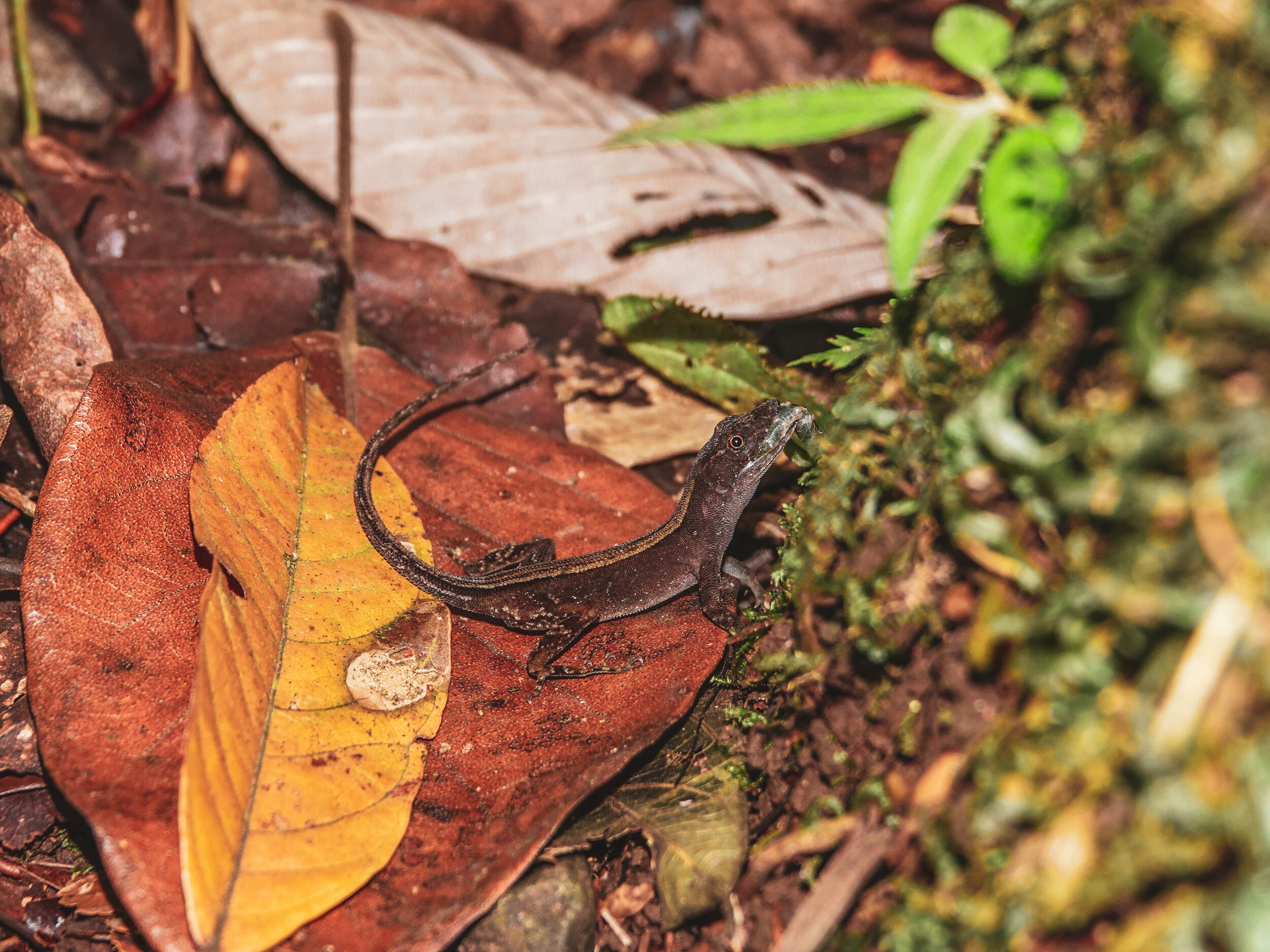
Not a snake. And despite being non-venomous, it draws attention to itself with its warning colour.
What does this one have in its mouth? We caught it in the act of swallowing a caterpillar.
Along the path, we saw a non-venomous snake that quickly escaped into the depths of the forest.
The atmosphere was incredibly calm—this area is known for frequent rain, but we got lucky with a day of sunshine, scattered clouds, and mild temperatures.
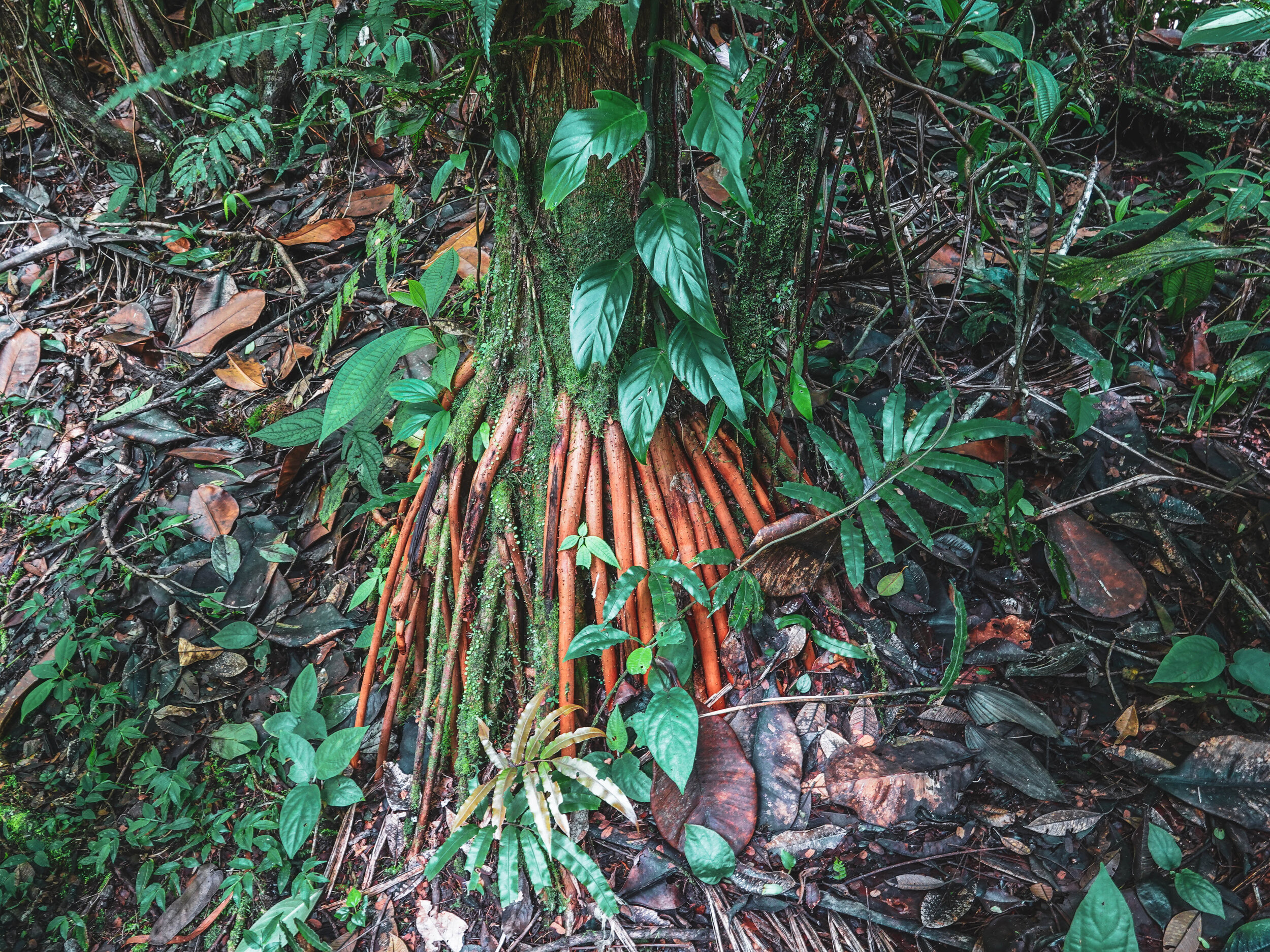
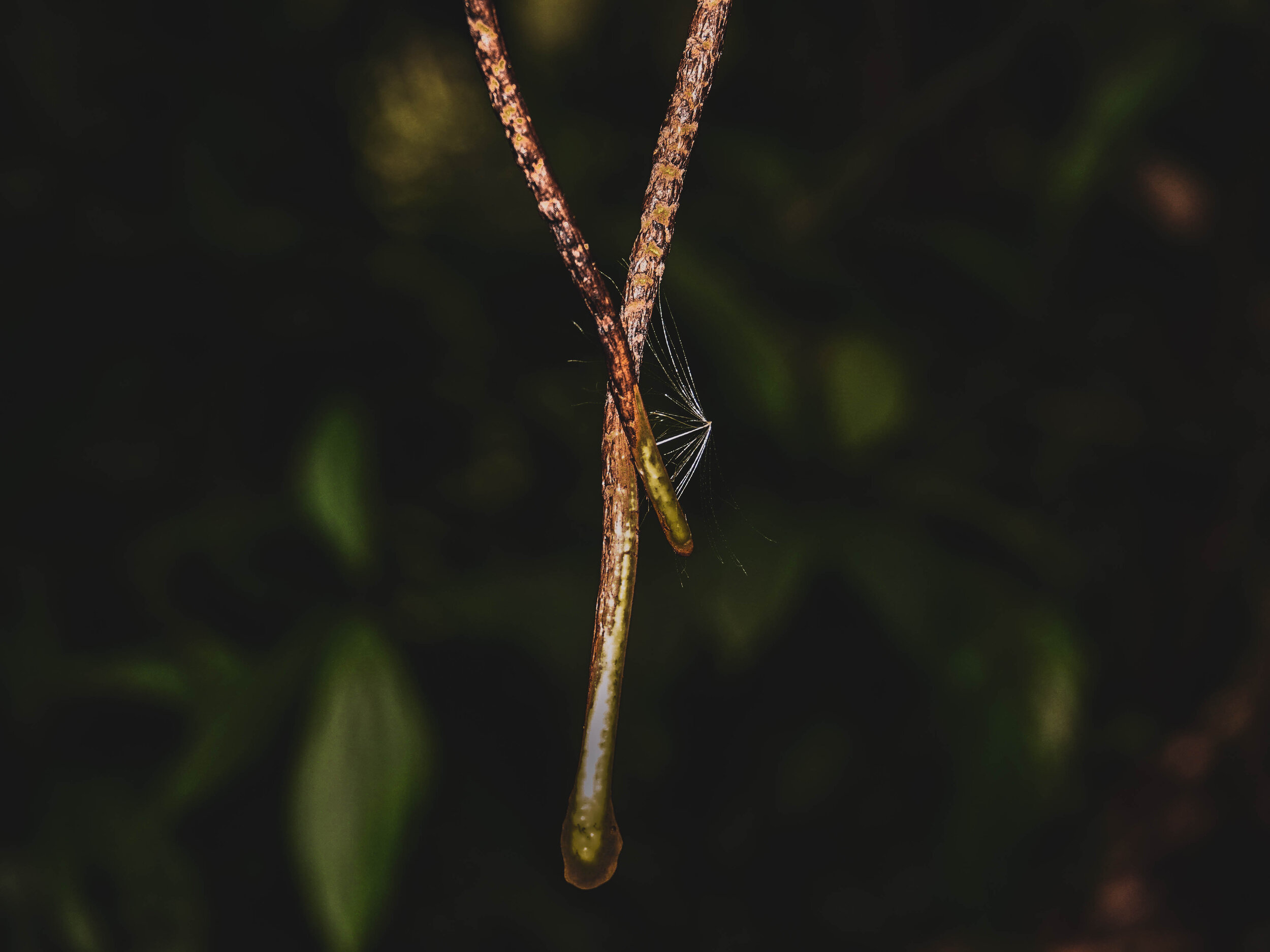
No, this isn’t a cotton swab or tree sap on a stick—it’s a root cap, which protects roots as they push through soil and rock.
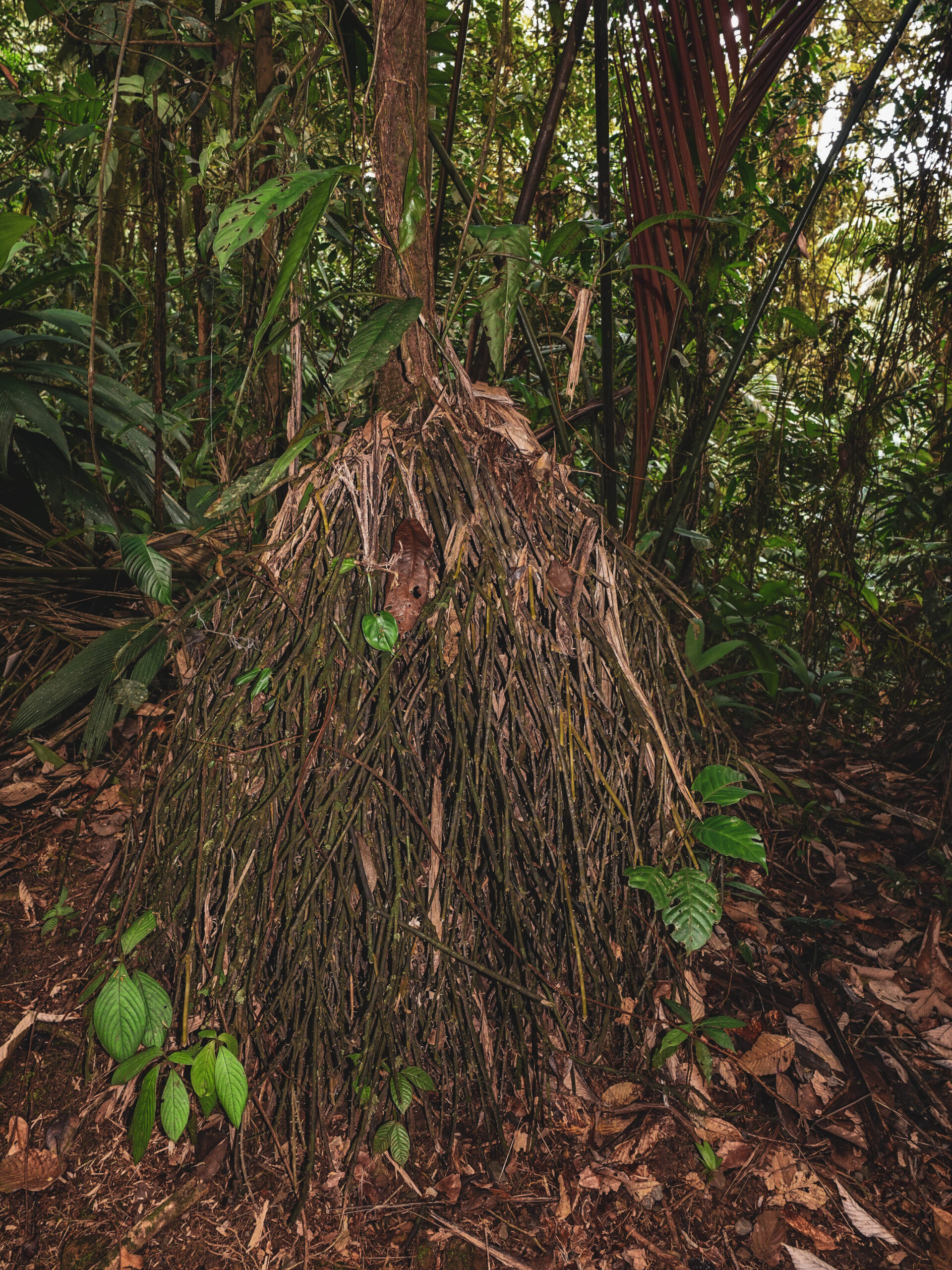
Termite nest.
In previous posts, I’ve mentioned leafcutter ants. Well, this is one of their nests. We saw even bigger ones—up to 5 meters wide!
Almost at the end, a bit of fun. 😉
*I recommend turning on the sound if you want to learn more about sloths
**at 35s, the moths in the fur become clearly visible
The last day in Costa Rica
Our final day was spent in San José, with time to explore the city on our own, sample local specialties, and pick up some souvenirs.
via Slovenia
San José – Zürich – Venice
And with that, I wrap up this Costa Rican adventure—a country I truly hope will still be as full of life when I return in my old age.
To you, I wish endless energy for your next adventures.