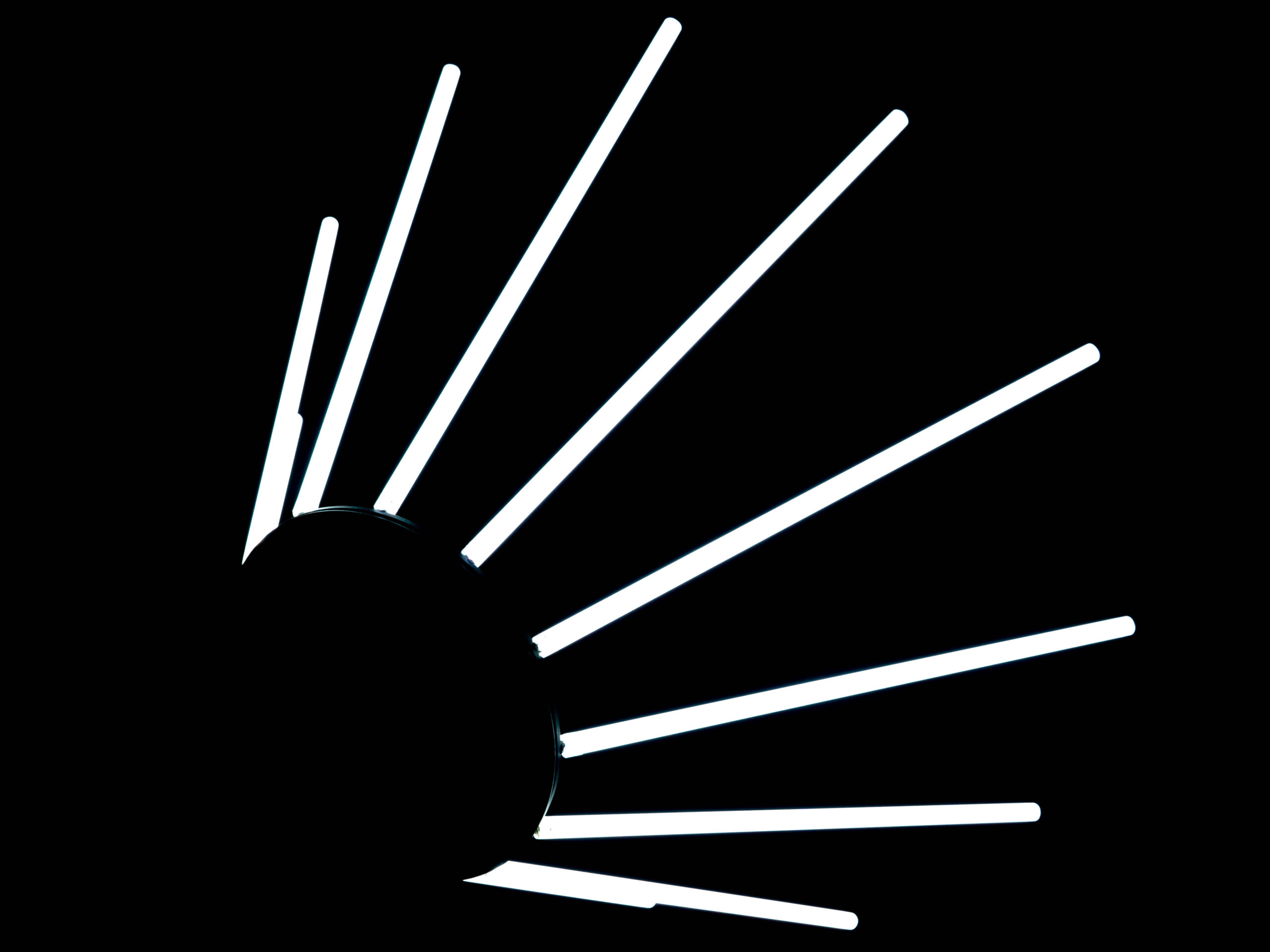
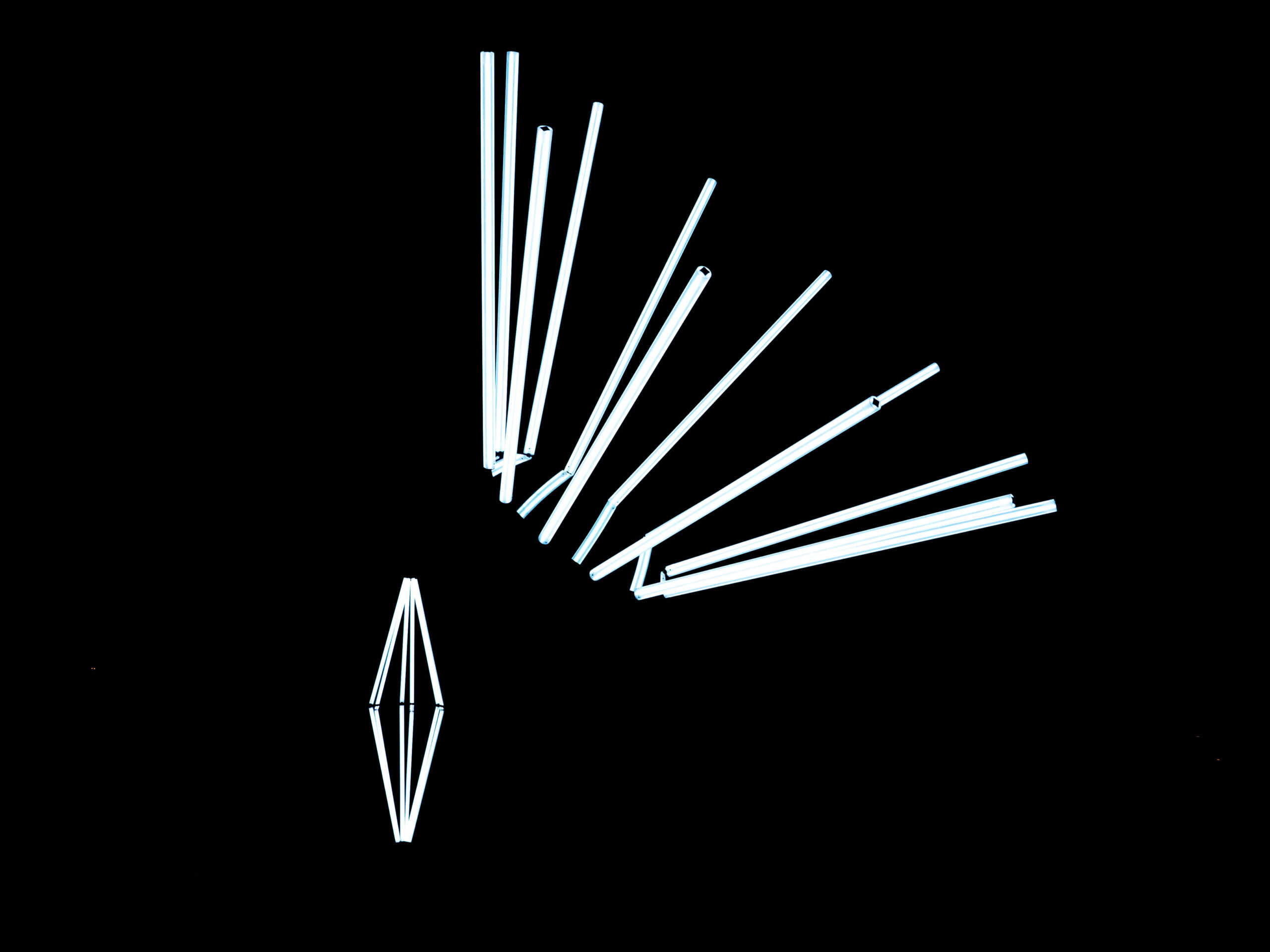
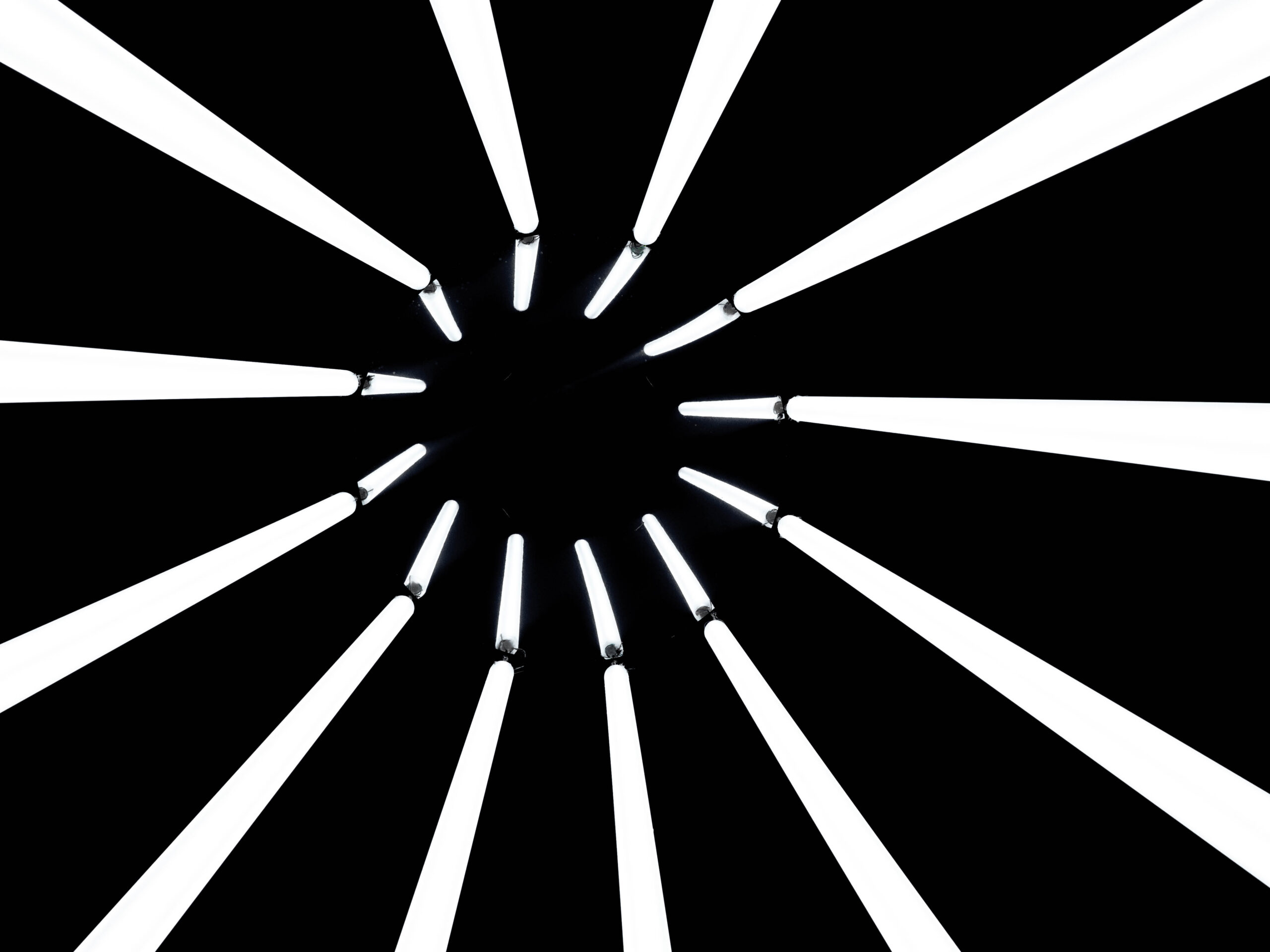
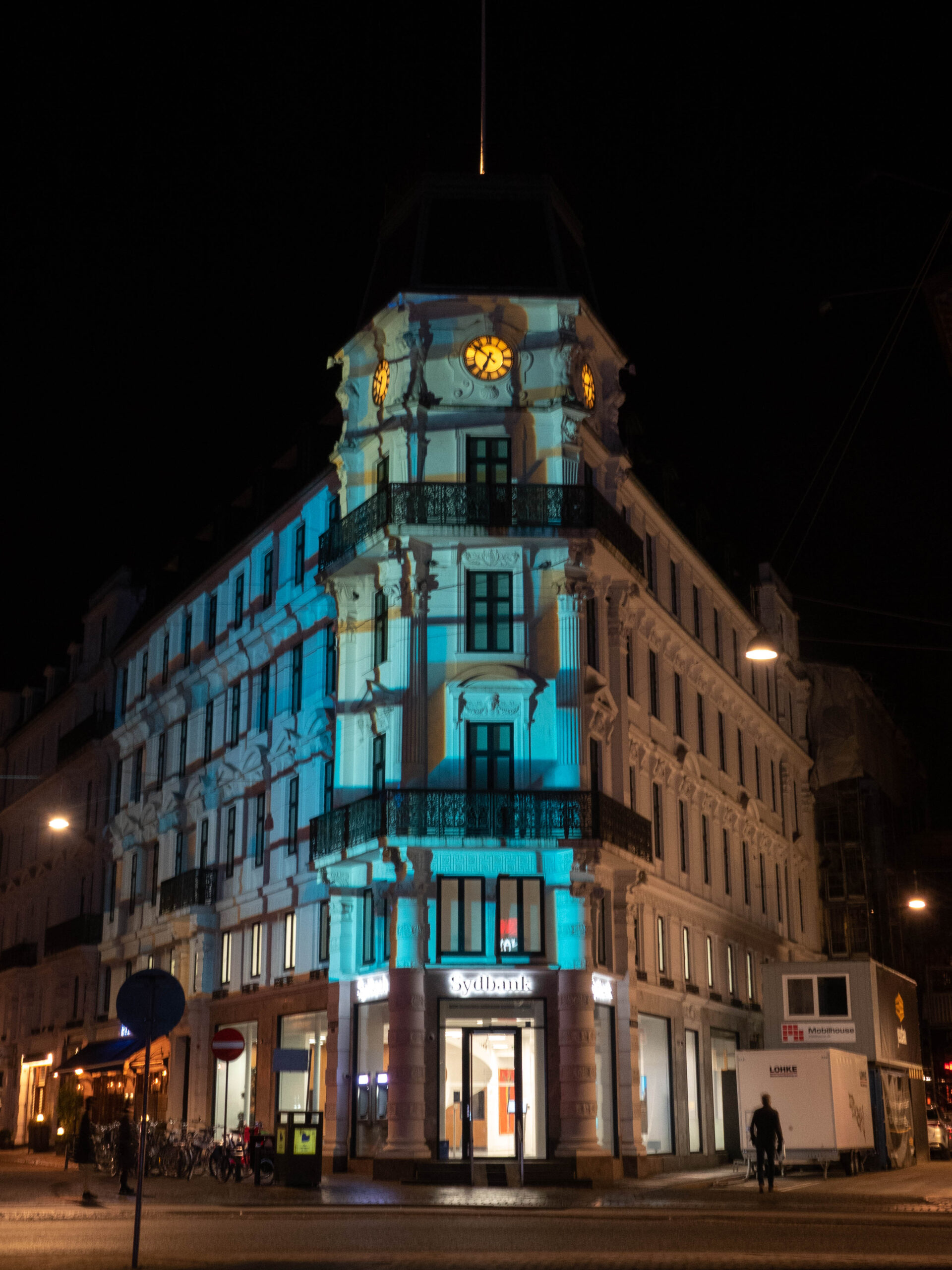
Recently, on a friend’s recommendation, I visited the Copenhagen Light Festival, which has been illuminating the dark February evenings for several years now. Many rank it among the most beautiful festivals of its kind in the world! Alongside over a hundred exhibited works scattered throughout the city, the festival also features social events, bathed in light powered by a nearby wind turbine.
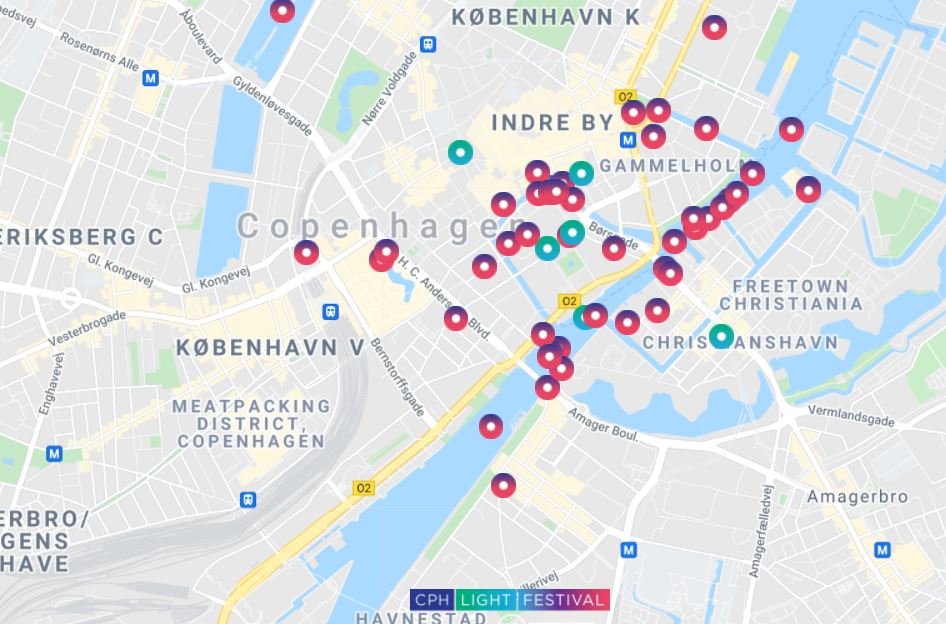
To make exploring easier, the organisers developed an app with a map of all the installations – incredibly handy during my visit to the glowing city centre ➝
To help you better feel the vibe of the festival, you can watch the video below before diving into the individual creations.
Beautiful, isn’t it?
I explored the festival before reading the descriptions of each installation – a mistake I won’t repeat next time. The stories behind the pieces are truly original and add the depth that I sometimes missed while just observing. Since I was so inspired by the works, I’ll now share all the installations that caught my eye, along with a short description prepared by the artists themselves (in brackets). I hope they spark something in you too!
If any of the photos particularly catch your eye, let me know – I’ll be submitting three to a photo competition. Thanks!
That’s all for now. Enjoy the festival experience!
Don’t Be Blue
Mads Vegas
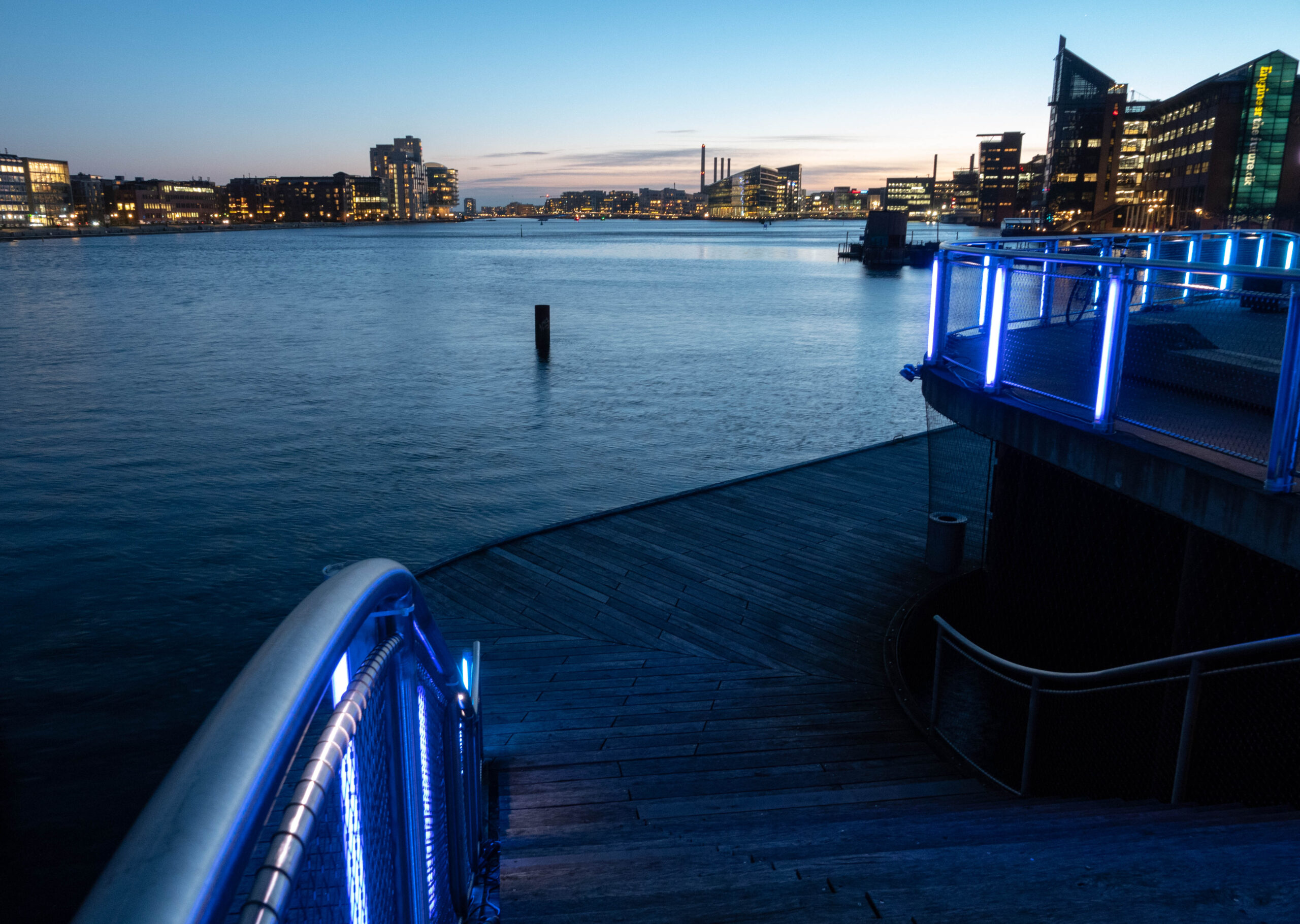
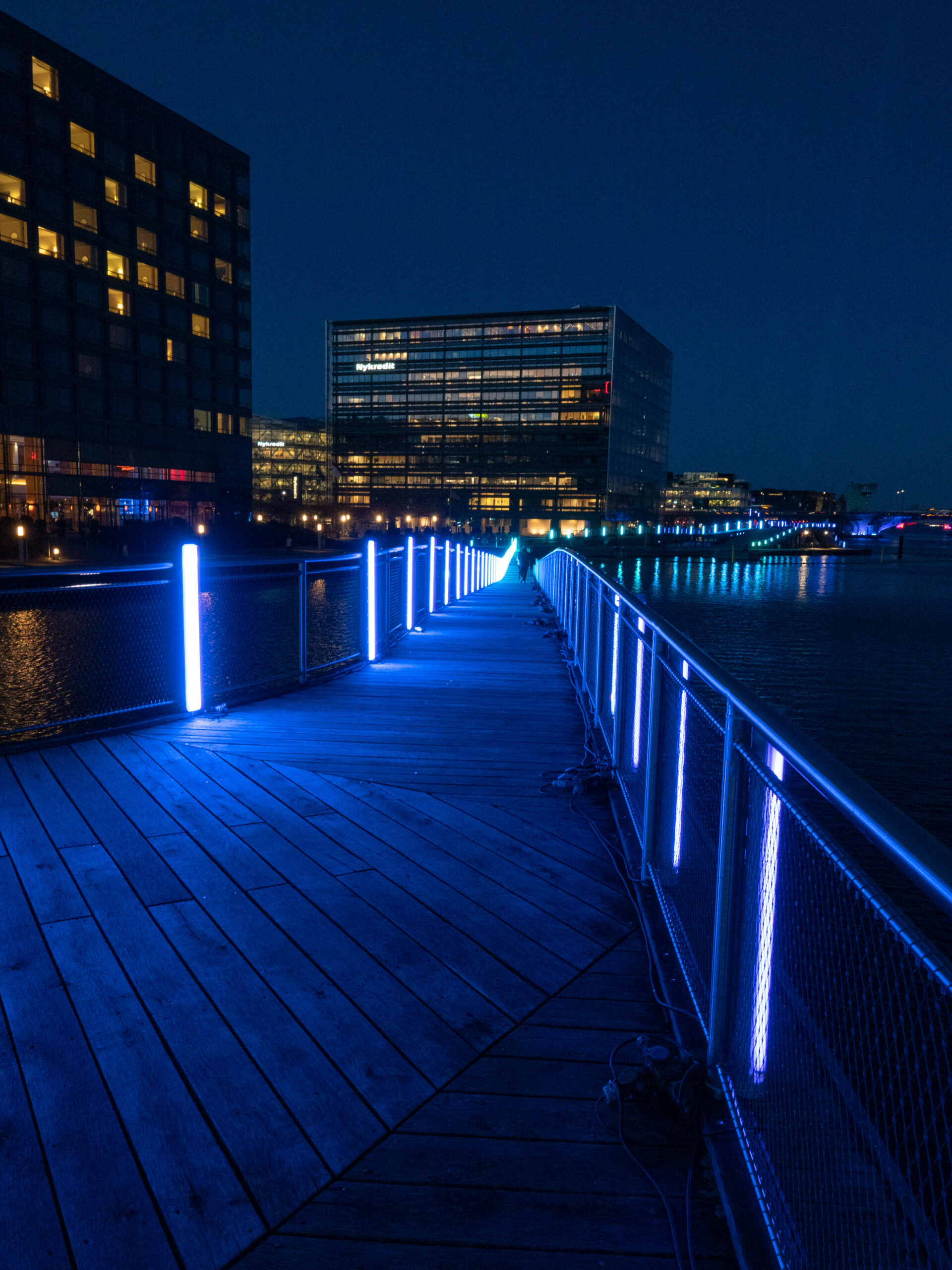
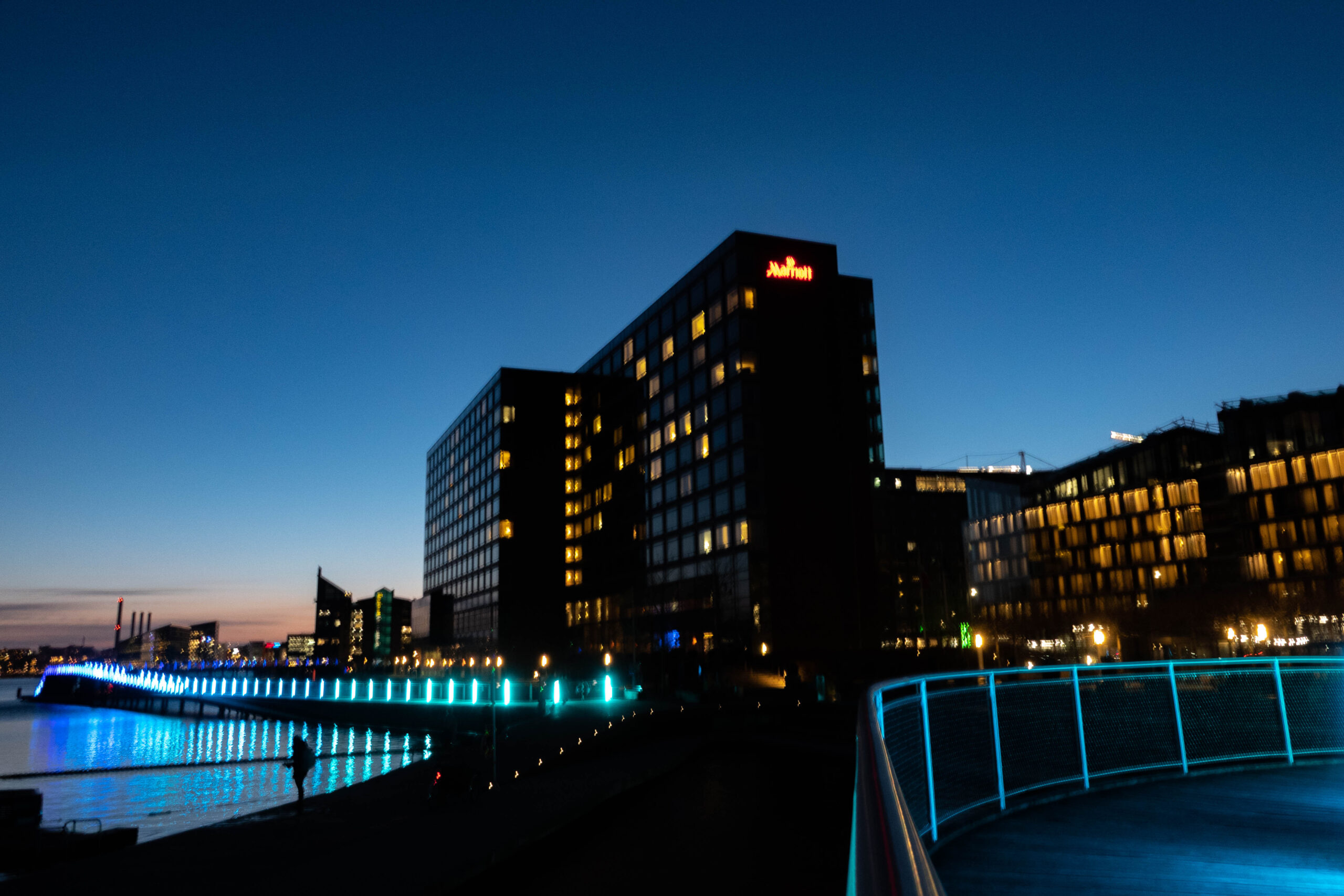
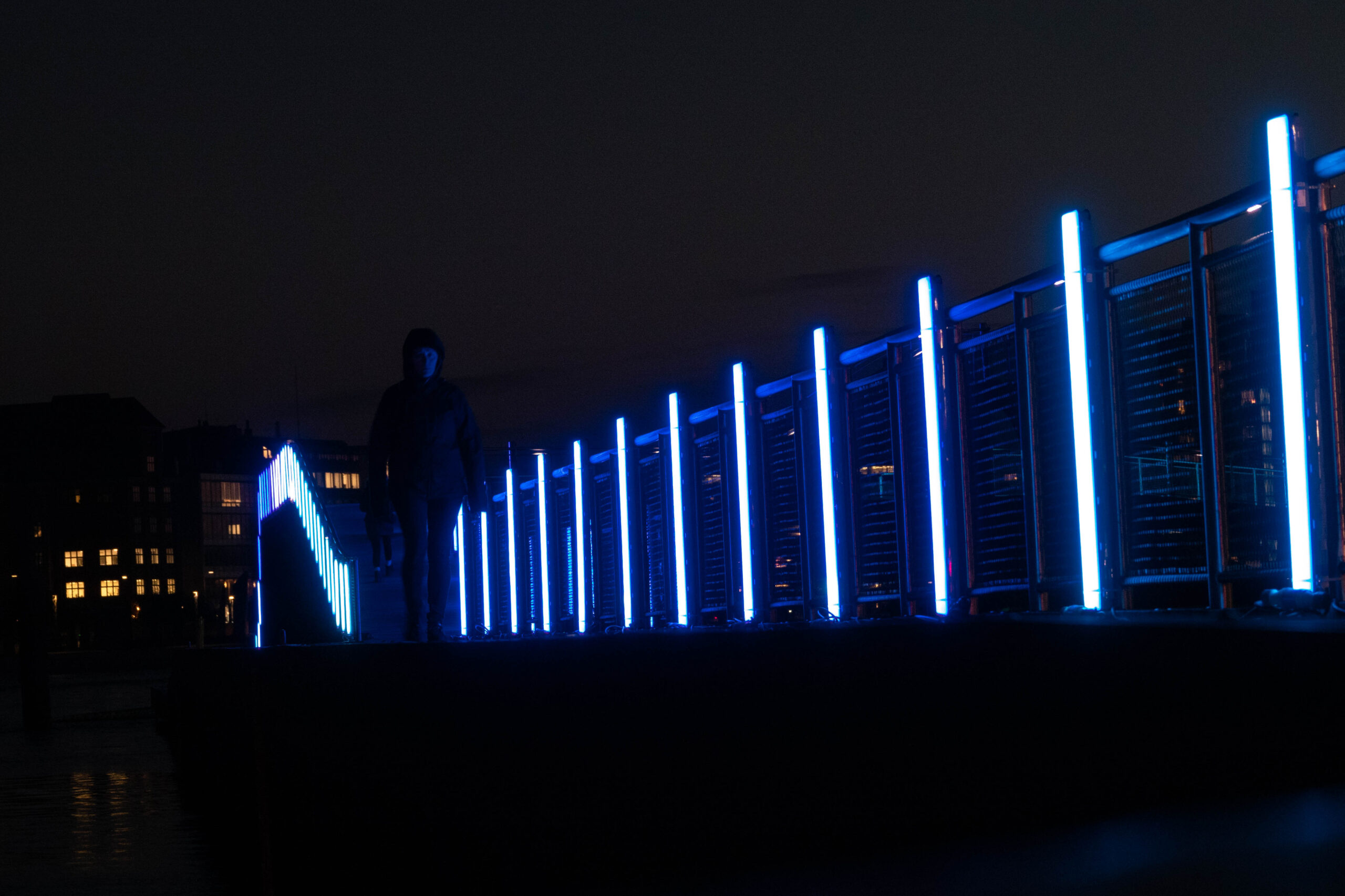
This light installation consists of around 250 luminaires in shades of blue only, playing with the architecture of the waterfront promenade Kalvebod Bølgen.
In chromotherapy (a healing method based on coloured light), blue is believed to calm and soothe both body and mind. It promotes steady, balanced breathing and may help with insomnia and stress.
“Don’t Be Blue” brings peace and joy to those walking beneath the soft blue glow, while inviting festival-goers to pause, connect, and share a moment – helping each other out of loneliness.
Nikta
Mads Vegas
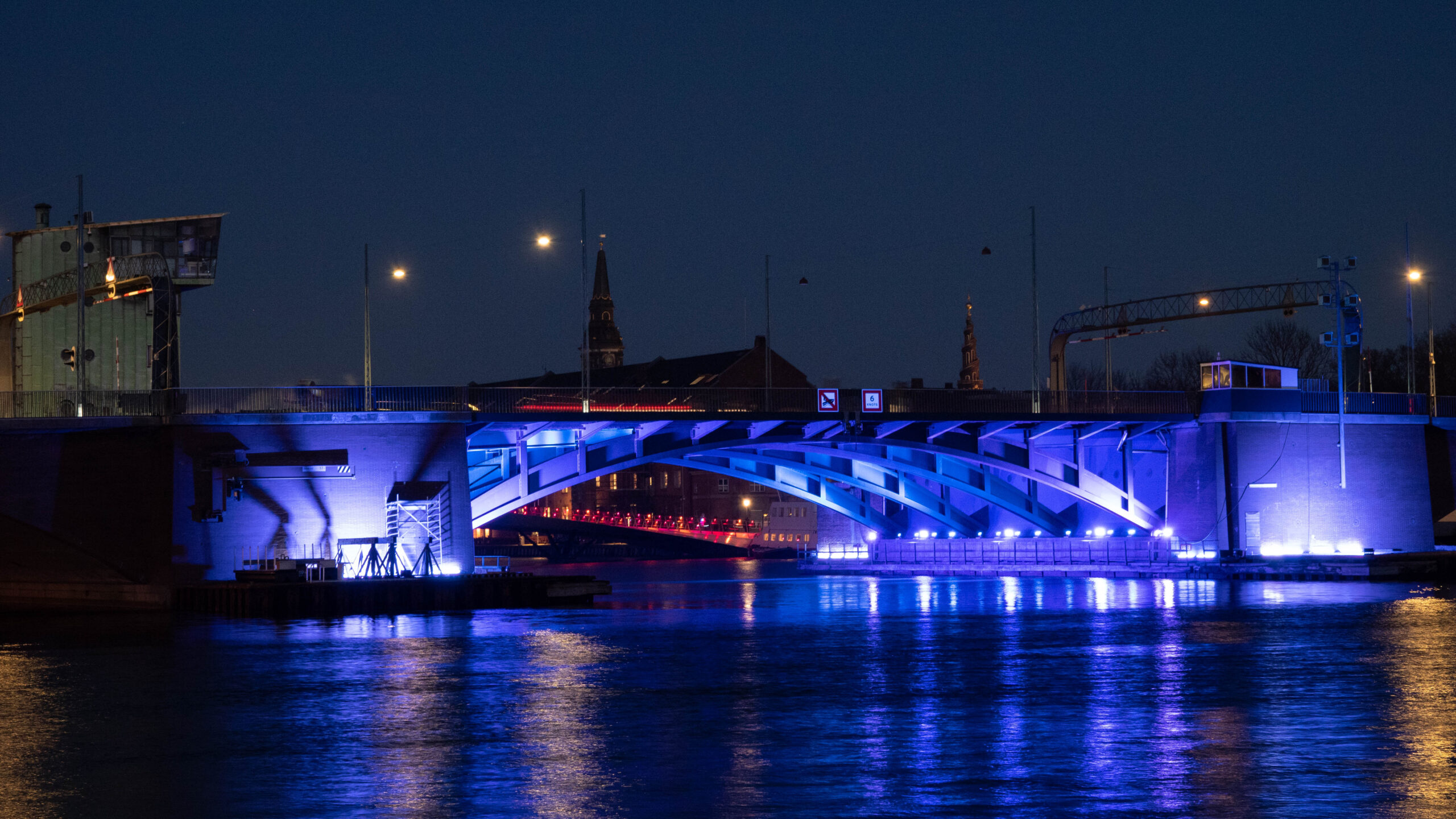
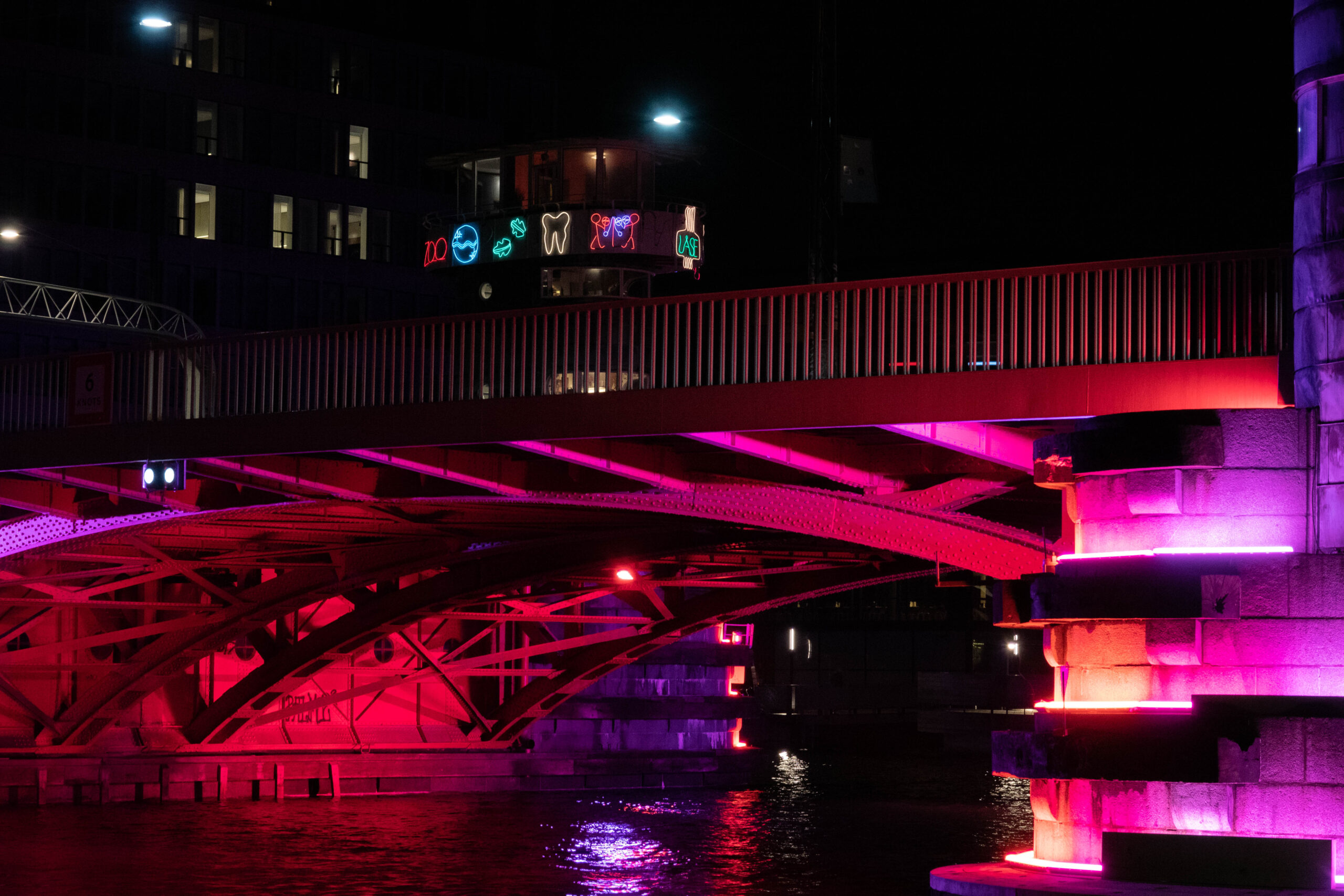
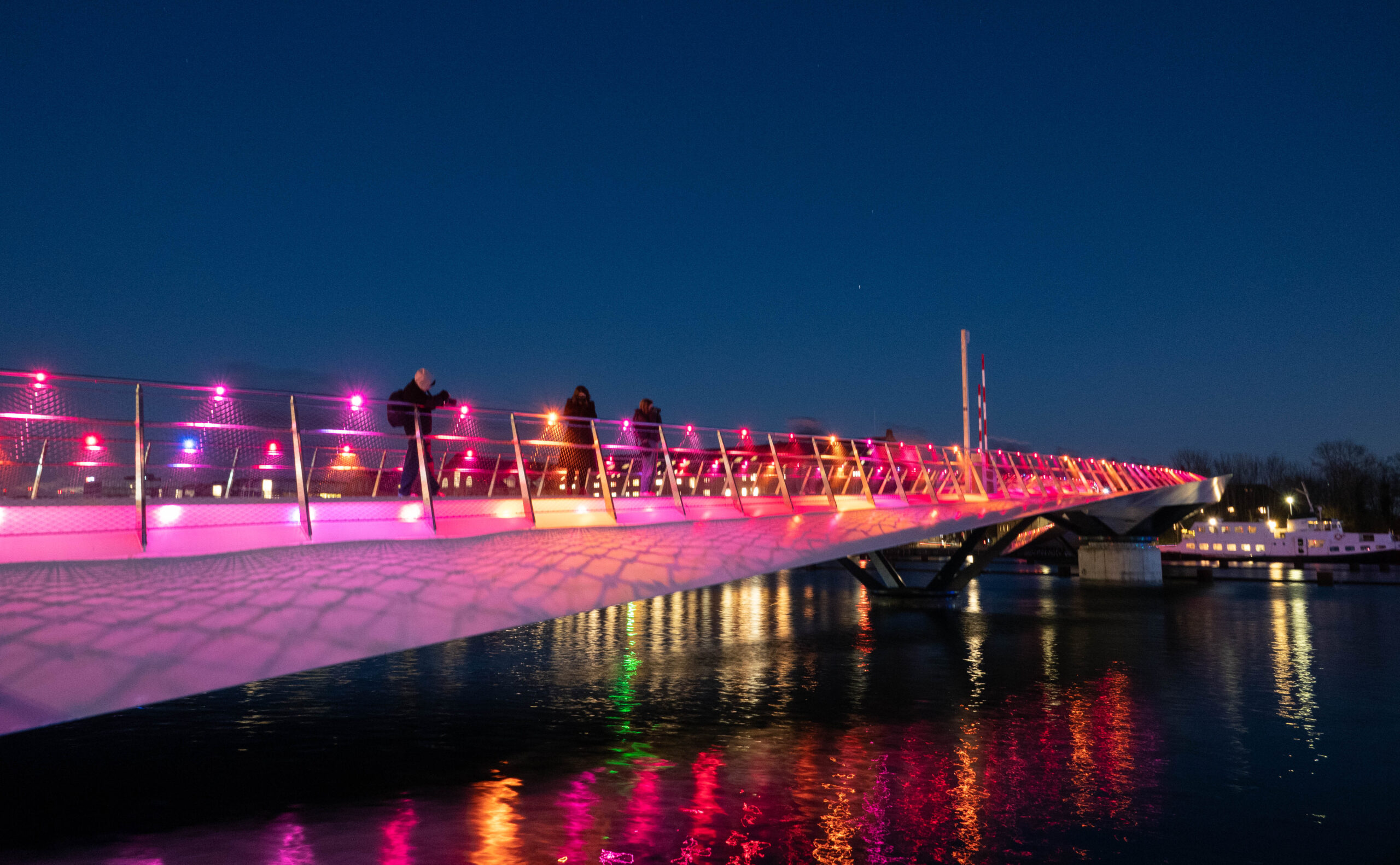
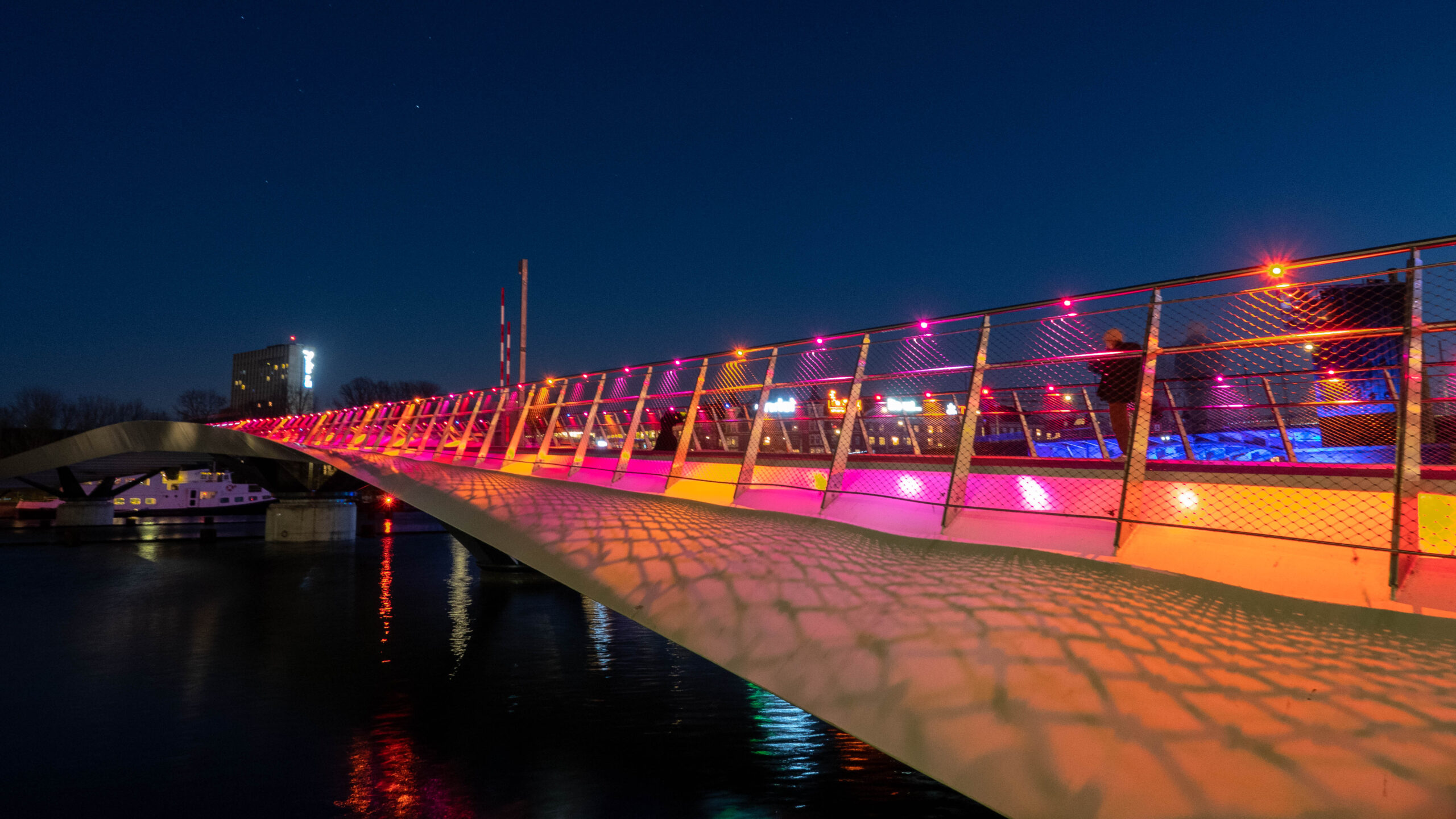
The iconic bridges Langebro and Knippelsbro enact a tale of day and night, inspired by the Greek myth of Nyx and Eos.
During the darker hours of the festival, the bridges engage in a vibrant battle, reflected in colourful ripples on the water’s surface.
EOS
Mads Vegas
Københavneon
Thomas Lewin & Stangdennis
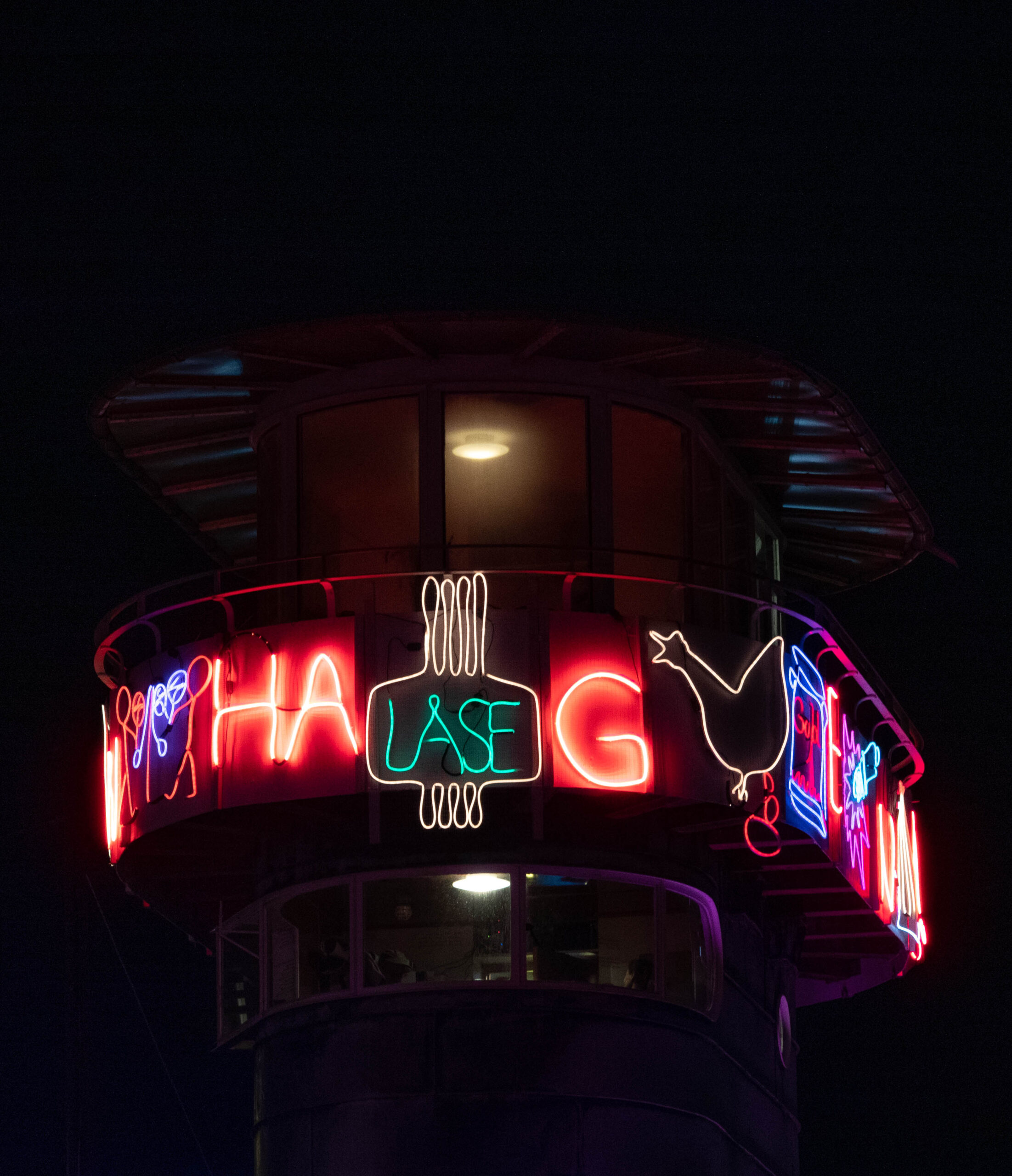
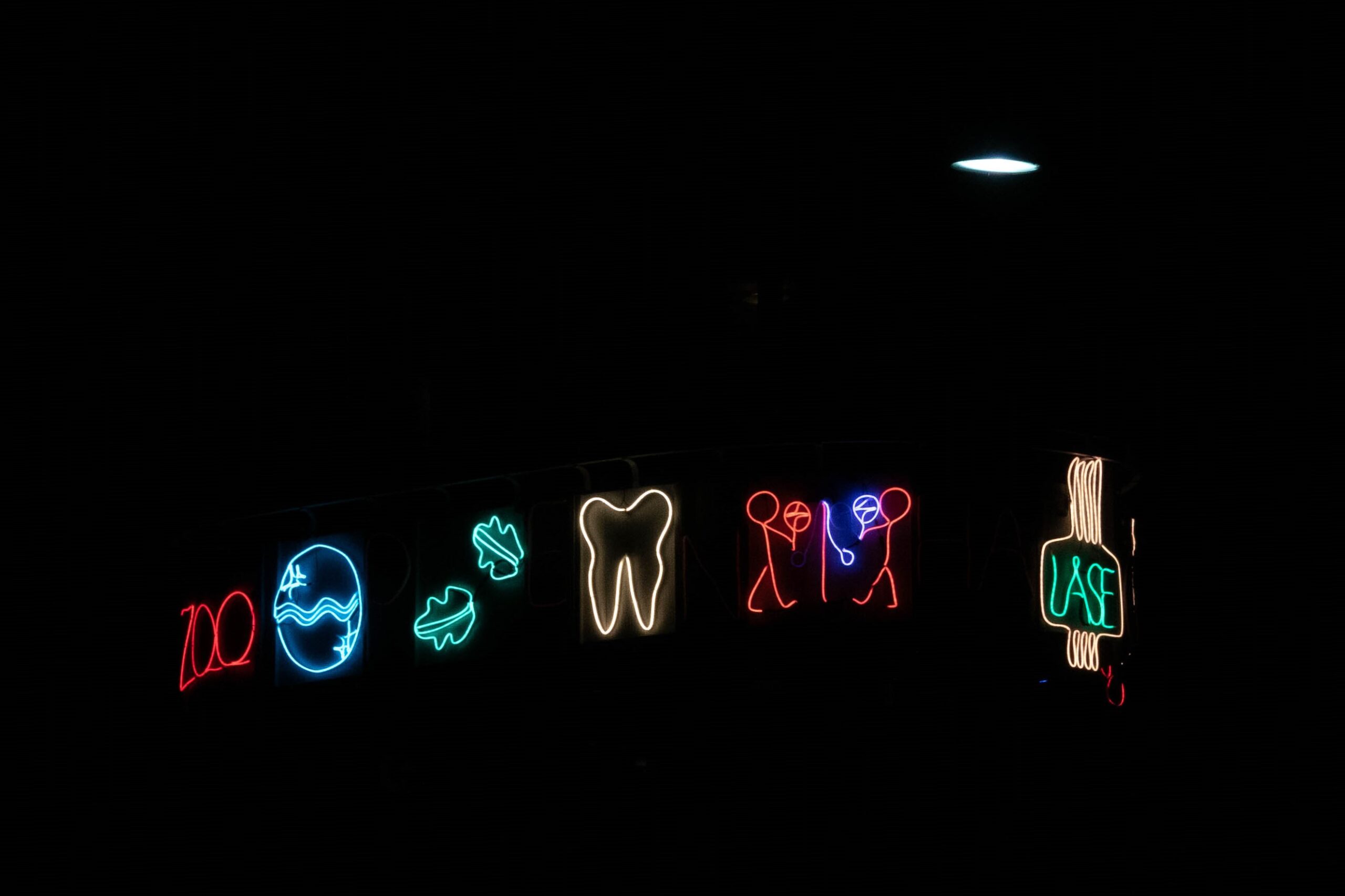
Københavneon is a collection of some of the city’s most iconic neon signs, brought together at a central, historic site shining light on the harbour.
Nearly a century ago, Copenhagen’s shopkeepers embraced neon to advertise their goods during the dark winter. Playful, imaginative, with a dash of humour – these signs were designed to make passersby smile and soon became a form of street art.
Jam
Tokyo Blue
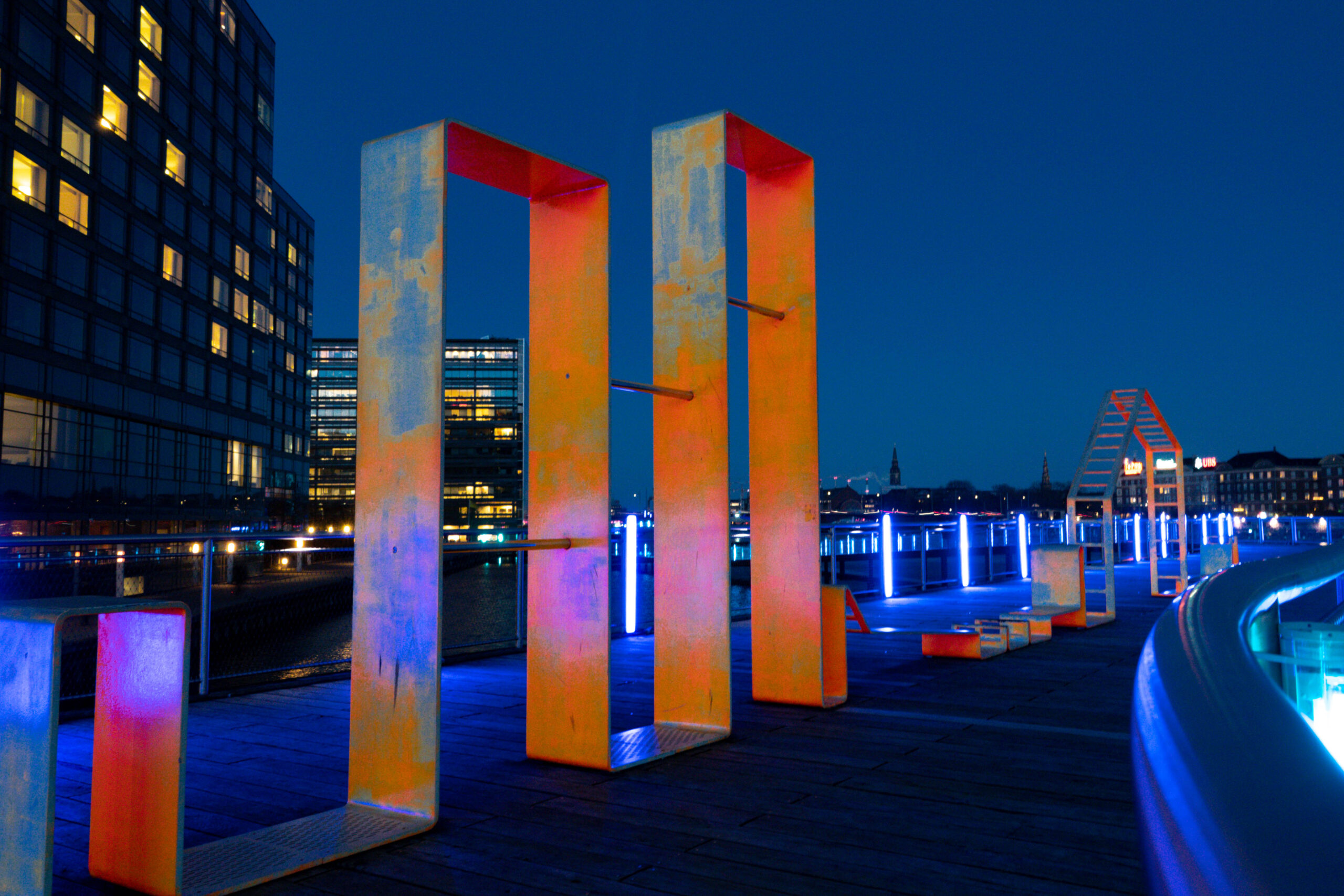
JAM is a sweet tribute to the Danish summer in the cold, dark month of February. The intense flavour of ripe strawberries from summer’s harvest.
The work is inspired by the rich colour palette of strawberry jams – reds, purples and oranges. Using striking colour “splotches”, the artists transformed the rigid material of Lille Langebro into a warm, sensual berry cosmos.
Neutrino
Markus Anders & Circus Lumineszenz
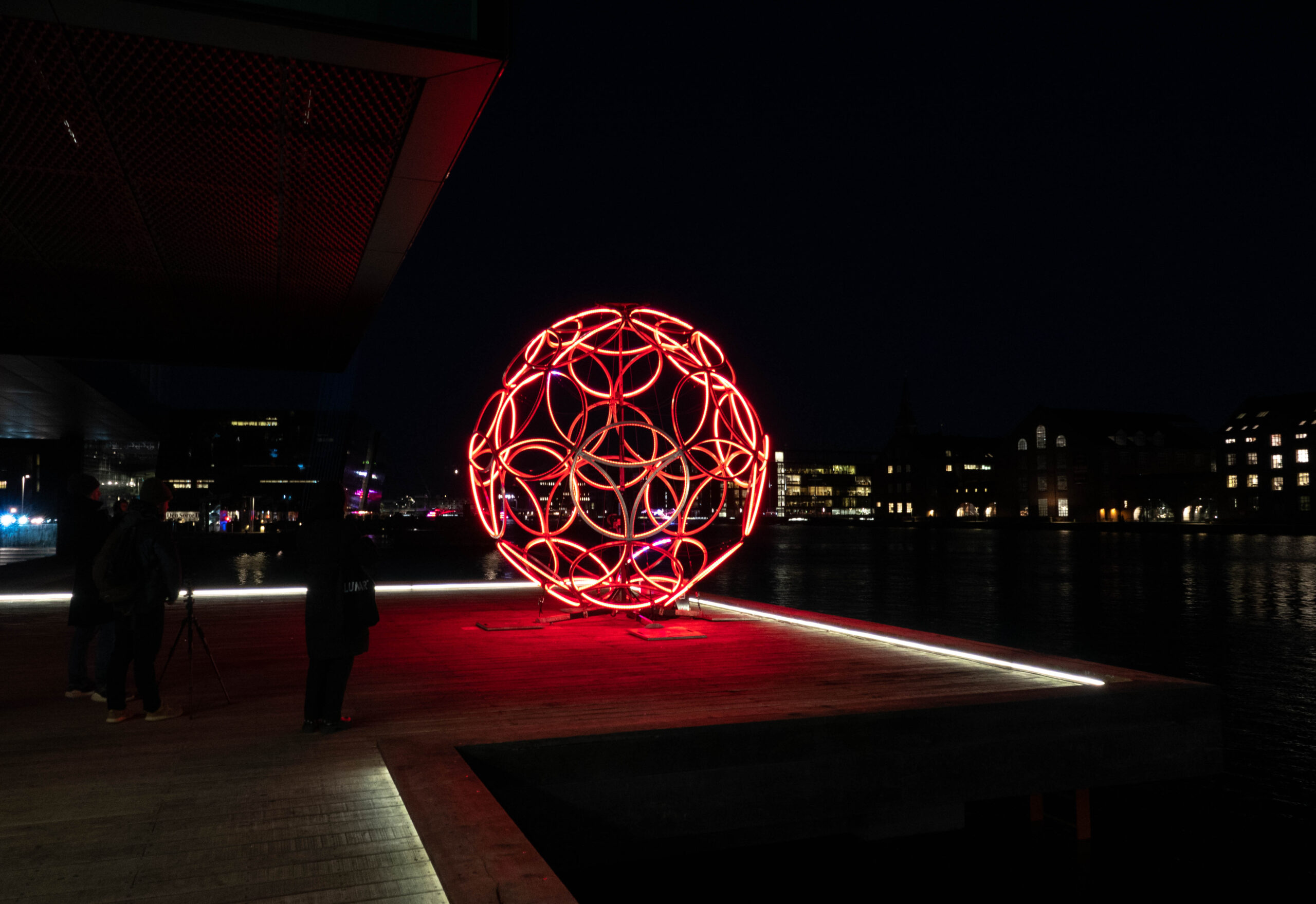
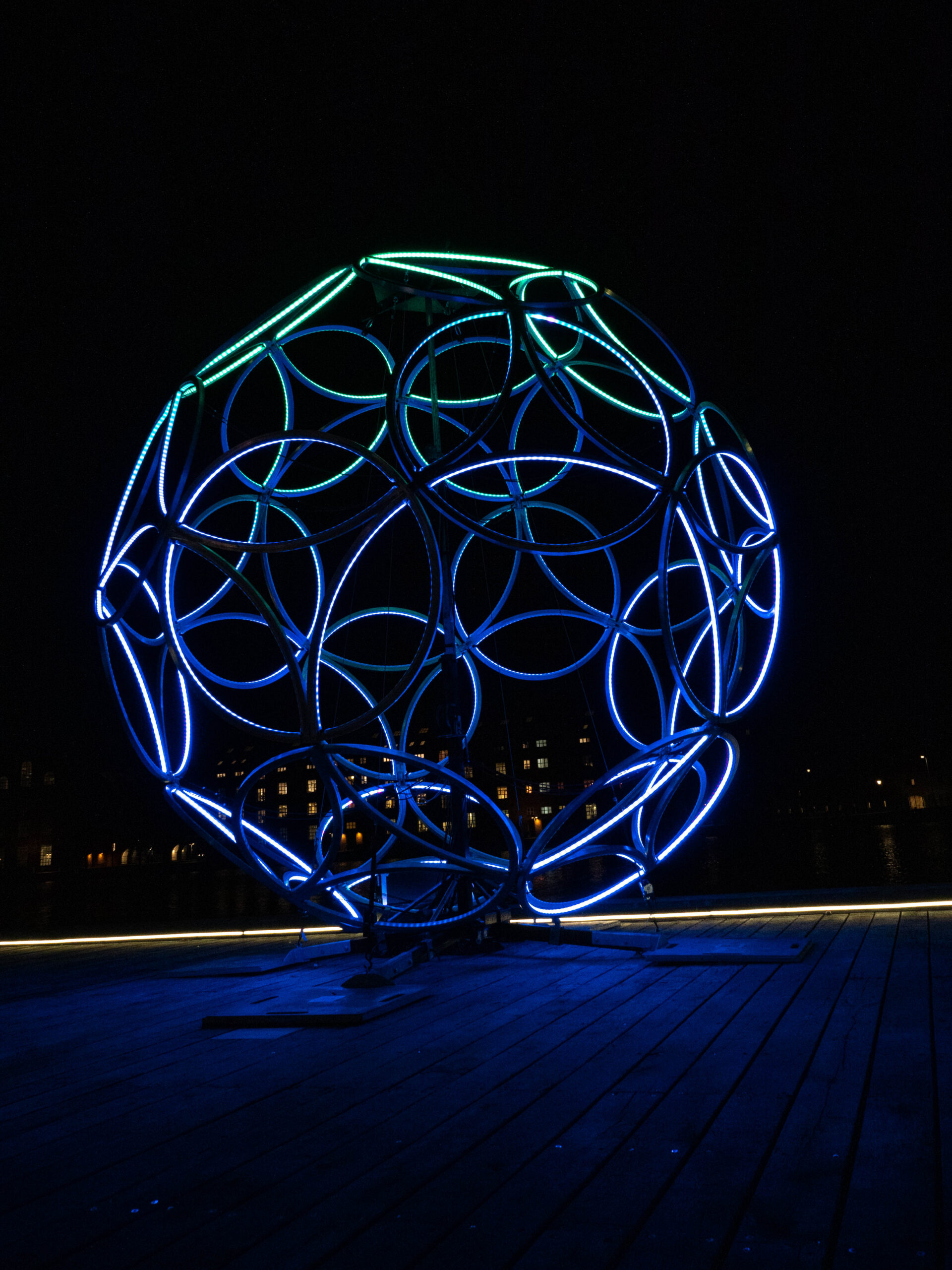
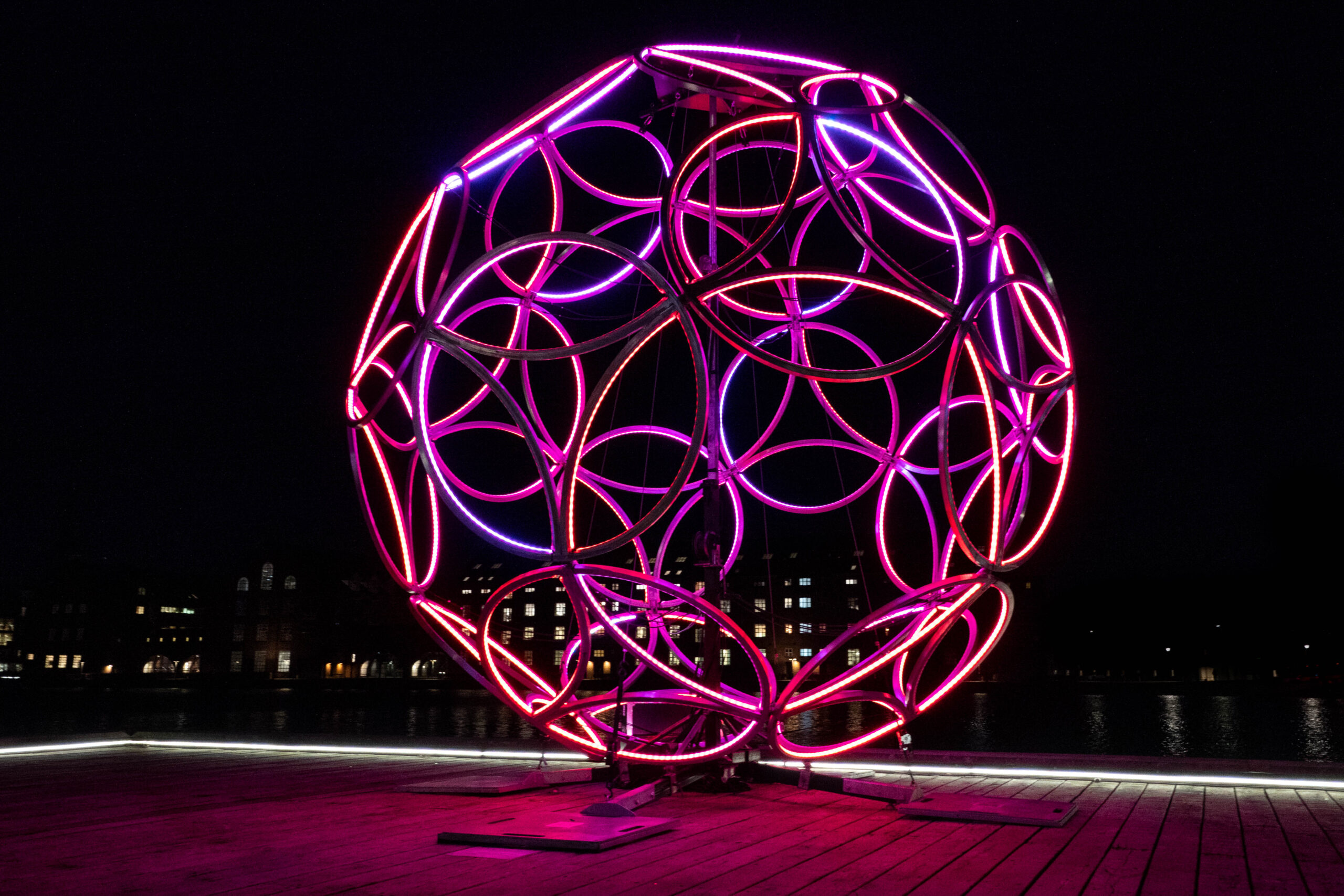
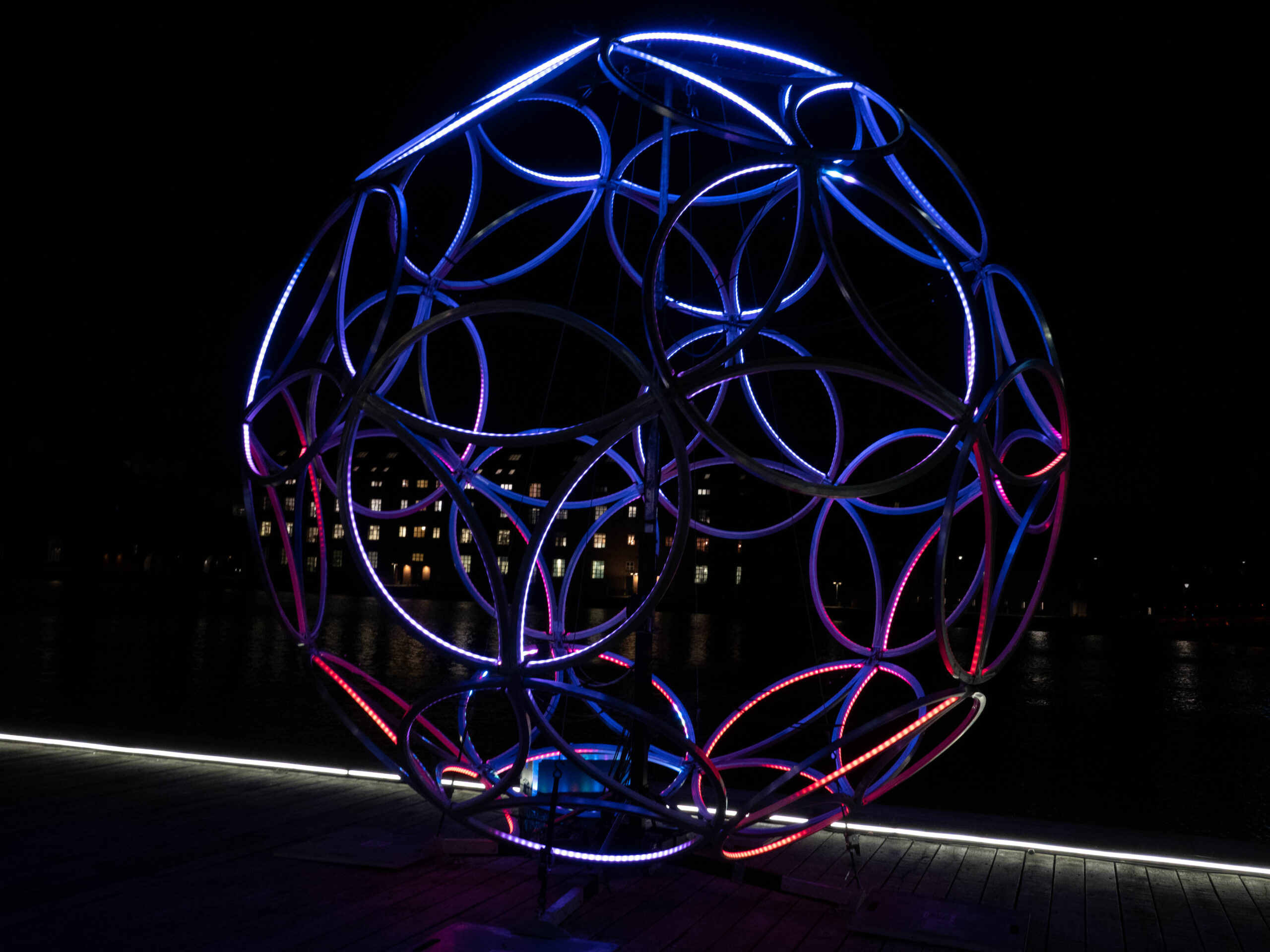
Neutrino poetically explores the subatomic world – a scale we can’t fully comprehend. Neutrinos are created in some of the universe’s most powerful events, such as supernovae and nuclear reactions in the hearts of stars.
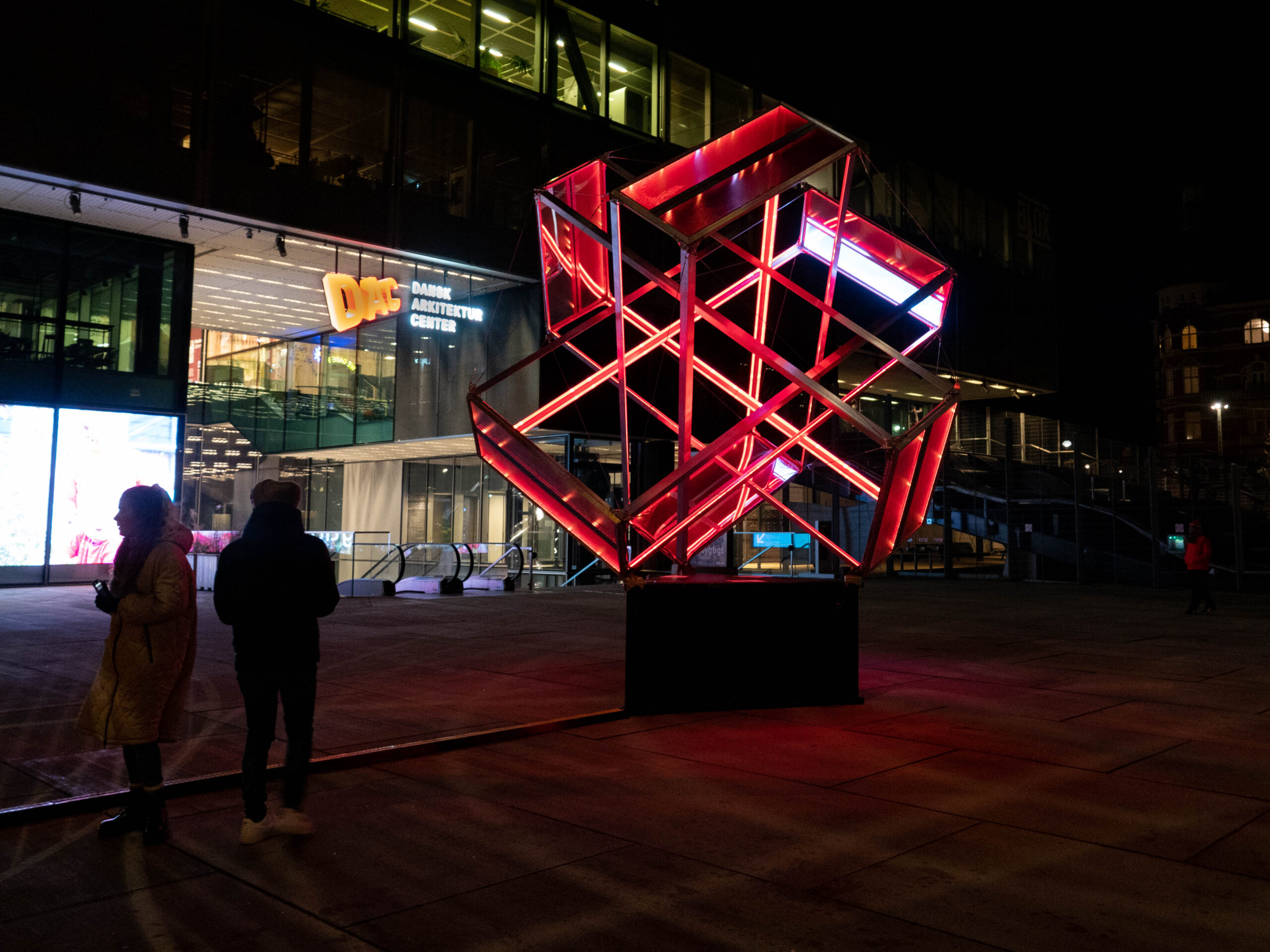
The installation is a symmetrical icosahedron constructed from aluminium, with 150 metres of LED strips attached. Different sections of the structure light up at different times and in various colours, creating powerful abstract patterns that invite the imagination to wander the microscopic universe.
Below, you can see how the lighting changes across different parts of the Neutrino.
Black & White
Båll & Brand
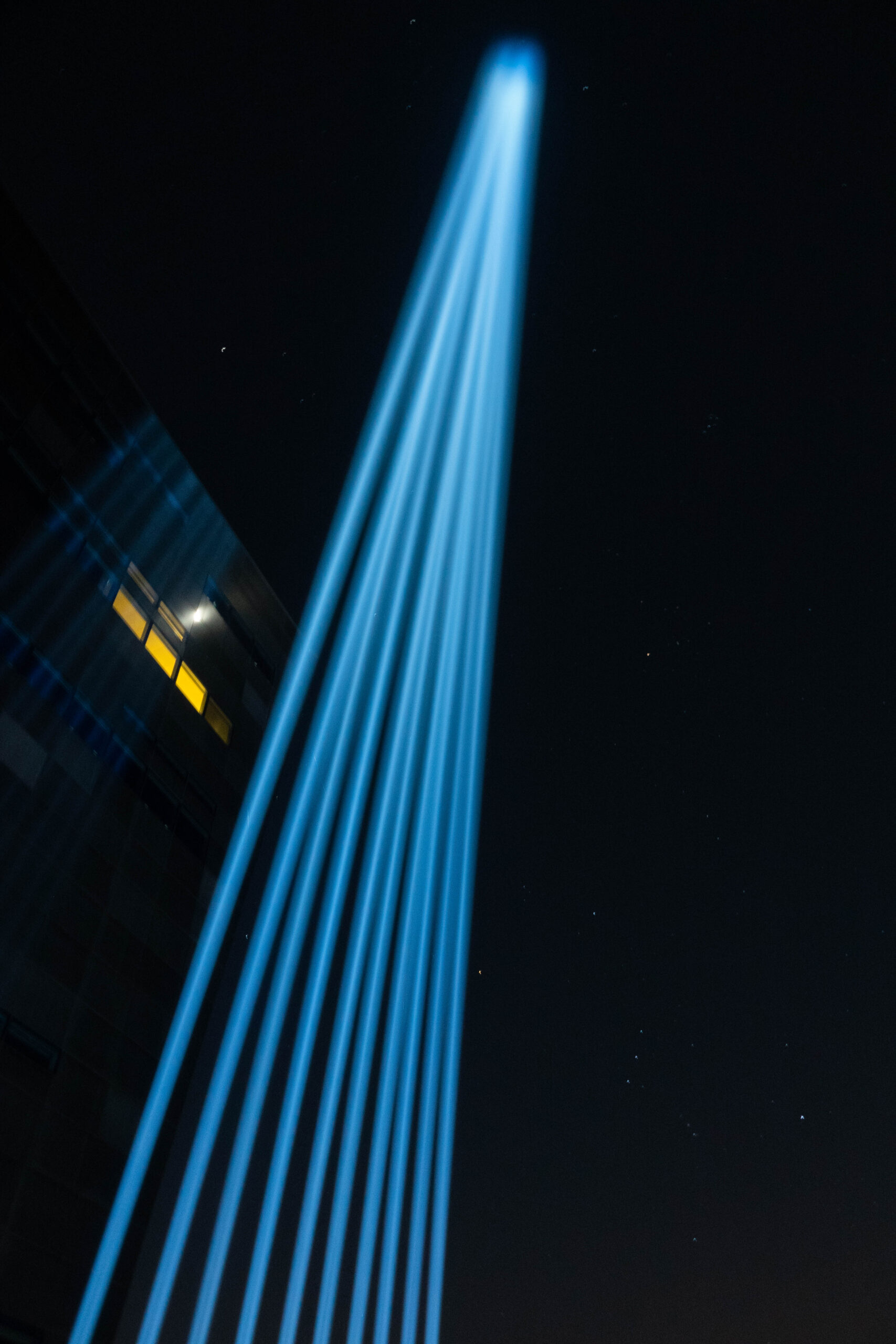
Black & White is a light installation directly tied to the architecture of the neighbouring “Black Diamond” – Copenhagen’s modern library. Cones of light cut through the darkness, reflecting the building’s style in the night sky.
Placed near the building, the light cones continue the visual architecture and highlight its vertical and horizontal lines.
The work is a tribute to the Black Diamond and the interplay of light, space, and architecture – using light as a sculptural element in the urban landscape.
Phoenix
Julien Menzel
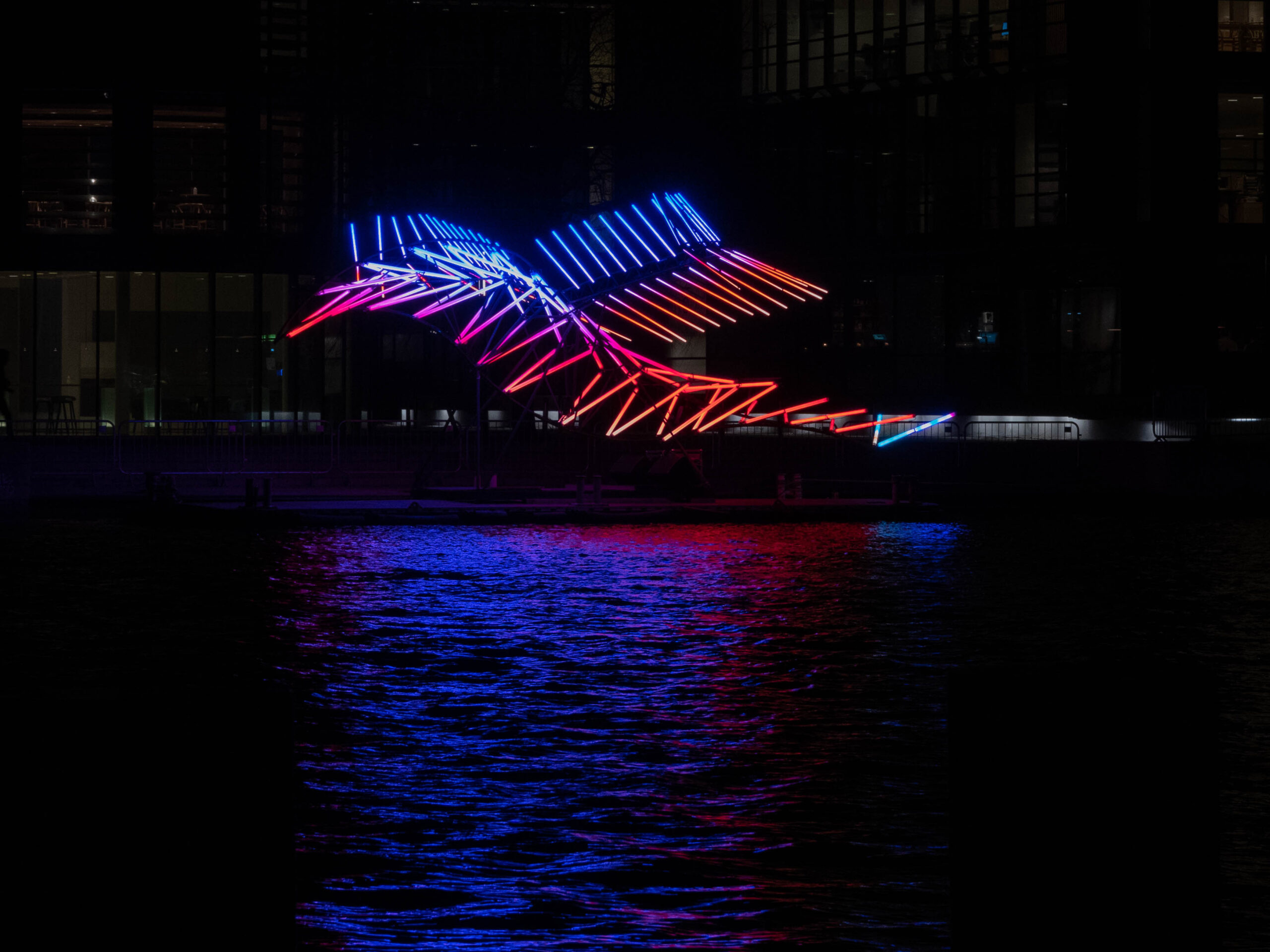
Phoenix is an 11-metre long, 15-metre wide, and 5-metre high light sculpture in the shape of a giant bird. The phoenix sends a message of hope, life after death, and the possibility of rising from the ashes.
Animated lighting breathes life into the sculpture with dynamic shapes and colour transitions, accompanied by an audio-visual soundscape of birdsong and ambient city sounds. The Phoenix invites festival guests under its wings for a spectacular experience of light and sound.
Unterwassertage
Julian Angerer, Arno Dejaco, Anna Heiss, Clara Mayr, Nora Pider
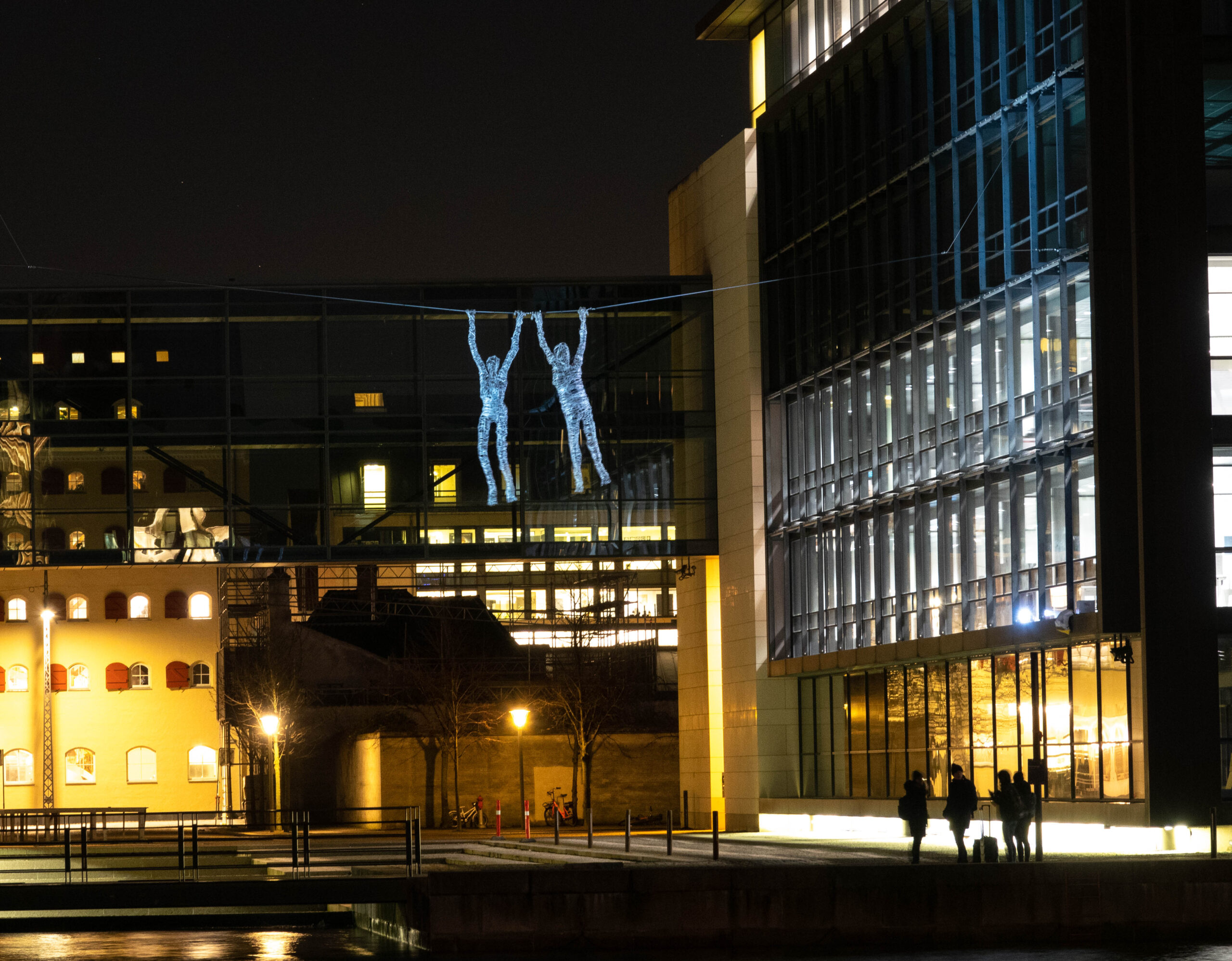
Between sky and earth, two figures dangle on ropes – unable to reach either the ground or the rooftop, caught in an endless dialogue loop. In a hopeless flailing, they become two “nervous cupboards”, archetypes of the modern Westerner: floating in a permanent state of “what now?”
Comms
Hans E Madsen & Frederik Dahl Hougs
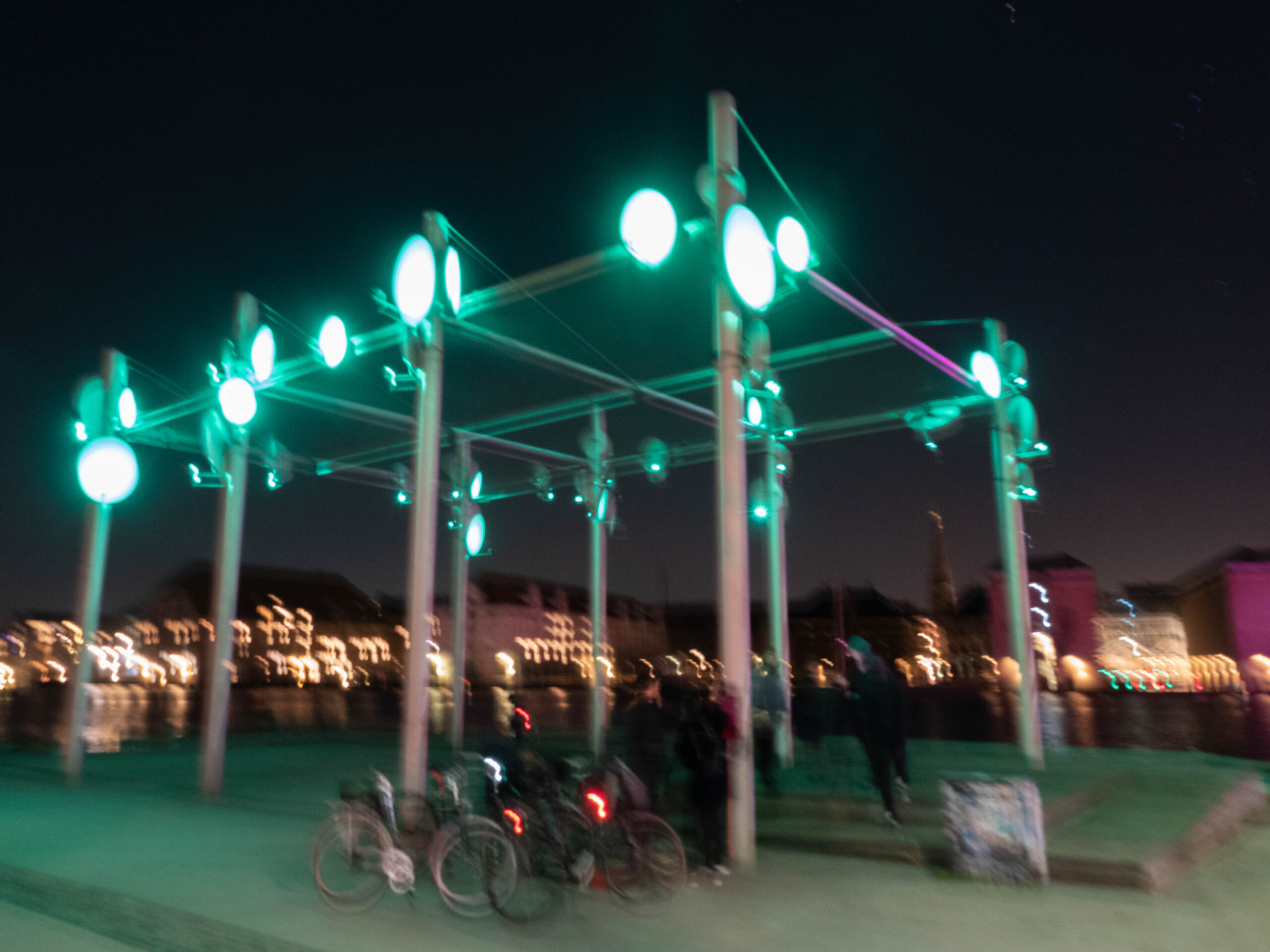
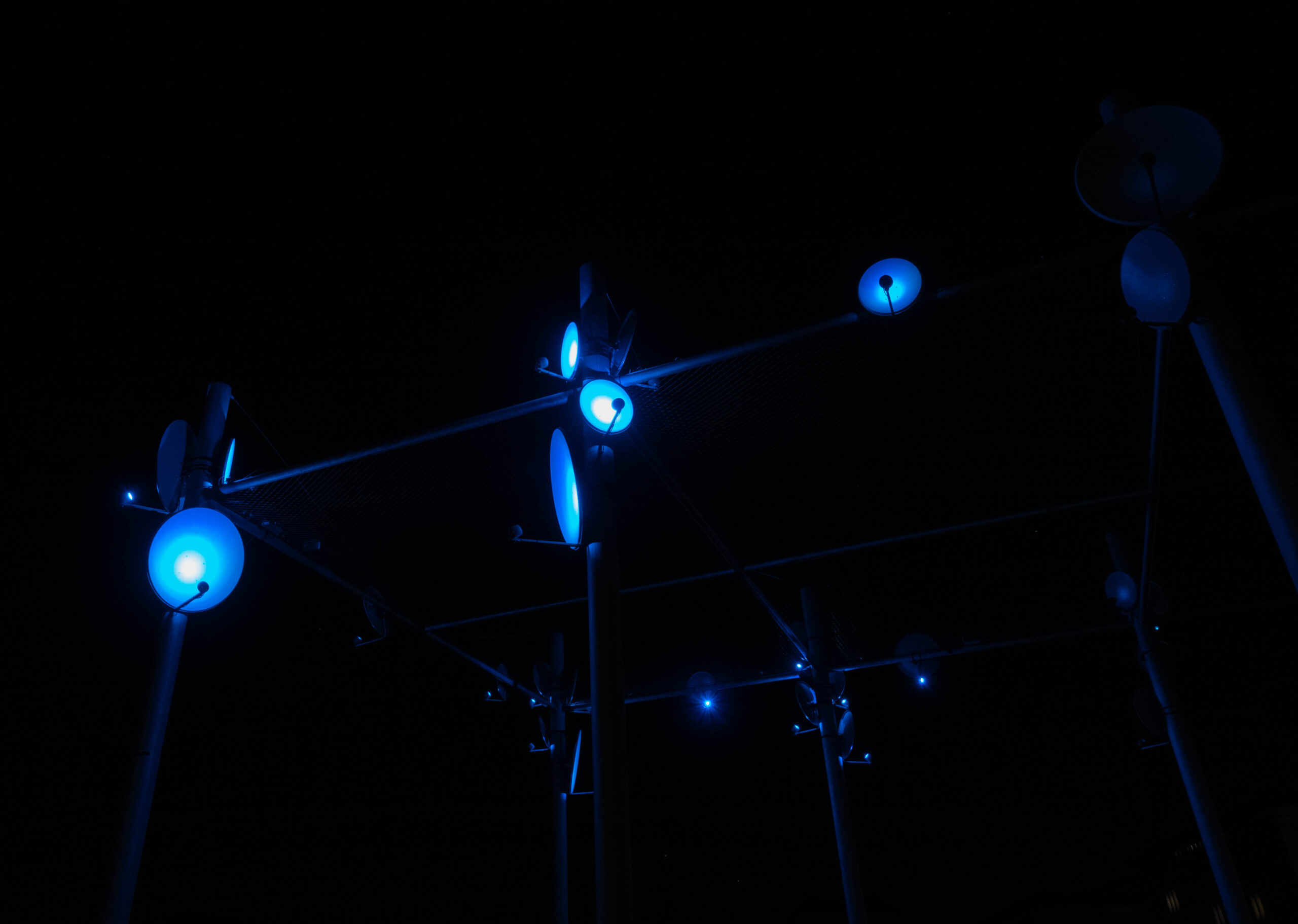
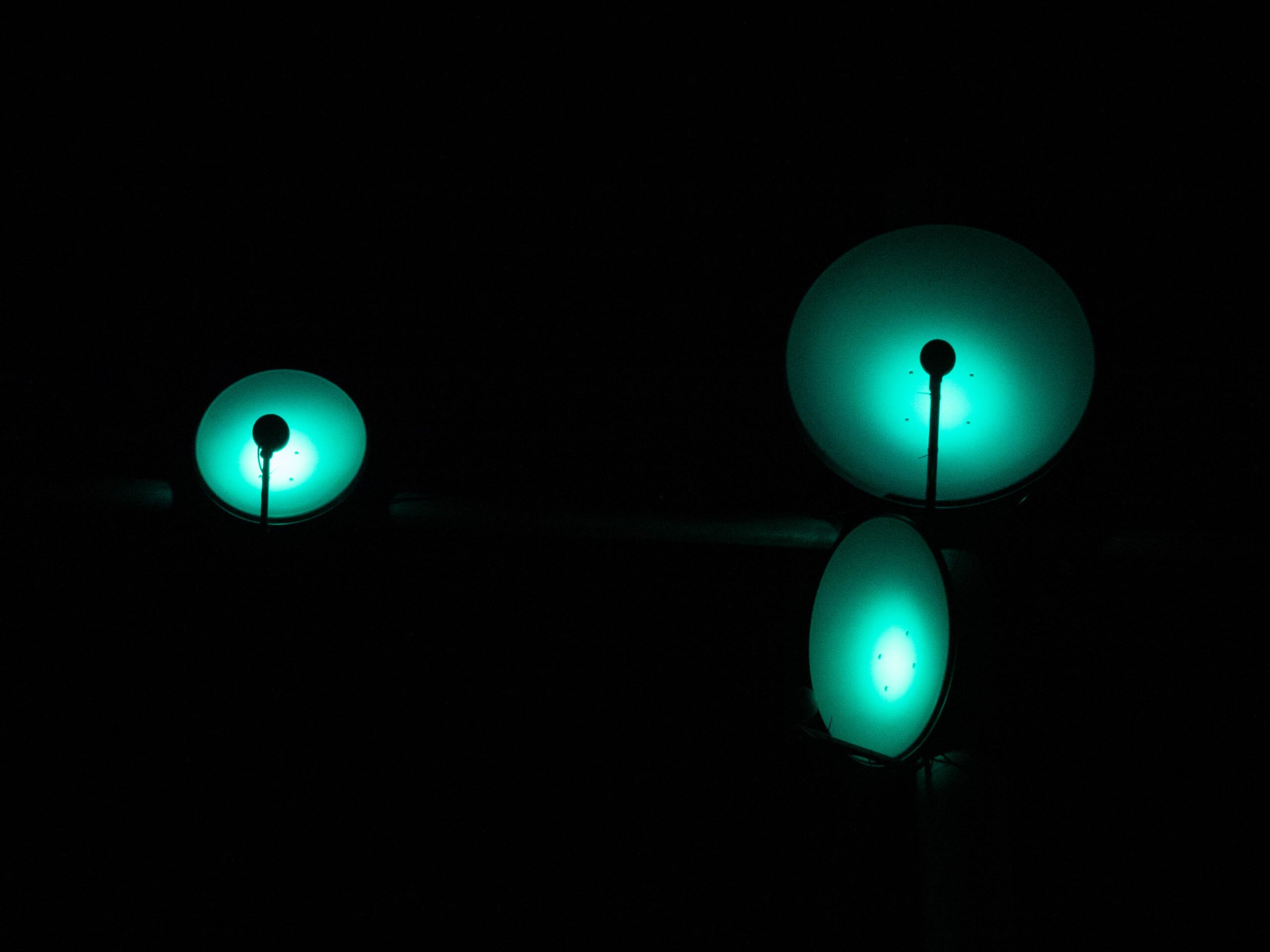
We are surrounded by signals that constantly flow past us – and through us. In the digital age, we are everywhere and nowhere at once. Our daily lives mix virtual and real relationships, as we’re increasingly connected through invisible webs of communication.
Comms visualises this invisible data flow through iconic satellite dishes, reminding us of the constant radiation we’re exposed to.
The dishes act as an information hub that watches everyone and everything – evoking the image of a military surveillance device, creating a sense of being trapped under perpetual watch. Comms reveals the unseen, shedding light on our digital connection through time and space.
Great Balls
Peter Emil Frisch, Mubashar Khan, Mesut Üzümcü & Mathias Lynge Christensen
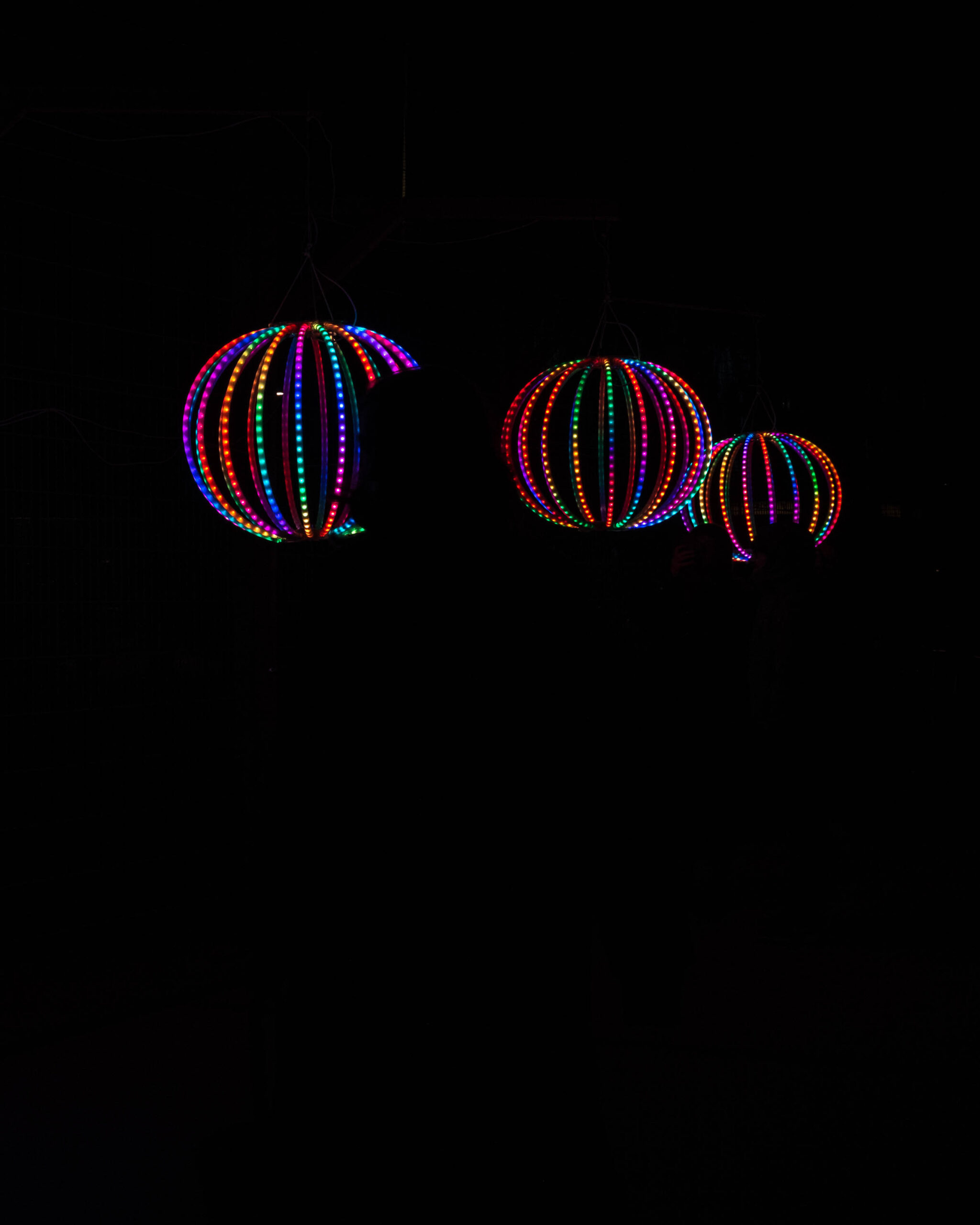
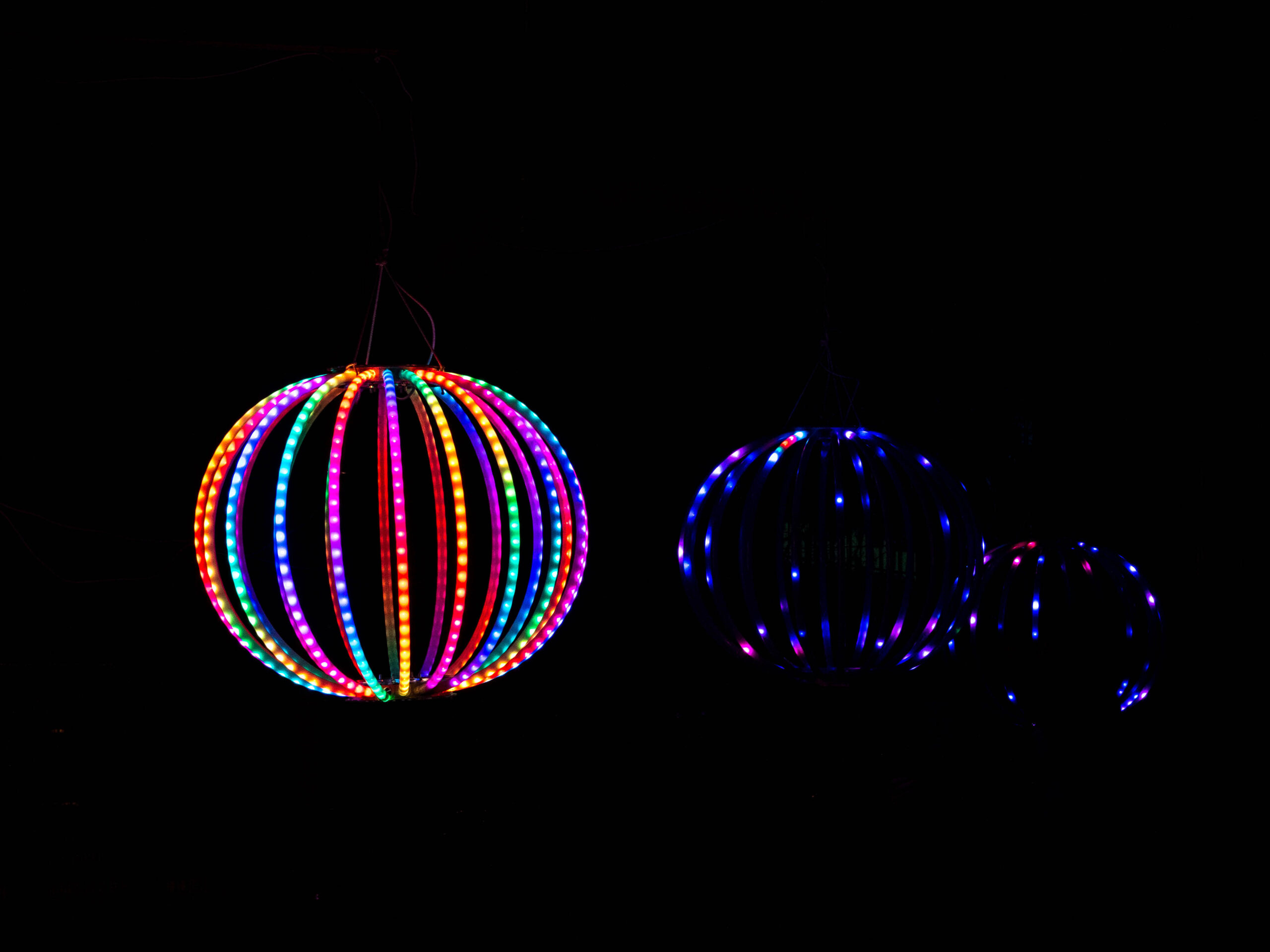
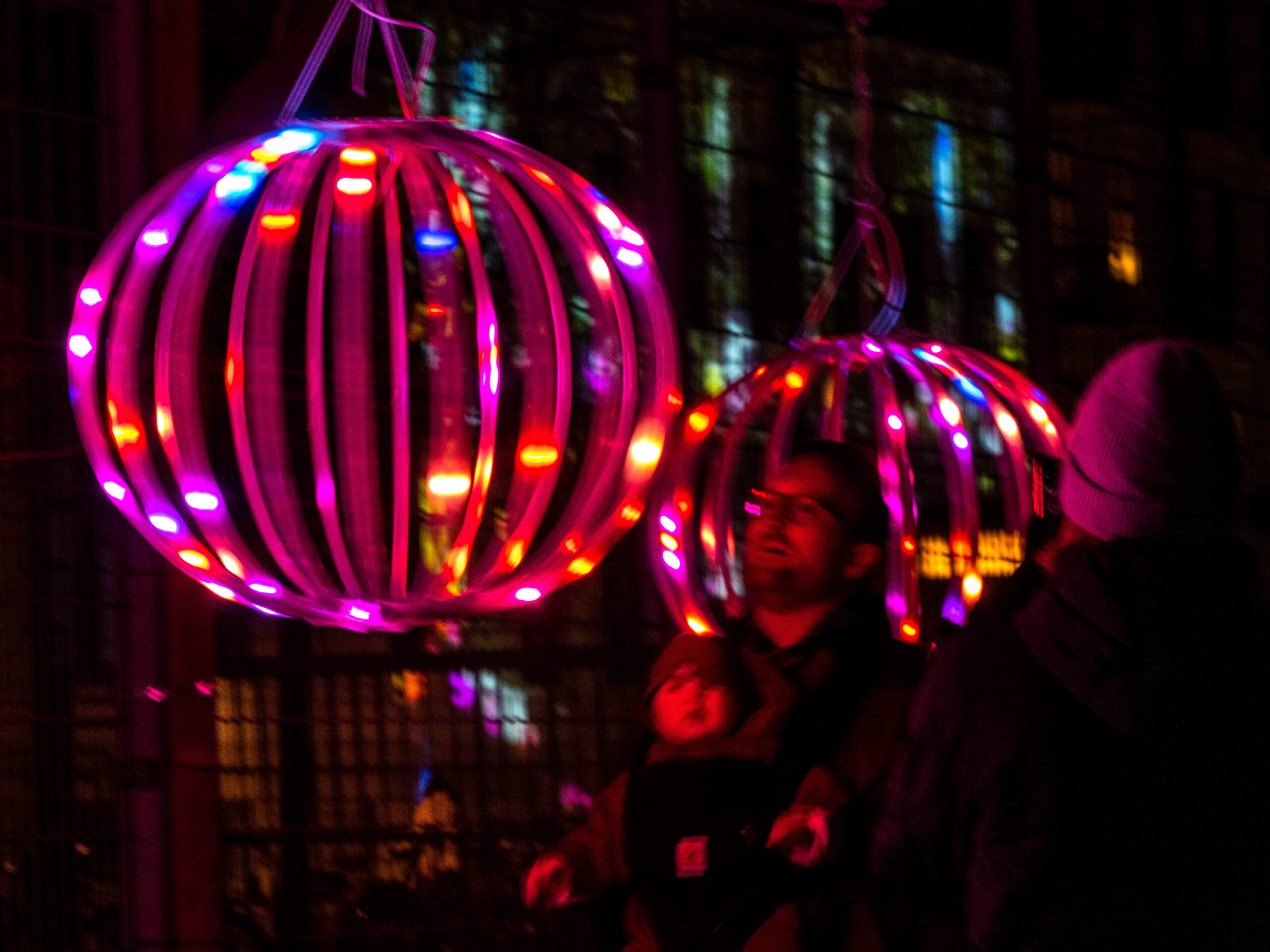
Balls hang from the fence of the Havnegade promenade playground. Made from PEX tubing with LED strips inside, the balls vary in size and emit strong, bright light visible from afar.
Each ball contains a motion sensor, triggering different light patterns depending on nearby movement.
As darkness falls, this cluster of spheres glows, bathing the surroundings in a sea of colour.
Festival guests approaching the balls are treated to a striking light show.
Trust Nature
Umage x Hackstage
This work tells a visual story of how nature could flourish and beautify the world – if only humanity gave it space and peace to do so. It seeks to awaken an emotional response in viewers, turning thought into action and highlighting the need for greater efforts toward nature.
The installation is placed by Copenhagen’s most iconic harbour – Nyhavn.
My not-so-successful photo.
Windchimes
Sigurd Hampel Adelstrup & Lasse Rasmussen
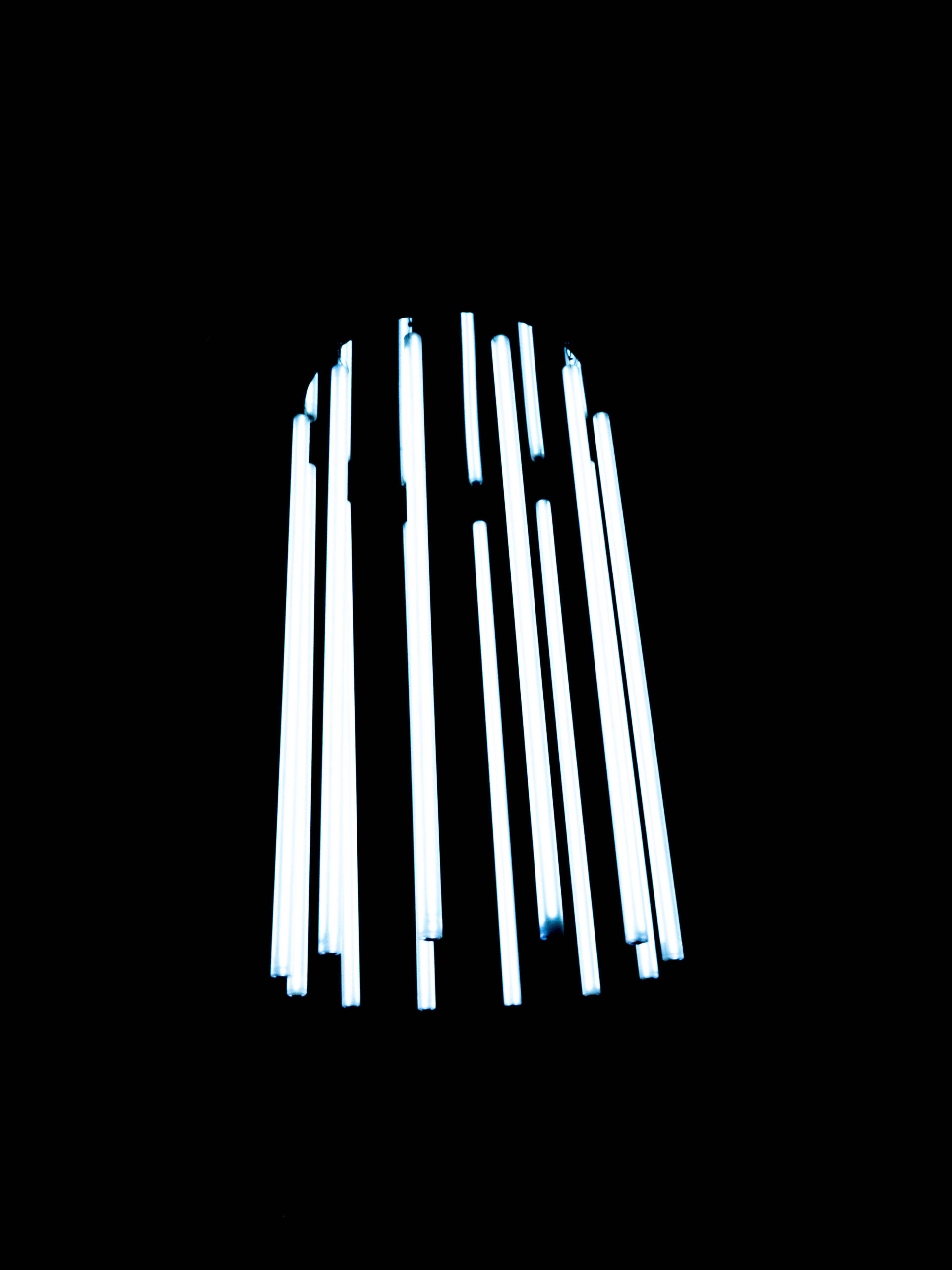
Inspired by the form of wind chimes, this installation is made of acrylic tubes and plates with LED strips inside, controlled by Arduino.
Designed to bring a calming element to the city, it offers festival visitors a temporary escape from the stresses of everyday life. The chimes hang from trees along the Havnegade promenade, swaying gently in the breeze, creating a peaceful atmosphere for passersby.
Heat
Henrik René Jørgensen & Frederik Kofoed-Sørensen
Heat expresses the feeling of warmth in a cold winter and attracts attention from afar. There’s a special allure to warmth – but can it become too intense?
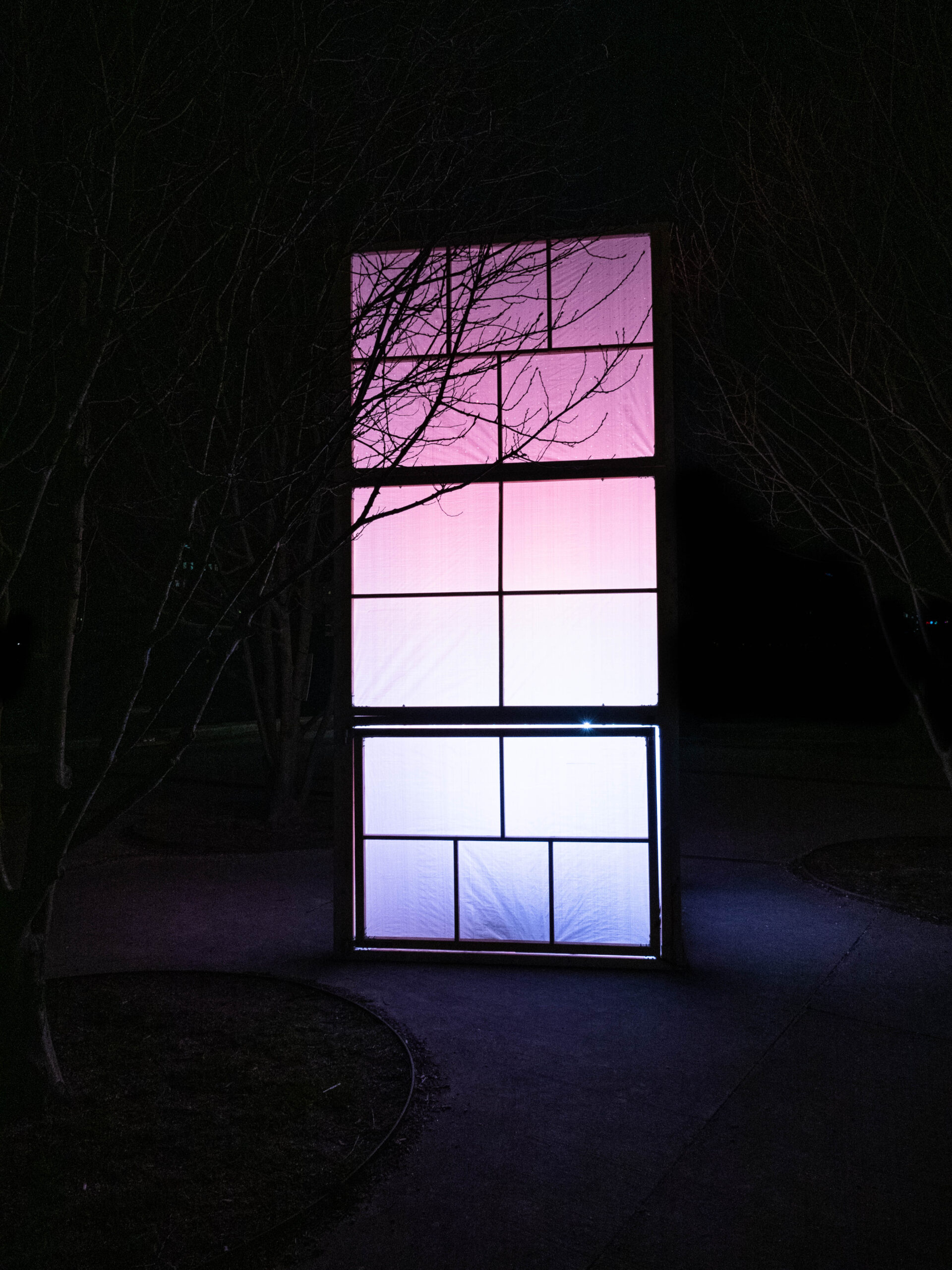
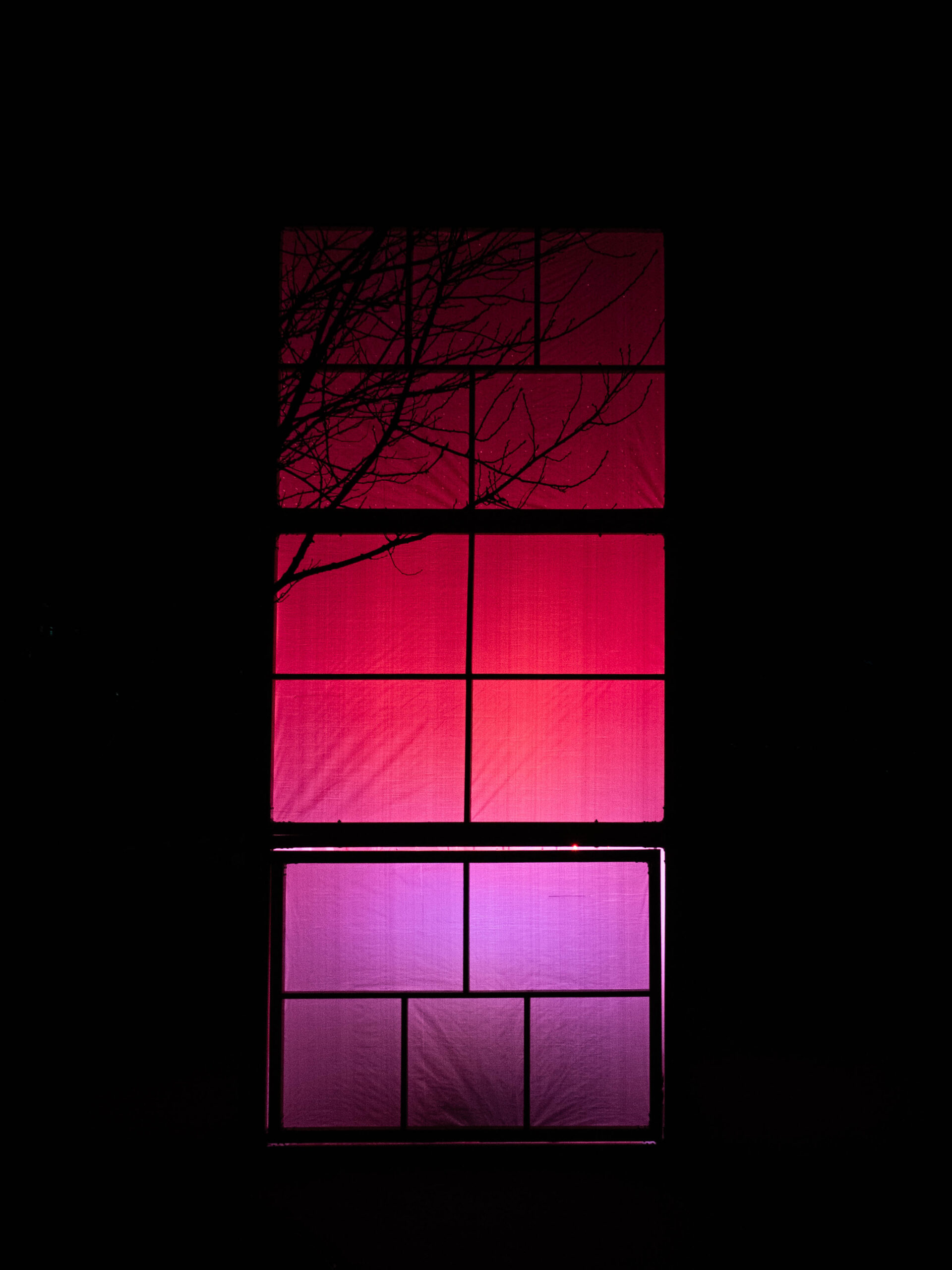
The installation consists of a wooden frame with plastic windows, resembling traditional Japanese lanterns. Inside, LED strips mimic the flicker of flames. The towering 3.5-metre-high structure radiates dramatic, convincing warmth.
Within, a life-sized silhouette of a person appears trapped in the fire.
Soleils
Simon Chevalier & Lucile Cassassolles
The artists pay homage to celestial bodies – sources of dreams, hope, and shared culture. The installation symbolises rise and fall, the life cycle and the Earth itself. Three light pieces emit a captivating, gentle glow – a rare treat in winter.
We all live under the same stars, on the same planet – united and interconnected.
This work sends a message of optimism and strength. The sun will rise again each morning – bringing life to all that is.
Åndedrag | Breath
Morten Just
This 3D-mapped piece breathes new life into the Sydbank building on the main square. People often say a metropolis has its own life force and rhythm. A heartbeat is rhythmic and forceful, while breathing is cyclical, with no clear beginning or end.
Through animations reminiscent of breathing cycles, the work temporarily animates the building – as if it breathes along with the city.
The 3D animation is based on a full 3D scan of the building’s facade, allowing projections to perfectly match its structure, details, and ornaments.
Going Under – 30 Sunrises and 30 Sunsets
Niels Bonde
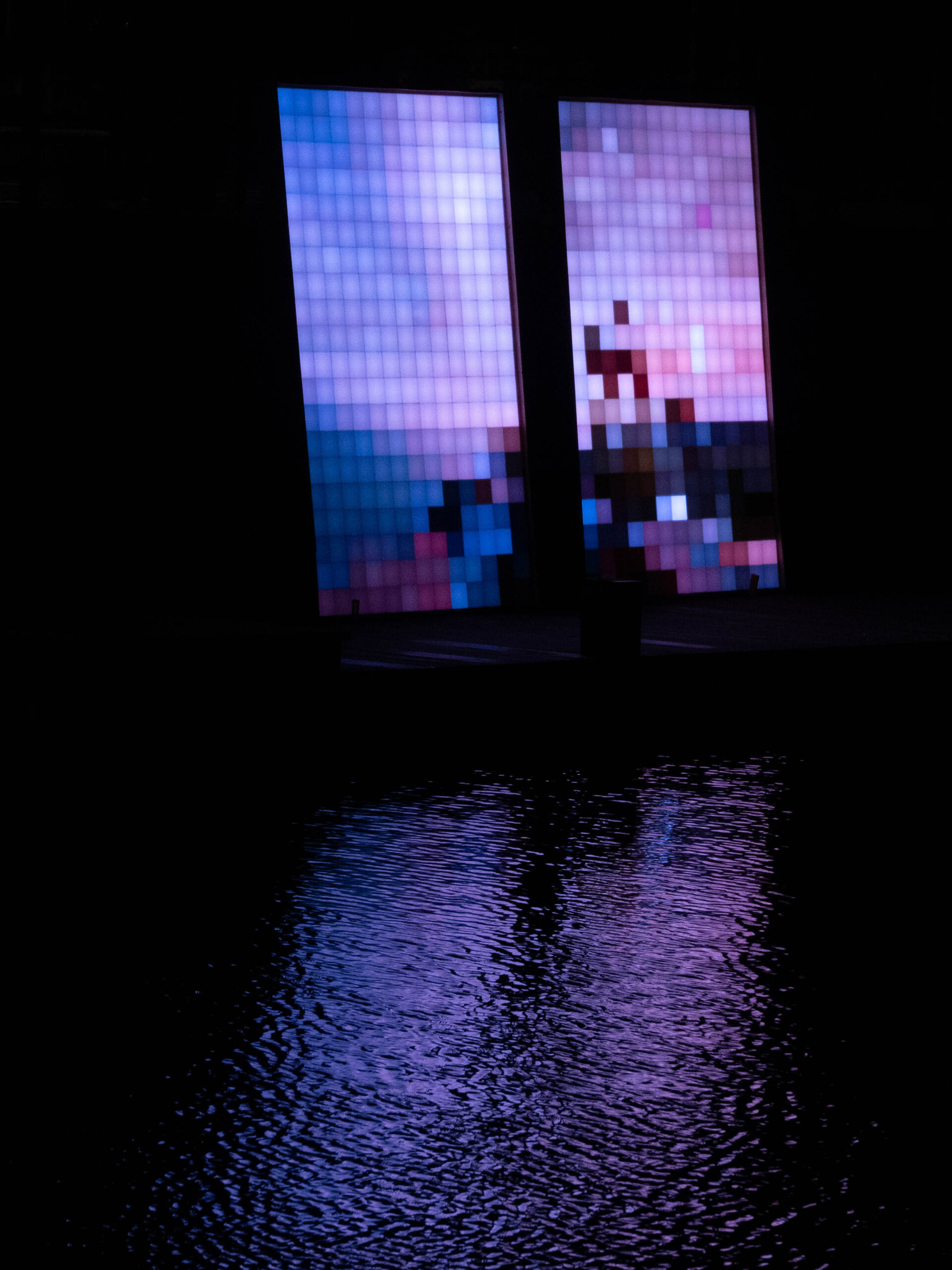
This work is based on the movement of waves and reflections on the ocean’s surface. It’s designed as a dynamic mosaic, where giant pixels capture the colors and light reflections of water. It showcases the hues and shimmering reflections of the harbor entrance, constantly shifting with the seasons, the light, and activity in the port.
The installation was created using a special algorithm that reads images with 95% accuracy using just 7×6 pixels. The way the colors connect generates a unique visual code. The particular mix of colors and light found in Copenhagen’s harbor is visualized here through pixels.
The title references the song “Going Under” by American singer, songwriter, and poet Patti Smith.
The Oracle
Marie Nørgaard Nielsen
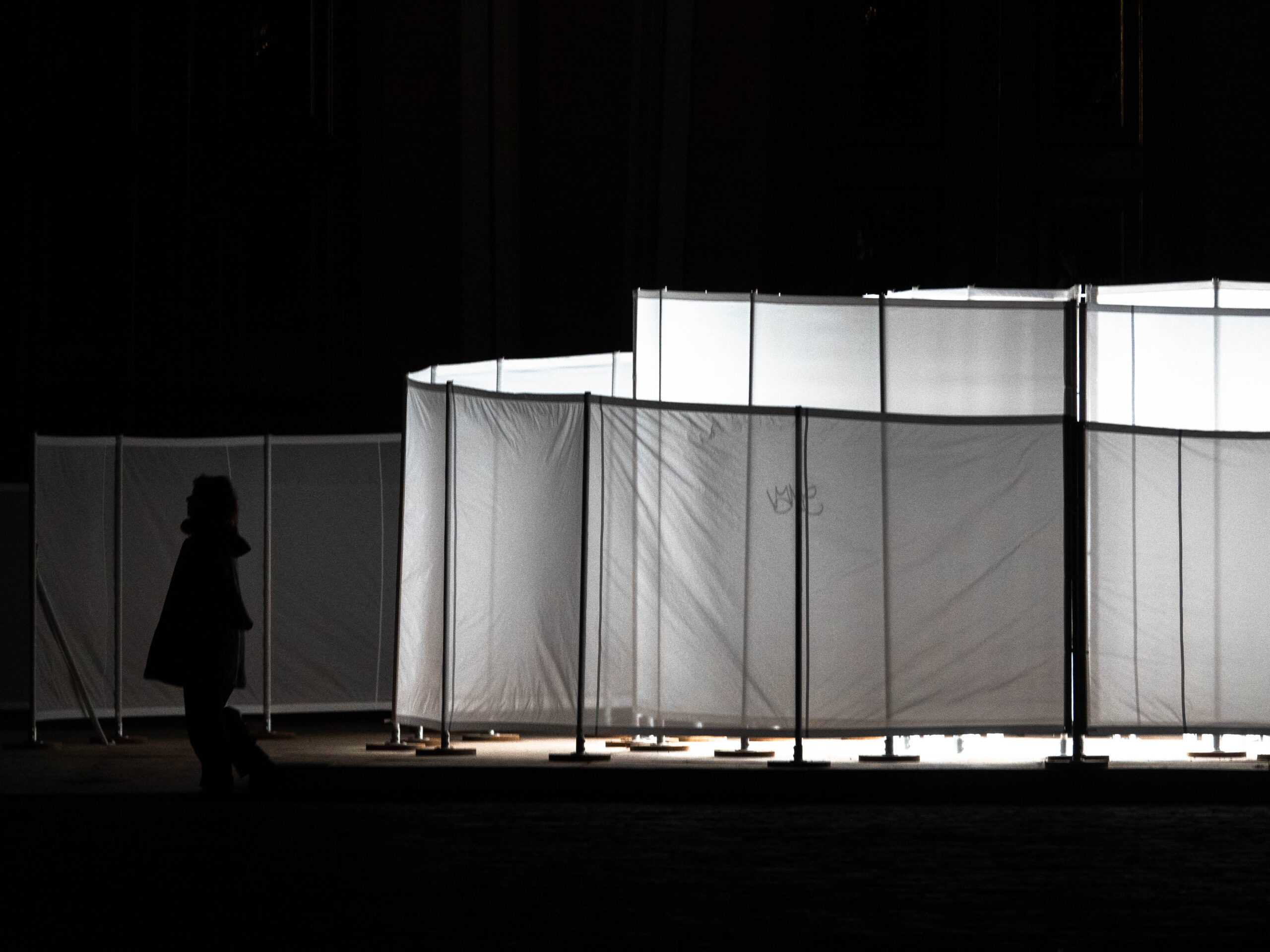
The installation’s semi-transparent white walls form a spiral structure you can walk into. Inside, you gradually leave behind the city’s buzz. The walls grow taller, and the light intensifies the closer you get to the center of the spiral, where you’re bathed in a powerful ocean of light.
Moving through the installation is like journeying into your own inner wisdom. The “oracle” is within us – the answers lie in our intuition.
Cosmos
Camilla Brix Andersen)
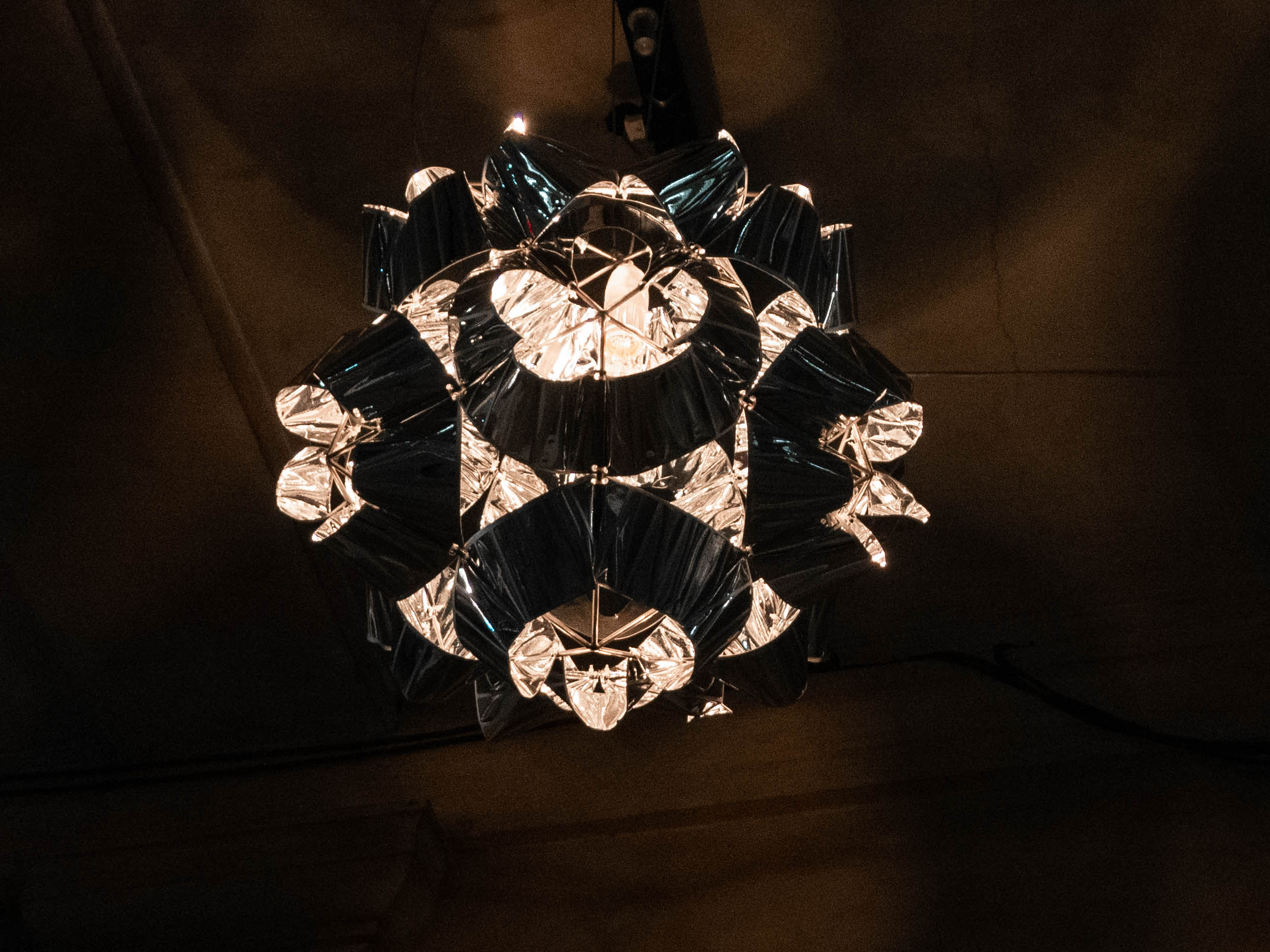
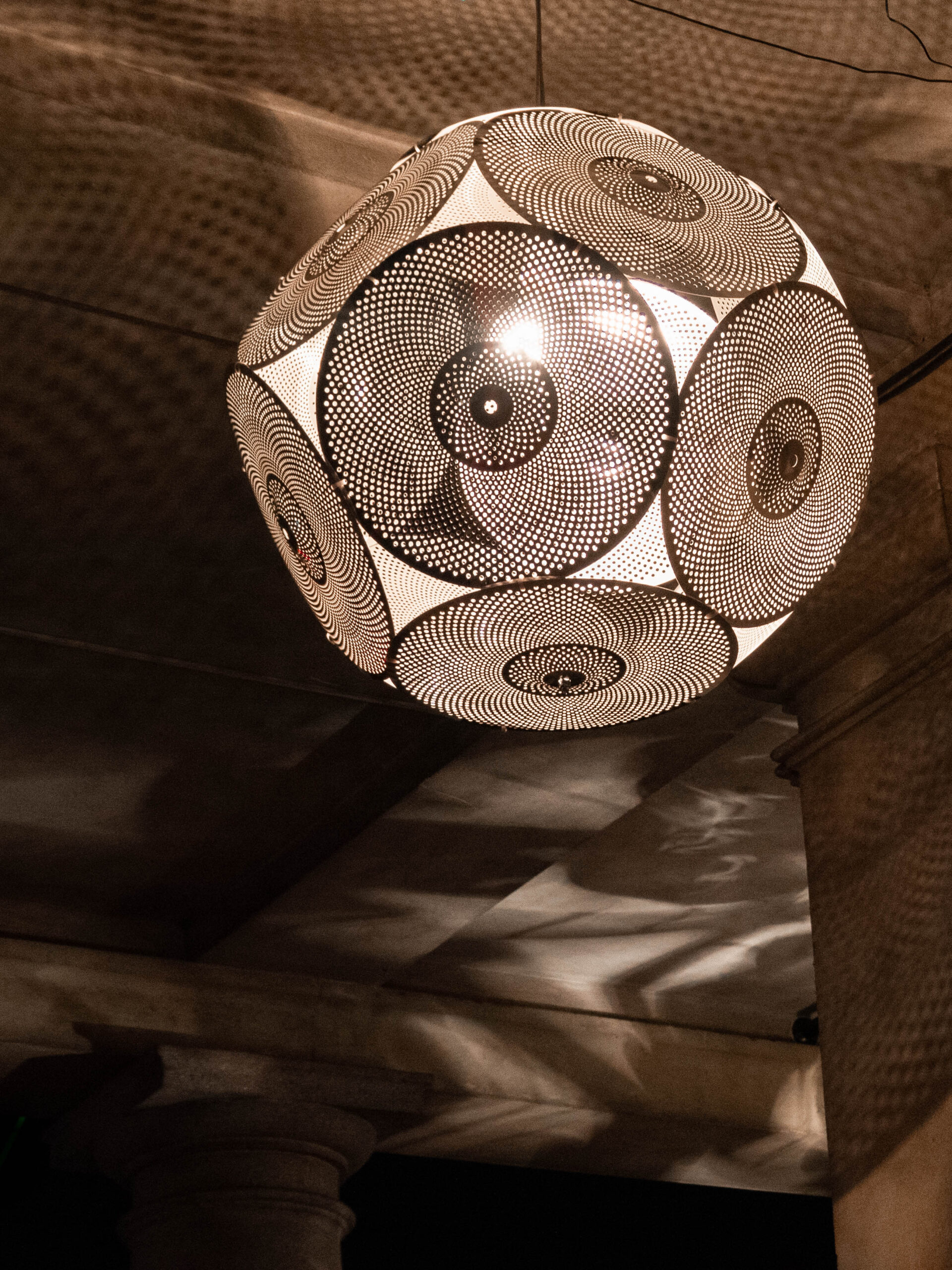
Strongly inspired by sci-fi themes and today’s global context, this installation plays with how we see ourselves and reality – asking big questions about humanity and our future. Can we redefine our consumption to address climate change and save our planet? Are we heading toward becoming an interplanetary species?
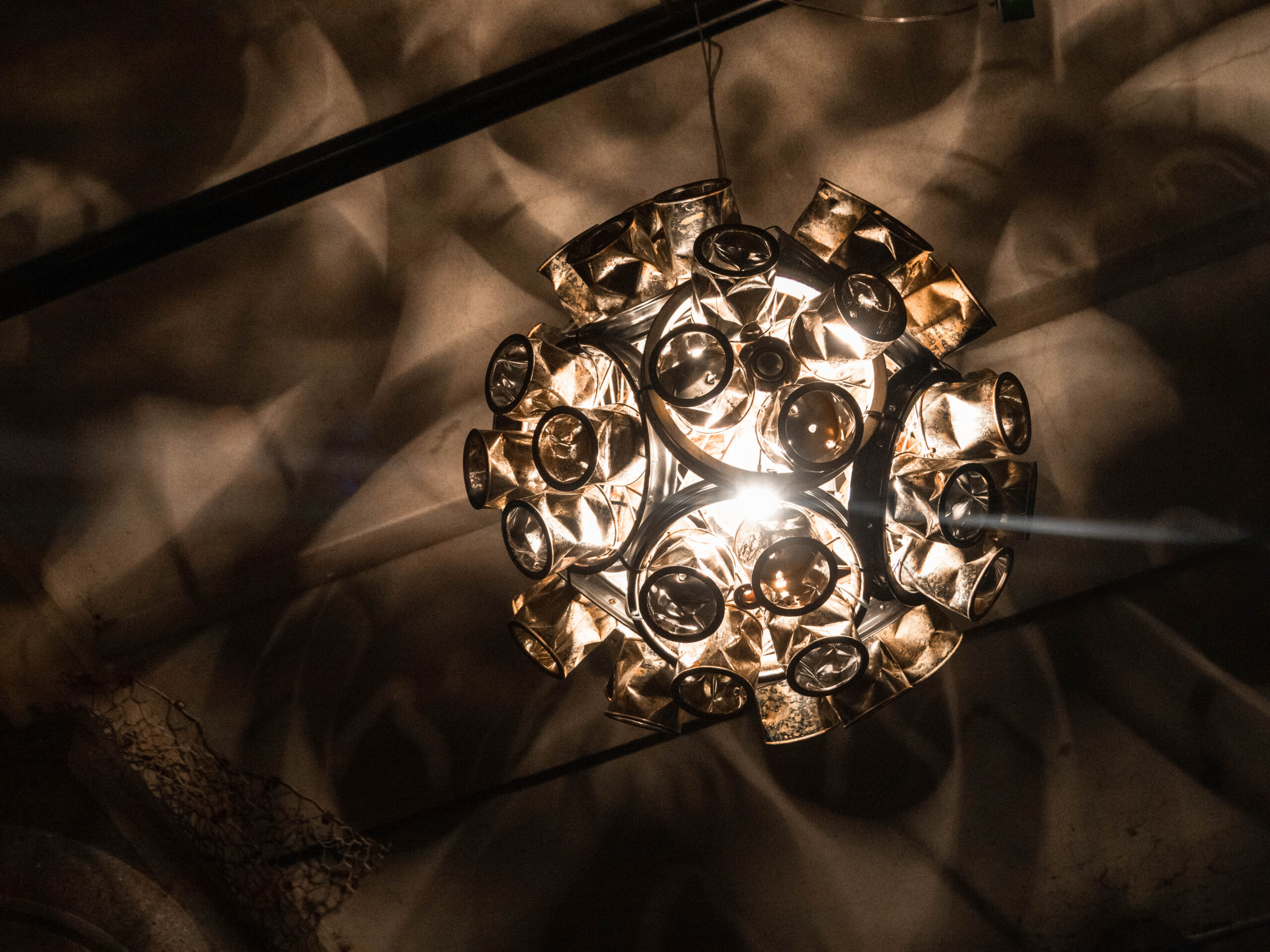
Cosmos is the collective name for the light installations The Orb, Solaris, and Stella – made from baby stroller wheels, tin cans, cymbals, and metal scraps, accompanied by a soundscape created by Martina Francisca Miller.
Green Beam V
Båll & Brand
In recent years, the “green beam” has become a symbol of the Copenhagen Light Festival, and this year it’s shining for the fifth time. With its iconic green hue and 3.7-kilometer stretch, it connects the city. This year, the beam starts from Tivoli amusement park, passes through the tower of Christiansborg (pictured below), and continues beyond.
The moment where the green beam crosses paths with the light shining from the Black Diamond building.
Photonic Empathy
Lumus Instruments
This is an interactive artwork that reacts to touch, inviting visitors to co-create its appearance, colors, and depth.
Photonic Empathy explores the geometry of three connected structures using two distinct types of lighting, creating a disorienting effect—as if the geometry were unstable. At the end of each cube, enclosed surfaces feature infinite mirror panels that catch and guide photons within each form.
If photons were the observers, the sculpture would be completely enclosed. So let’s try and see it through their eyes!
This was the final installation I visited during the festival. There are still plenty more hidden around the city, but my limbs weren’t too thrilled about the cold evening, so I decided to slowly make my way home. It was a beautiful night—if you’re in the area in February, I really recommend checking it out!