
In what is probably my last Danish-themed post, I want to share my experience studying in Denmark, specifically at the Copenhagen campus of Aalborg University (headquartered in Aalborg – Northern Denmark).
Beyond my personal experience, I want to show you the teaching methods and other interesting aspects that were the reason I chose this program and personally crowned it as the best in Europe.
I believe everyone can find something for themselves in this post; I especially recommend reading to anyone involved in the education system in any way. In my opinion and from my experience, we need radical changes in this field in Slovenia more than ever.
Let’s begin.
I actually had two first school days!
The first was for all international students, and the second for all students in each specific program.
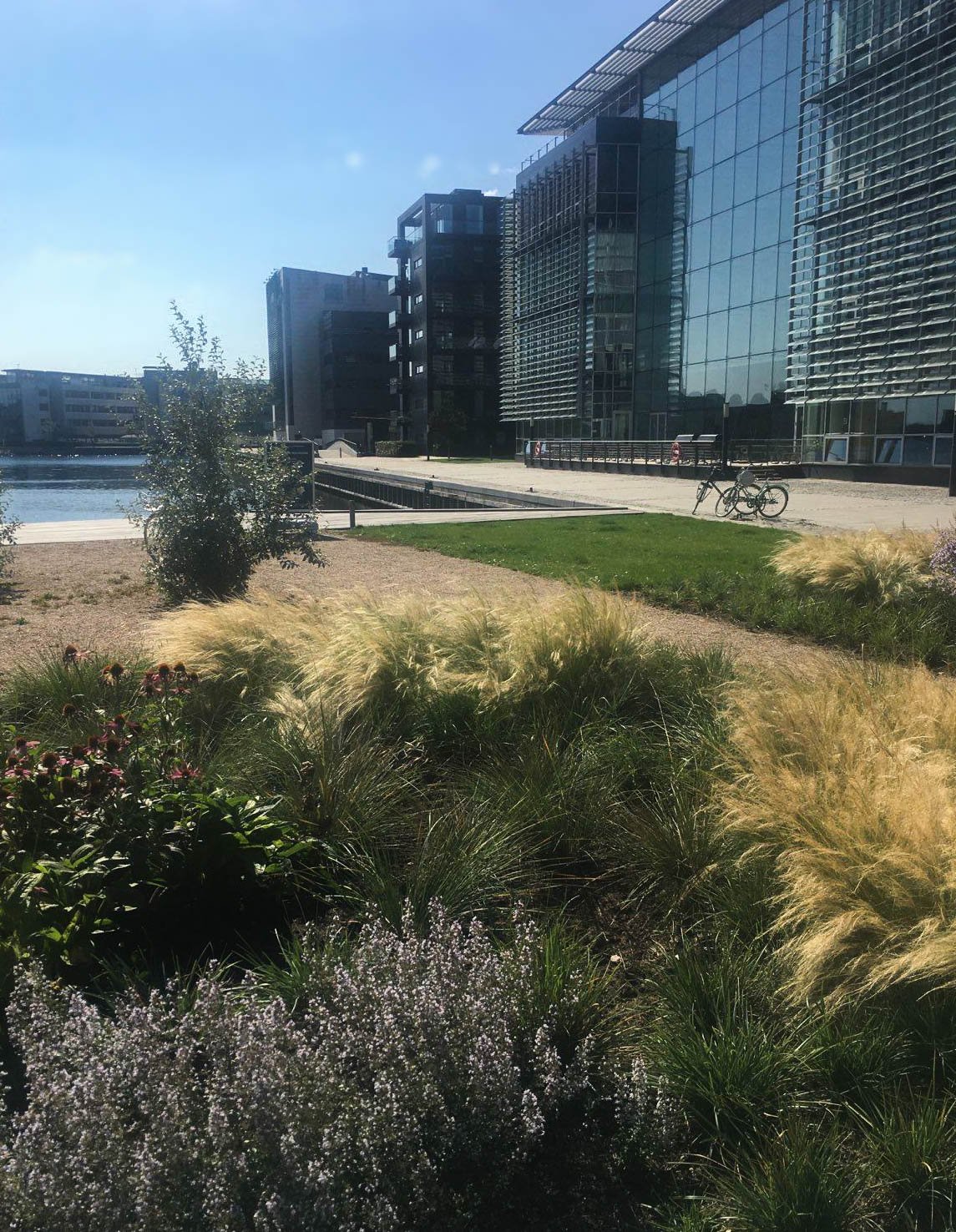
I still remember the warm embrace of the sun on the first day of September (the academic year starts on September 1st and lasts until approximately the end of June), which continued inside the university, as the welcome was truly warm.
During the professors’ speeches and conversations with new classmates, I quickly felt the enthusiasm for our program (they didn’t choose the program because they happened to live near this building, but because of the program itself, which is what they want to do after completing their education) and what impressed me was a perspective I hadn’t been used to until then – that as a class, we’re actually a team and not a collection of individuals with different goals.
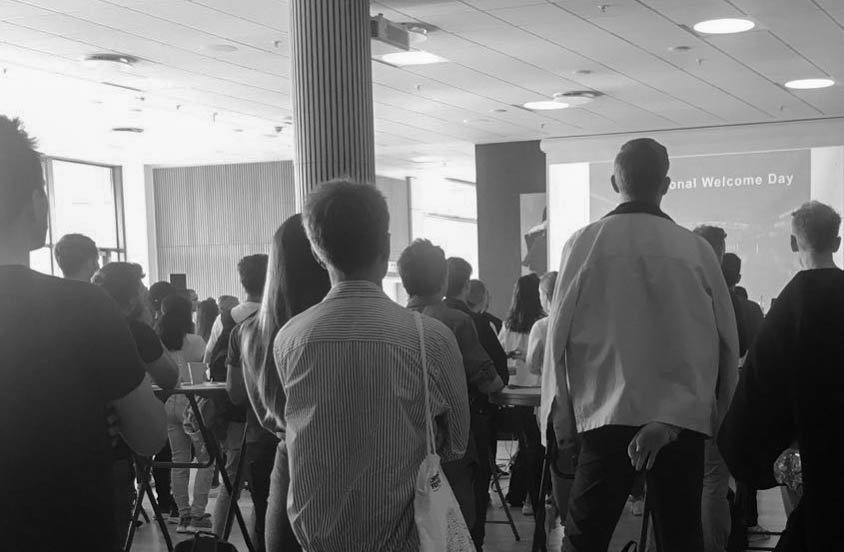
Classmates were well aware that it’s very beneficial for all of us to get to know each other well and discover in each of us what an individual can contribute to projects, what they would like to contribute, and what they would like to learn from others.
As a biologist among industrial designers, architects, and some engineers, I felt like part of a team – interdisciplinarity was understood as something precious, crucial for solving complex problems that we would tackle in the following months of study.
This became especially clear when professors placed us in groups based on our previous education (undergraduate sustainable design students, engineers, designers) and instructed us to build a windmill with the knowledge we had within the group. Then we tried to build the windmill with all groups together. We identified what knowledge we were still missing… It became clearer how each individual could contribute to the project, and we saw how important diverse knowledge is if we want to successfully complete a project and create something that works well.
We agreed to speak only English in the classroom, even if we were in the company of a classmate who spoke the same language.
One day, in groups, we discussed our experiences so far and our views on topics we would explore throughout our studies. I’m adding some questions we answered below:
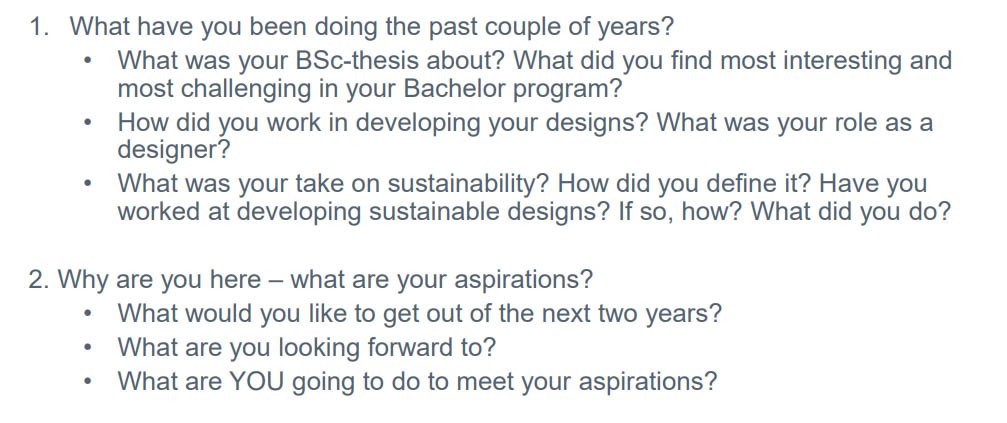
The debates that developed were more than superficial – I saw sparks in my classmates’ eyes as they told their stories and their “WHY”; bonds began to form between us through conversation as we discovered how interesting experiences and worldviews each of us had. This workshop made a strong impression on me, and I still remember my classmates’ stories today.
Then we talked about the professors’ expectations and our expectations of them, our mentors, classmates, and the university campus. This too was an activity that cleared up many grey areas in our understanding of academic life. One Danish classmate mentioned that SHE expects professors to explain certain things to foreigners that are unfamiliar to them/us. Many of us talked about kindness, openness, thinking outside the box, the importance of discussion, personal and professional growth…
We were also visited by some second-year students – they told us many tricks, tips, and answered our questions about studies and student life, which benefited us for many months afterwards.
We usually started activities at 8:30. I can’t describe the satisfaction of being able to wake up mostly without an alarm, as my journey to the university was only 7 minutes long. Over time, there were fewer early meetings as project work in groups dominated, where we decided for ourselves when and how we wanted to work.
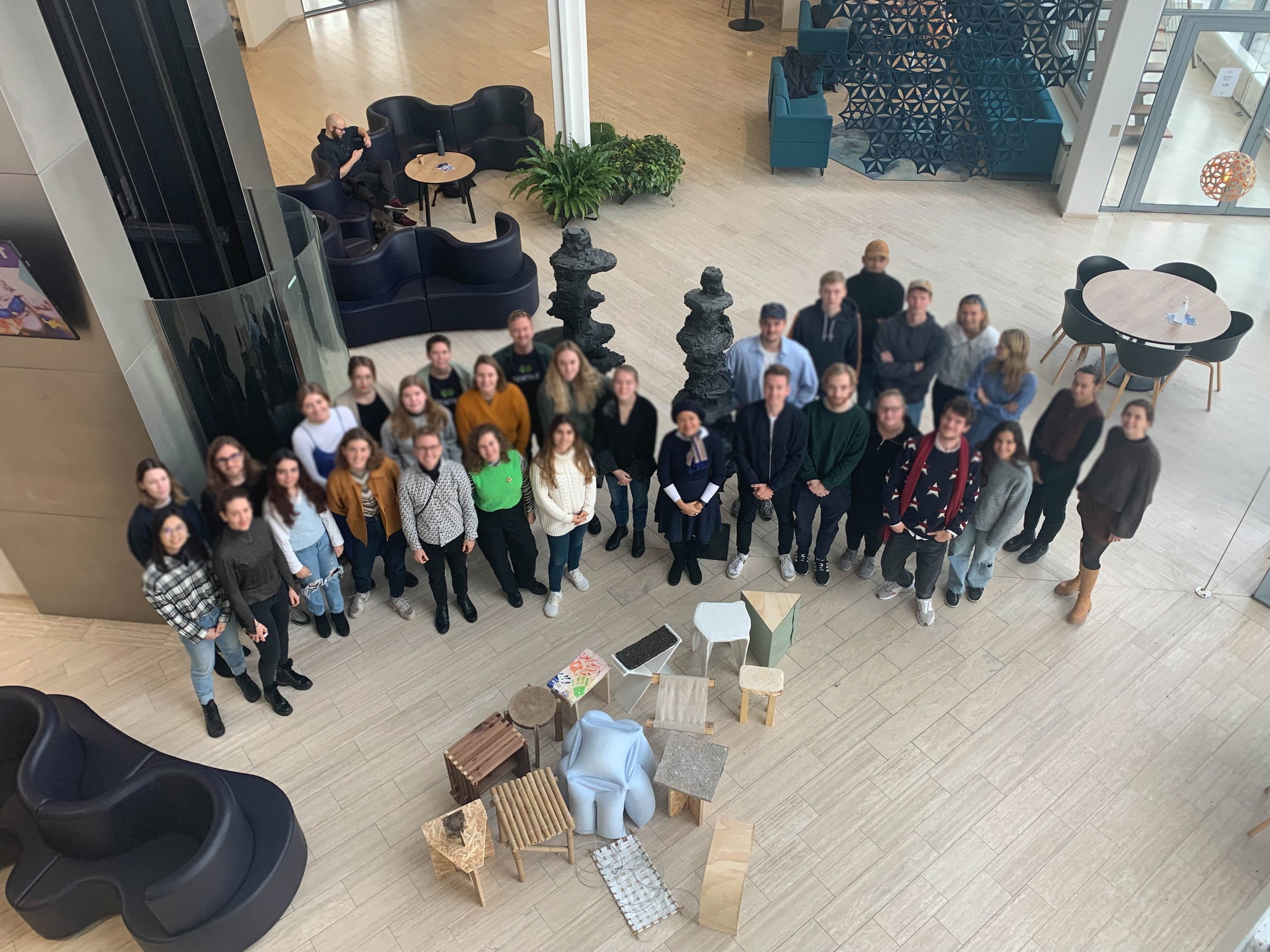
There were about 35 students. On the first day, we met our coordinator (students get a new coordinator each semester), who always had an answer to our questions, or at least knew how to find one. Since he himself had recently completed this master’s program, he was a treasure trove of knowledge, especially practical information and reassuring advice. Together with him, we also had monthly meetings where, during lunch breaks, we discussed everything related to studies and student life. If something wasn’t OK, those responsible took action and fixed it. Comments on the content of the first semester from previous year’s students had already been considered in the design of our program, which was improved this year.
In one semester, we had 4 subjects (3 smaller ones, one central), which began with theoretical lectures. For most, as an introduction to each lecture, we received some scientific articles that we could read for a better understanding of the material that followed in the lectures. During lectures, the professor explained the theoretical background (usually with PowerPoint), while occasionally asking some related questions that we tried to answer in groups of approximately 2-4 students.
One example:
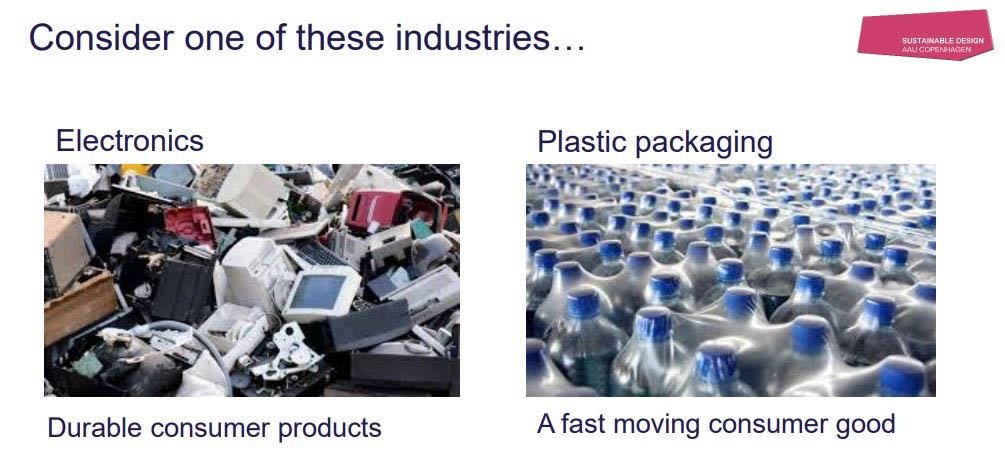
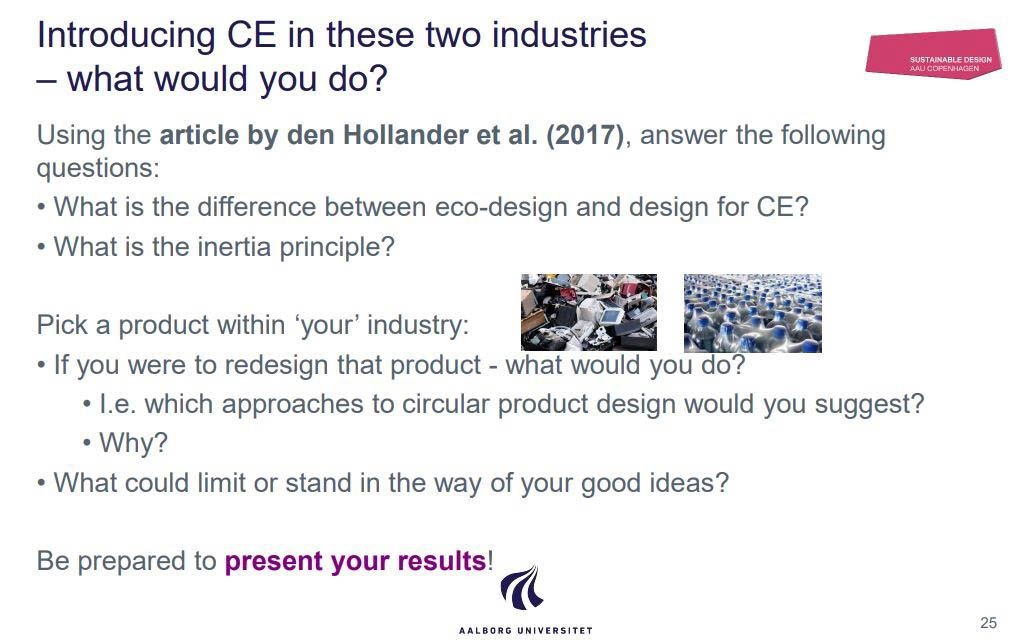
These weren’t usually answers we could find in the lecture text or articles, but we could use this theory to help us think and find solutions to the questions. Then EACH group shared their answers, which we all debated together, creating more knowledge and thus developing a better understanding of the material.
In addition to these questions, some lecturers introduced interim mini-questions that required each individual to think – to hear as many answers as possible, we sometimes used the “padlet” application, where everyone could add their answers via phone without everyone knowing they were theirs.
In another subject, we had so-called group “dessignments” (=assignments for designers), where, similar to the first subject, we tried to find answers to questions within the group. Often, super debates developed and highlighted our gaps in knowledge of a topic, which we tried to patch together as a class, with the help of the professor.
Another similar thing was “think boxes” – each person individually tried to answer some questions that were designed to provide reflection on the topic that followed, or give reflection on the topic we had just covered.
Example:
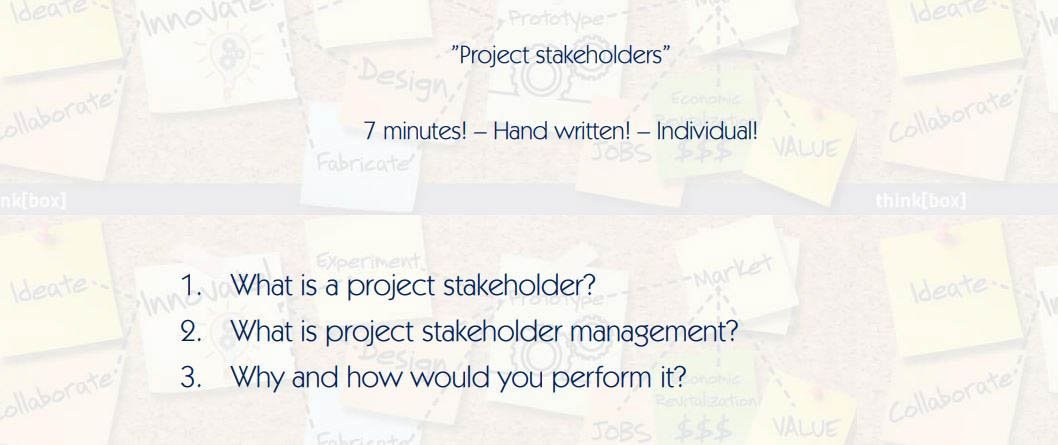
There were 10 or fewer of these theoretical meetings for each subject – in the second half of these, most of all these questions were related to our project assignments (more on this a little below) -> we could try to directly apply the theory to our practical examples.
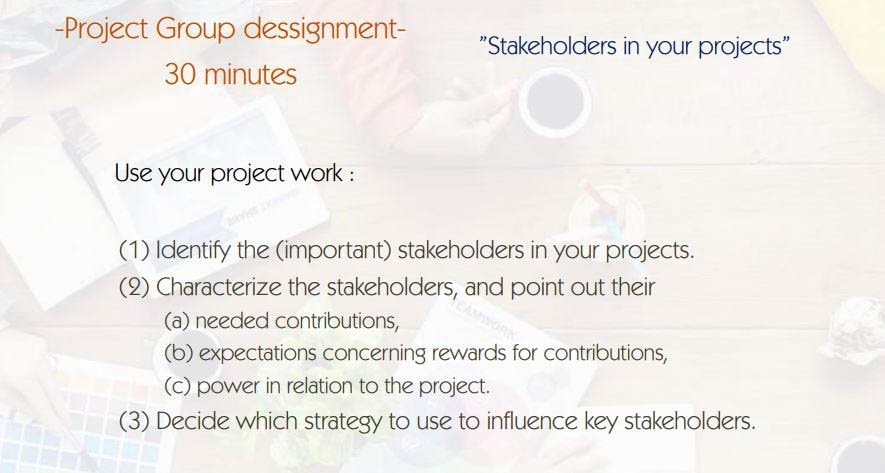
In general, I found it interesting to hear the professors’ reactions to our answers – most often a discussion developed from our answers, but there was never a reaction like “no, that won’t hold.” If an answer was obviously wrong, it was usually followed by the question “why do you think so?”, which ultimately just led us to the right answer, or at least highlighted the reason why we probably made a mistake. We often taught the professors something too, or showed them another side of a story.
Each week, a guest came (mostly from the business world, but also from academia), who added their knowledge gained through work in this field to the theoretical basis; they also showed how knowledge from an individual lecture could be directly applied in practice.
I rarely got bored during lectures, and time passed more quickly than I was used to before. Break times weren’t predetermined, so professors decided for themselves when to take a break, or often we suggested it ourselves. This was usually after an hour, or an hour and a half.
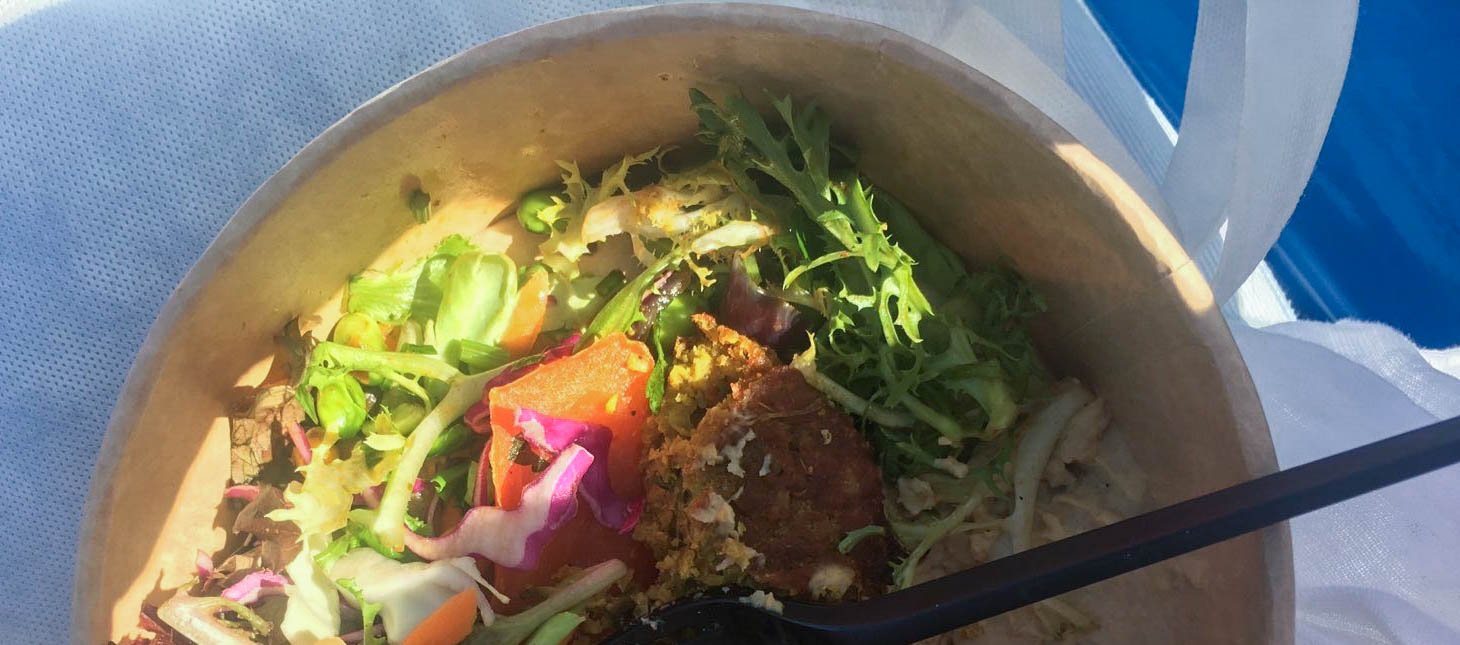
What was predetermined was only lunch time – between 12 and 1 PM. That’s when Danish classmates pulled out their sandwiches or rye bread and some hummus, spices, and cheese. We also had two canteens, where they served, among other things, pizza with potatoes (potatoes are very popular there haha).
After these predominantly theoretical lectures followed:
In the initial months, there were more lectures, later almost none. In general, not even one week was the same as the previous one. At least one day in the working week was usually free (Monday), otherwise at the beginning I usually left the university around three, often right after lunch.
Well, when we got to the second part, when we had more or less only project work, the “working” day lasted from 9 AM to 4 PM, and sometimes it all dragged on until 10 PM. It also happened that we had to fix something and so worked on the project all weekend from morning until late evening. But we survived – we turned on music, debated in between, and in the end, sleepy but with a smile on our faces (because we managed to finish), we left the building, where the evening security guard on his rounds with his flashlight was already used to us.
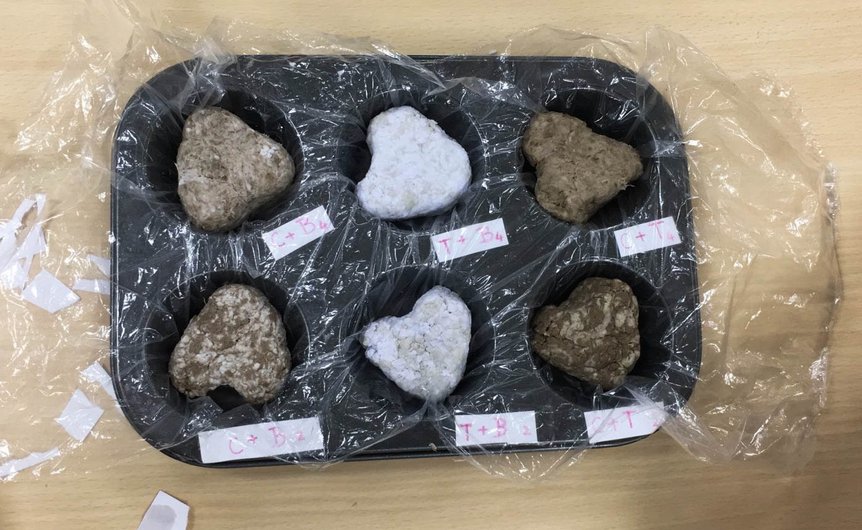
Of course, there was the most such work before various assignment submissions. At those times, it was all quite strenuous.
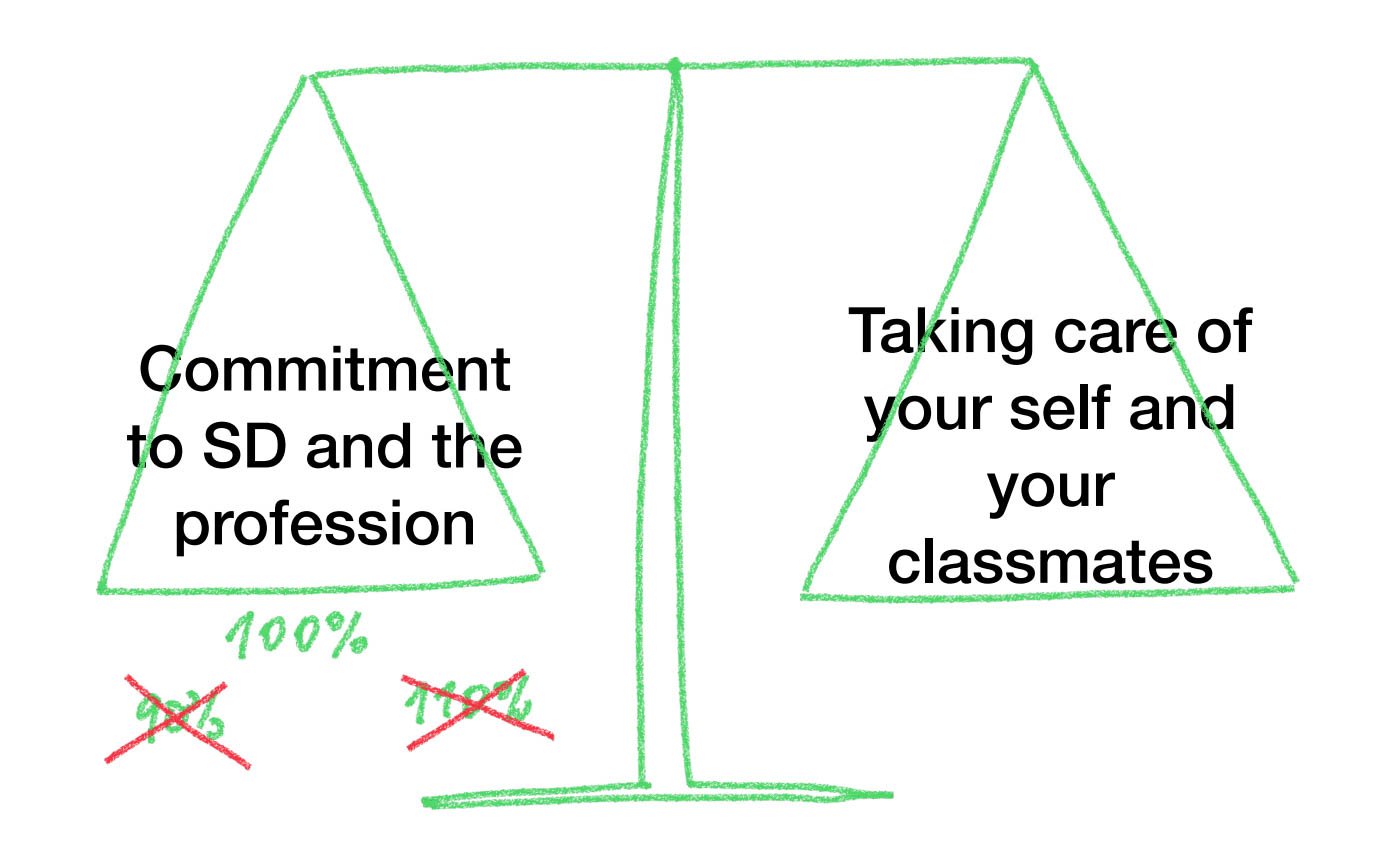
Once at the beginning, one of the professors said he had burned out the previous year and confided that this year he would operate at 80%… Another professor mentioned that many of us would likely be under stress and that, if we needed help, we could turn to him anytime. Other professors also reminded us of a healthy balance between work for university and private life.
Subjects I had within the “Sustainable Design Engineering” program in the first semester: “Design for Sustainability”, “Production systems and sustainability”, “Design in Organisations”, “Staging collaborative design for sustainability”.
*If you’re perhaps interested in more about the content of the subjects themselves, I’m happy to share some “top lessons” from each subject – let me know.
P.S.: Don’t let the “design” in the program name mislead you – design is much more than designing objects and visual communications; here it was also about devising (=designing/creating) entire systems – e.g., a system for recycling office equipment in a large pharmaceutical company or a system for knowledge transfer within a huge international company like Danfoss. Of course, sustainability was integrated through all projects, which includes not only the ecological aspect but also two other pillars – social and economic.
As I probably already hinted at the beginning, I really liked the atmosphere within the classroom and also within the entire campus.
What do I mean by this?
Among classmates, I didn’t detect competitiveness, but rather connection – we’re all together, everyone’s goal is to absorb as much knowledge as possible in a pleasant atmosphere. I was impressed by the flat hierarchy – between students and professors, there’s a sense of relaxation and mutual respect – professors believe they can learn a lot from students. If there was a more informal way of addressing each other in English, we would use it, so we showed this by calling each other by our first names – without “professor…”.
Every email I received from anyone at the university was designed kindly, and the content suggested that the person on the other end was always here if I needed anything – and they really were.
Employees constantly asked for our feedback – what could they improve regarding the study environment, lectures, and similar – we often had some constructive comments and suggestions, which were also considered with a smile on their faces; they didn’t feel attacked but knew this would enable them to become better.

The main desire of the professors was for us to learn what we covered in lectures and successfully use it in practice or at least on practical examples. If someone saw that we were a little worried because of the amount of information and the complexity of the content and we were strangely quiet, they quickly let us know that all this would soon be clearer to us and that they had no intention of frightening us.
Every Friday after the academic day, a “Friday Bar” was held in a small canteen – an opportunity for socializing and making new connections with students from all directions and professors, and a good moment for sharing both academically colored ideas and others. And of course, partying until the morning hours accompanied by a DJ. And this at the faculty! – To me, this seemed quite unusual.
All activities within our program took place in just one space, which we called the “studio”.
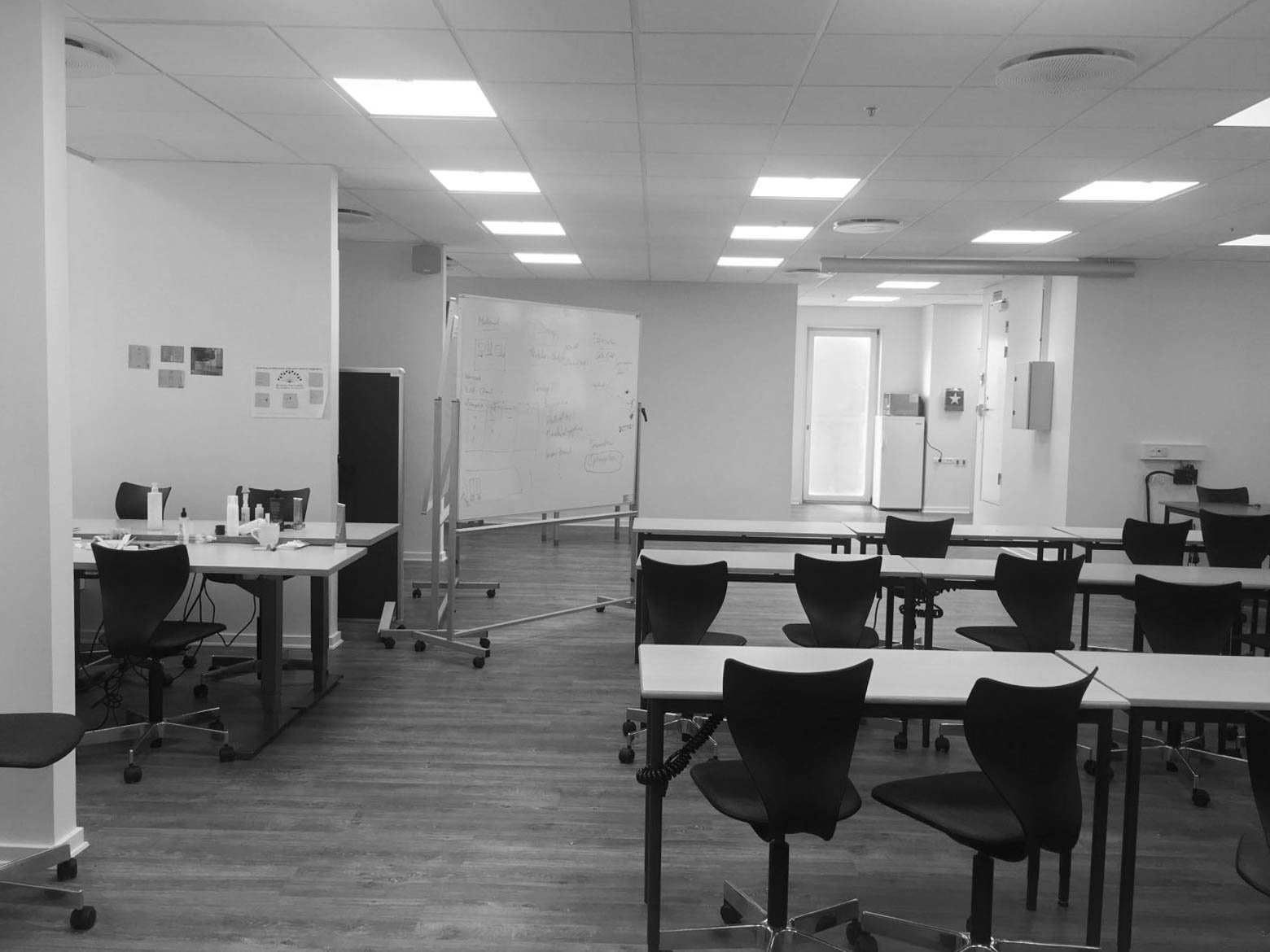
In the middle were longer benches (for lectures), and on the sides were smaller spaces with different boards for group work.
This space was ours all year, so we could arrange it completely according to our wishes – as if it were our home (the year before us had even had a Christmas dinner in it). Also, each group for project work had its own section in the studio, within which members brought elements that beautified the space. We had a giraffe figurine, a bowl of Danish sweets (which didn’t last long), office supplies, and a table full of unsorted, written-on papers haha. Others hung lights all around in the darker part of the year and solved challenges in their glow.

We also had access to a workshop with 3D printers, various saws, lasers, and similar – we had a mini course where they taught us how to use most of the tools. The rest we improvised along the way – when/if we needed it.
Computers/tablets were more popular during lectures than paper – except in one subject, where the professor was of the opinion that designers should know how to write beautifully.
Throughout the campus, many spots for work and relaxation were installed – from comfortable couches, bean bags, to rooms where we could have meetings, and table football.
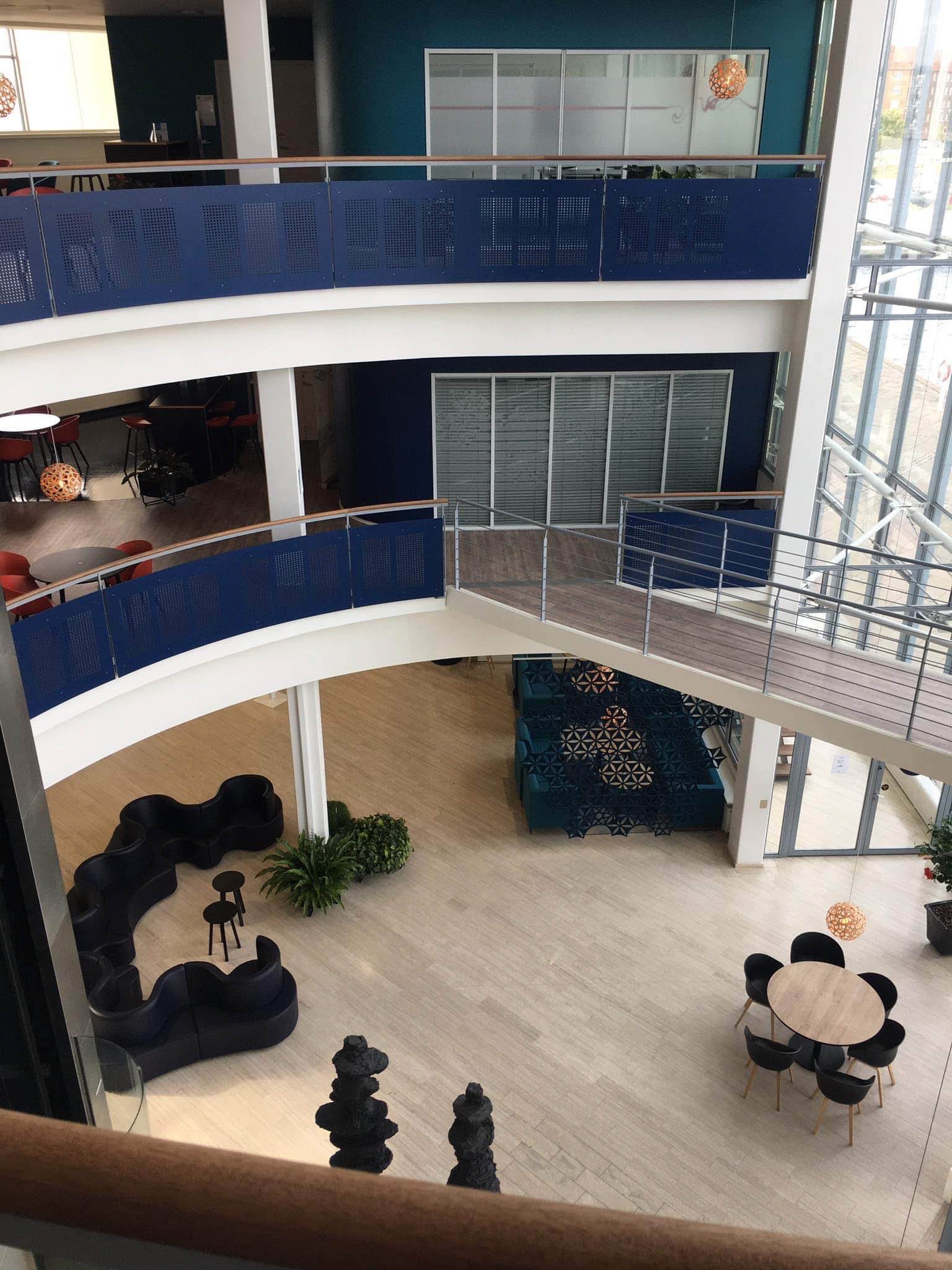
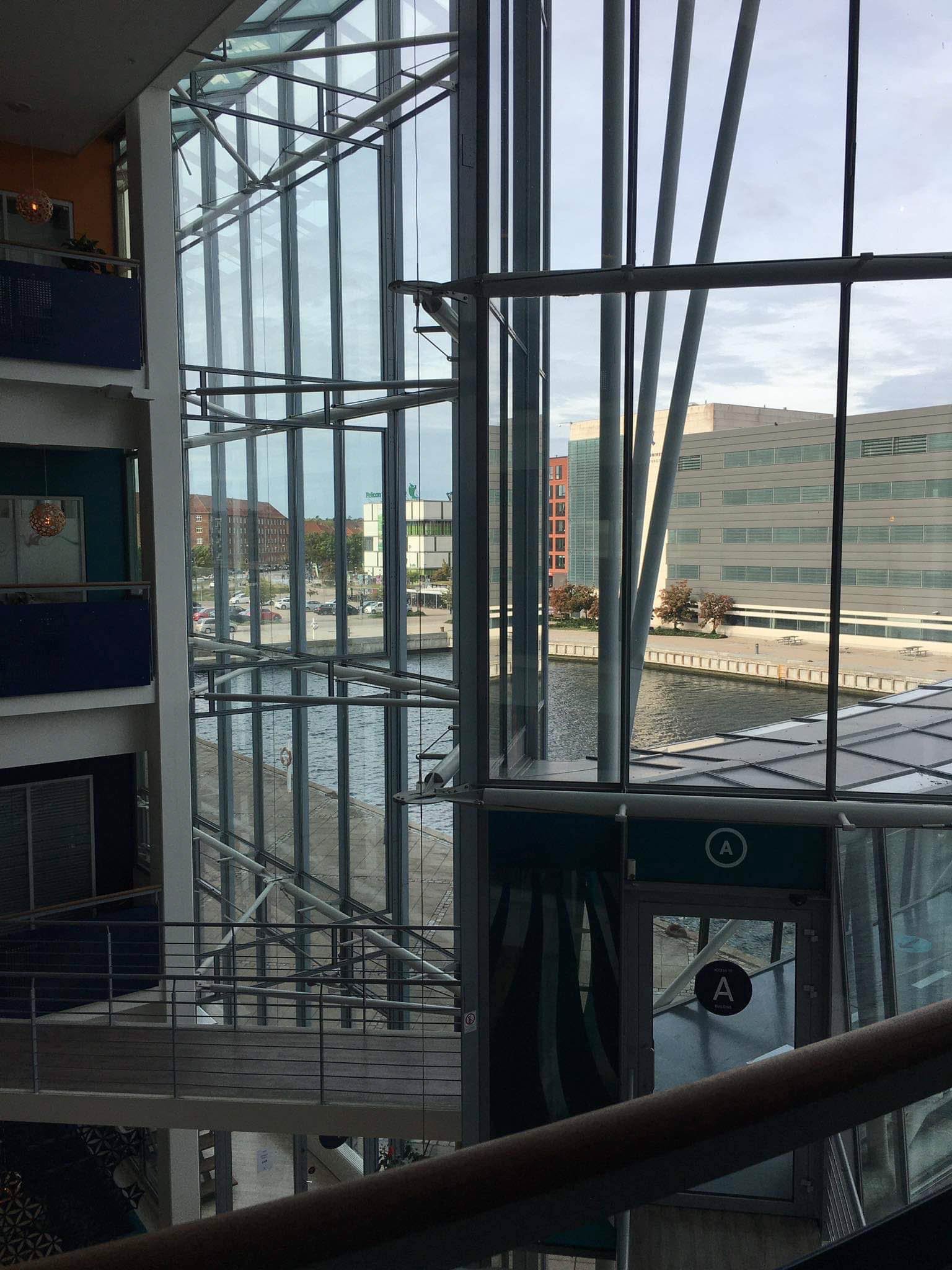
We often played the latter after long hours of group work – it quickly restored our energy and joy.
Everyone also brought their own cup for coffee or tea from home – so we didn’t need those plastic/cardboard ones that are usually next to vending machines or in canteens.
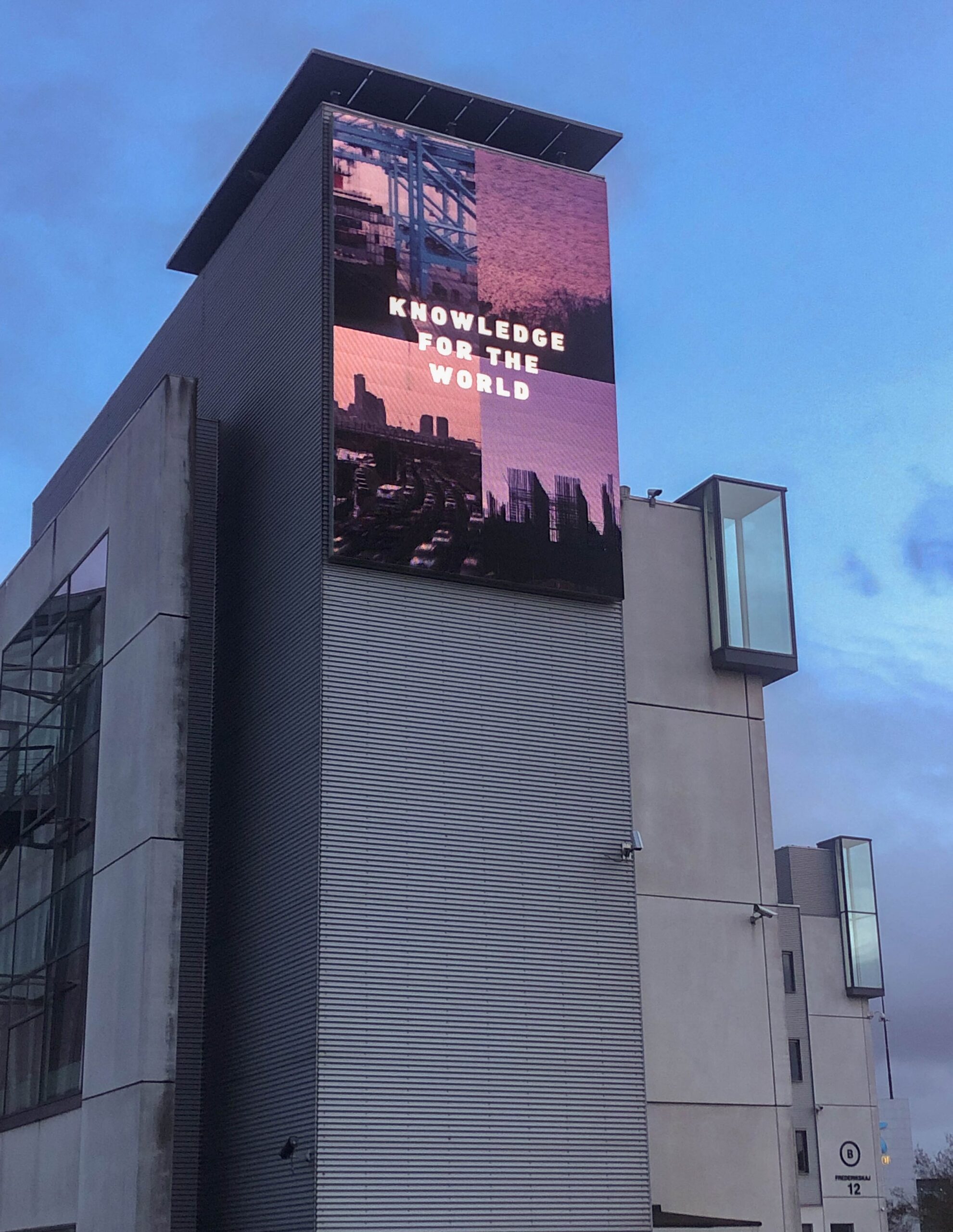
Problem-based learning is something for which the University of Aalborg is probably best known and why I chose it.
After the end of my undergraduate studies, I made a reflection of this experience and found that learning through practical problems and using what was learned in practice (which I find extremely important) was what I missed the most…
And one more thing – before you applied to this program, you could complete a few hours of education where professors from this program lectured on the main contents of this program – so you could quickly see whether this is really something for you or not.
In addition to this learning method being integrated into every lecture, “problem-based learning” came most into play when we worked on a semester project worth 15 ECTS.
At the beginning of the semester, companies/academic researchers came to us and quickly presented their challenges that we could solve in collaboration with them. We could also invent the problem ourselves – one of my classmates presented a problem she had discovered at the company she was working for at the time.
Each then decided which challenge was closest to them, and based on this, 8 project groups were created, each with 4-6 members.
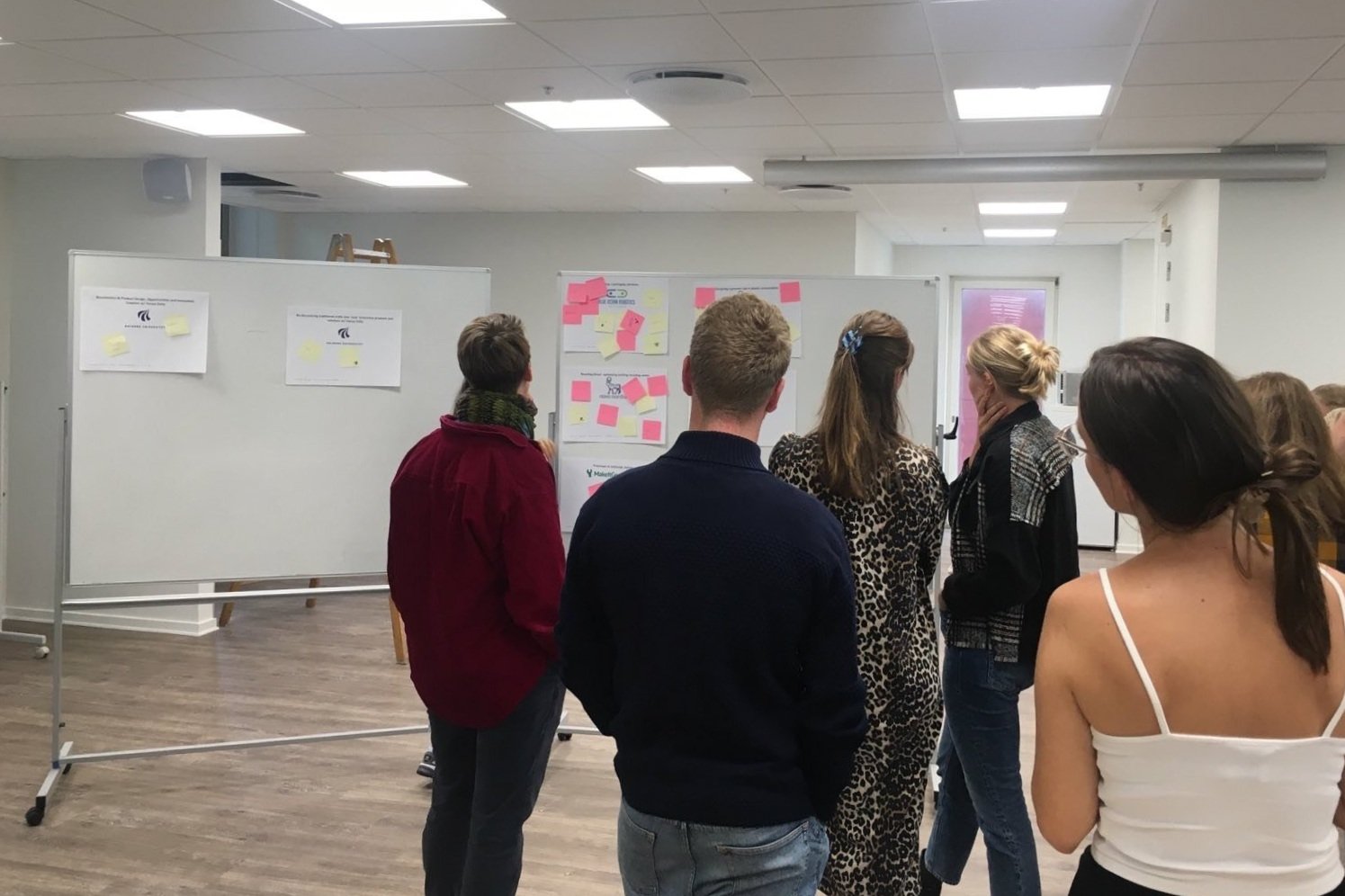
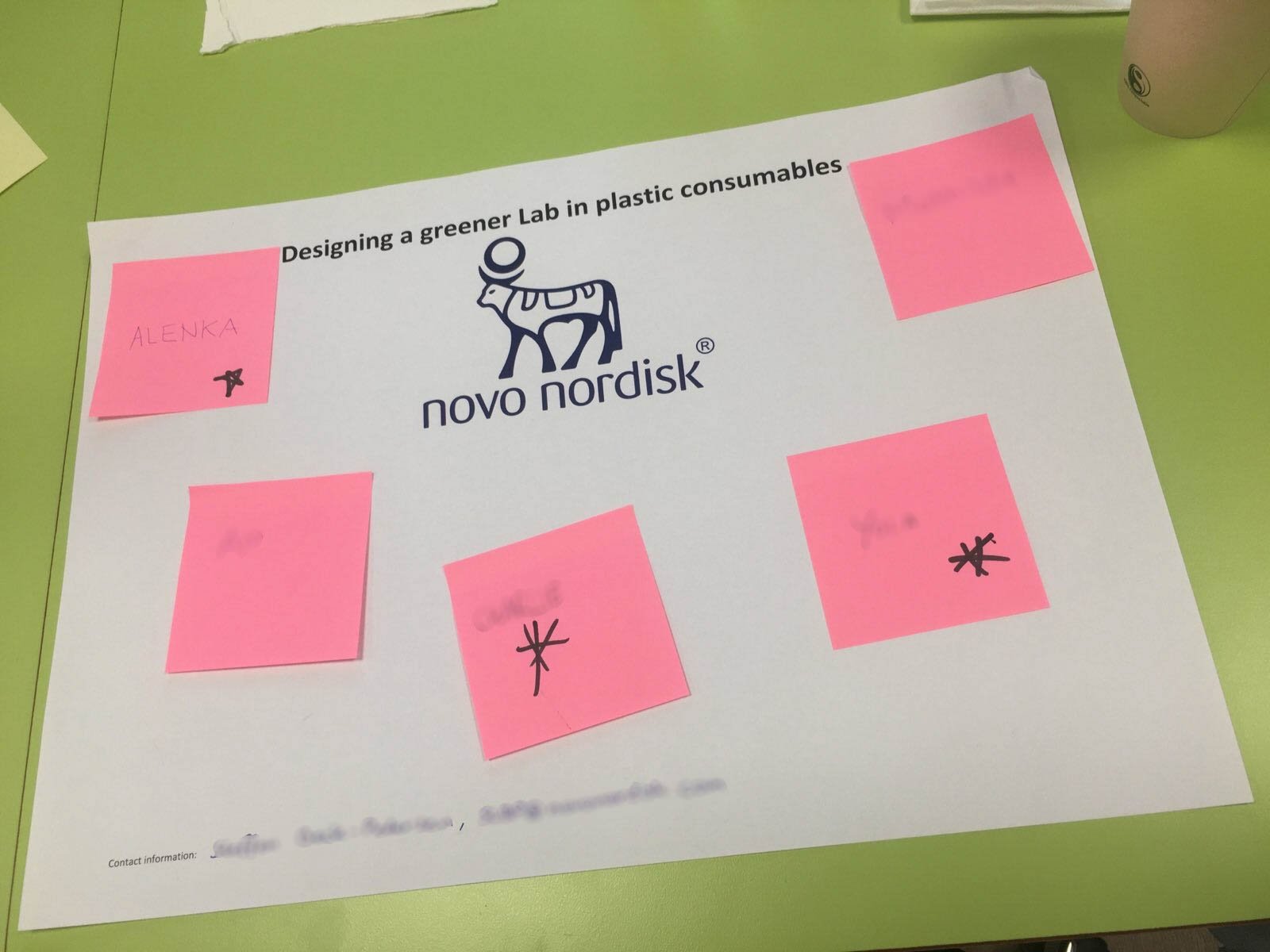
Most projects were under a non-disclosure agreement, so I can’t talk about them, but I can list the main challenges that the projects addressed:
Each group put a lot of effort and time into this project – when there were no lectures, we used almost every day, from 9 AM to 4 PM, to solve challenges within the project. We also had a “social contract” – a contract in which, at the beginning of group work, we wrote our rules as a group – how often we want to meet, how we want to communicate, how we want to be organised, what we do if we get sick, if we’re late, and similar. Something I didn’t know until then. The contract also stated that we have at least one group gathering somewhere outside the faculty each month – e.g., during a sports activity, at dinner…
For project management, we used our somewhat more relaxed version of scrum. Among other things, we divided the roles:
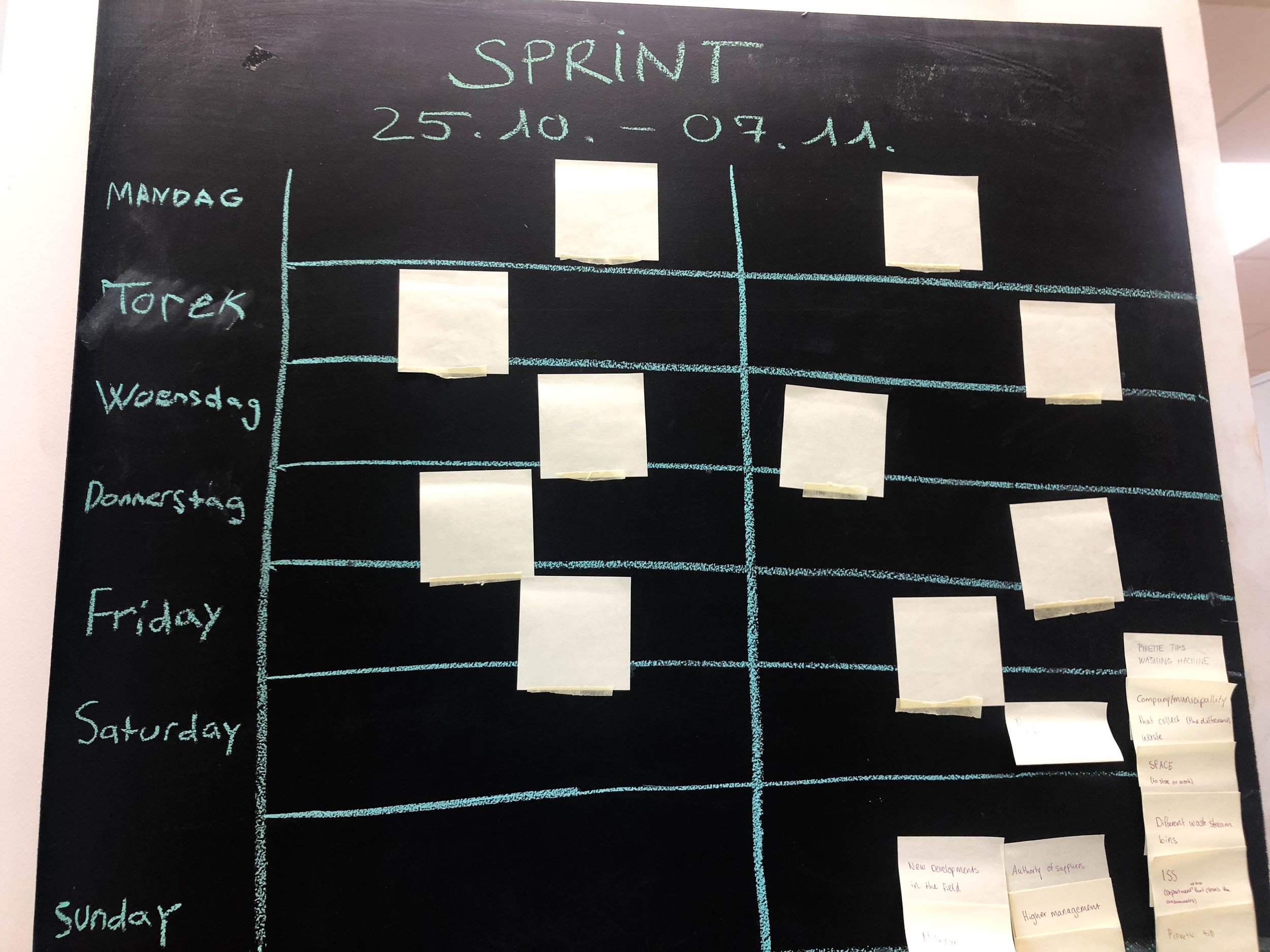
We also had two-week sprints, which helped us achieve short-term and consequently long-term goals and helped us stay within the timeline we had in mind (well, almost). After each sprint, we also had a reflection of it, where we addressed the main areas of work: workflow, communication, planning, performing tasks, and similar. For each, we addressed what we’re doing well (we want to continue with this), what we want to abandon, and what we want to newly introduce.

Such a holistic approach was something new for me – the project began with deep research – what are the main problems our project partners face. In this phase, we went to the company headquarters, conducted many interviews with employees, reviewed articles, websites, observed employees’ work, conducted interviews with people who are familiar with this field, listened to podcasts, in our case even traveled to Austria to see “Green Labs Austria”. This lasted about a month and a half.
Then we narrowed our “problem area” into a concrete problem definition and then, with further research, tried to address it with different solutions that we tested – one of the methods was so-called “design games.”
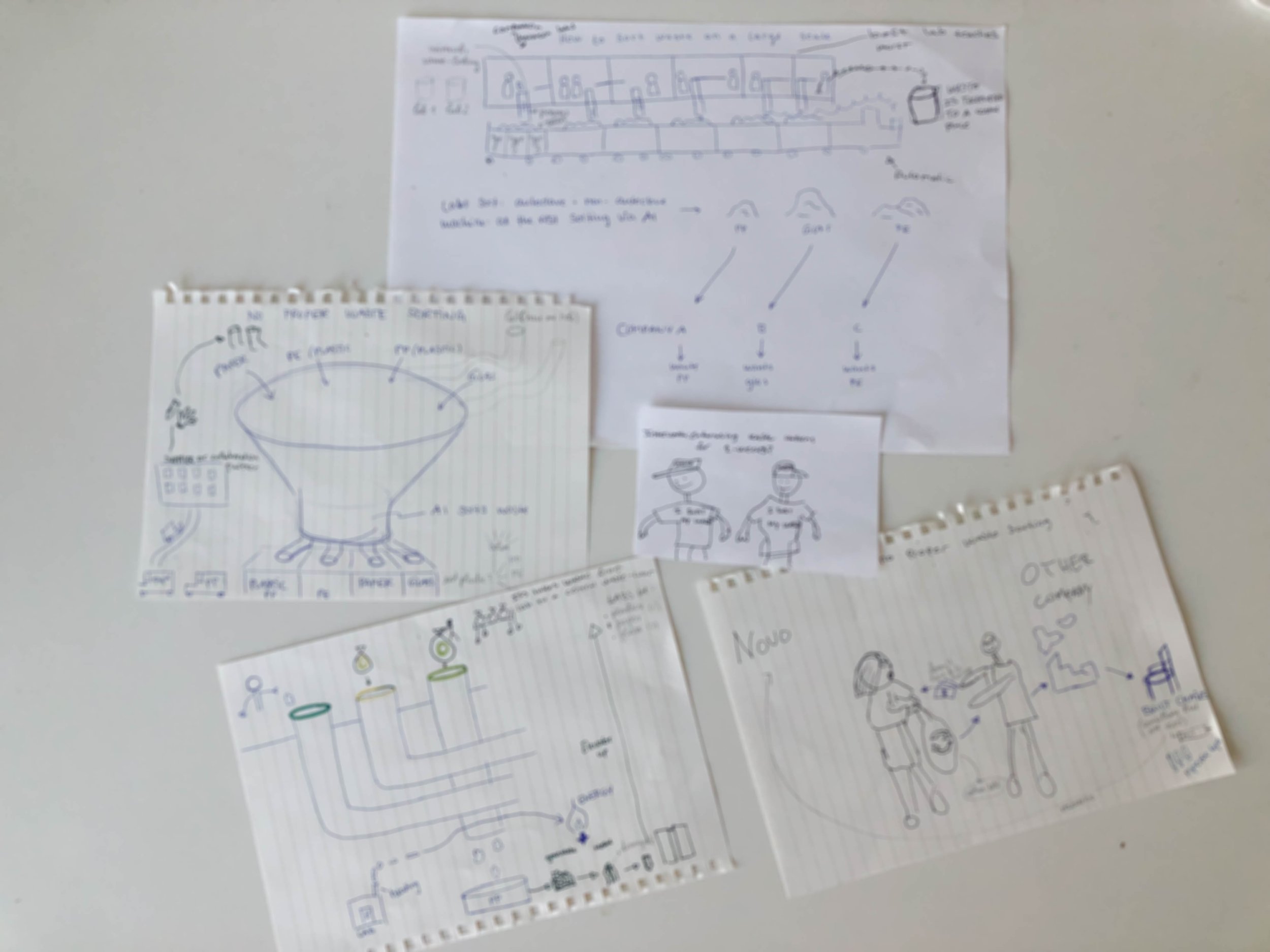
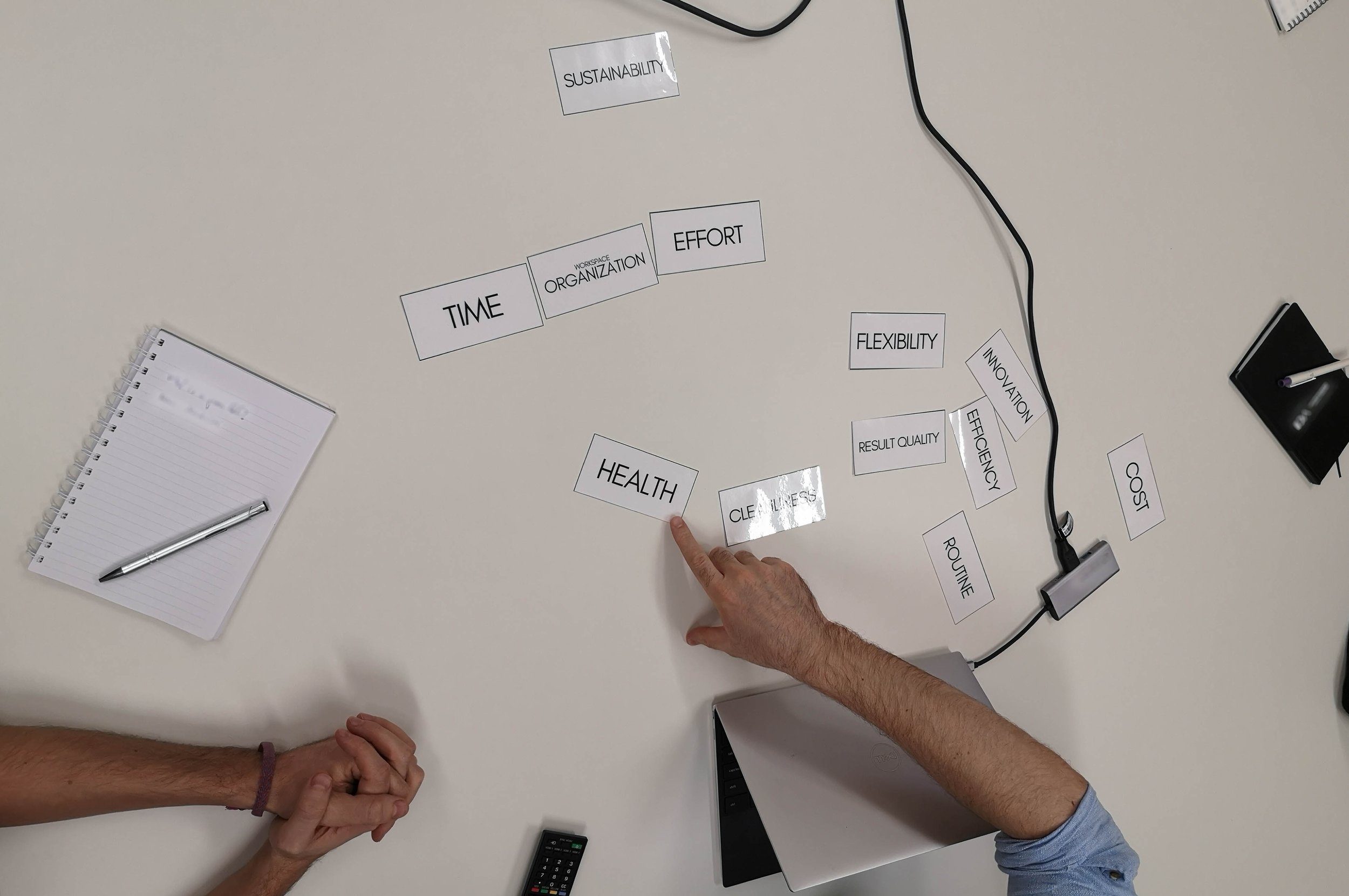
These were kinds of games under our guidance, in which relevant partners participated – what we learned from the participants during the play helped us determine the suitability of our solutions and shape the final solution, which after five months we presented to partners via an extensive report and defended before professors at the faculty.
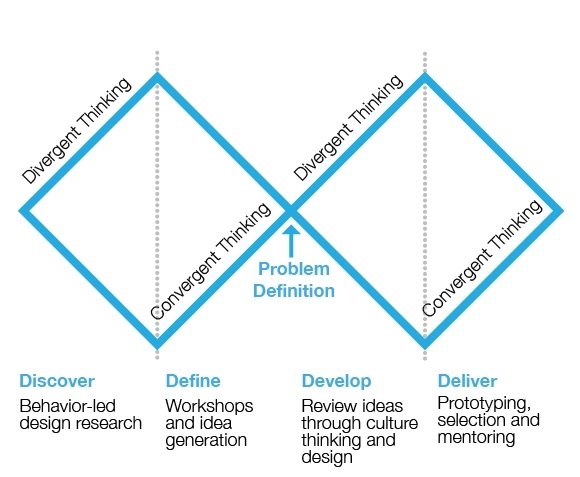
If the idea was sufficiently developed, the company could implement it immediately.
Throughout the project, we met with a mentor who helped us stay within the timeline, gave us some advice, and primarily provided the opinion of an outside observer who wasn’t involved in this project all day.
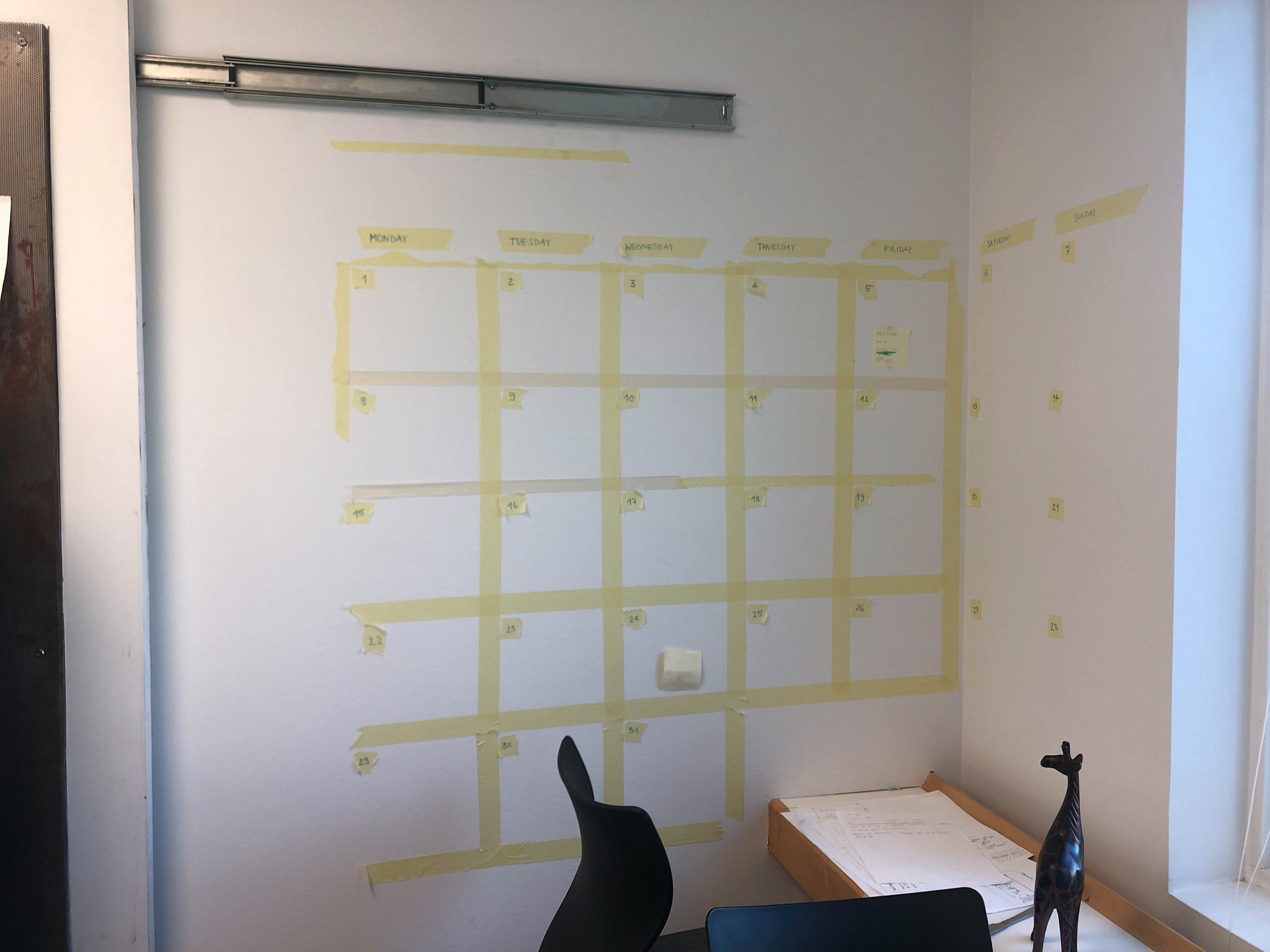
We also had so-called milestones – every month or so, we presented our work, plans, and progress to professors, from whom we also received a lot of useful feedback related to our work. In addition, these dates motivated us to take the next steps in the project on time.
The way of obtaining grades was also something new for me – we had 4 subjects, with only one assessment for each, which amounted to 4 grades in the semester.
The exams were different – for one, we submitted a physical product, for two, a month before the exam date, we got 3 or 4 questions that we had to answer on approximately 2 pages per question. The questions were related to what we discussed in lectures, but answers couldn’t be found directly in any literature – usually it was necessary to process the entire material, find additional literature and other sources, think well, and then shape an answer together with one’s own view on this topic.
Sometimes you had to think about how you would use something we talked about in practice for an arbitrary project. You could answer these questions at home, without pressure (unless, like many – including me, you waited until the last week), with all possible sources open, discussing them with classmates… and yet we didn’t all get the best grade. I think with such exams you could really show all your attributes and the grade didn’t depend on luck or the capacity of the brain to hold tons of useful and less useful information.
For the main subject, we received a grade from the final report and a three-hour group oral defense.
By the way – the Danish grading scale is seven-step and is something special – grades go like this:
-3
0
2 (positive)
4
7
10
12 (highest grade)
So, these were thoughts that have been sitting in me for a really long time and which I hope will be useful to you or any of your acquaintances in any way. Education is a topic I could talk about a lot more, because I think the years we spend in the education system are very important in shaping each individual – at all levels.
And as you already know… this period, though wonderful from many perspectives, has concluded – not too early, but at just the right time. (for more: read this blog post)

I’m slowly leaving the formal education system, but I’m already looking forward to the time when I’ll share new content with you that I’ve acquired, or will acquire, through my own life experiences and other ways of learning. Learning only truly begins at this point. 😉
If you have any idea/question regarding what’s written, just let me know -> here in the comment, via e-mail, IG, or something else – I’ll gladly get back to you.
And once again – if you’re interested in the “Sustainable Design Engineering” direction, also write to me/tell me.
<3, Alenka