The Heart of Copenhagen - City Centre

🇩🇰Hej,

Today I’ve put together a selection of snapshots from the city centre — and the journey to get there — that are well worth sharing.

I live on the outskirts of the city, so I don’t visit the centre very often — usually I just cycle through it. But one sunny morning, I decided to head there with the intention of capturing the essence of this vibrant area and sharing it with you.

The first few photos were taken on the way, while the rest are from a stroll through the city — I even walked down some streets for the very first time since moving here.

I’ve added little descriptions with fun facts under most of the images — as always, I recommend watching on a computer for the most immersive experience.

ENJOY THE TOUR!
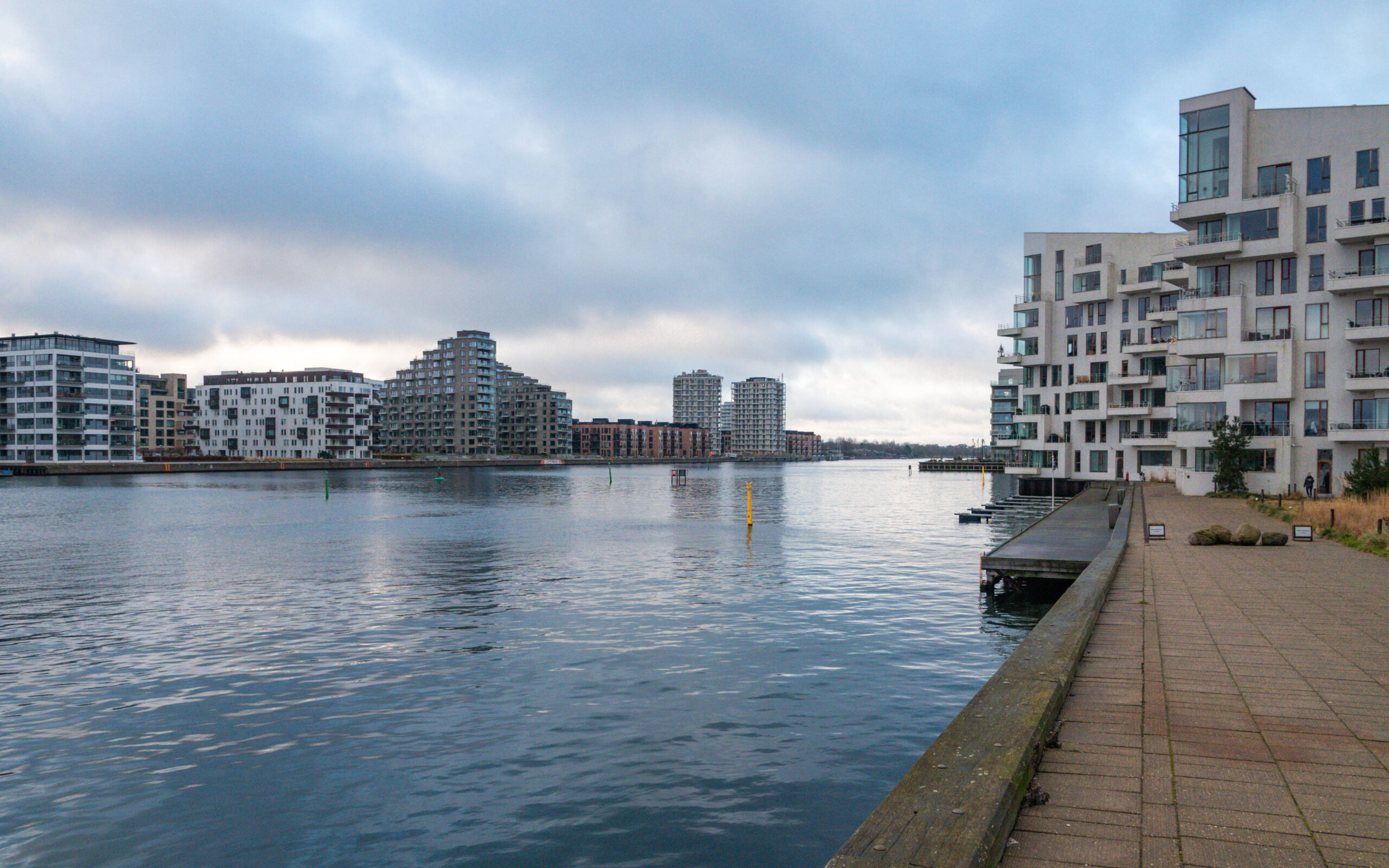
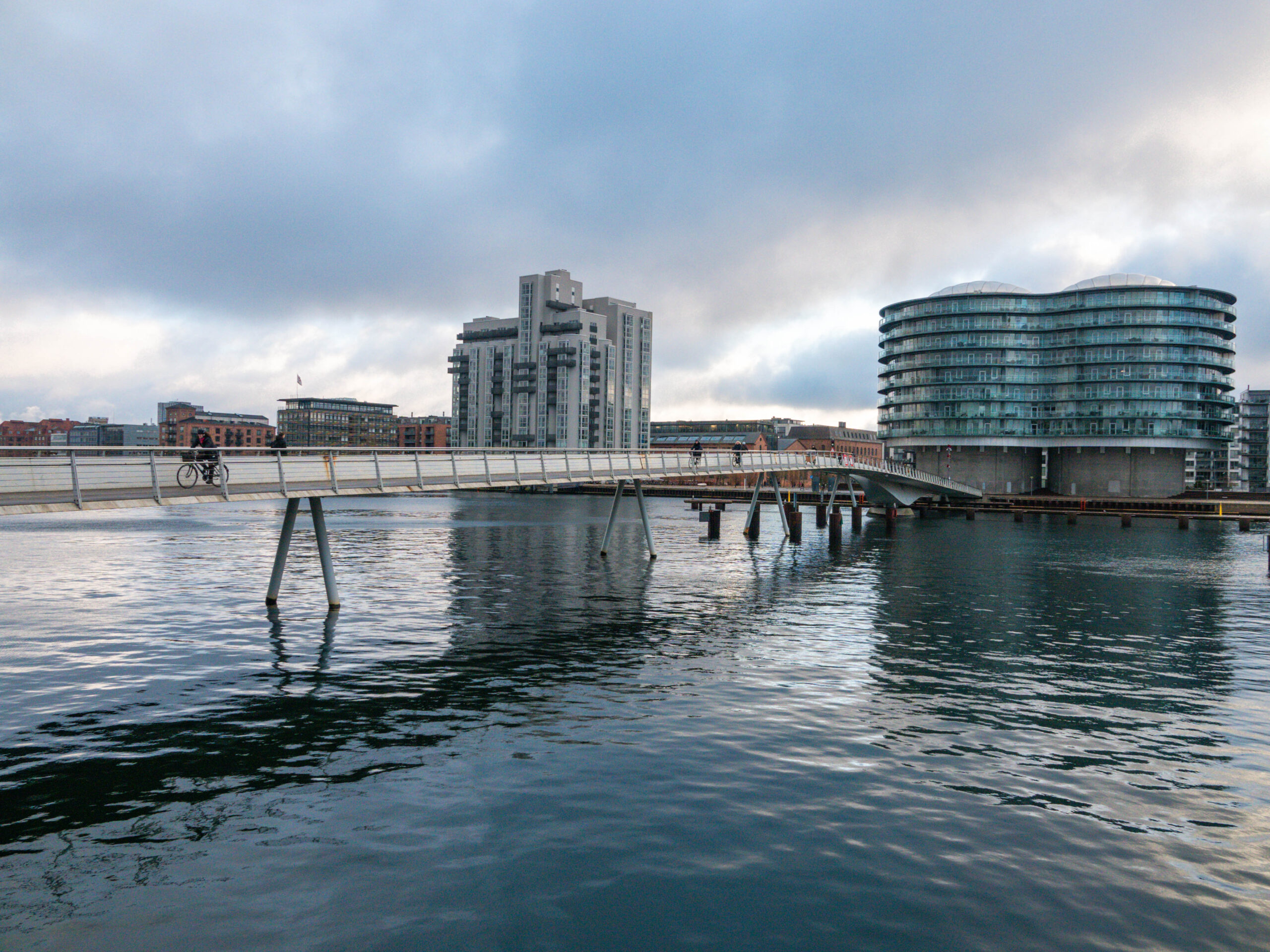
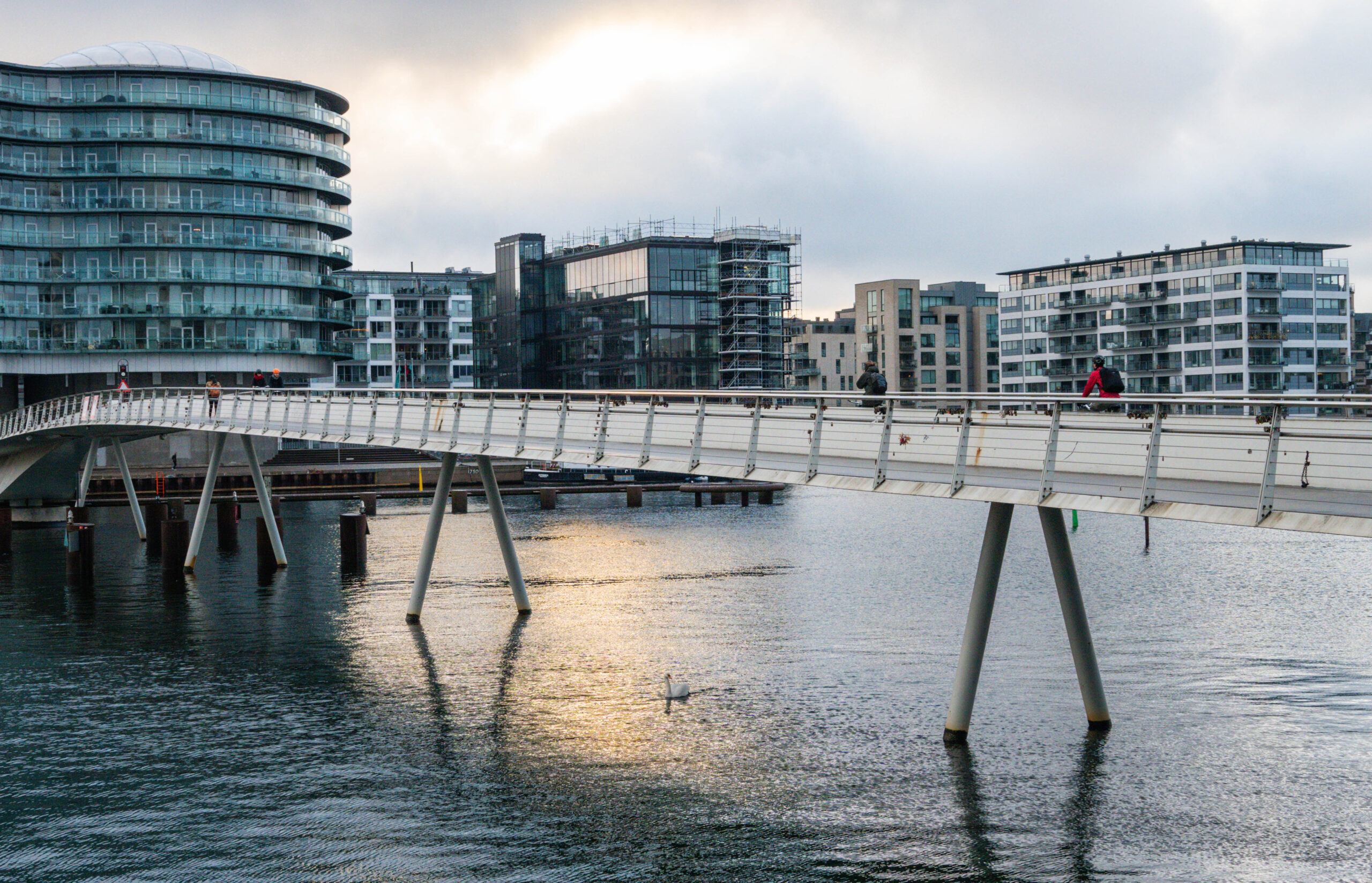
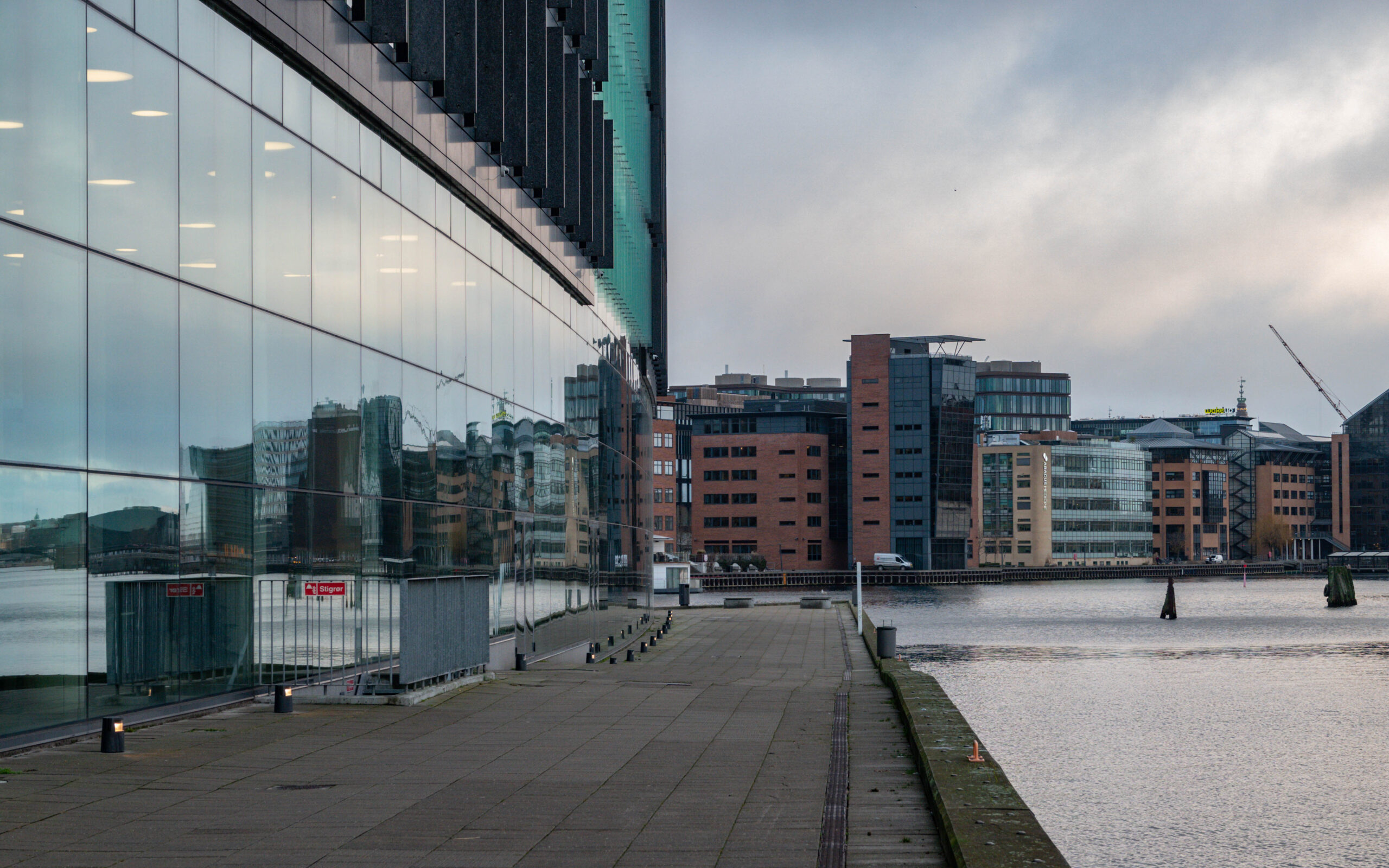
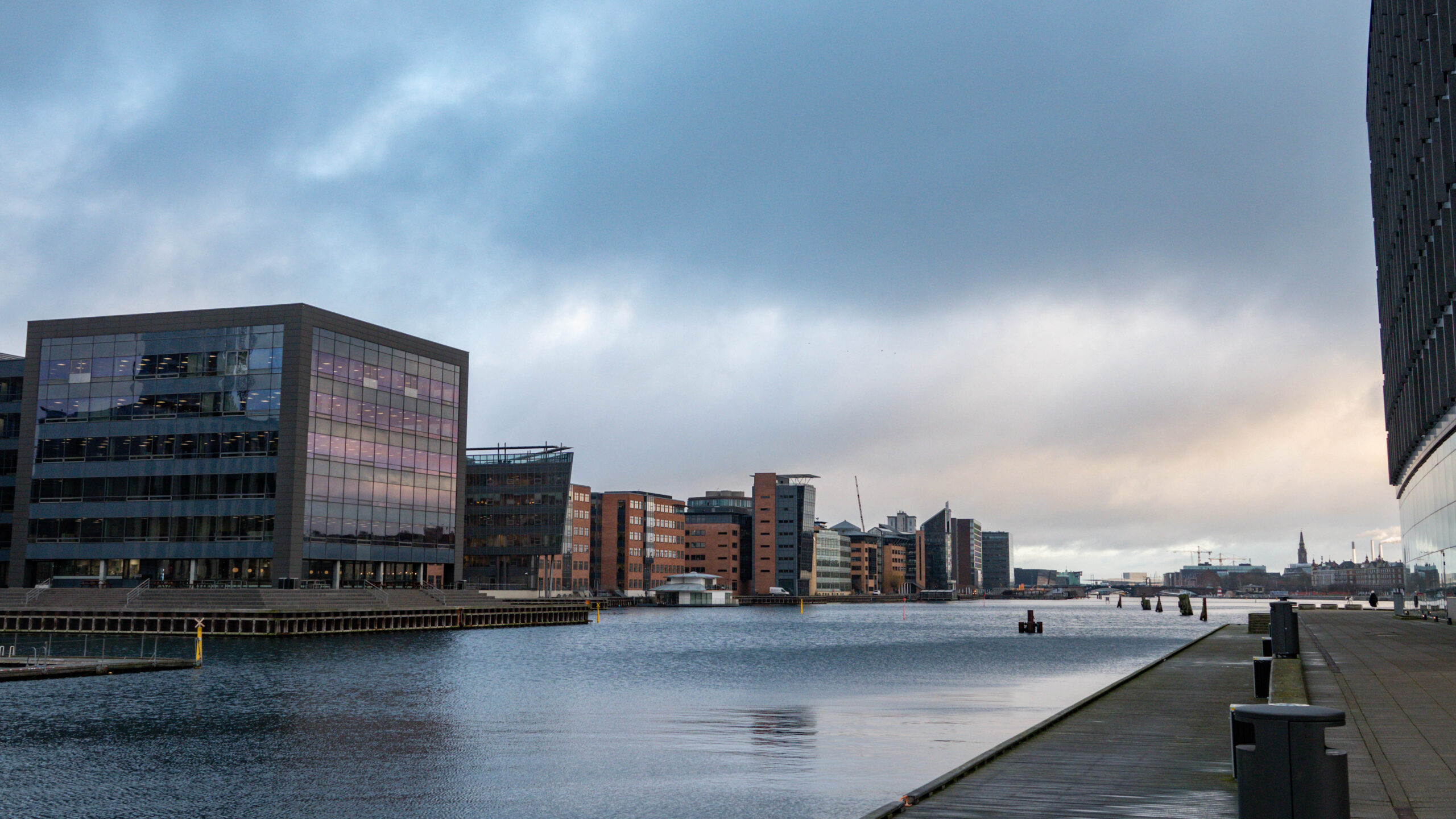
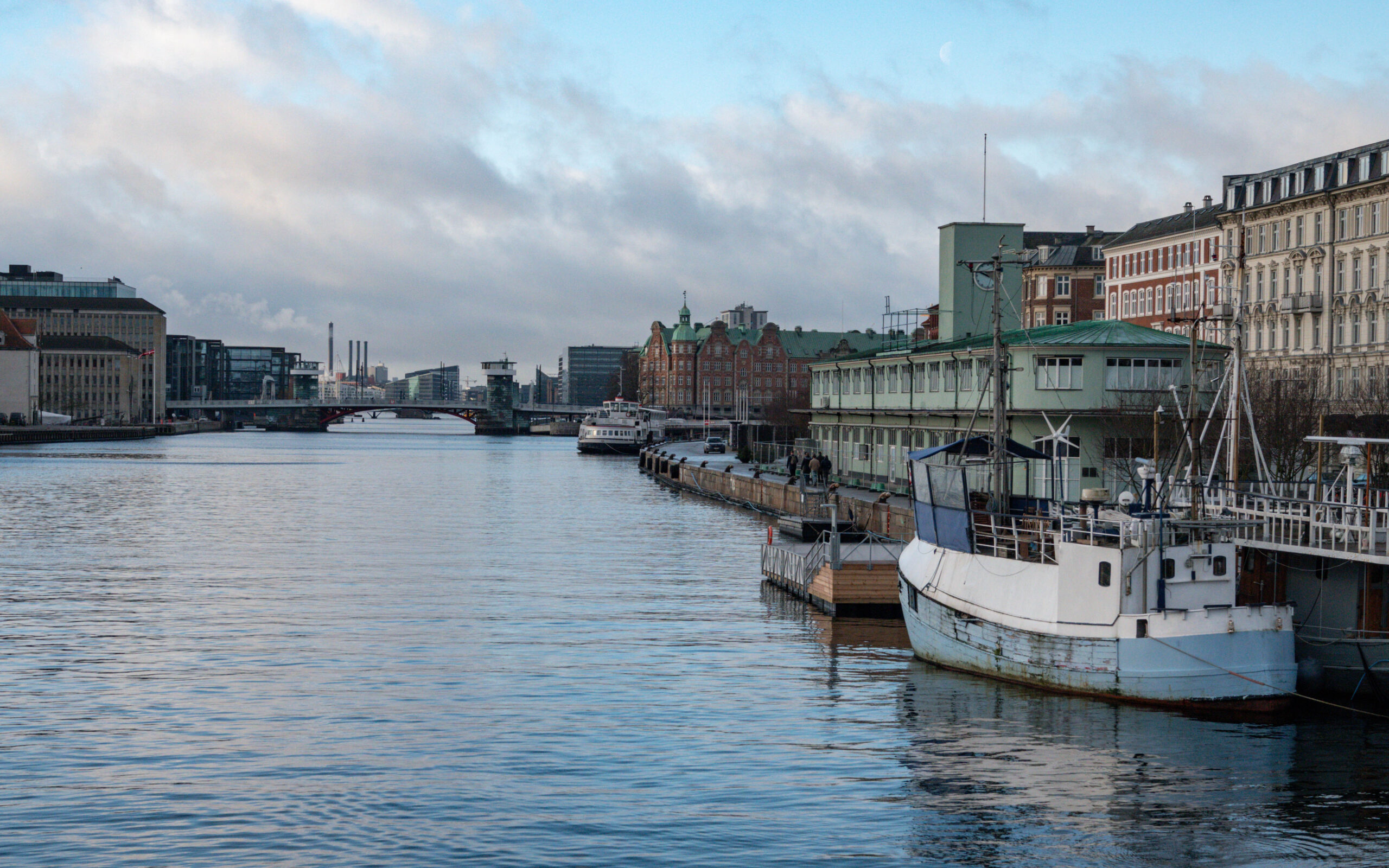
The main harbour channel runs all the way through Copenhagen from south to north. This is the view looking south, where you’ll see quite a few newer buildings.
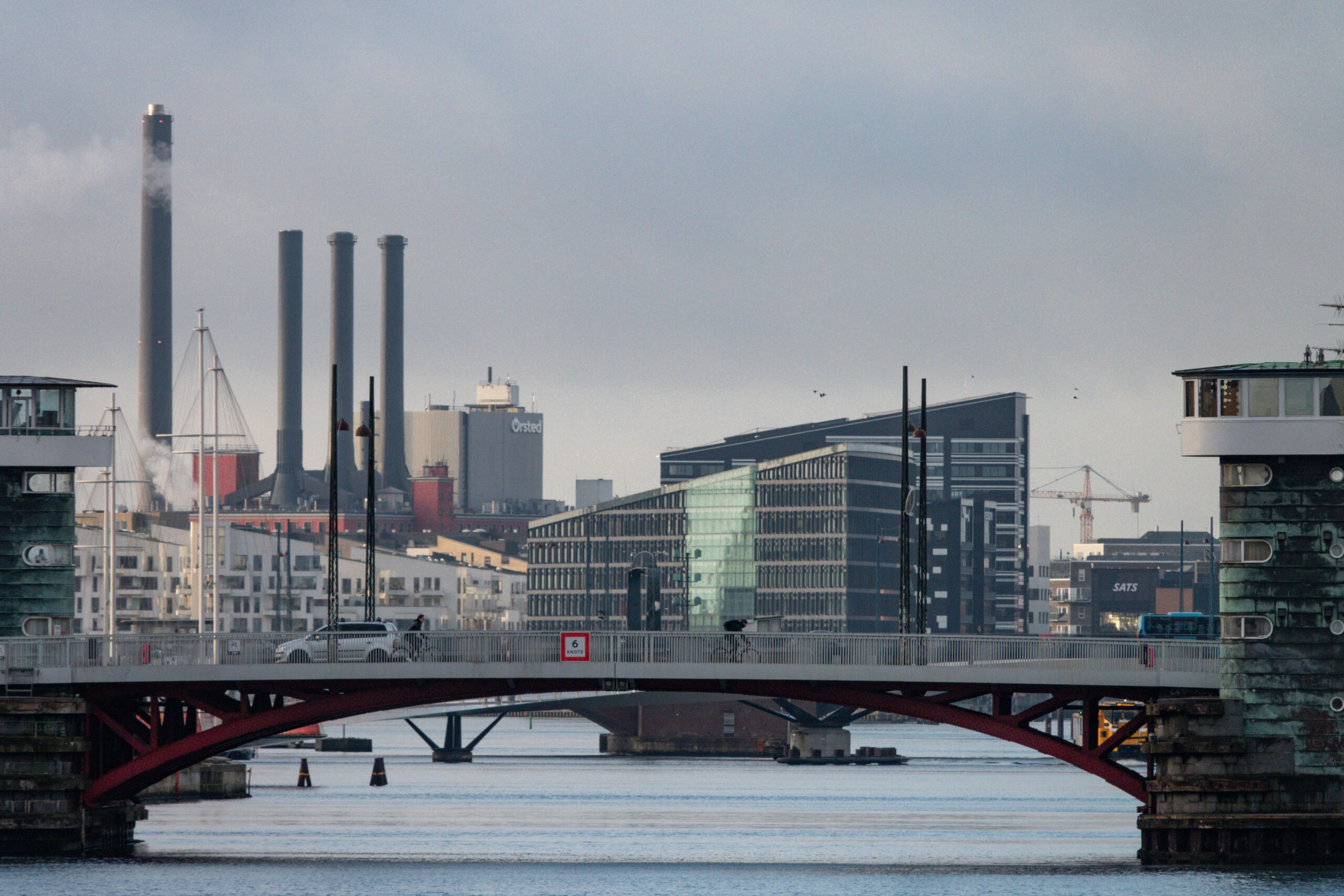
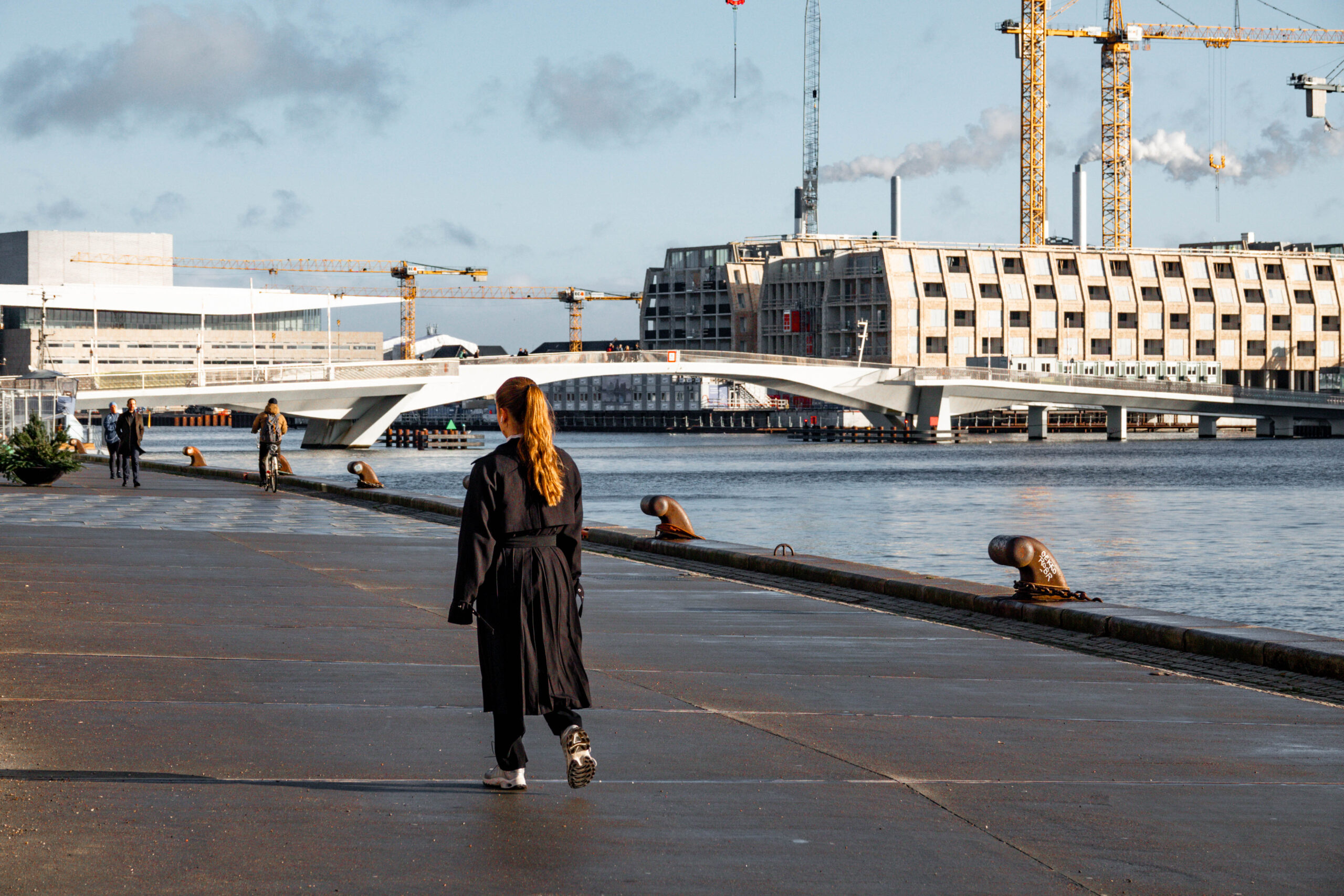
Bryggebroen (the Beer Bridge) is a popular filming spot for commercials — for instance, running gear ads.
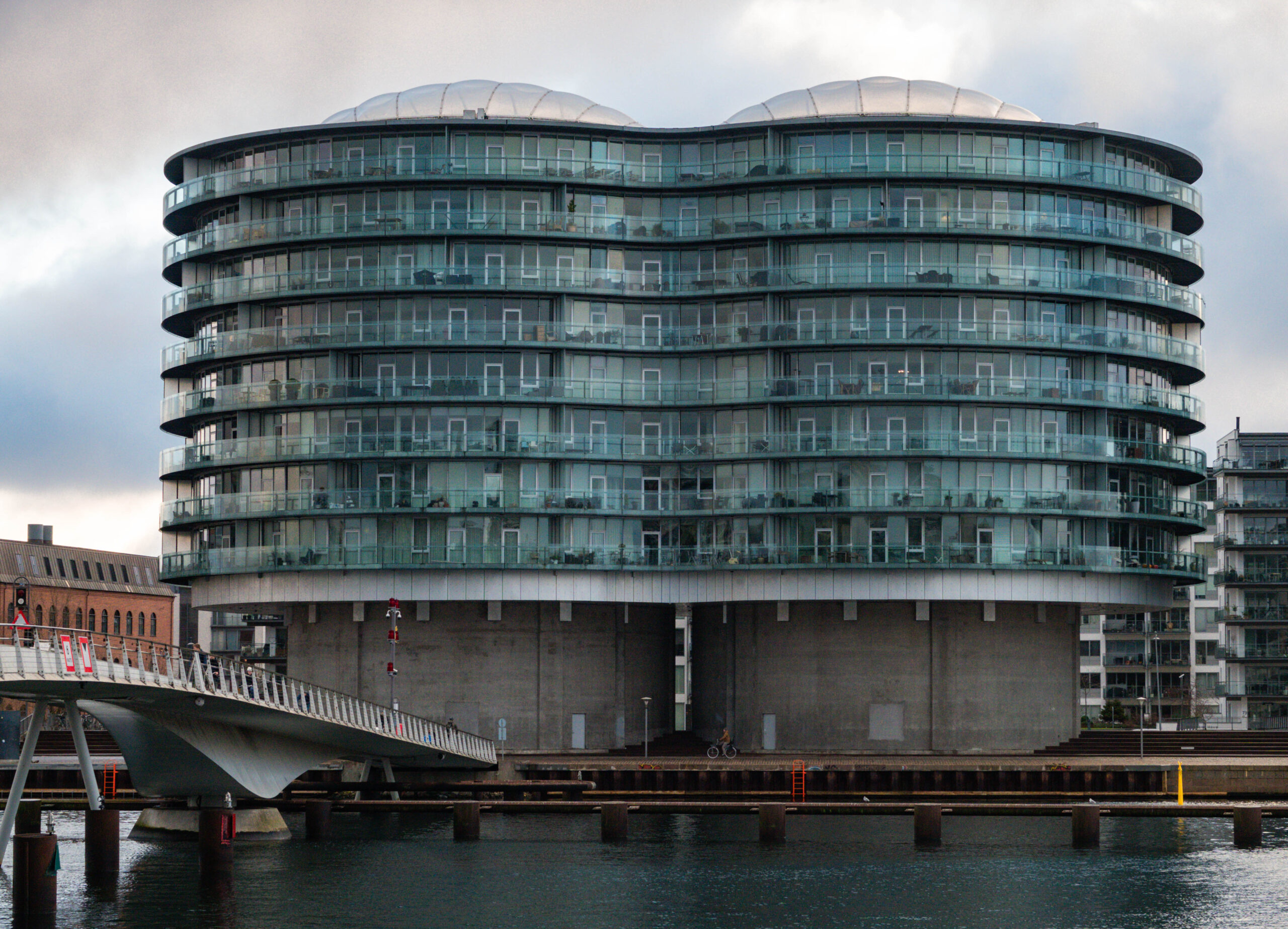
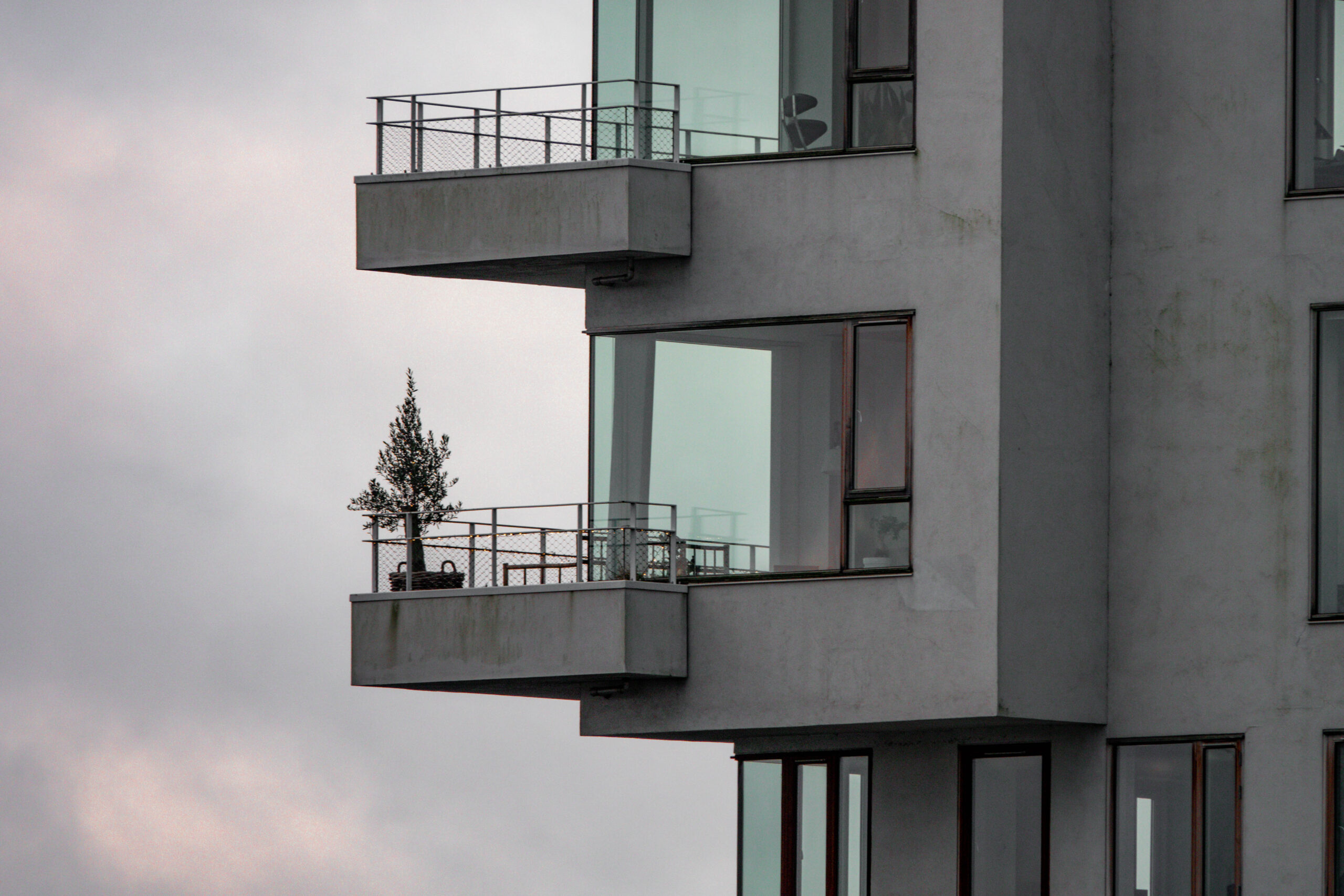
Gemini Residence — a housing complex built from two old seed silos. Its name is inspired by the astrological sign Gemini.
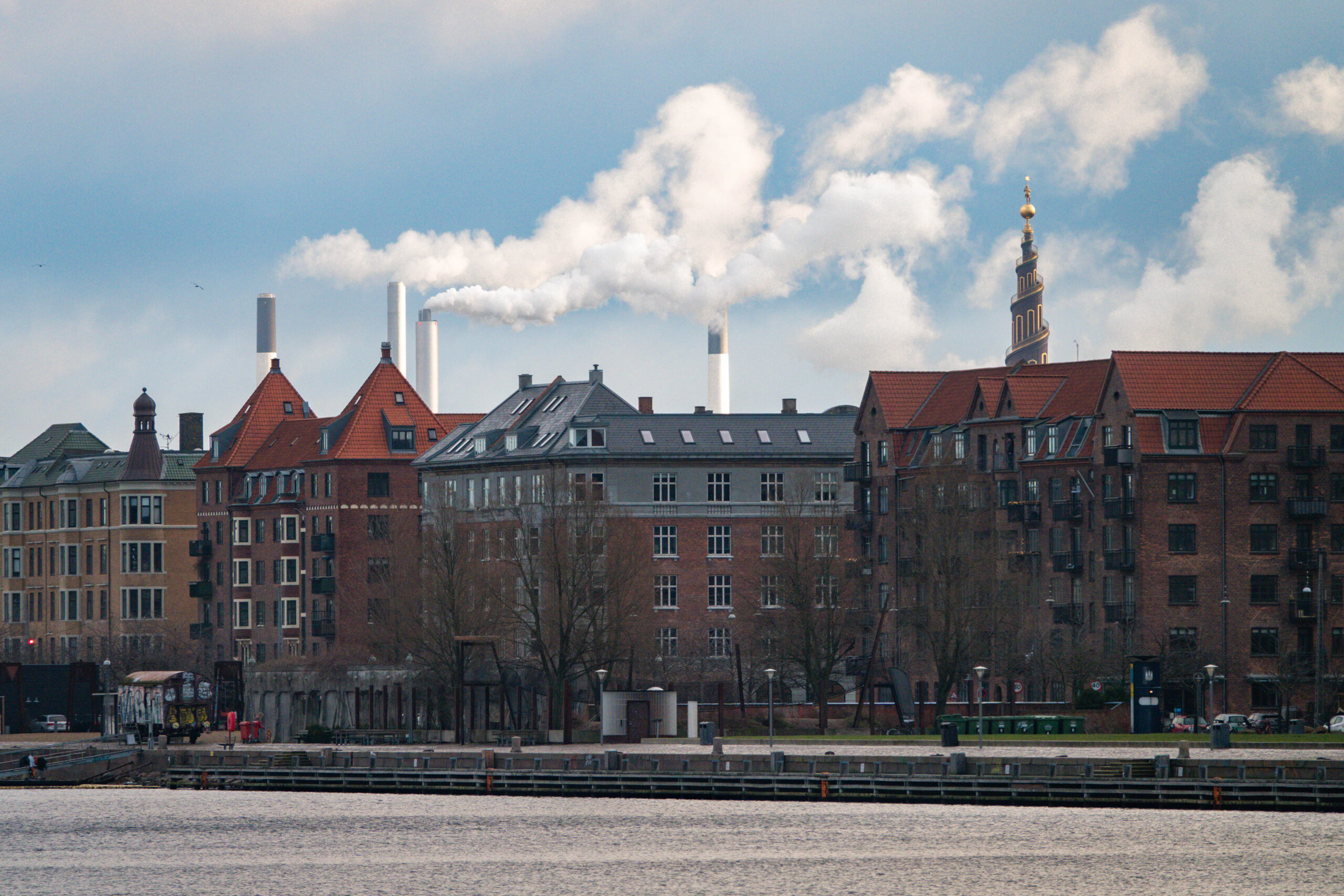
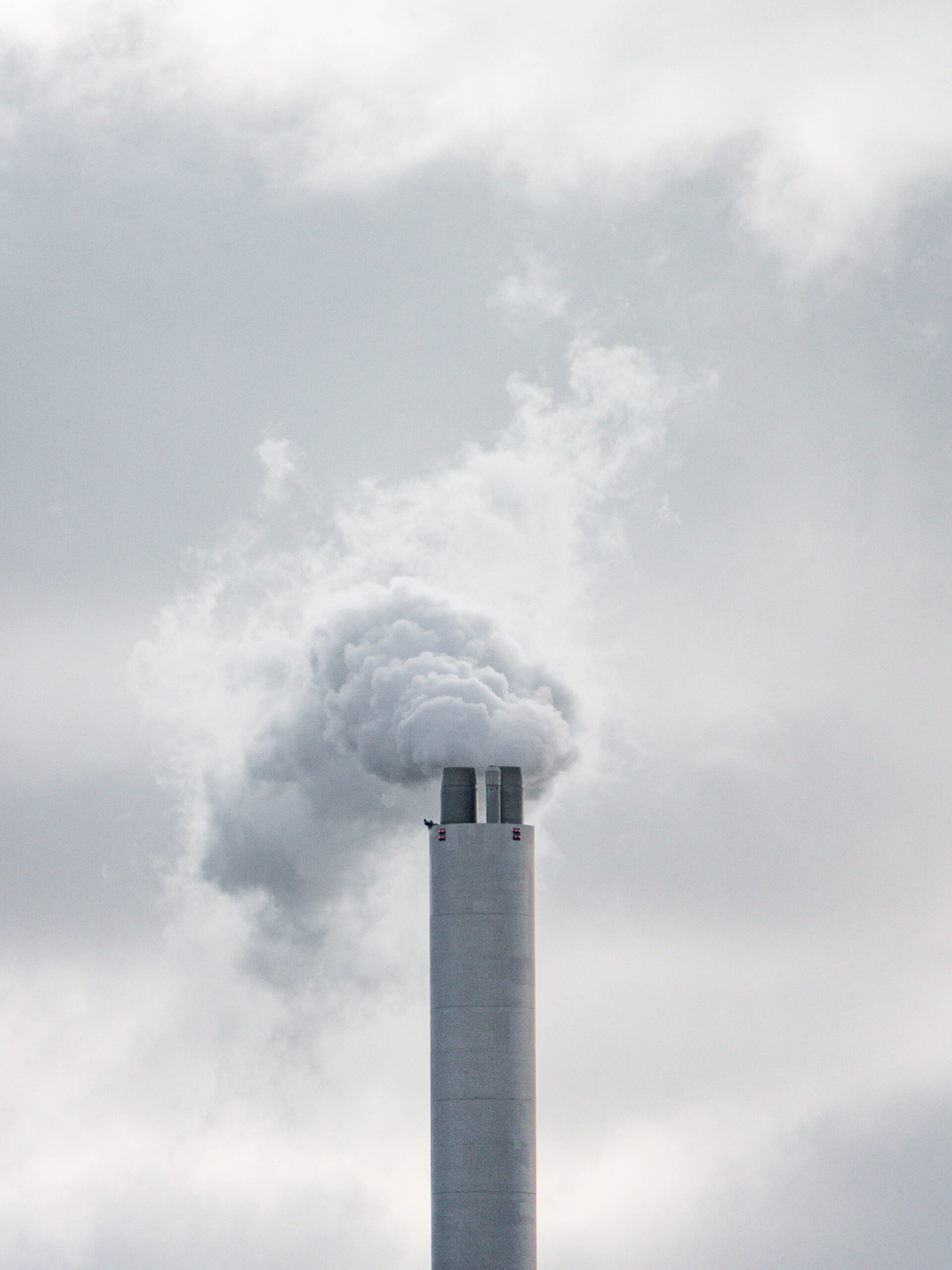
With a little imagination, you might just spot a message or two in the drifting clouds of steam.
A glance towards the older part of the city.
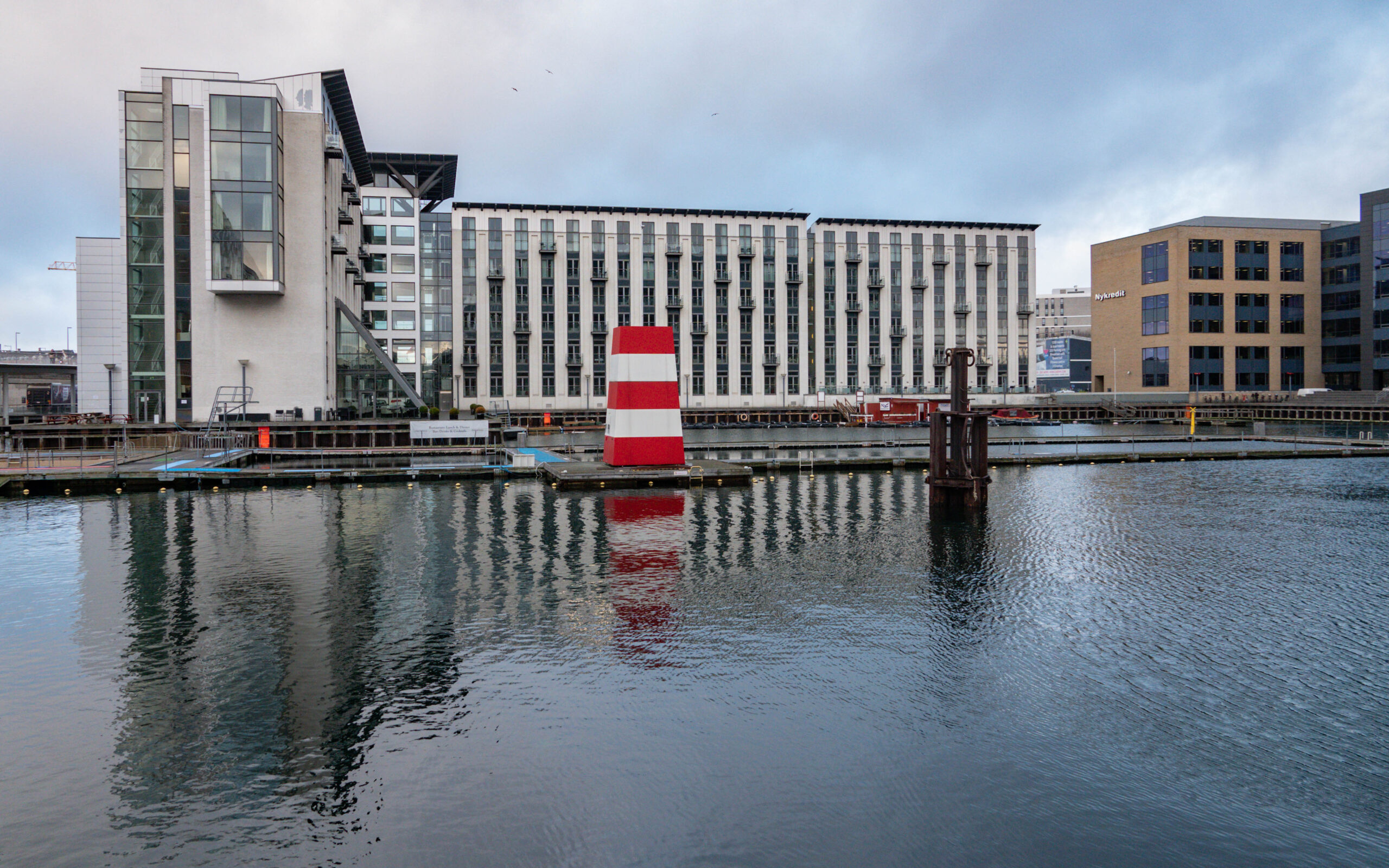
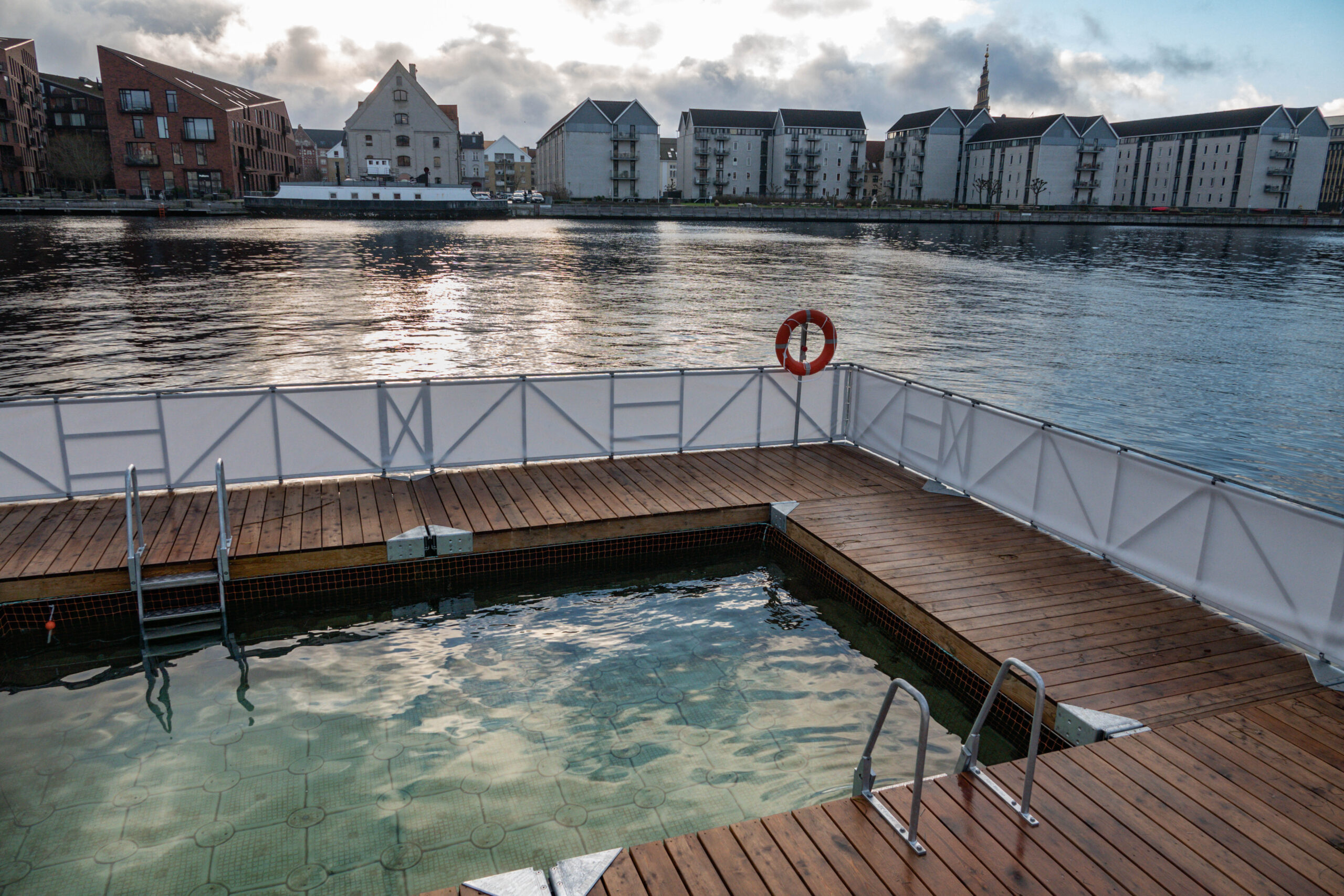
Fisketorvet harbour bath — one of at least nine across the city. There are ladders leading into the water everywhere, but officially you're only allowed to swim in designated areas. Locals, of course, like to interpret these rules a bit loosely…
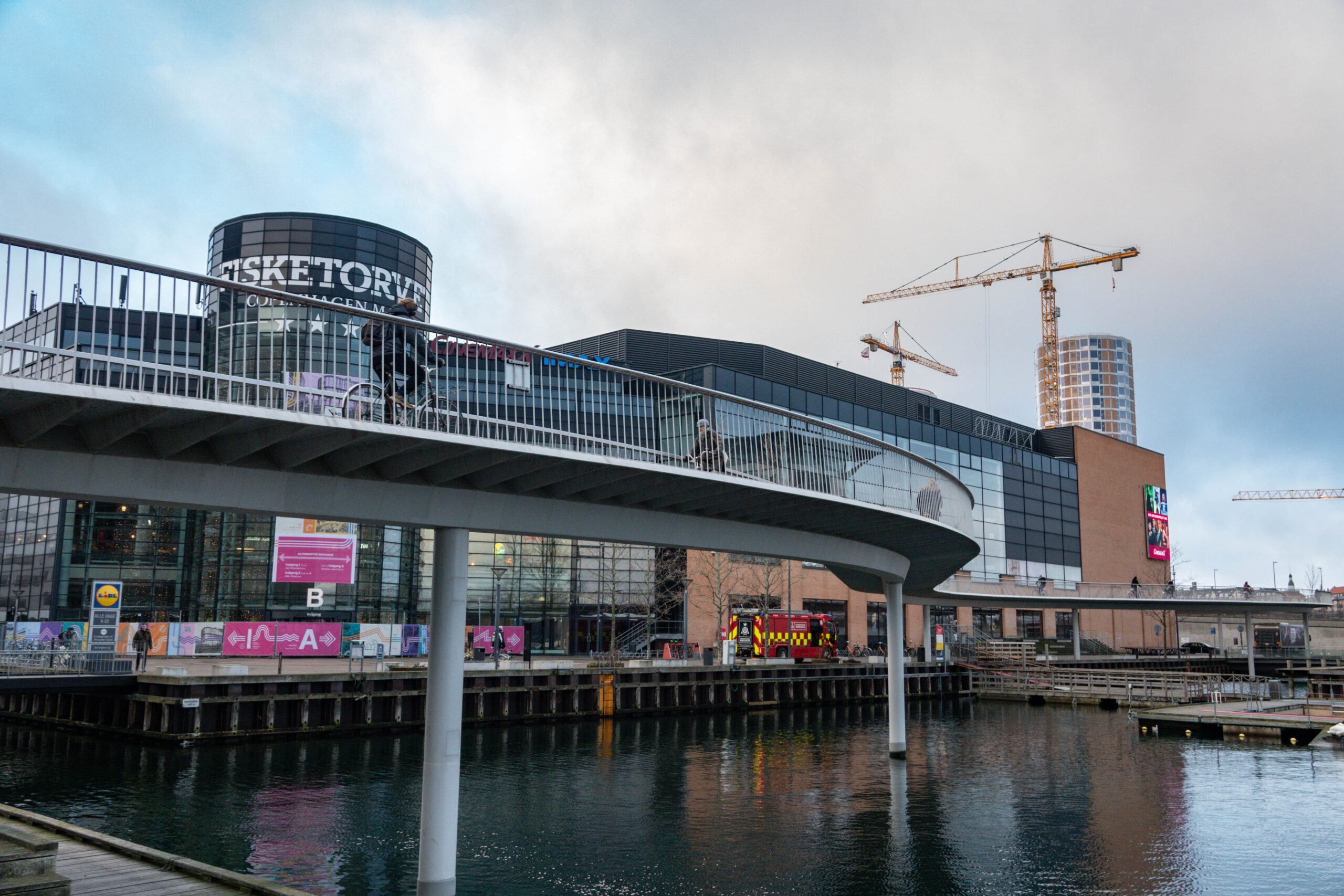
Right next to it is the shopping centre of the same name — the biggest in Denmark. Plus, there’s a stunning bike lane — a bit further along, Harry Potter characters wave at you from the centre’s walls.
A few Christmas trees still linger. Many people here buy real ones without pots, and by the end of the season, the pavements are piled with discarded trees. Apparently, alpacas (who roam a nearby park) love them — maybe that could be a partial solution?
This photo, to me, sums up the magic of the city centre — old and new bridges, modern buildings, historic houses, sailboats, and a wind turbine in the background. Workers passing by, a few tourists on the horizon — something’s always going on.
Another little pool — though I suspect this one isn’t public.
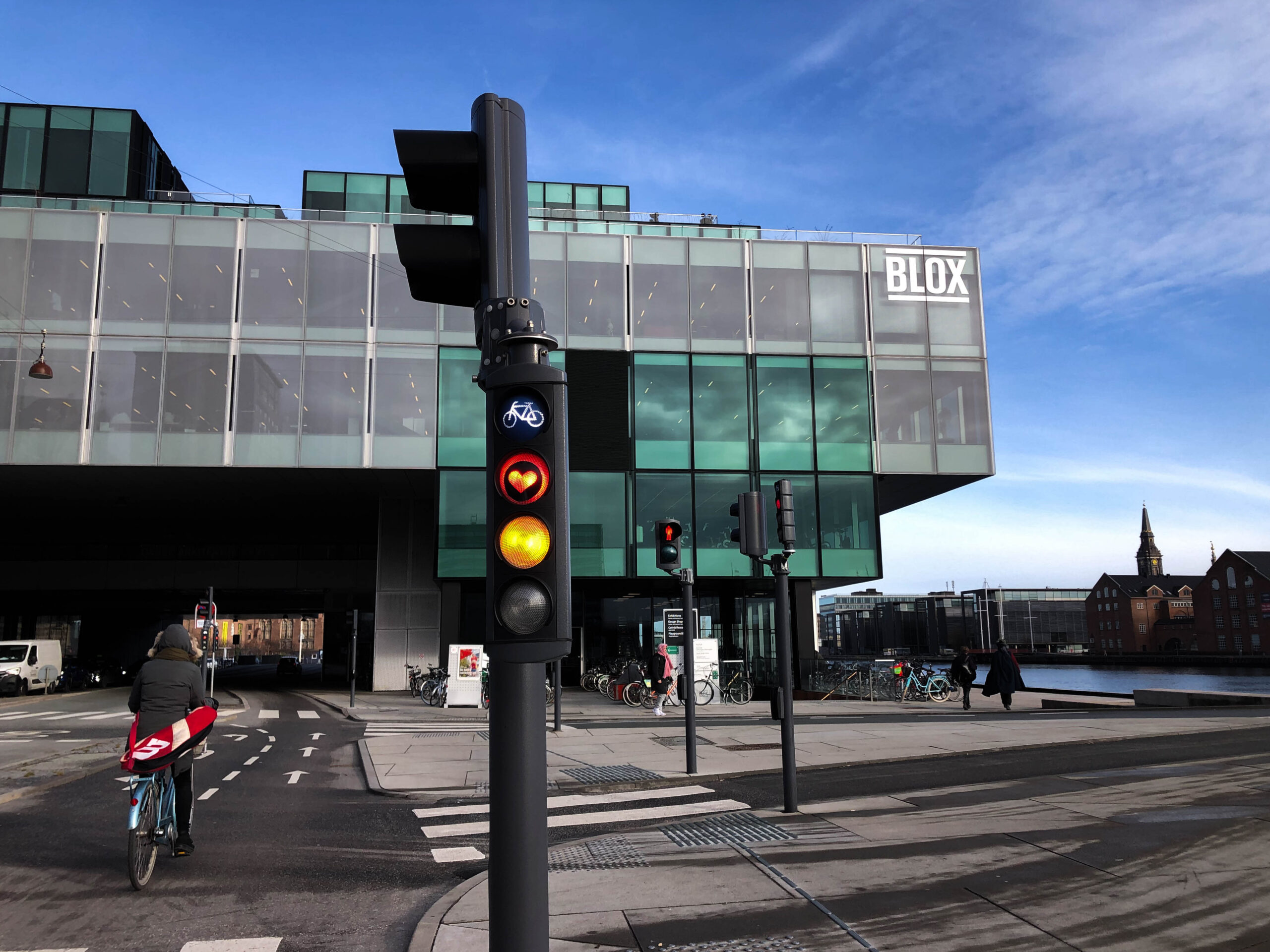
A heart-shaped traffic light, with the Danish Architecture Centre in the background.
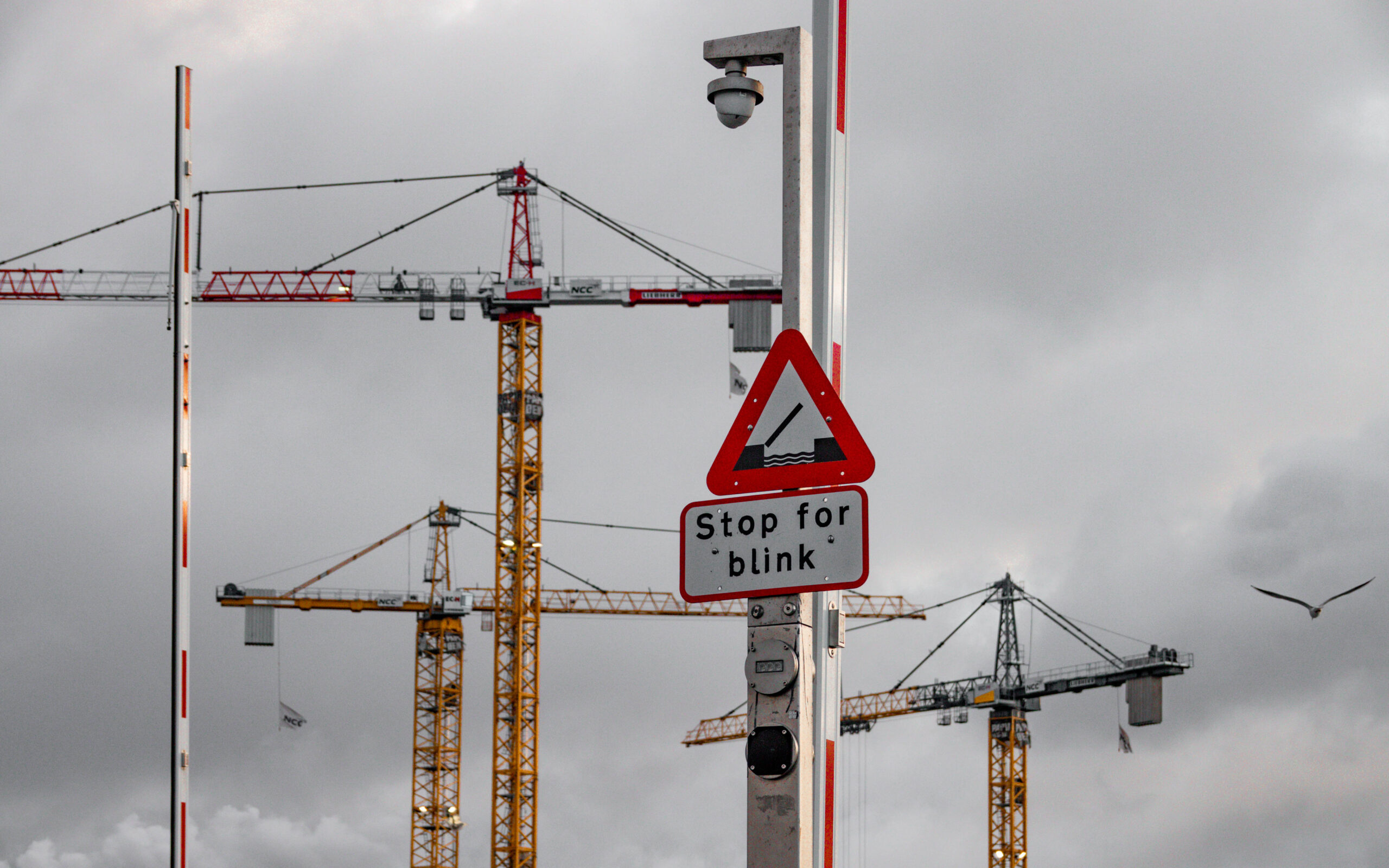
Most of the city’s larger bridges are designed to accommodate tall ships — some split and lift, others swing open.
The view towards the newer, southern part of the city.
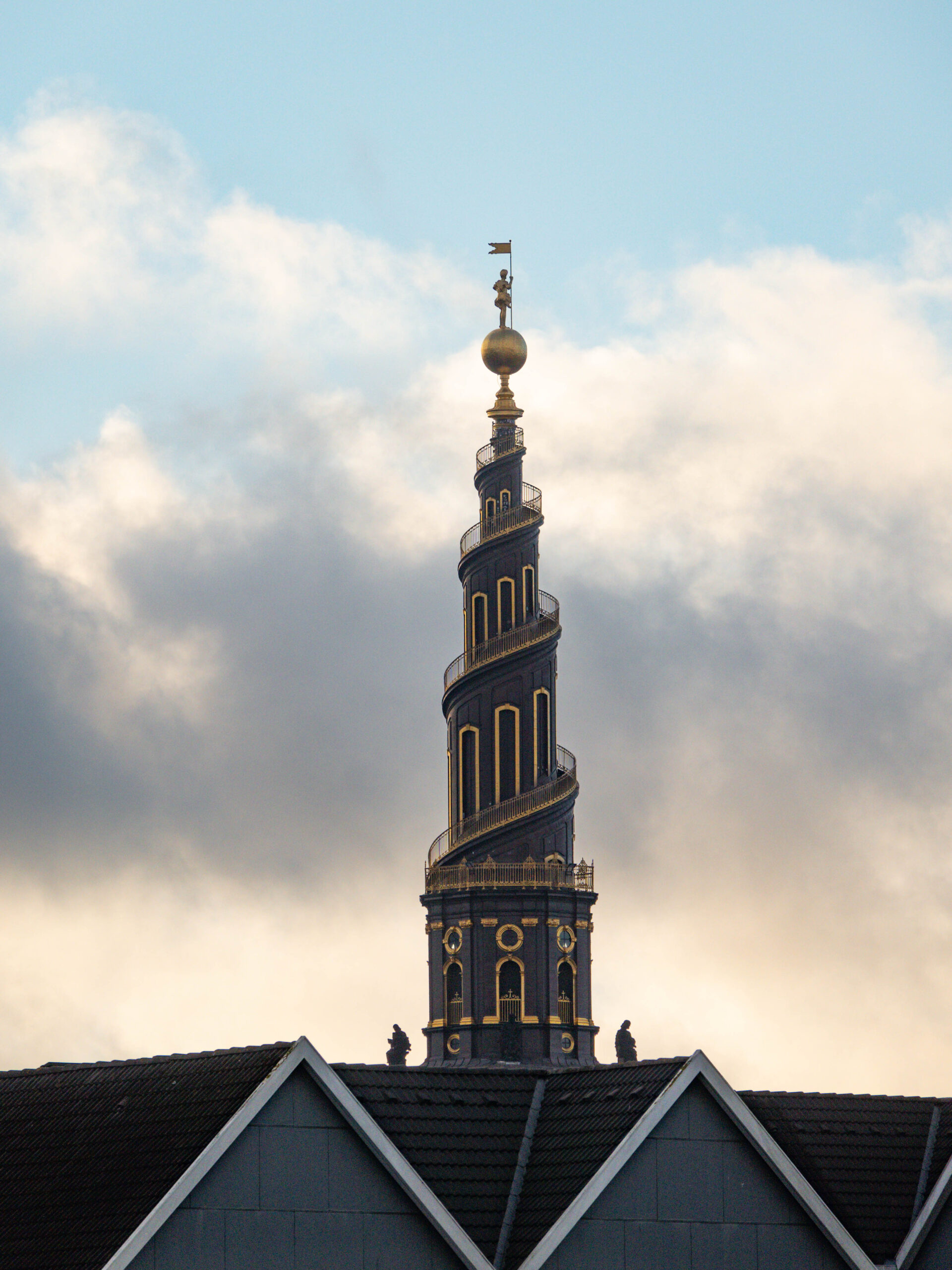
From a distance, you can see the 90-metre-high spire of the Church of Our Saviour with its gilded spiral staircase, which winds counterclockwise. The view from the top — yes, you can climb it — has been voted the best in Copenhagen.

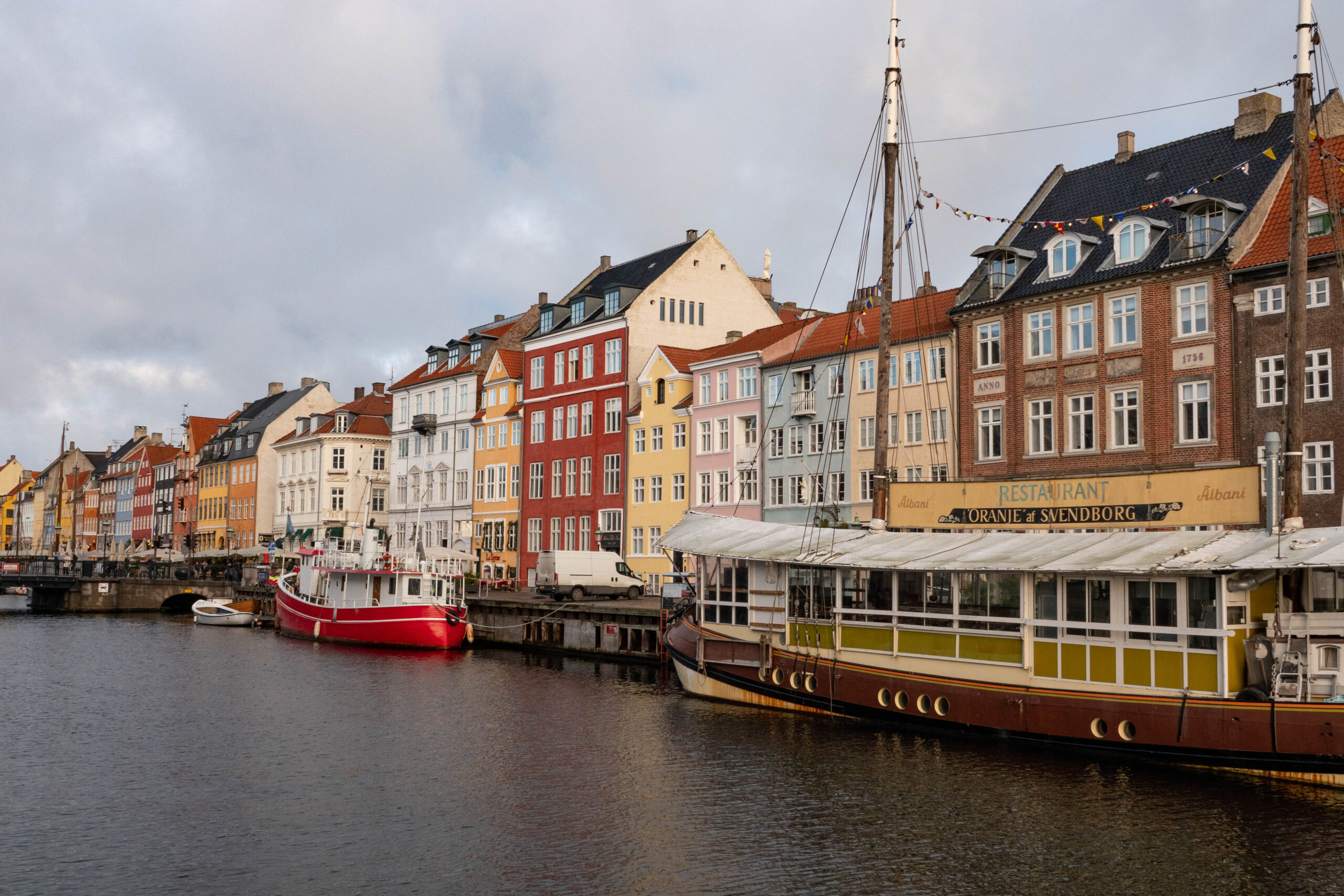
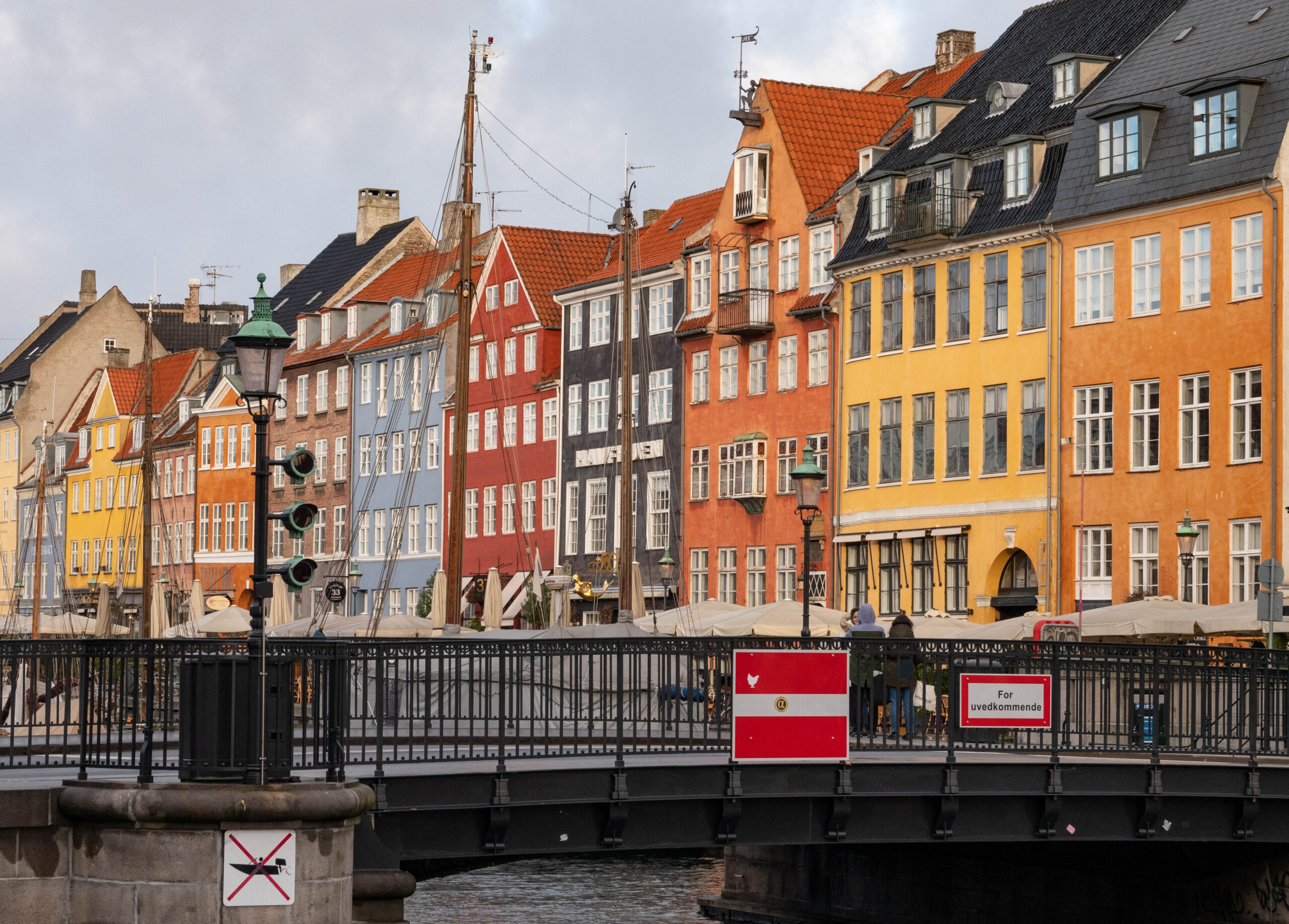
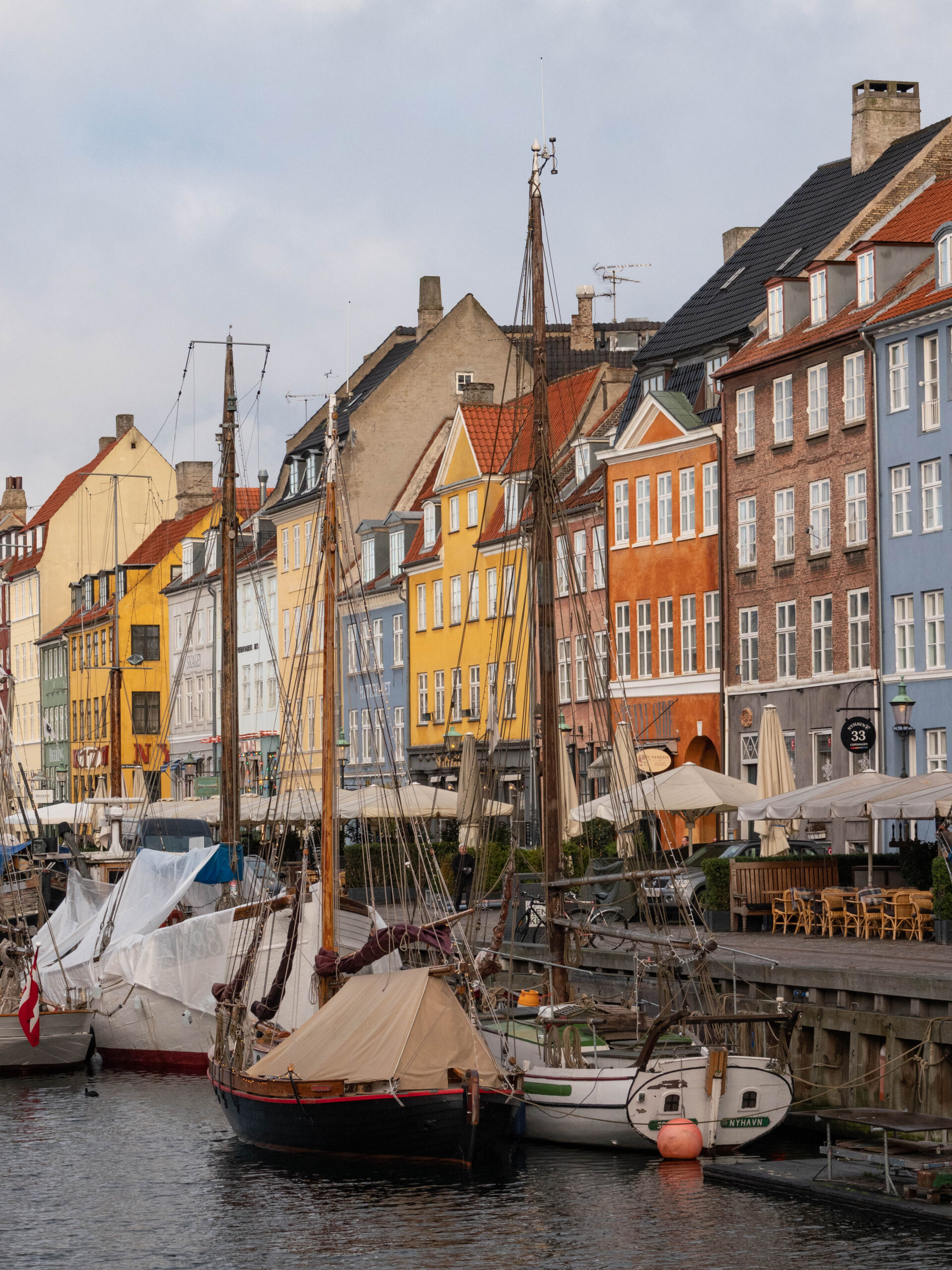
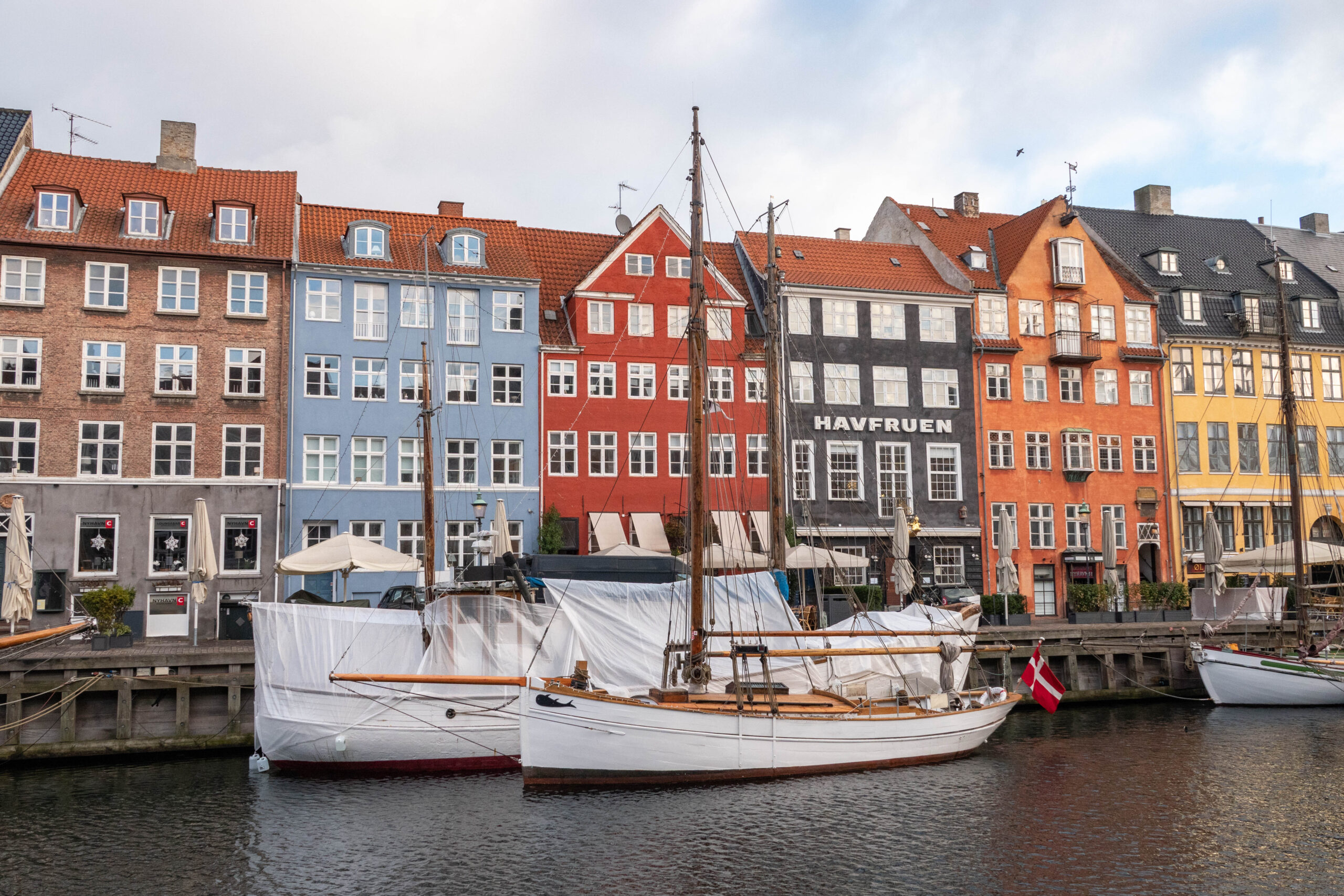
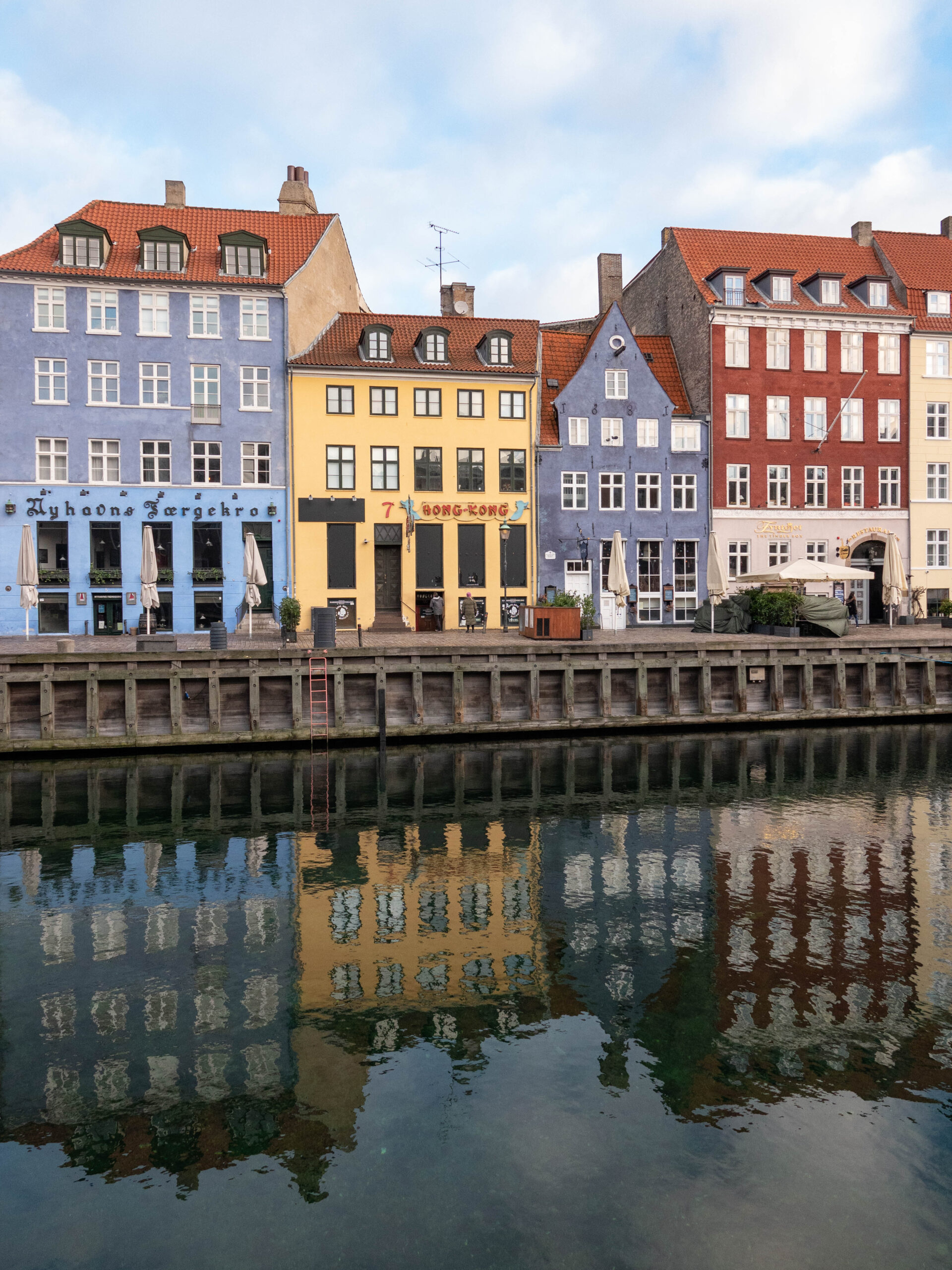
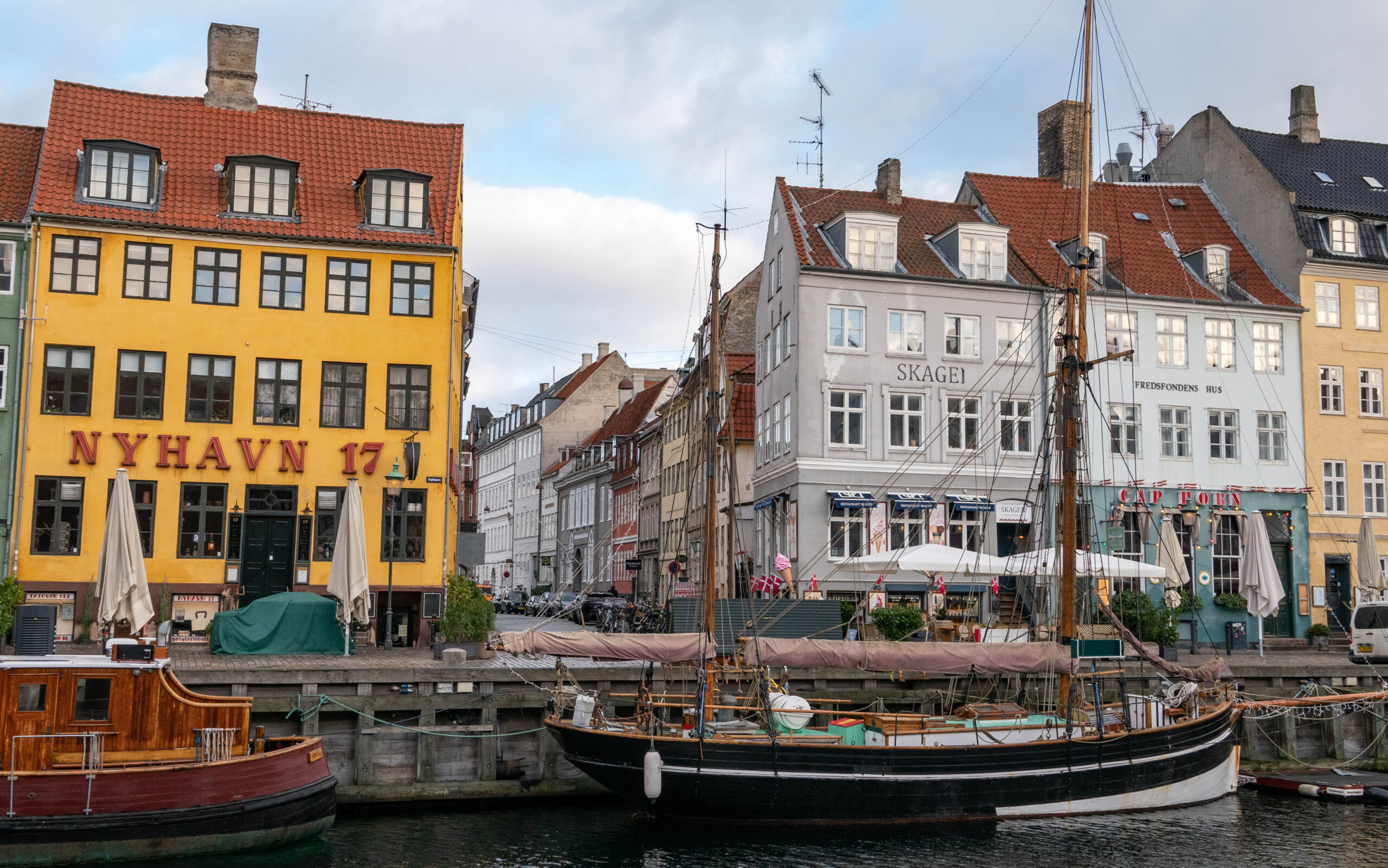
Nyhavn (= New Harbour) — the city’s iconic sight, surprisingly calm at this time of year, with barely any tourists around.

You can catch a boat tour from here. We actually passed by on our very first school day — such a sweet experience, especially when you have to duck under some of the lower bridges!
Dead-end canal

This harbour was once known as Den Nye Havn. It began as a lively commercial port, where ships from all over the world would dock. It was a place of sailors, taverns, and endless entertainment.

Tourists on the horizon!
Hans Christian Andersen lived in this little house (Nyhavn 20) for five years. During that time, he wrote “The Tinderbox” and “The Princess and the Pea”.
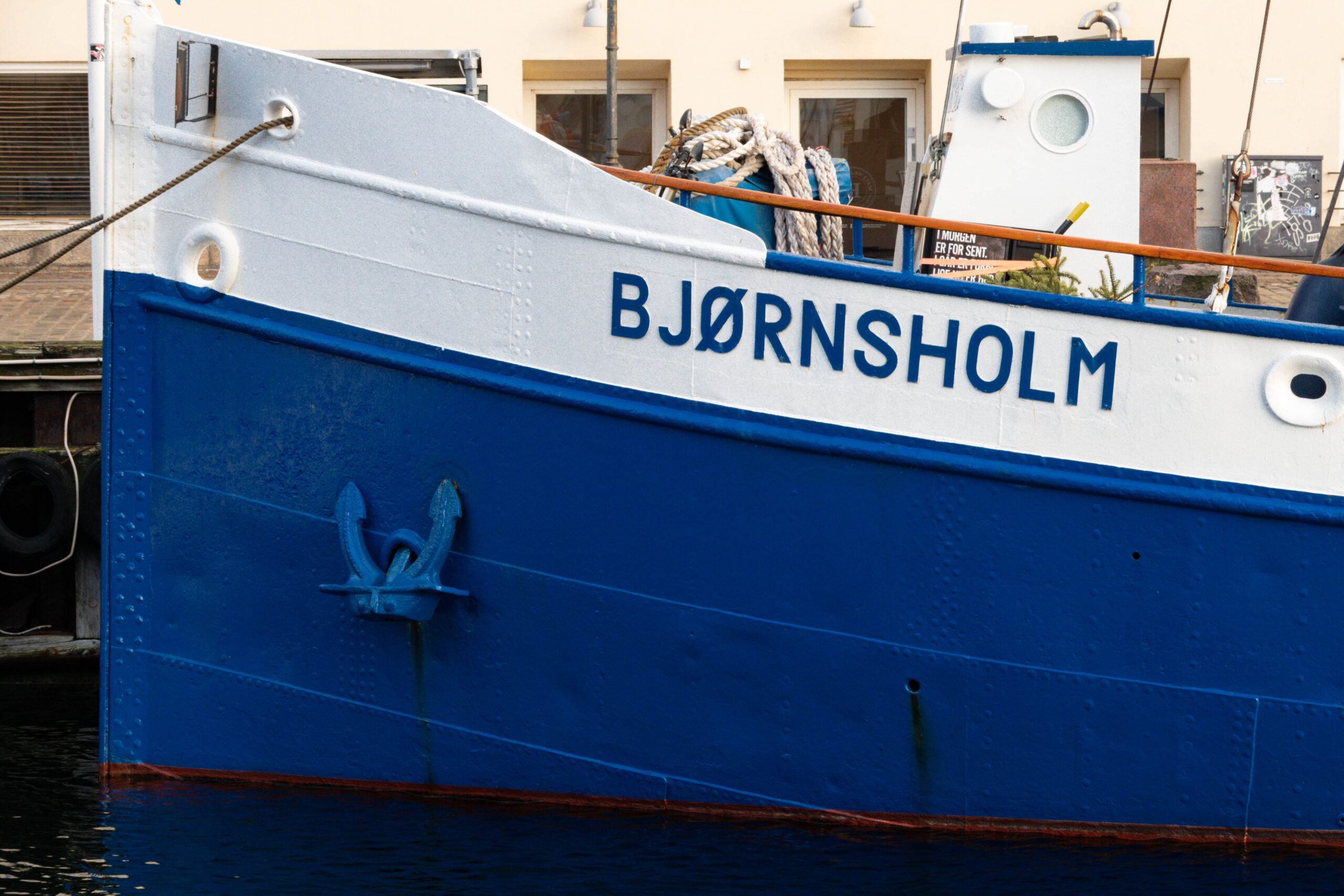
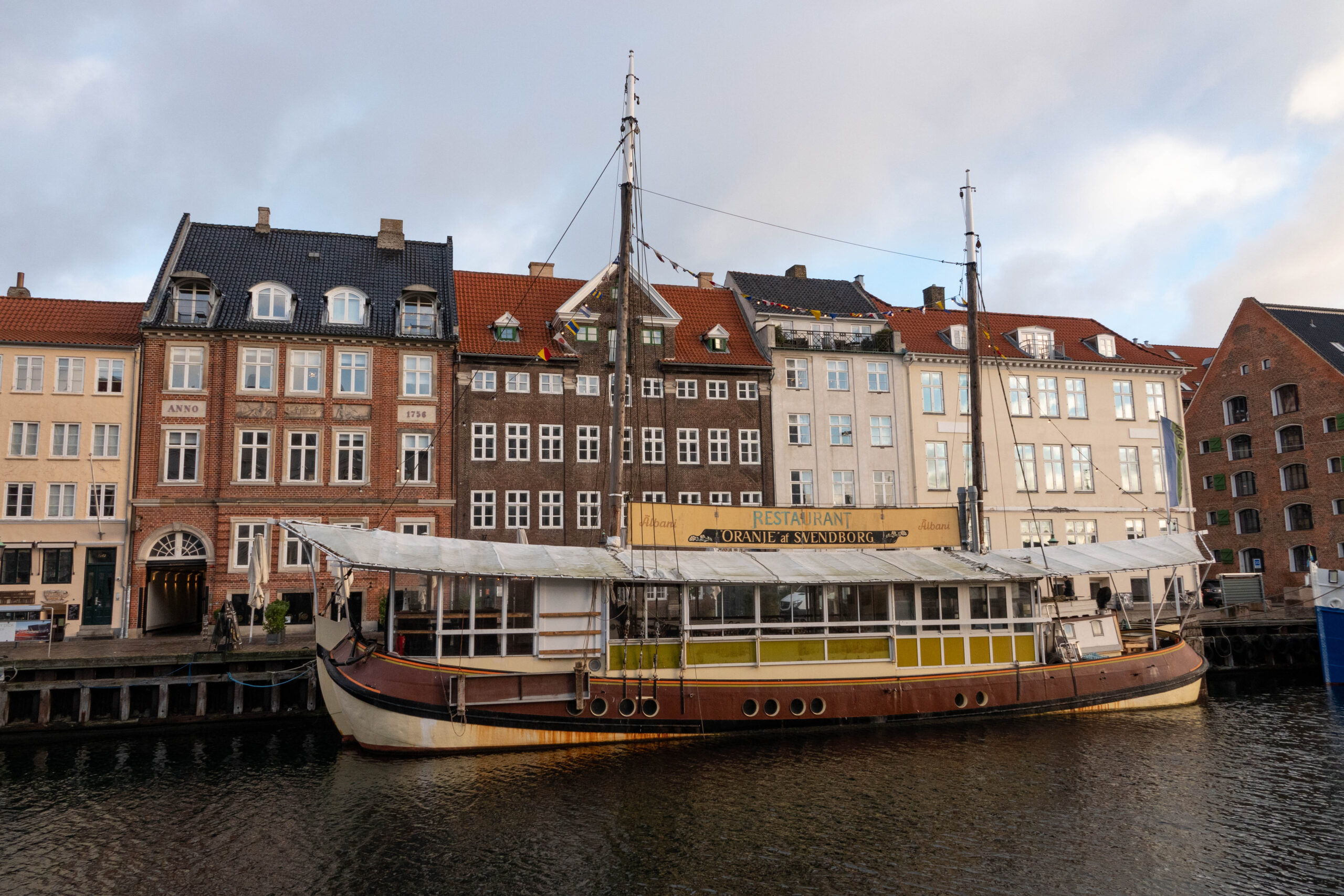
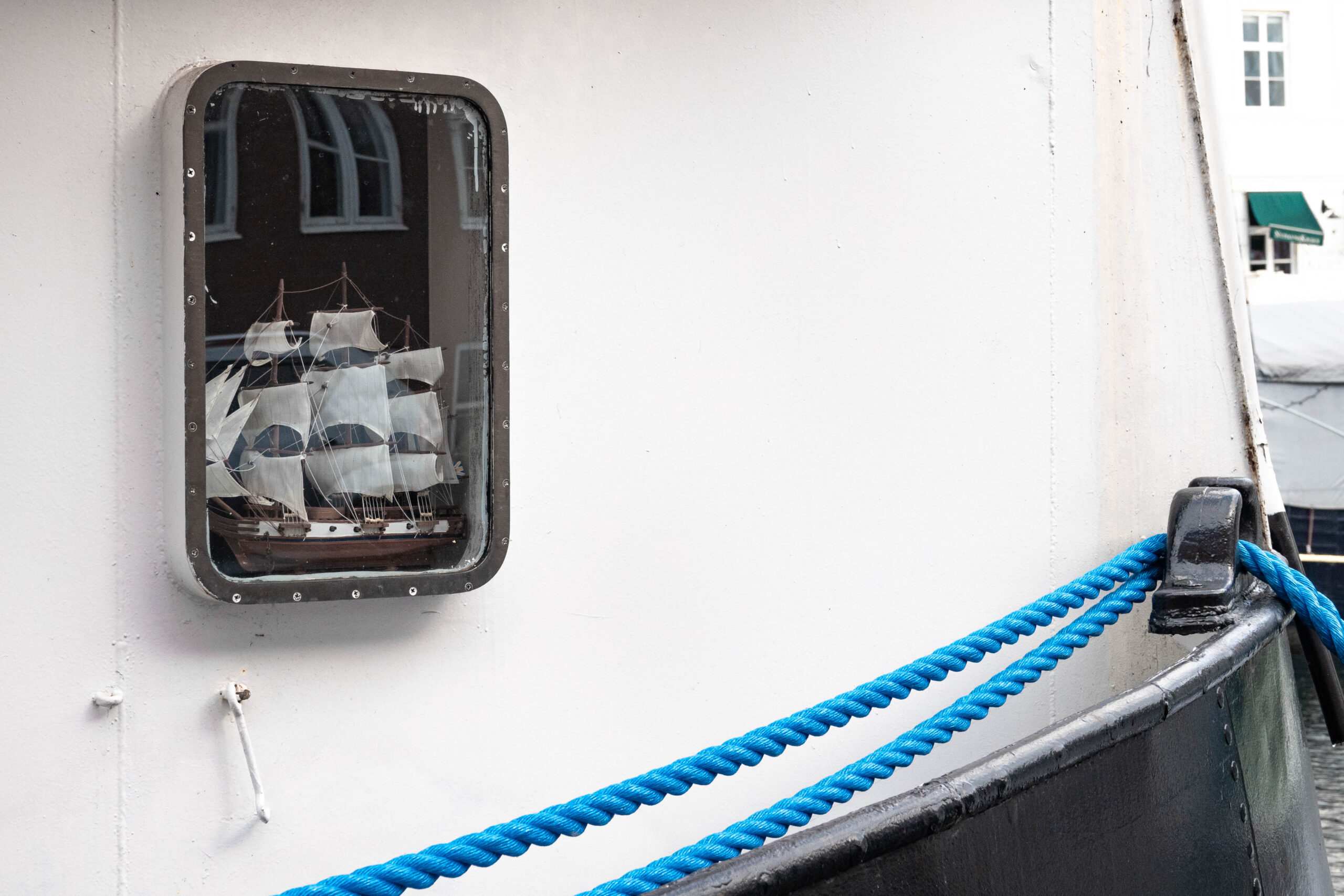
A boat inside a boat.

The houses here have been restored and are now home to numerous restaurants and bars.

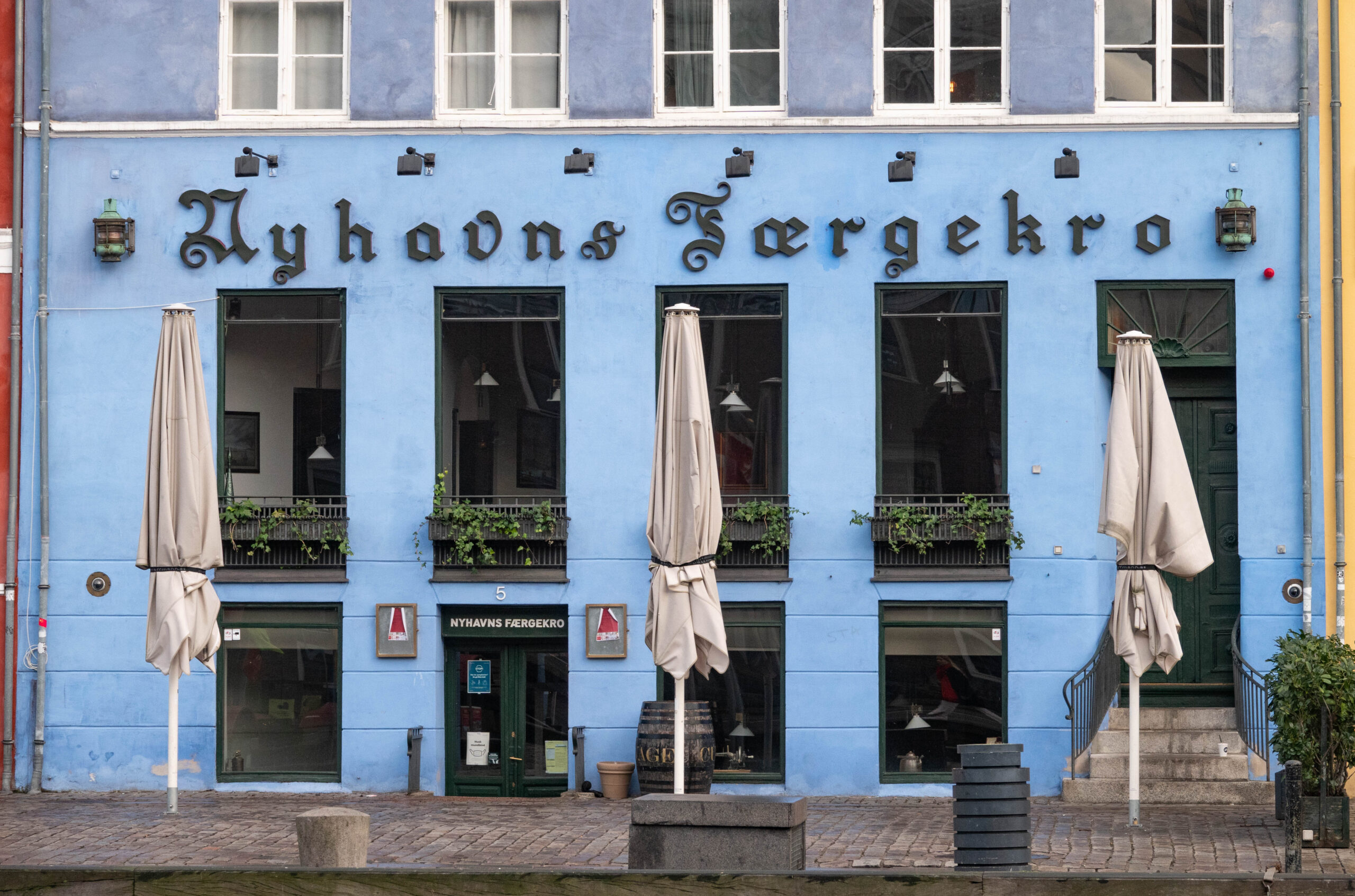
The blue house on the right is the oldest in the harbour (built in 1681) — it hasn’t been altered since.
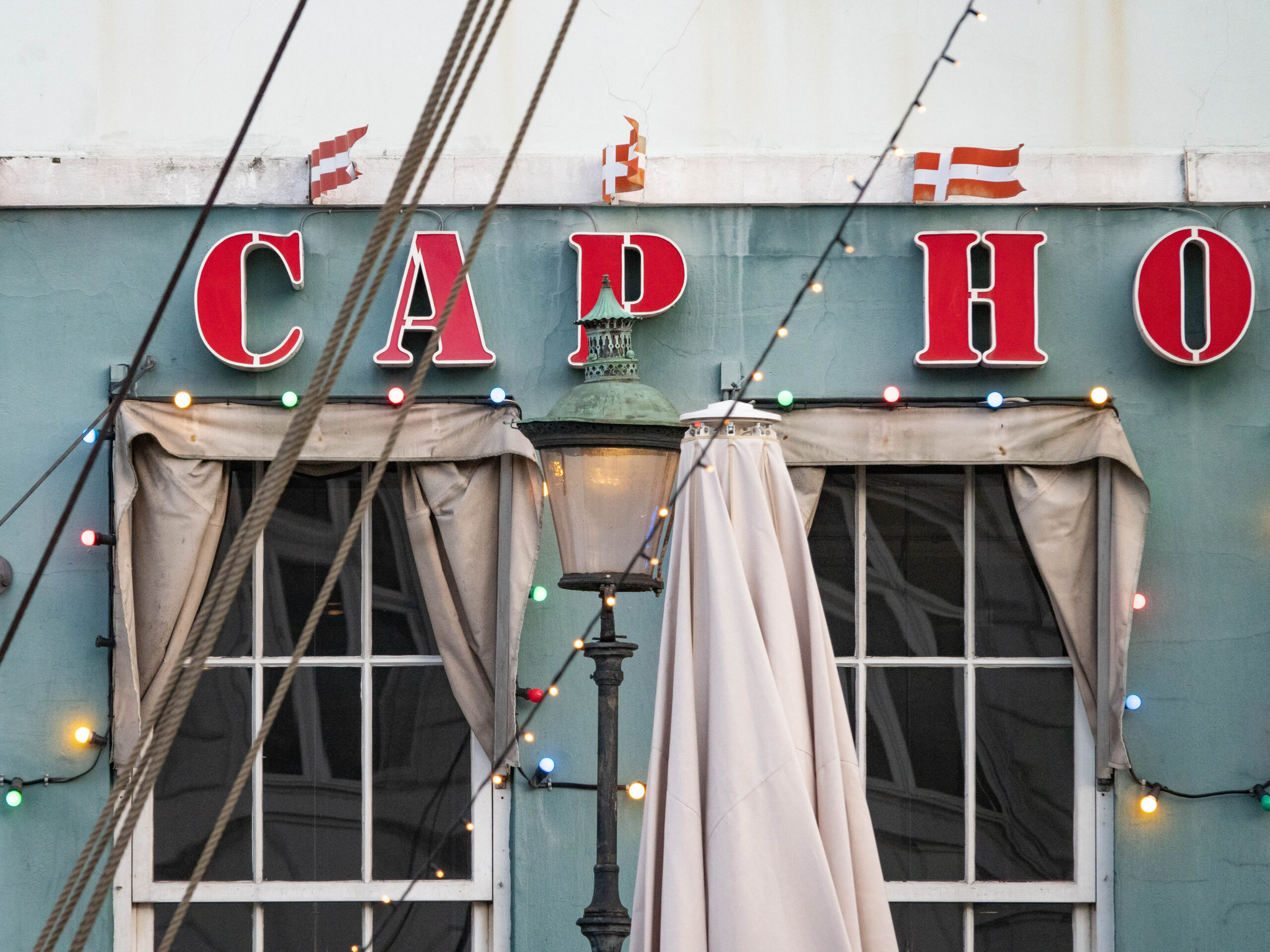
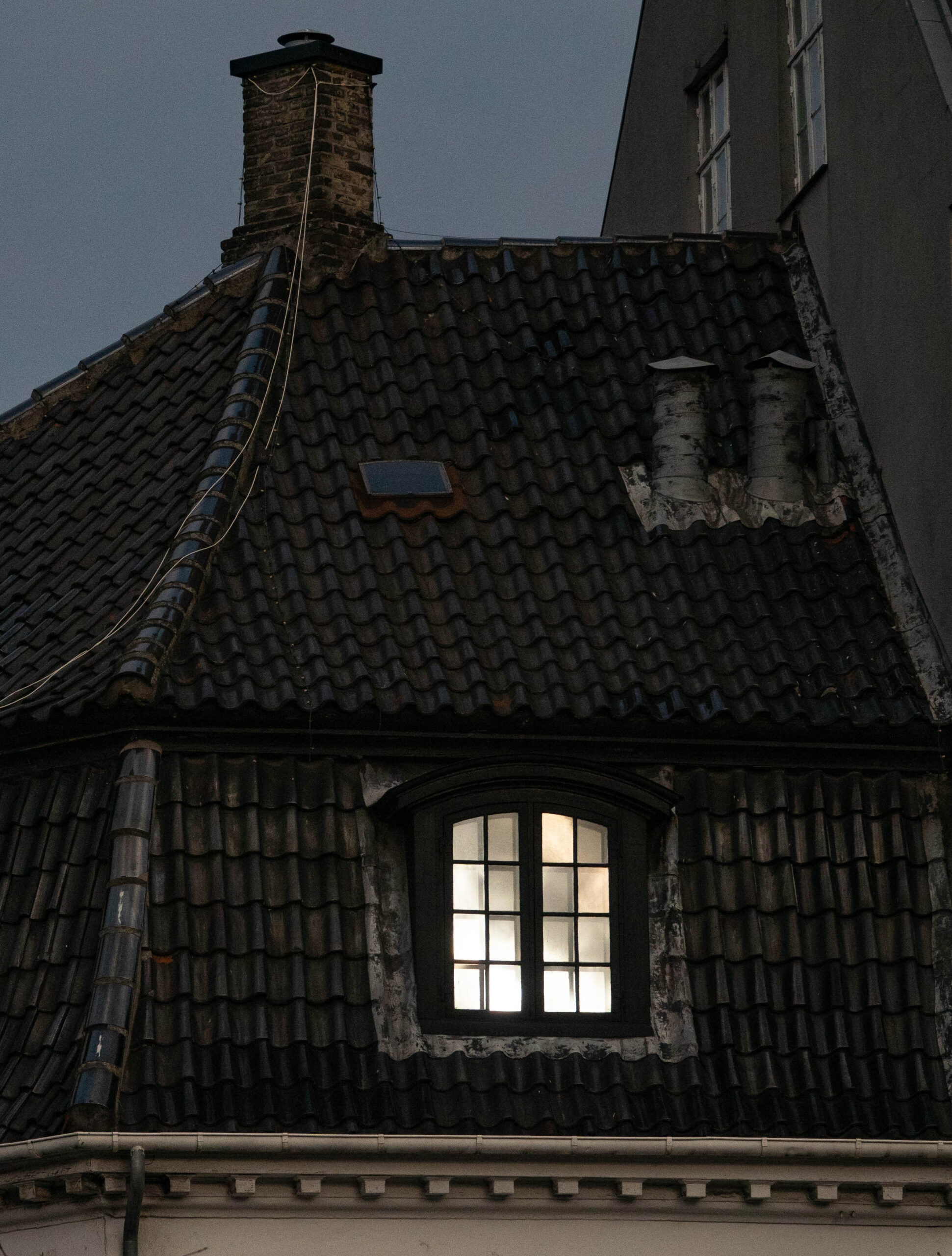
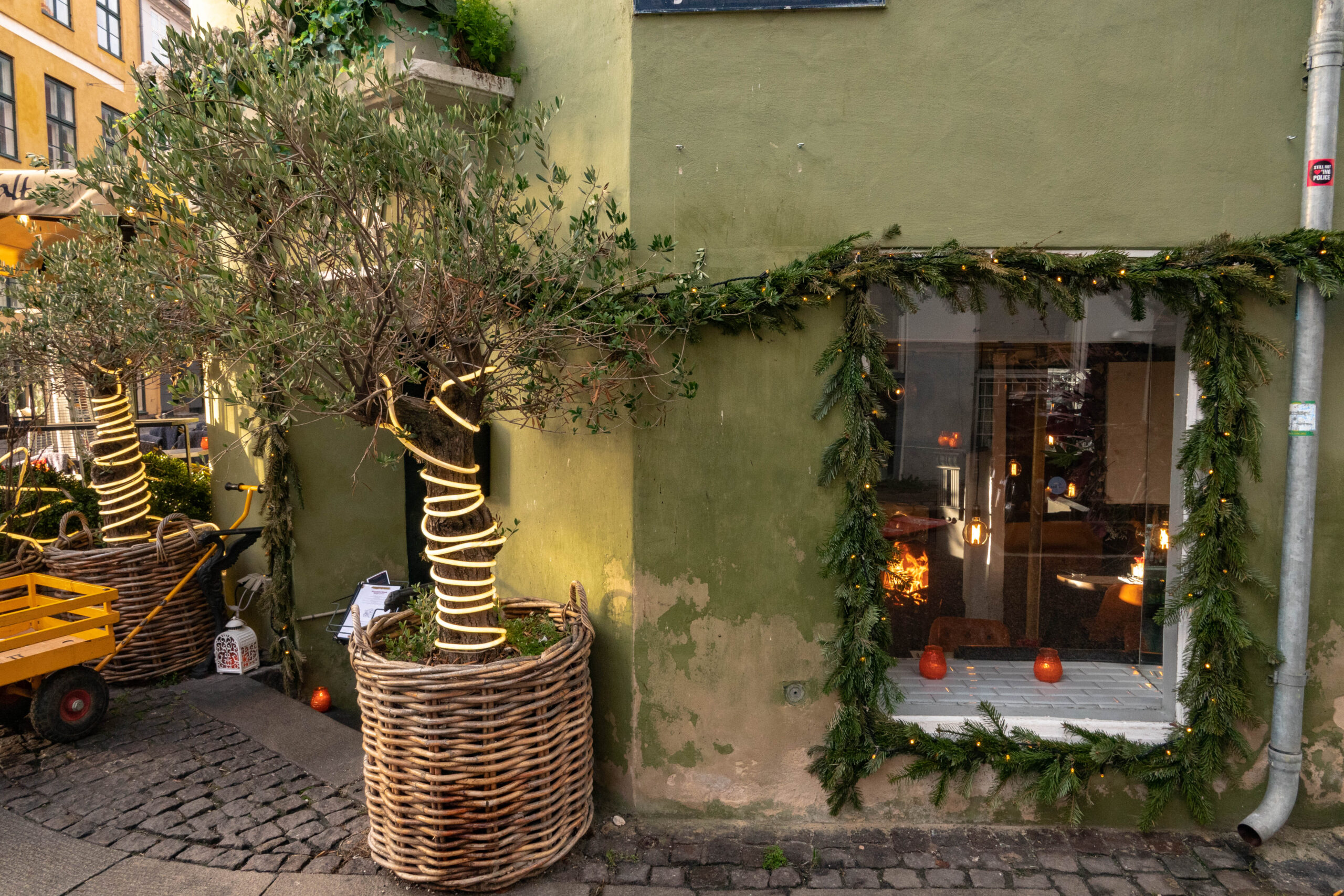
A witchy atmosphere…
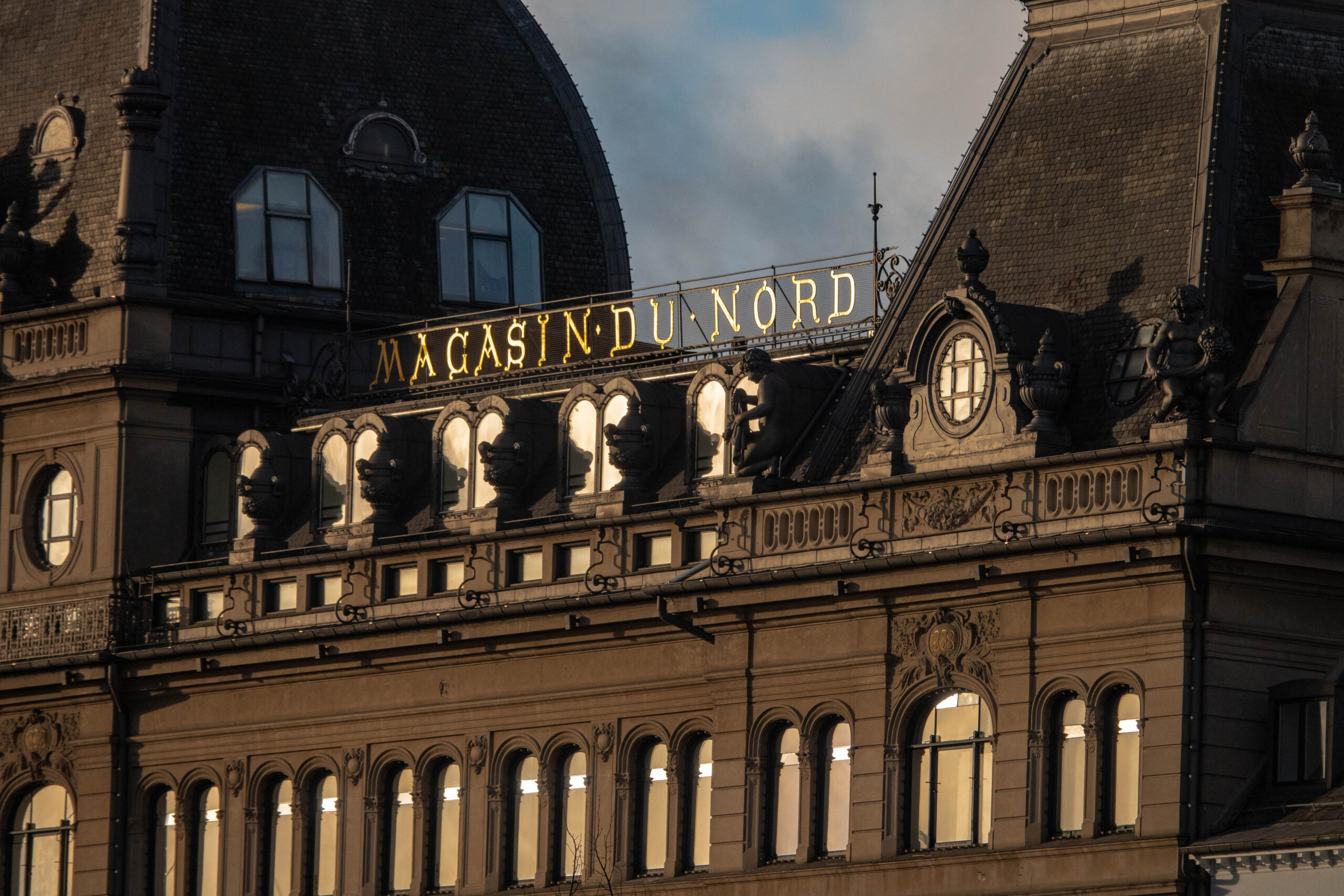
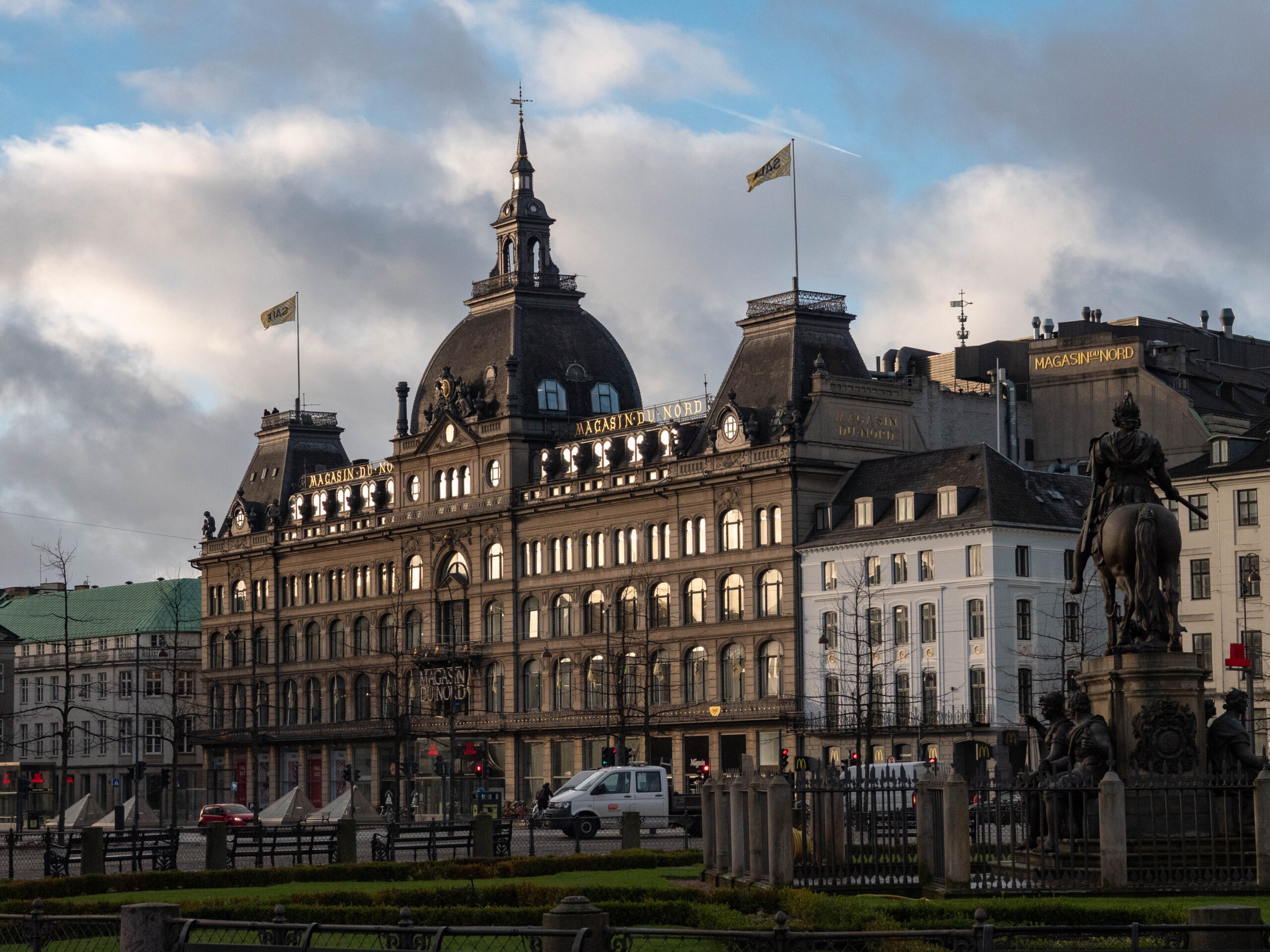
In front: Kongens Nytorv (The King’s New Square). In the background: Magasin du Nord — a prestigious department store.
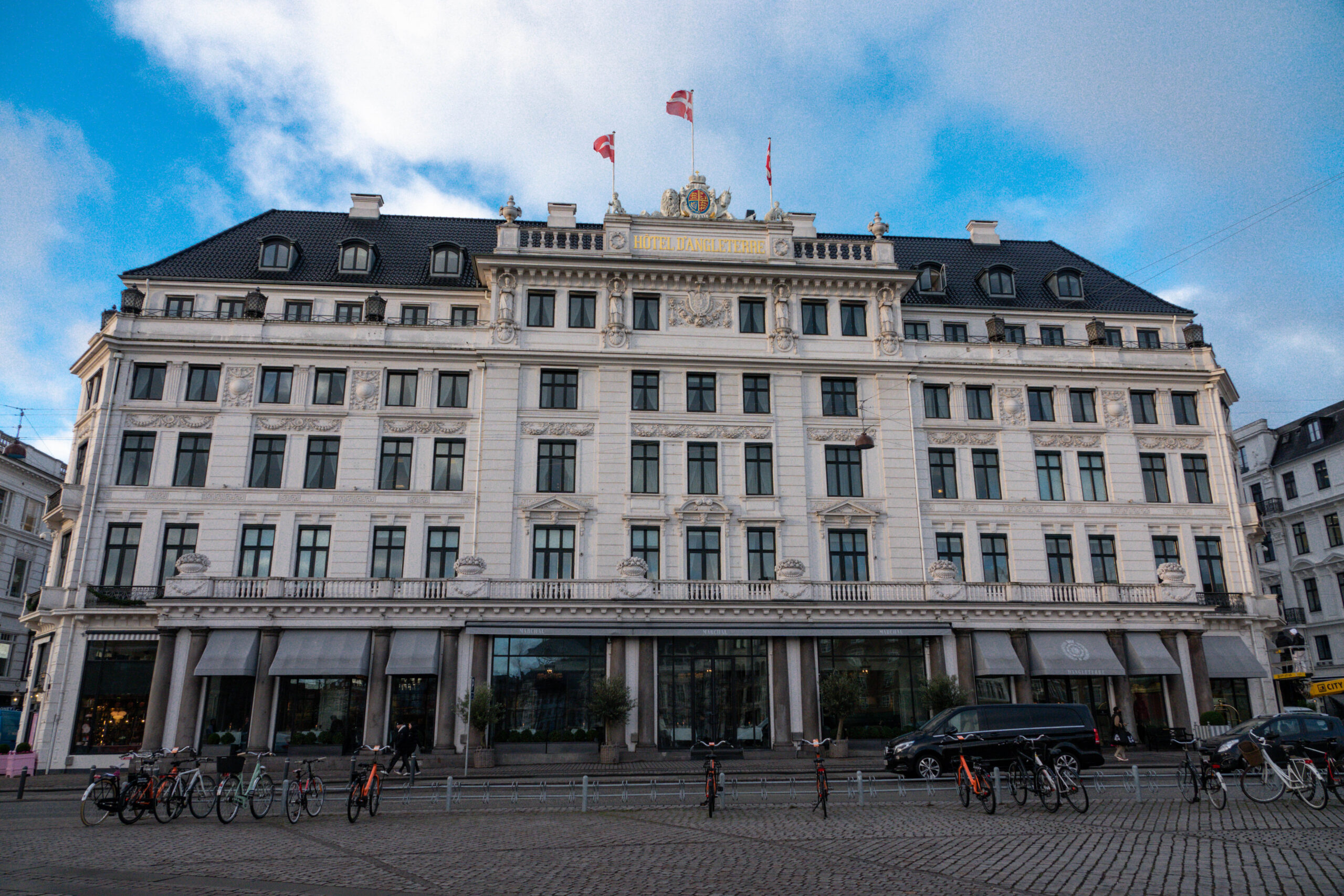
Hotel d’Angleterre, one of Copenhagen’s top 10 hotels, began as a love story between a French servant and the daughter of the royal chef. Maria was known for her culinary talent, and Jean knew everything about serving nobility. In 1755, they opened a restaurant — and that’s how the hotel’s story began.
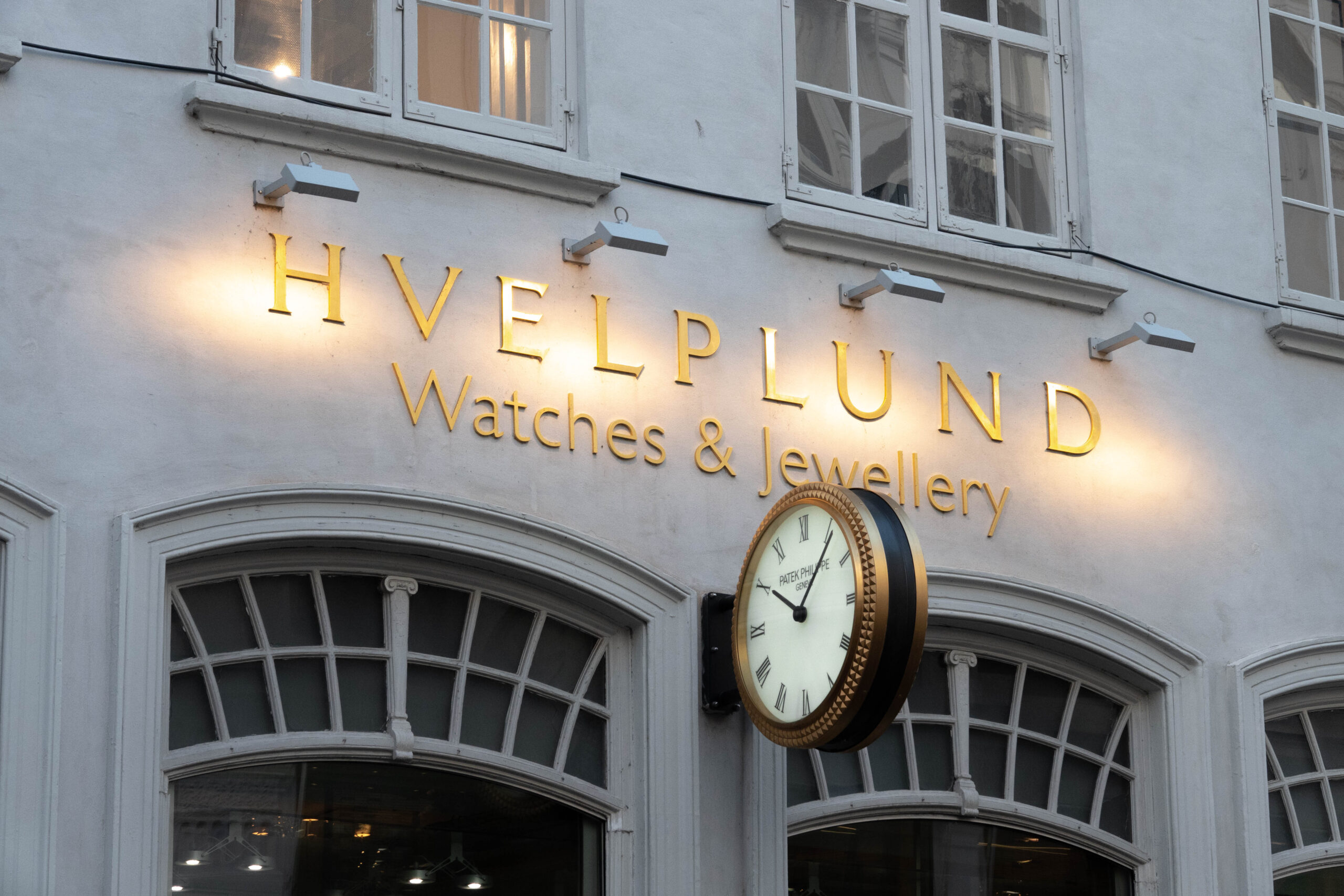
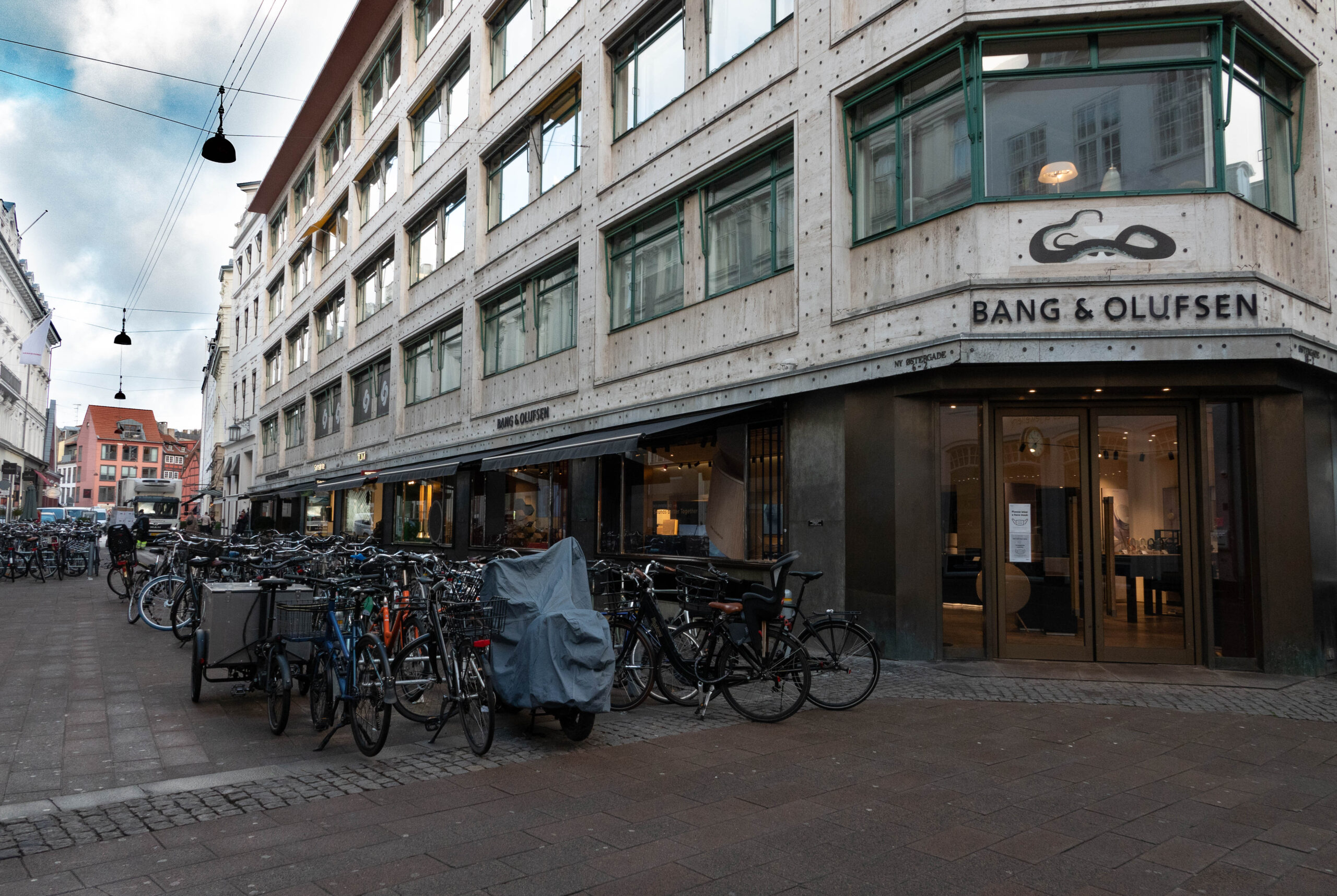
A few days after taking this photo, I passed by again and witnessed a police investigation — the shop had been robbed. The glass shattered into a million pieces, the shutter bent beyond recognition… Of course, I had to look it up: around 4 a.m., someone reversed a car into the shopfront. It’s still unclear what they stole (in case you’re interested in my detective work, haha).
Copenhagen’s bike parking facilities are much bigger than those in Slovenia — but still modest compared to the Netherlands.
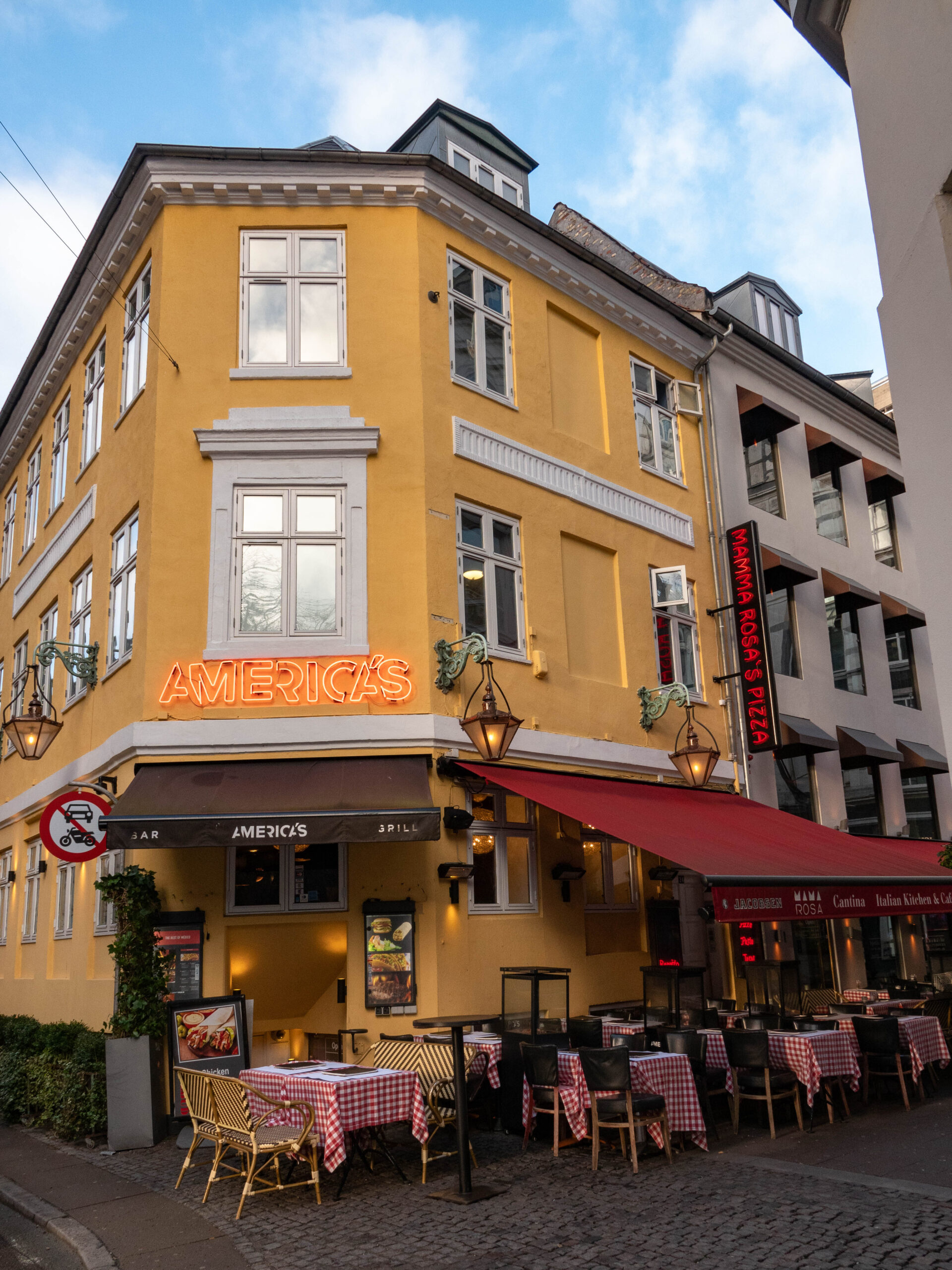
Like many places, the Danes love Italian food. Or in this case… American-Italian.
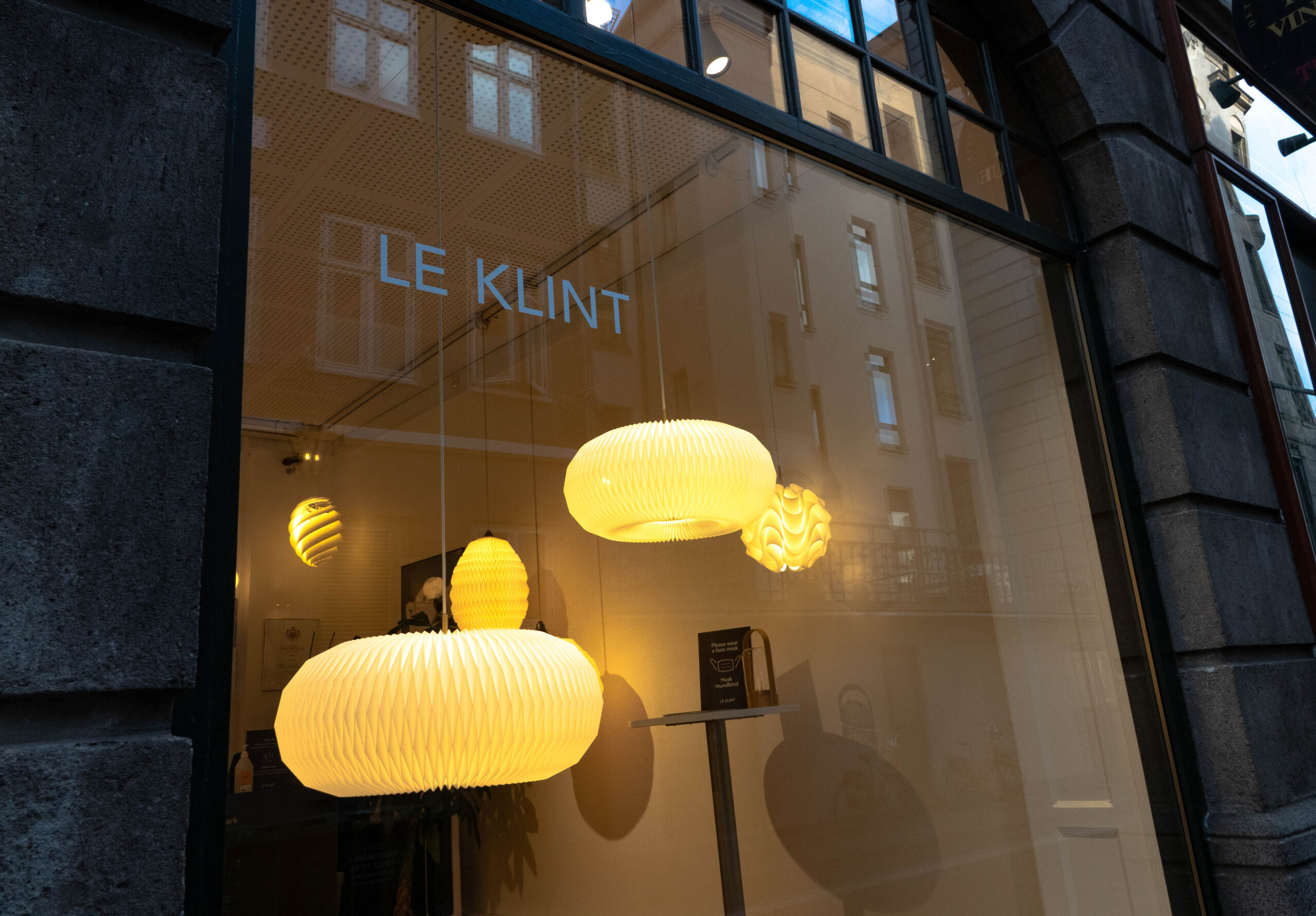
I’ve yet to see interior design more beautiful than Danish.
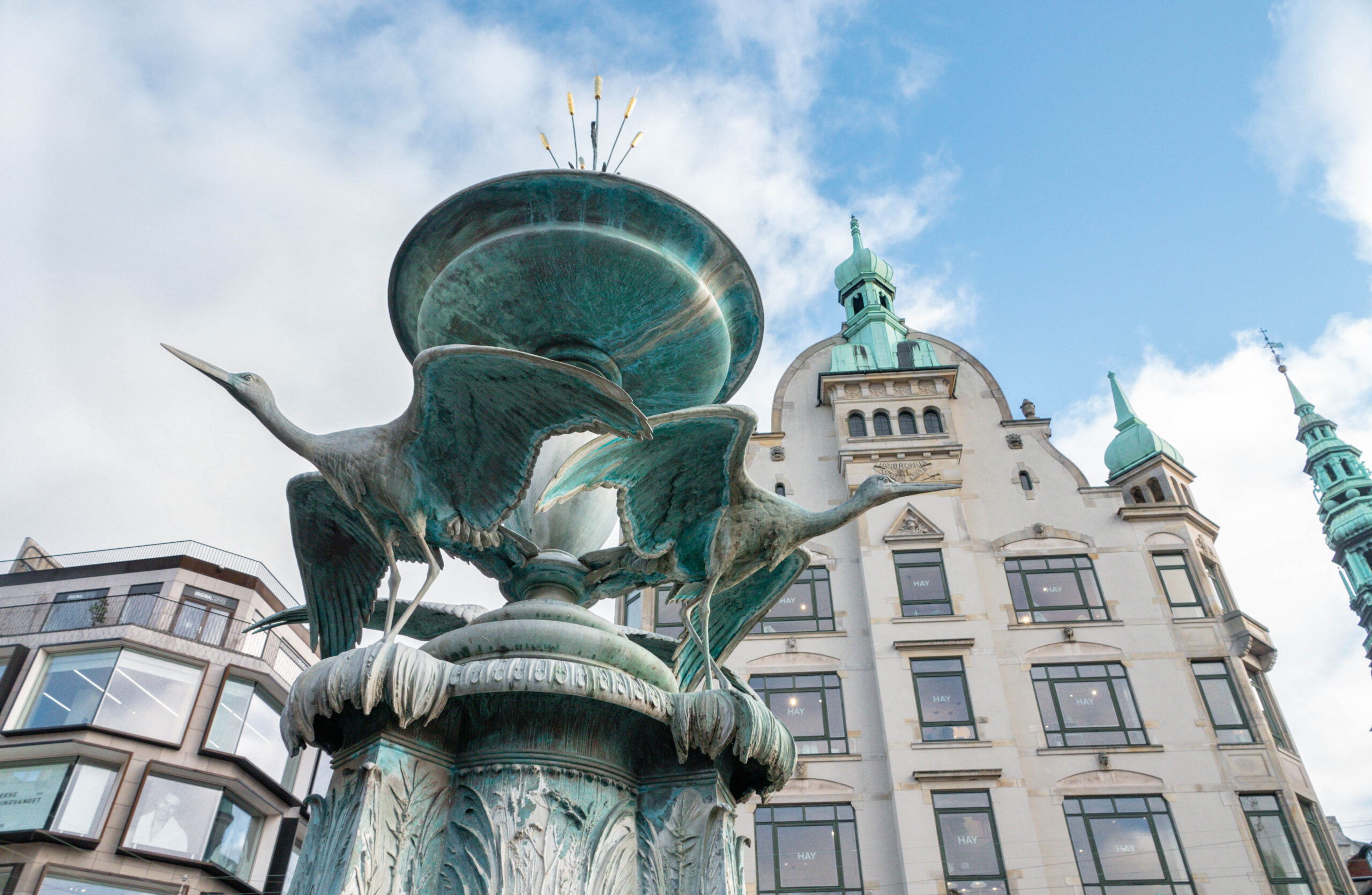
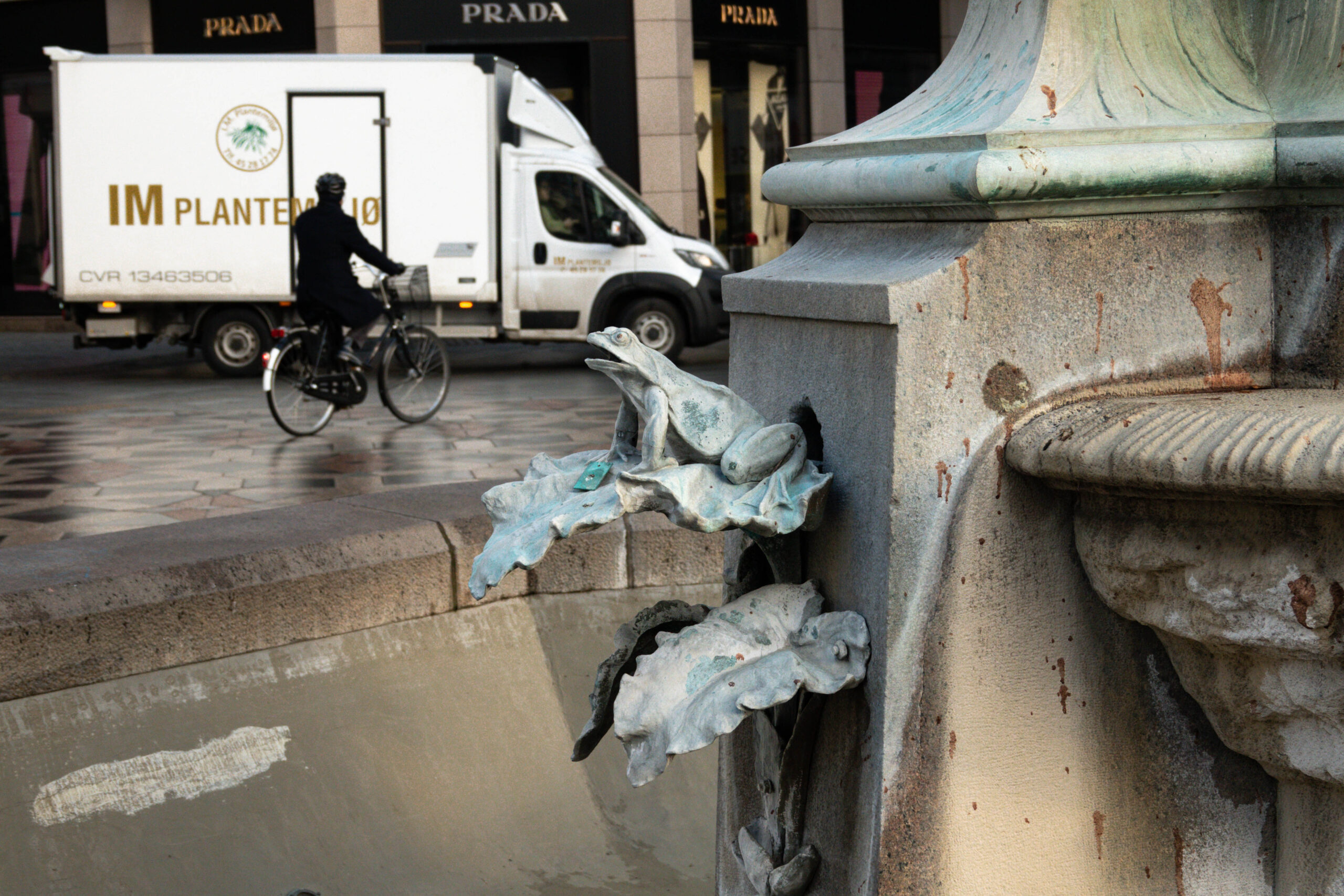
Stork Fountain, said to be one of the most famous in the region. It's customary for new labor and delivery nurses to dance around it.
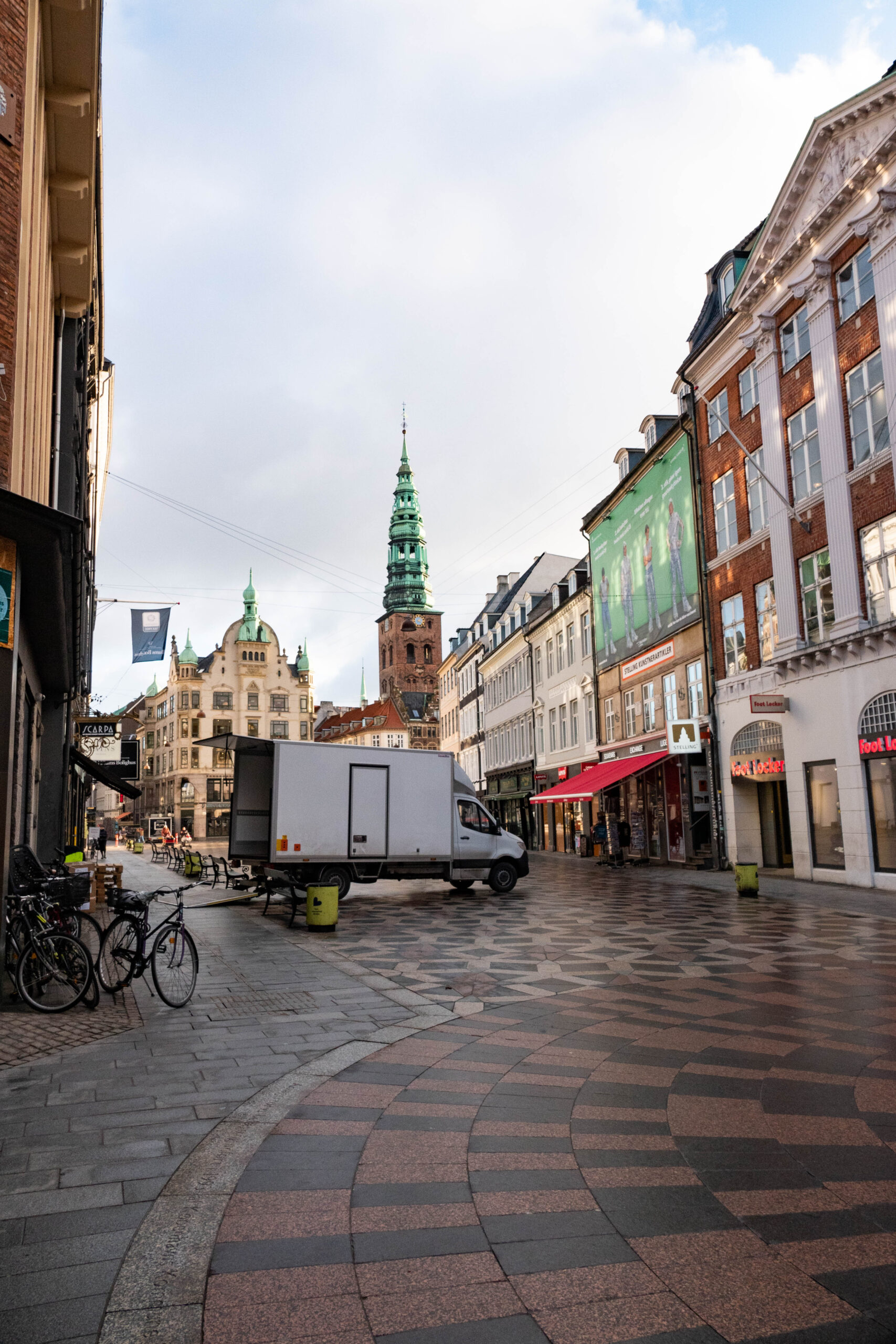
I accidentally discovered and photographed this street – Strøget – which is apparently the main pedestrian street in the city.
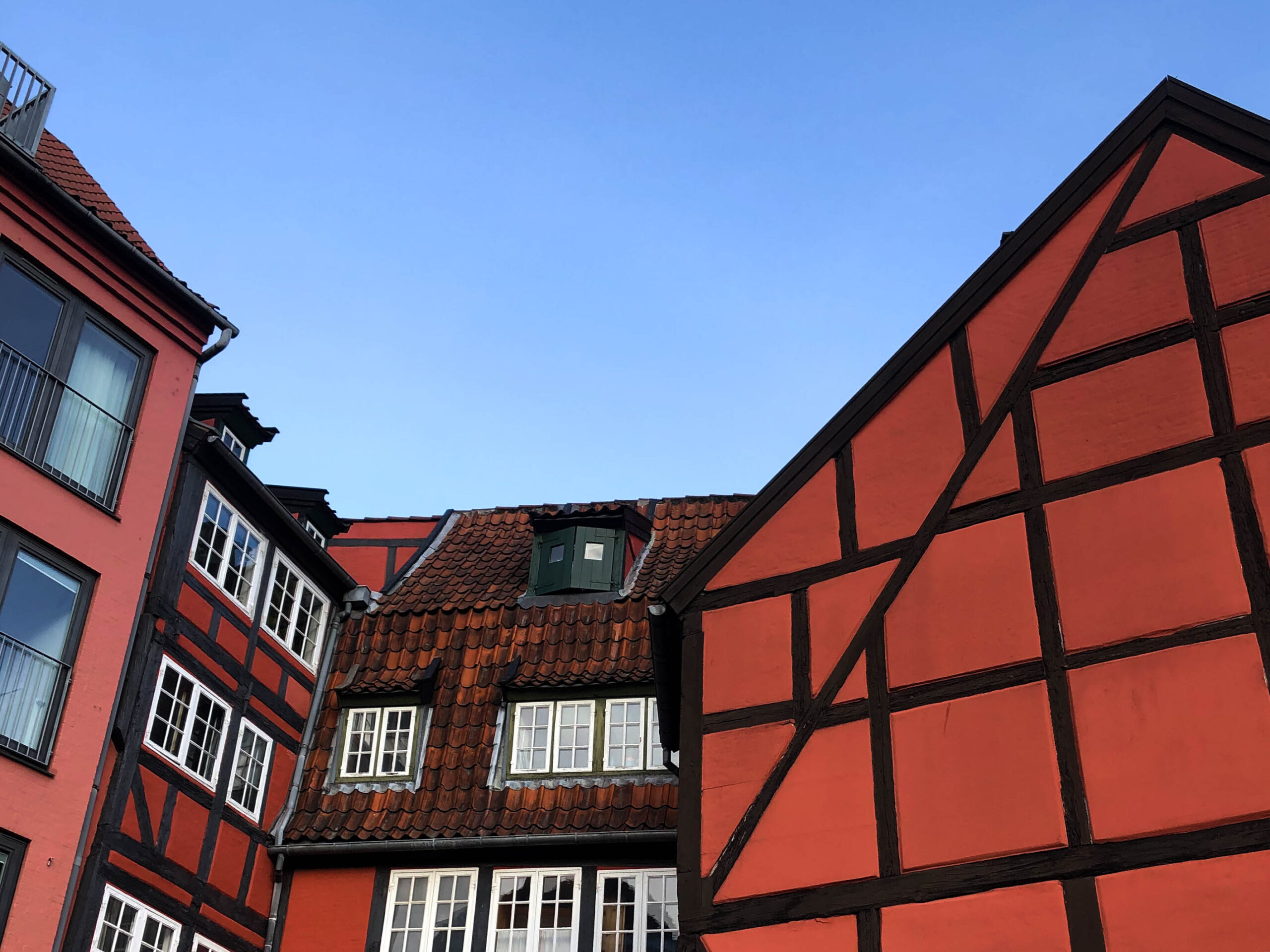
A large part of Copenhagen looks something like this. Personally, I'm not a fan of the style, so I usually don't post these kinds of pictures, haha.
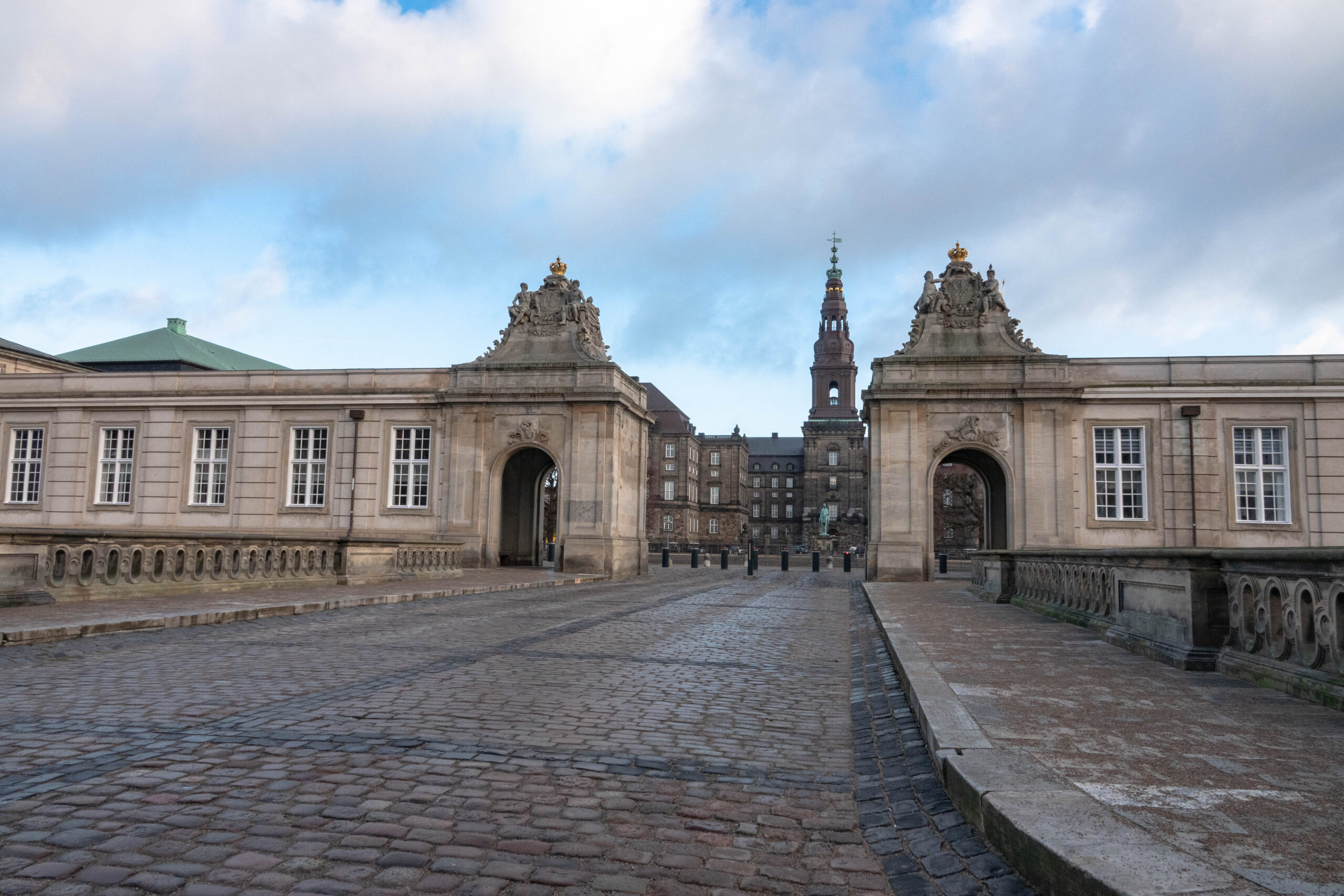
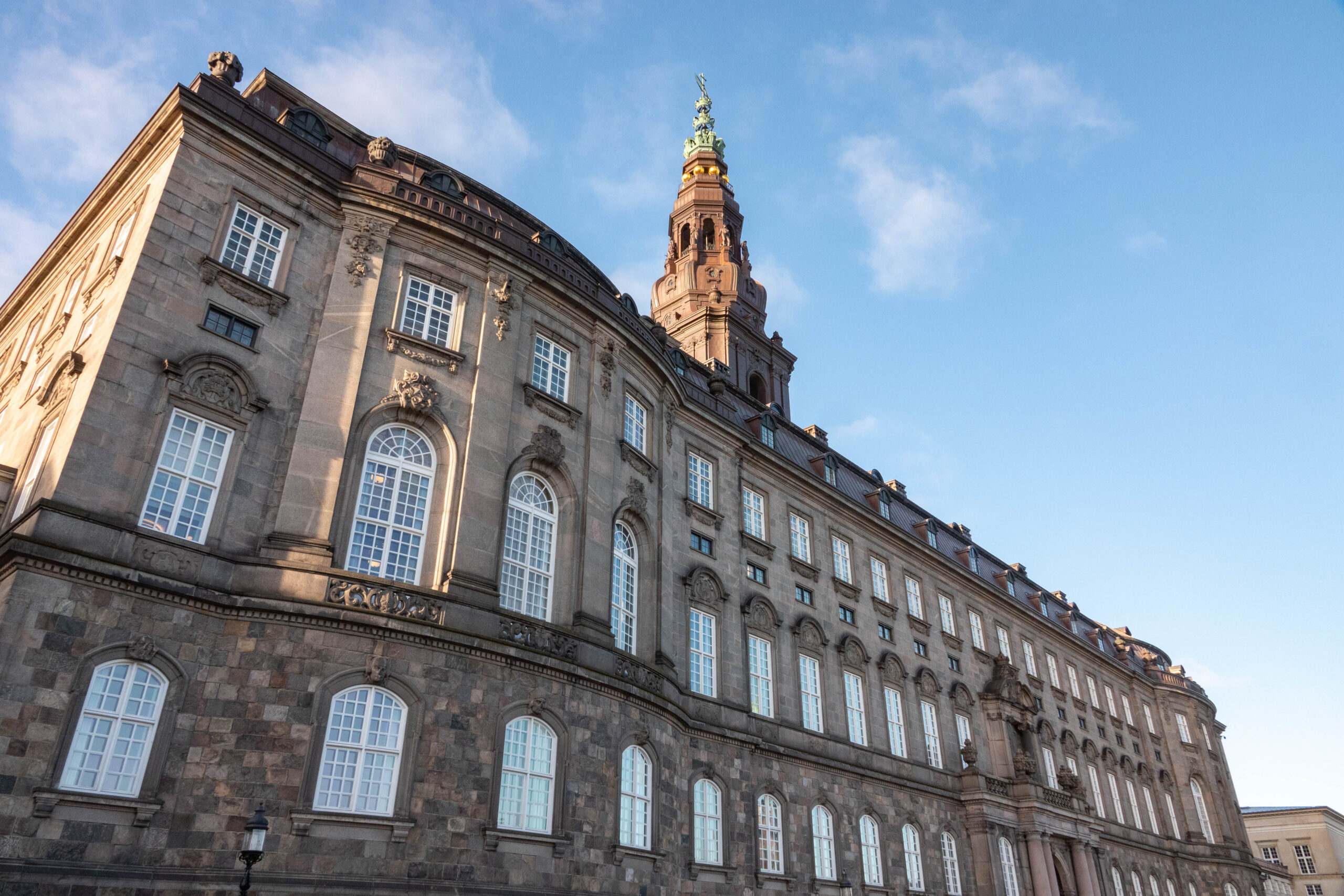
View toward the Danish Parliament.
Apparently, you can climb to the top of the tower for a nice view.
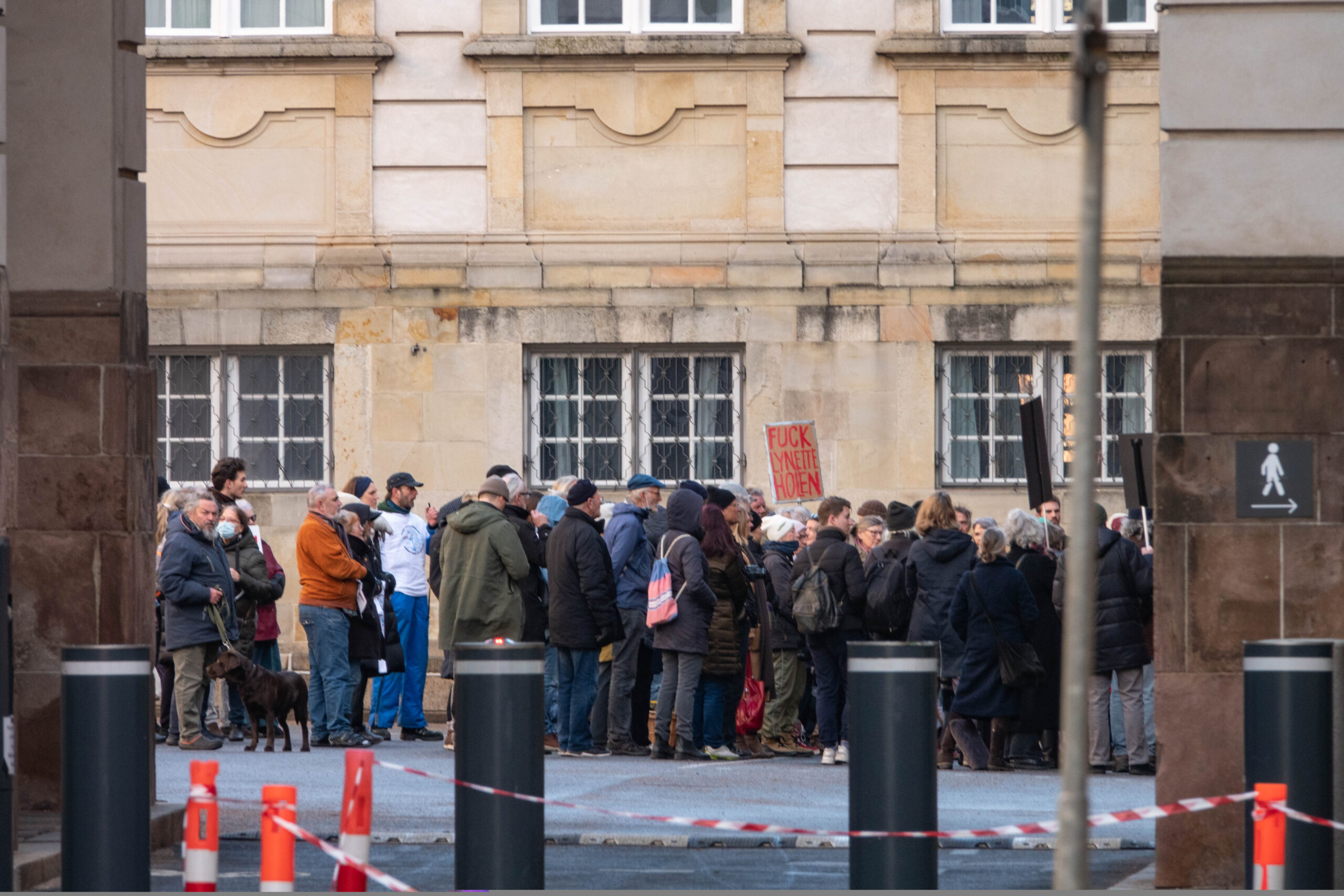
Protests seem to be a constant here – this time, people gathered to protest the construction of the new artificial island Lynetteholm (275 ha), which is supposed to mitigate the effects of climate change. Clearly, not everyone agrees it's a good idea.

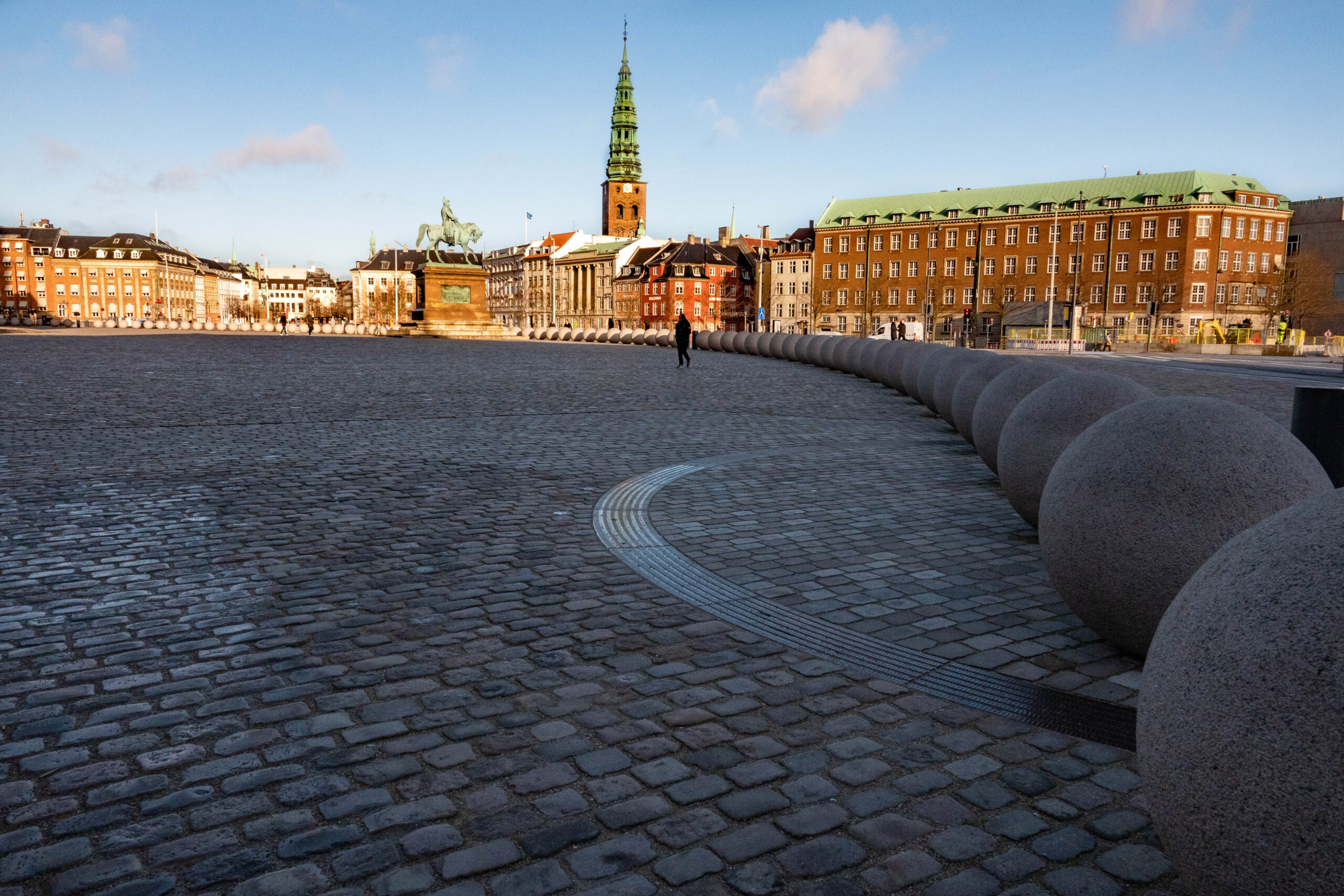
Everything around smelled like morning.

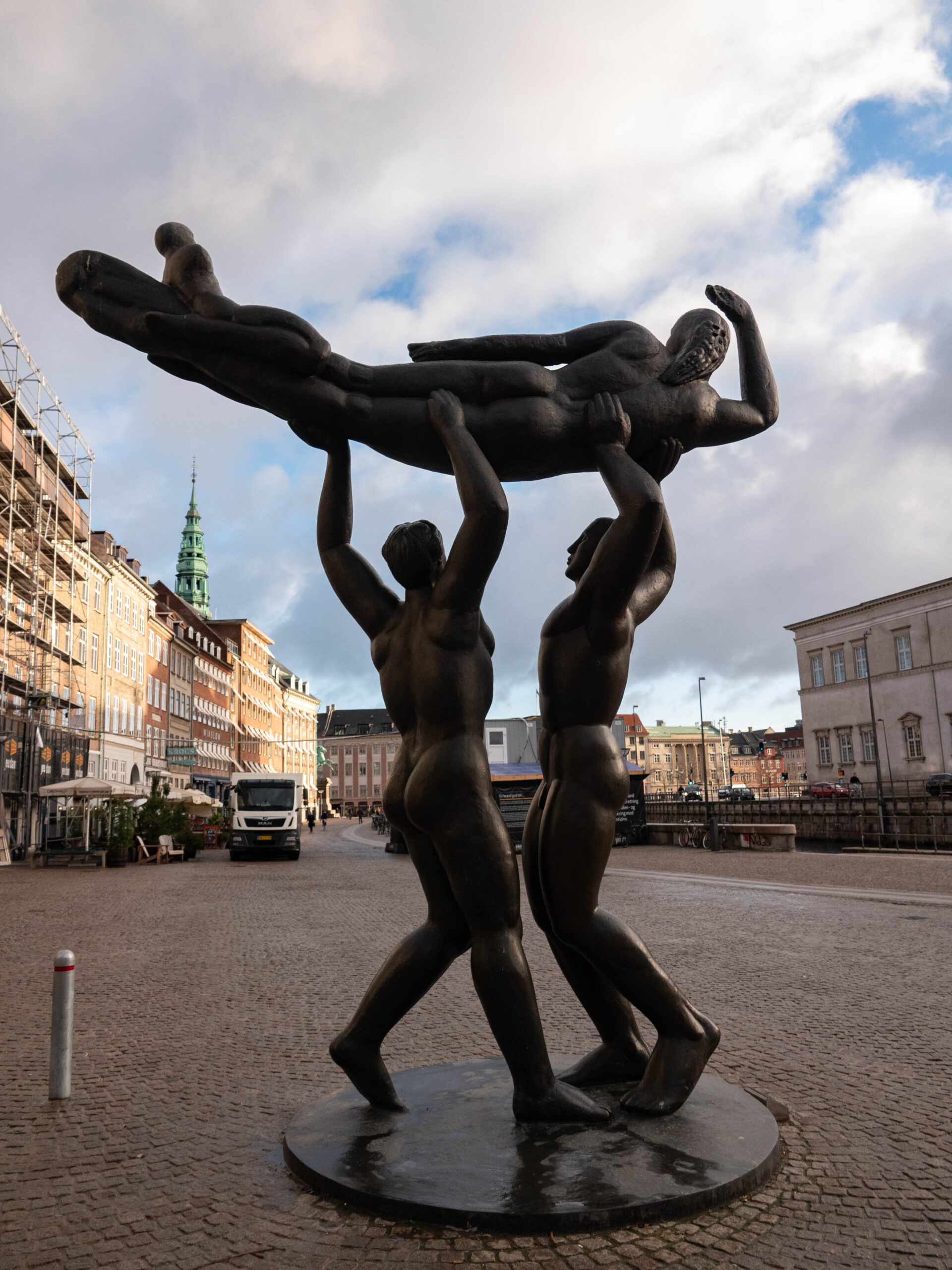
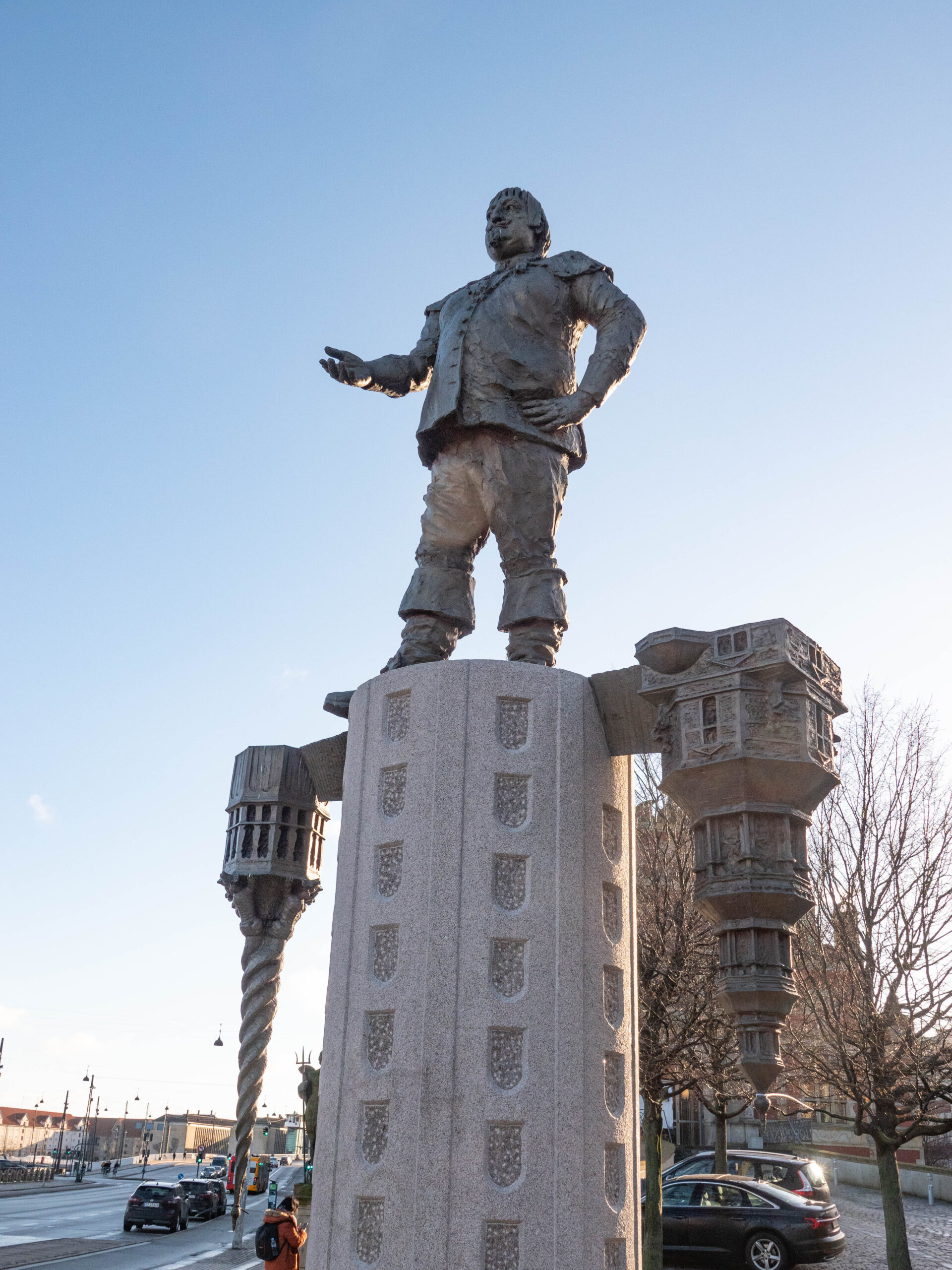
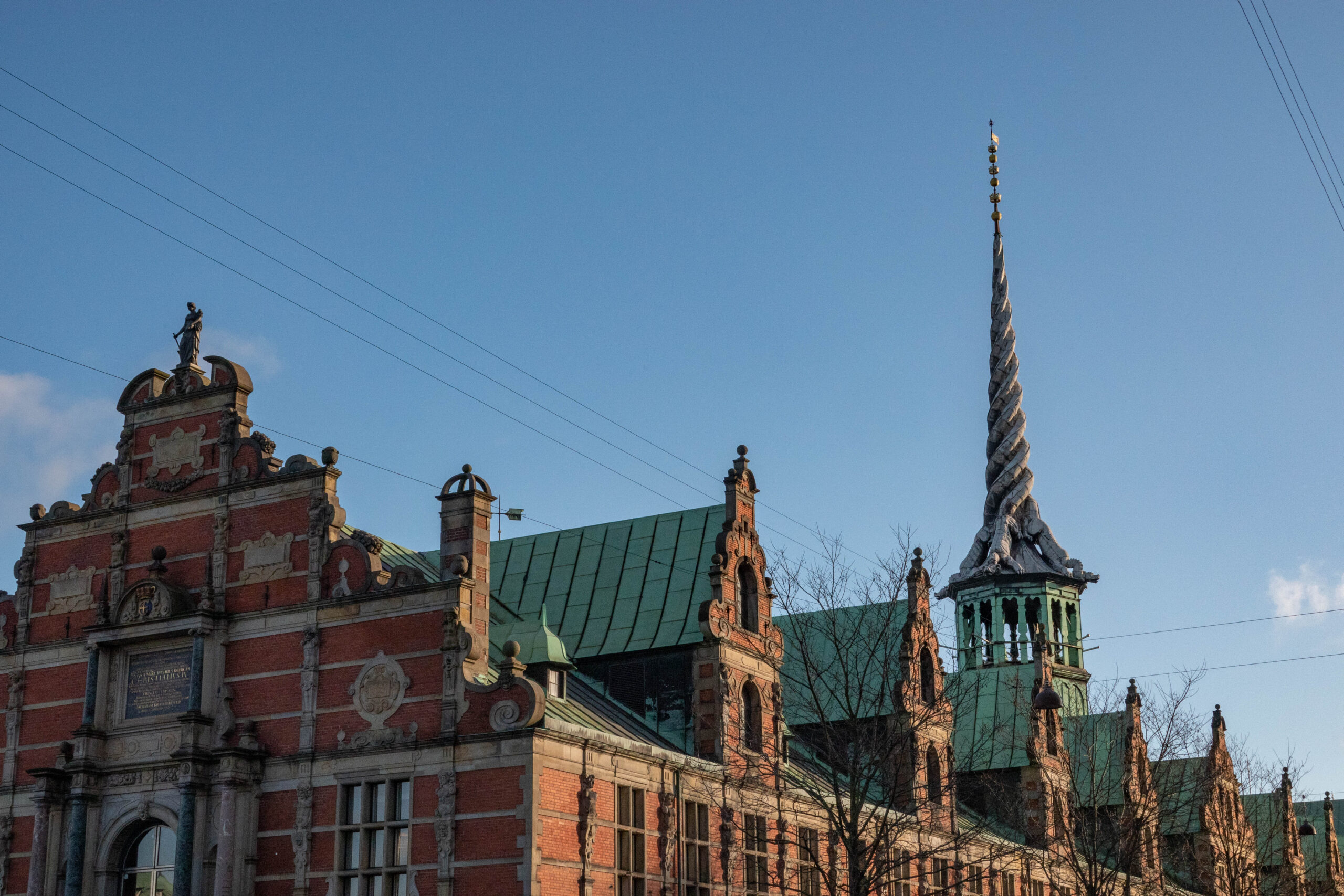
I’m not sure what this statue represents. I’d say the figure is commenting on the value of one building compared to another. It’s placed in front of the former stock exchange.
The former stock exchange was built in Dutch Renaissance style. King Christian IV had the roof made of lead, which was removed during the Swedish occupation in the 17th century and turned into cannonballs. It was later restored and replaced with a copper one.
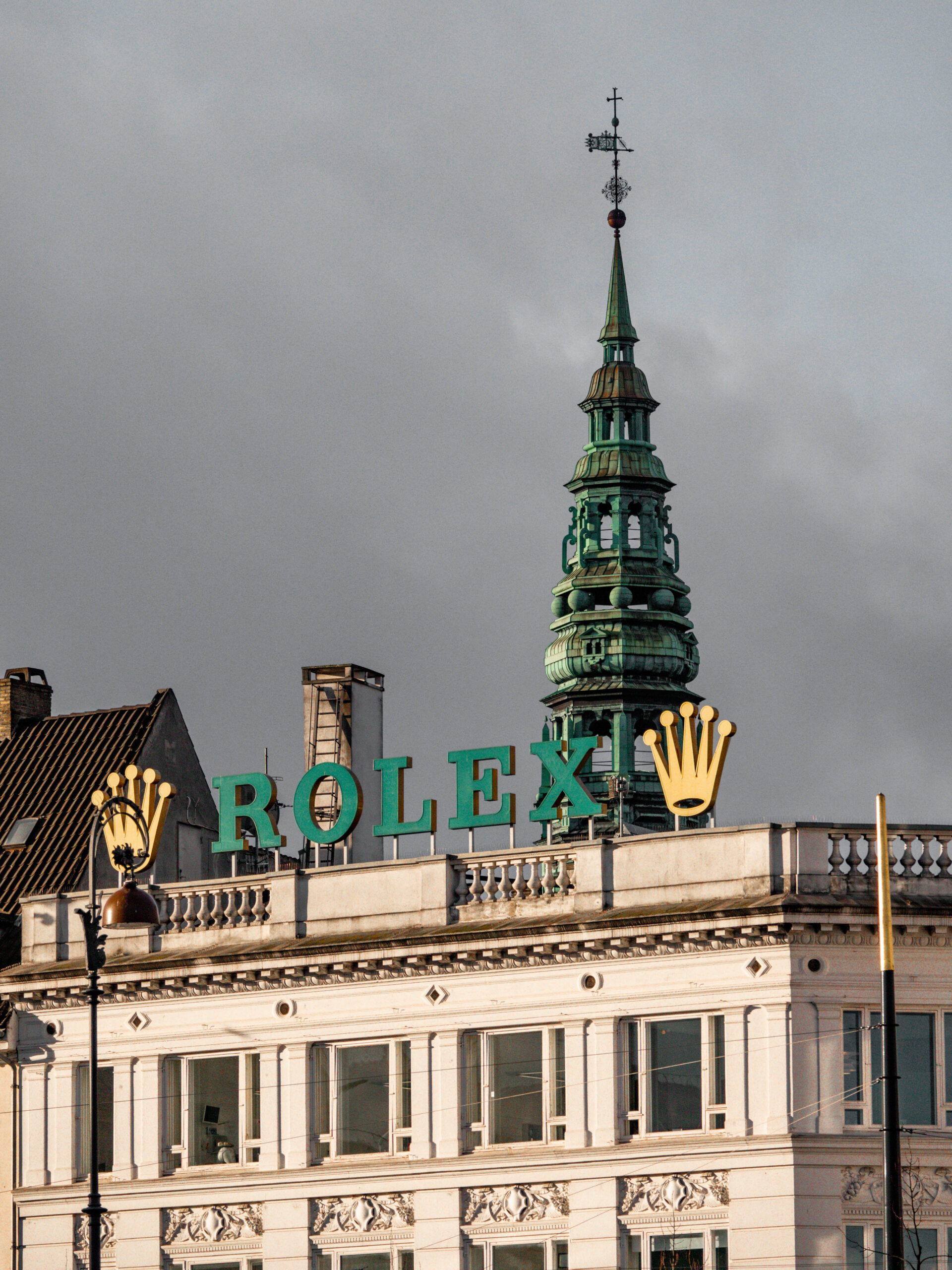
The "tower" is formed by four dragons with intertwined tails, meant to protect the building from enemies and natural disasters – it remained unharmed many times throughout history, even as neighboring buildings burned down. The tails end in three crowns symbolizing the Scandinavian empire – Denmark, Norway, and Sweden.
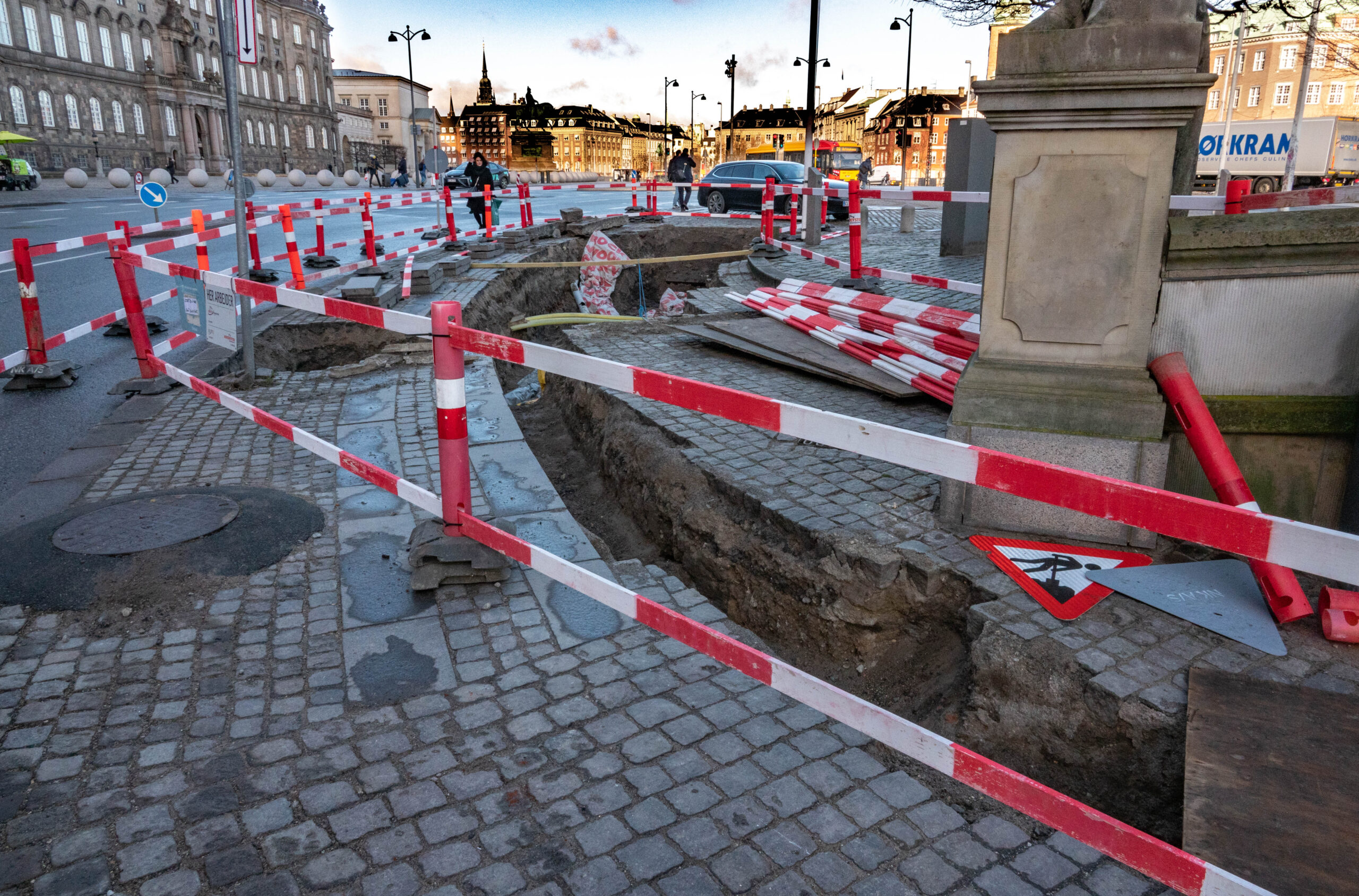
Roadworks, but never complete closure for pedestrians and cyclists.
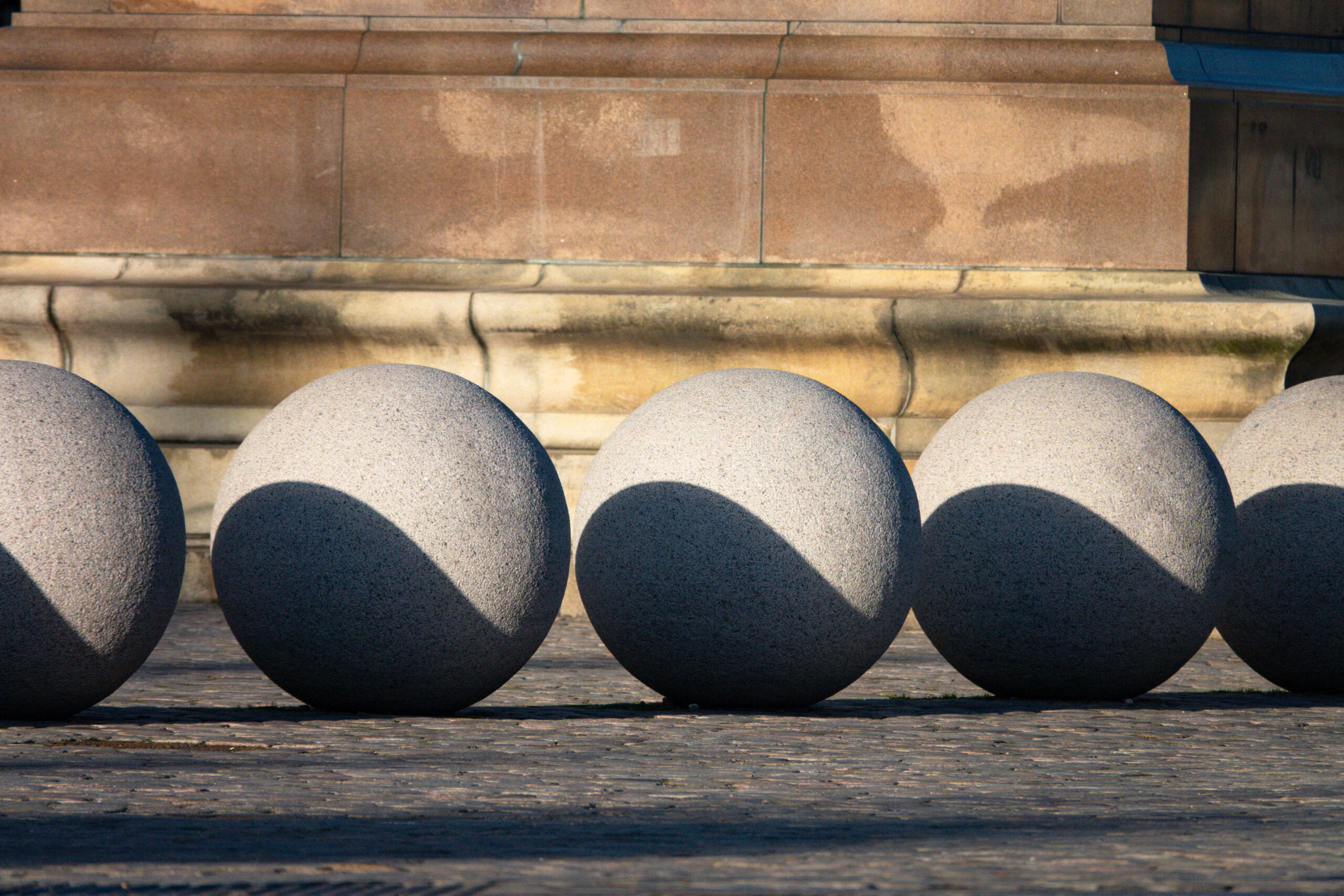
Yin & Yang
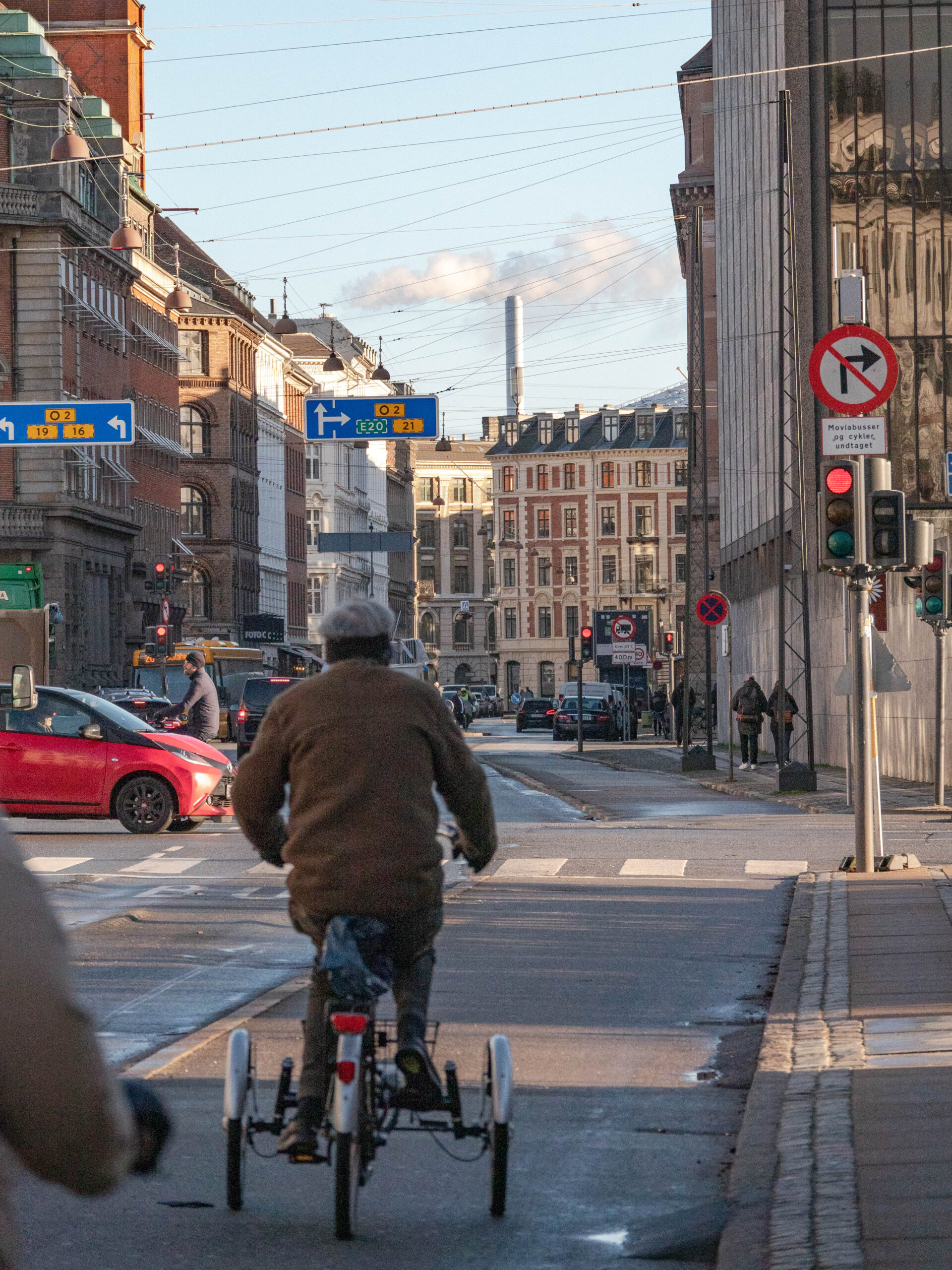
This past month, I’ve seen a lot of women wearing winter onesies, like the one the lady on the scooter.
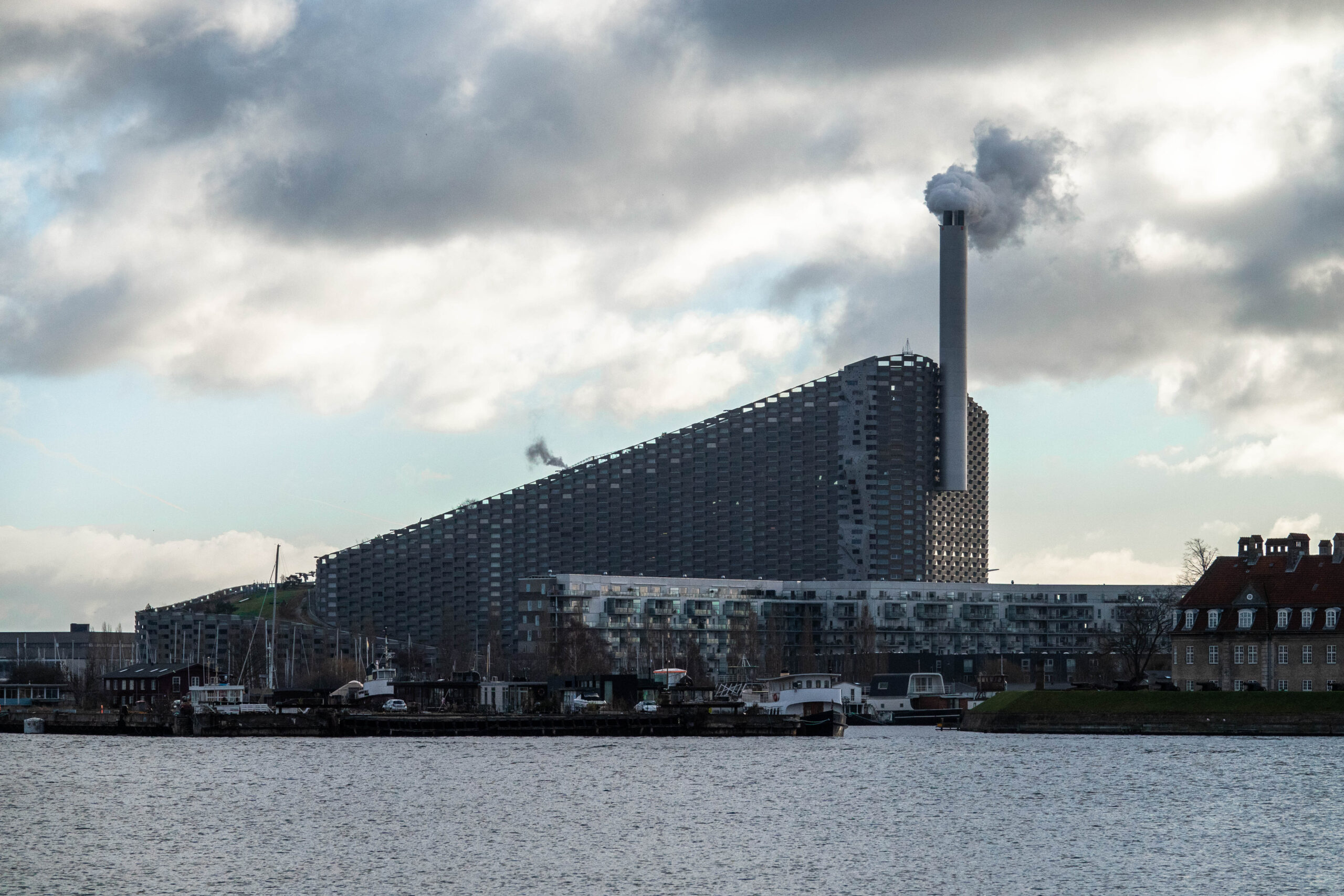
View of CopenHill – more on this big attraction next time. 😉
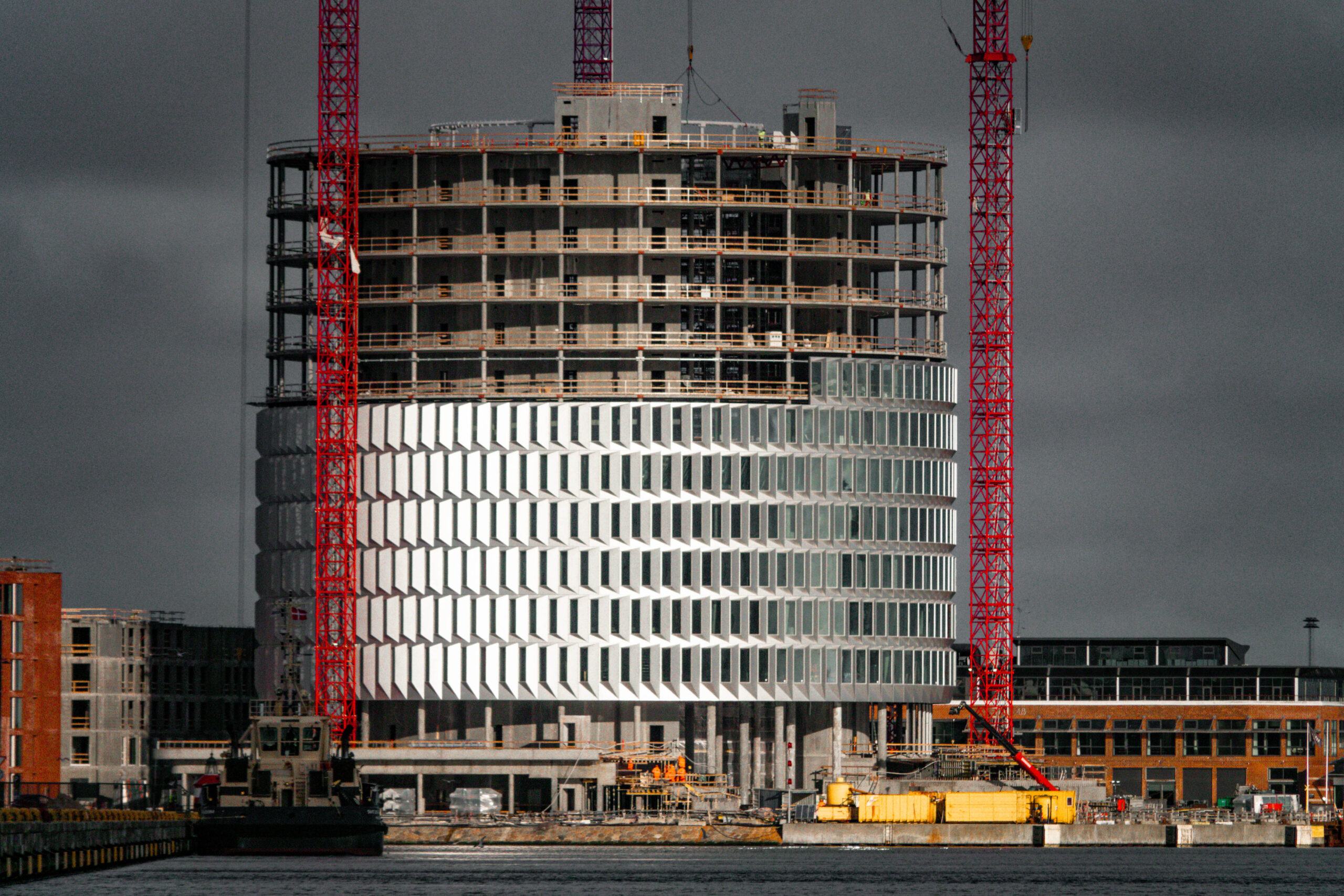
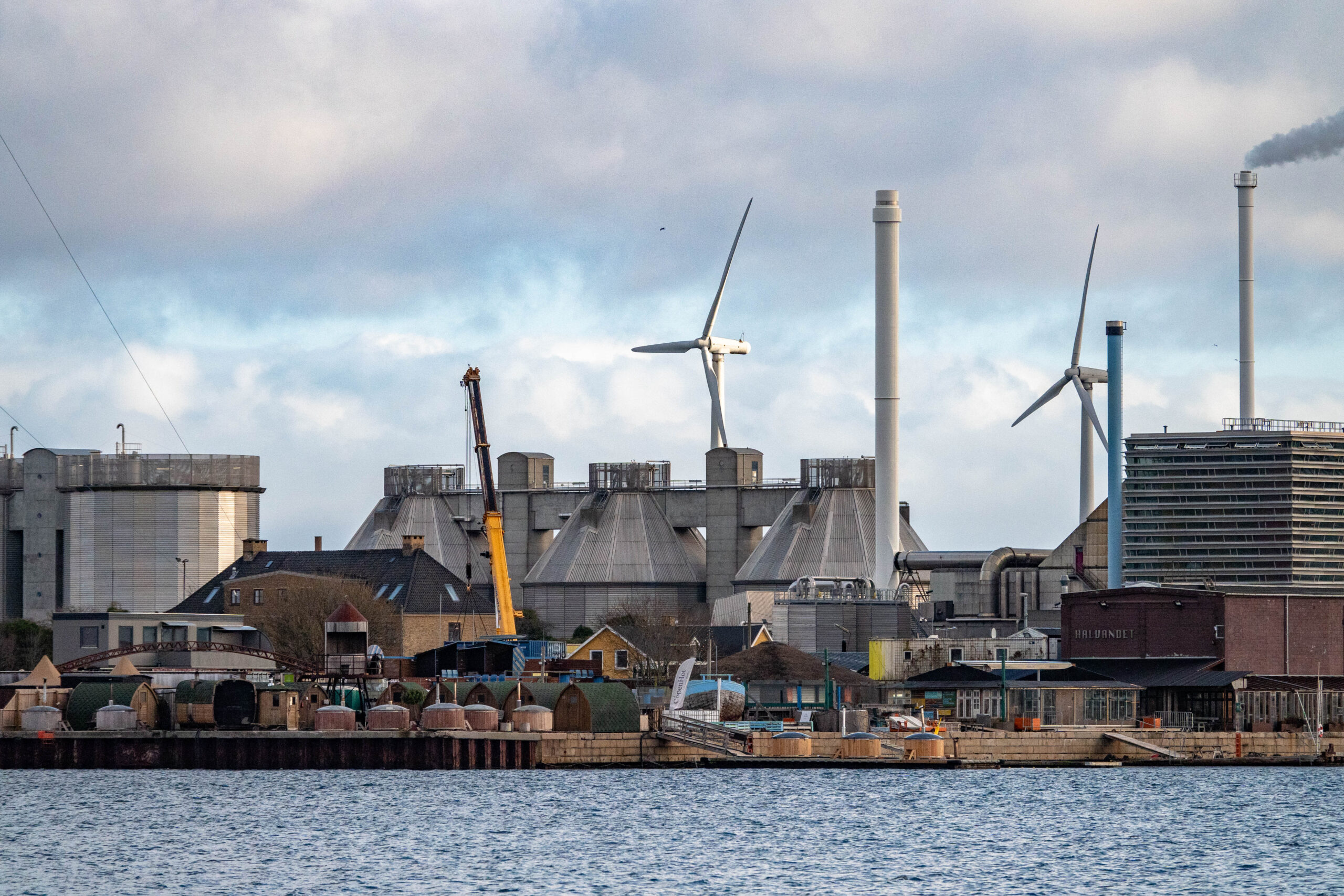
The construction of a new neighborhood, Nordø, which will offer 115 sustainable homes, around 300 hotel rooms, and more.
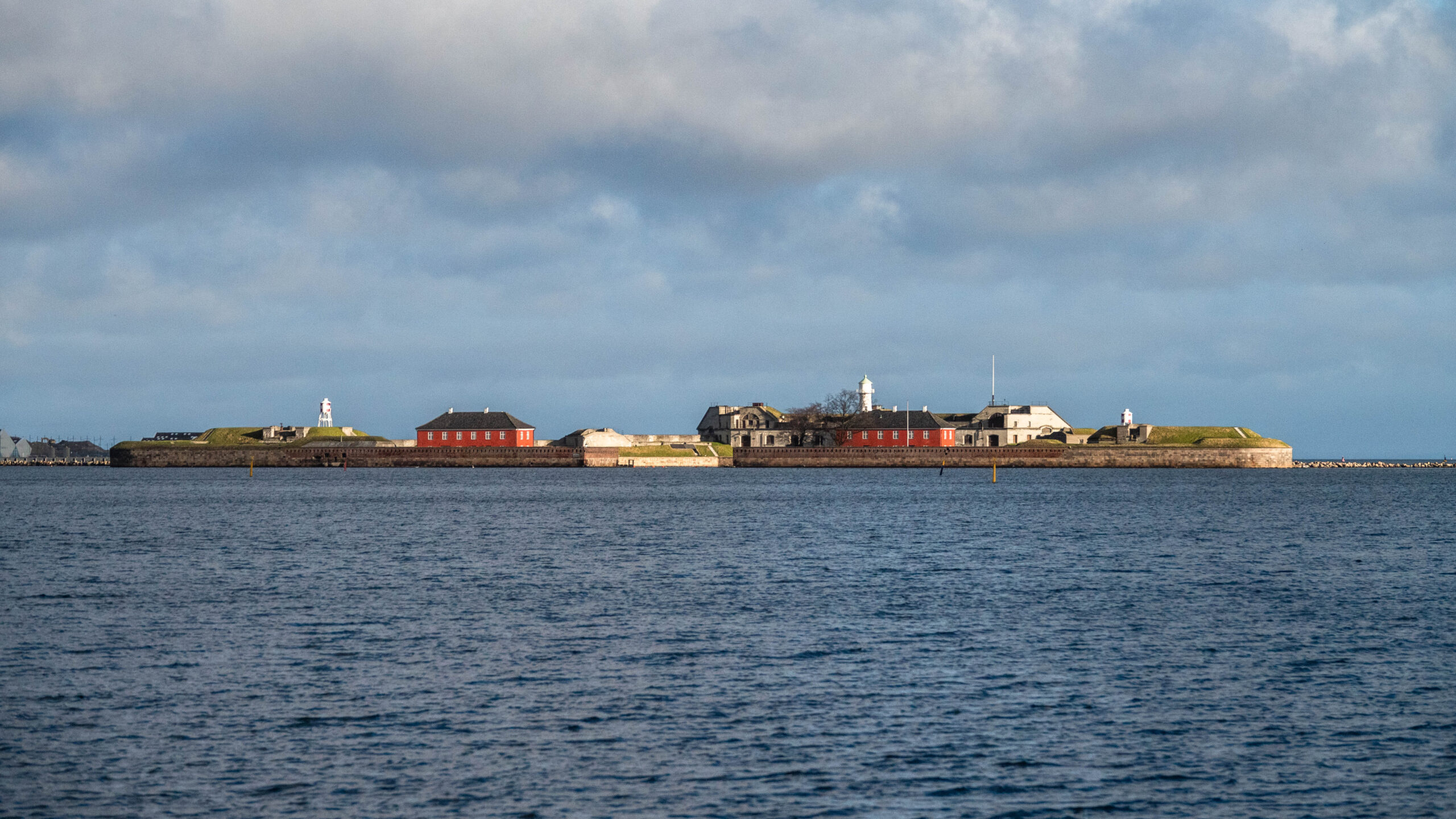
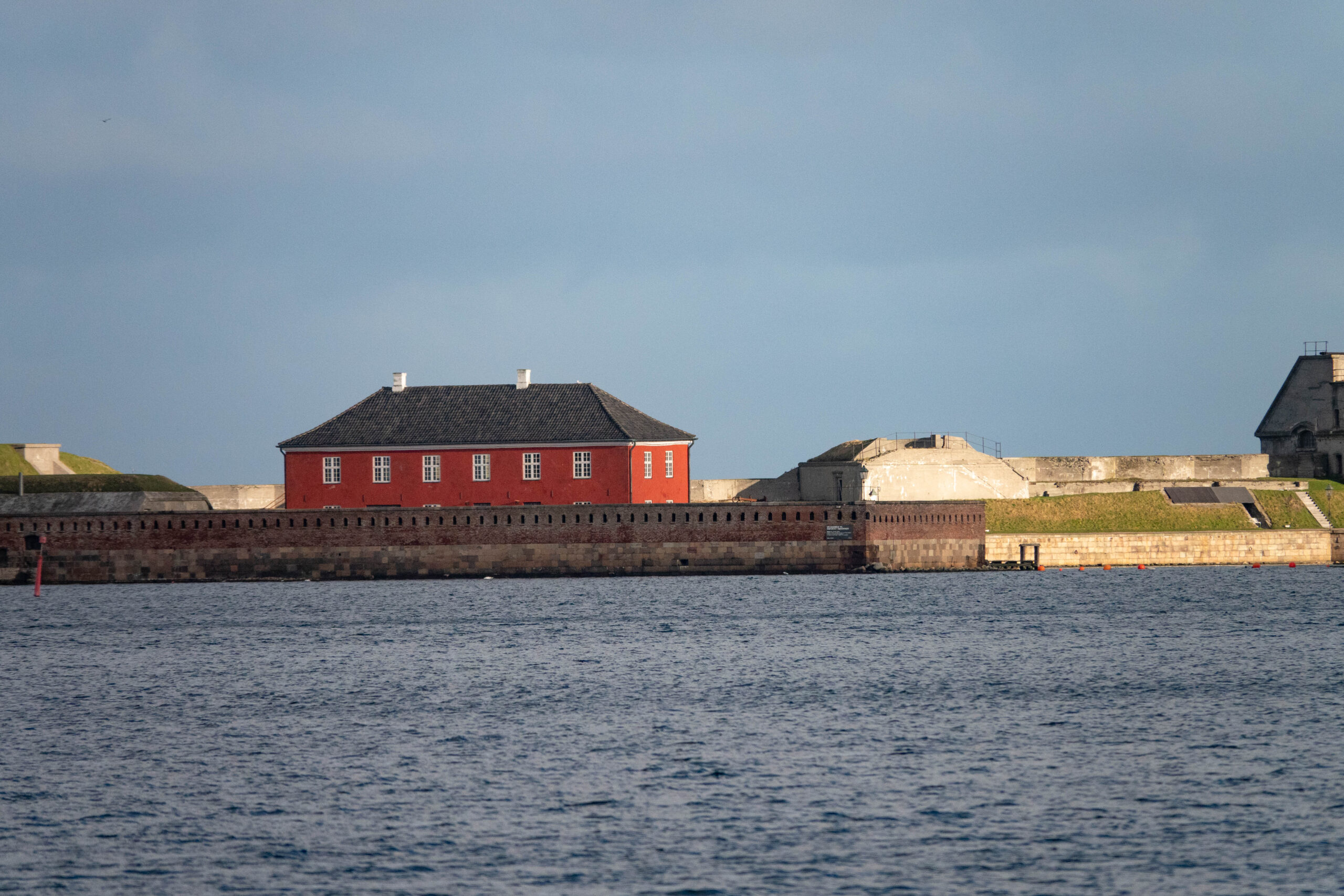
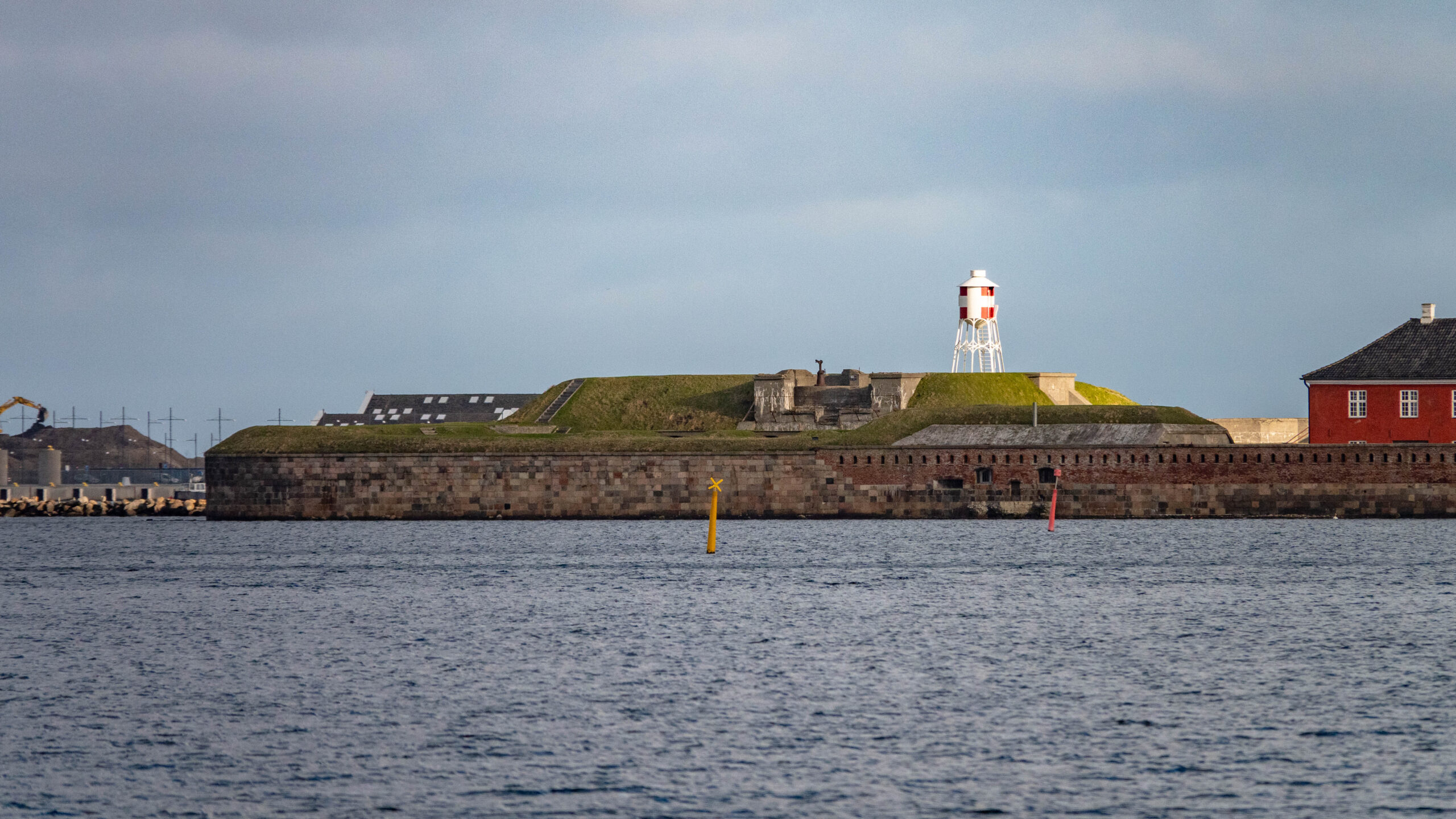
Trekroner Fort – a small island northwest of Copenhagen in the shape of a D. The original location was a few hundred meters further north – they sank three ships to form the base, one of which was named Trekroner. In the early 18th century, the island played a key role in the Battle of Copenhagen, defending the harbor entrance.
The red house is now home to a café and restaurant and attracts a lot of tourists in the summer.
The yellow vehicle is a water bus that slowly but surely carries passengers from the southern end of the main sea canal all the way to the north. It starts very close to where I live and runs about twice an hour. Still on my to-do list. Quite a few locals use it to commute to work.
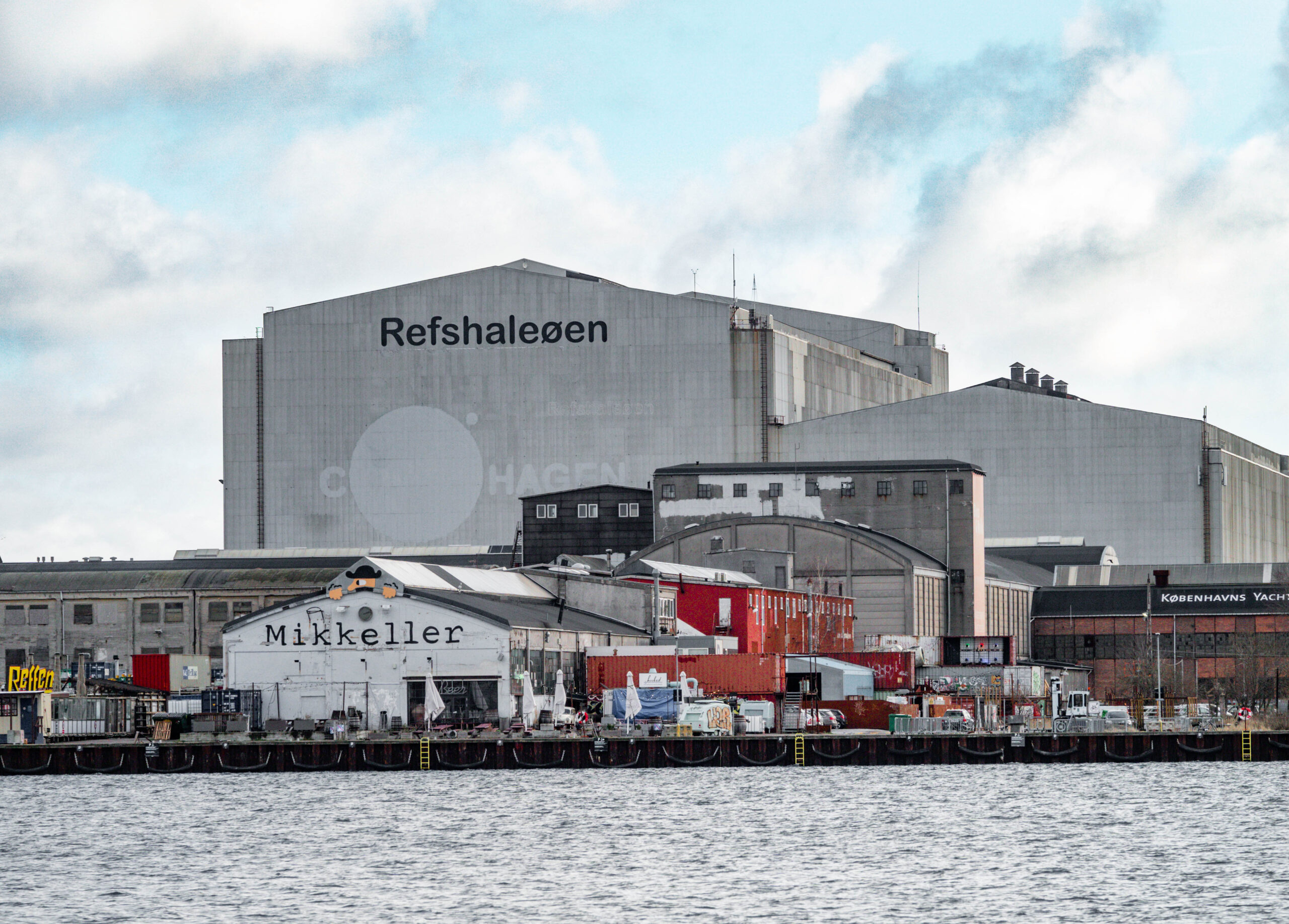
On the left, you can spot a sign, "Reffen". During the warmer part of the year, there's a Reffen Copenhagen Street Food - a very lively place.
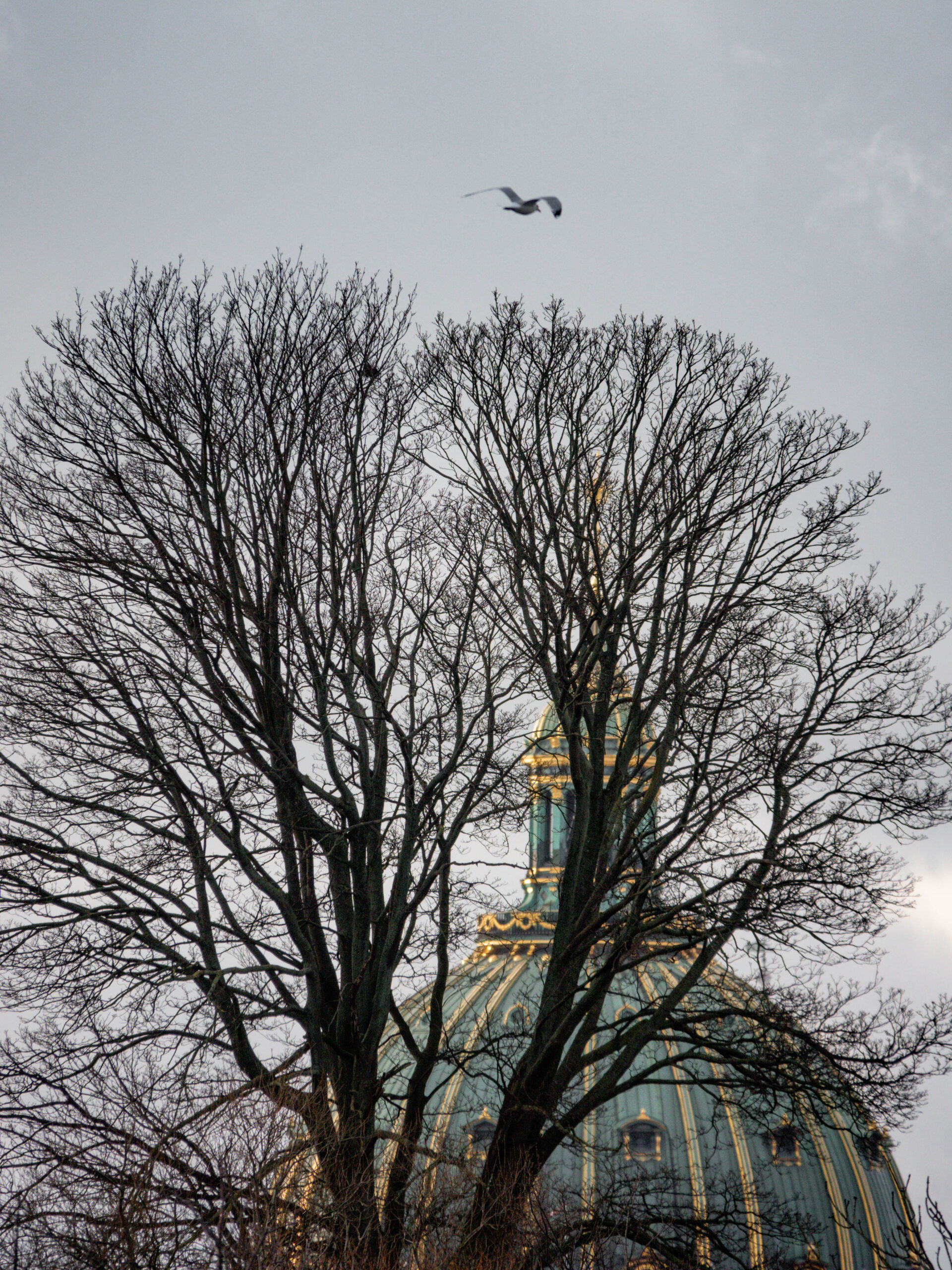
In the background, you can spot the largest dome in Scandinavia, belonging to Frederik's Church (Lutheran) from the 18th century.
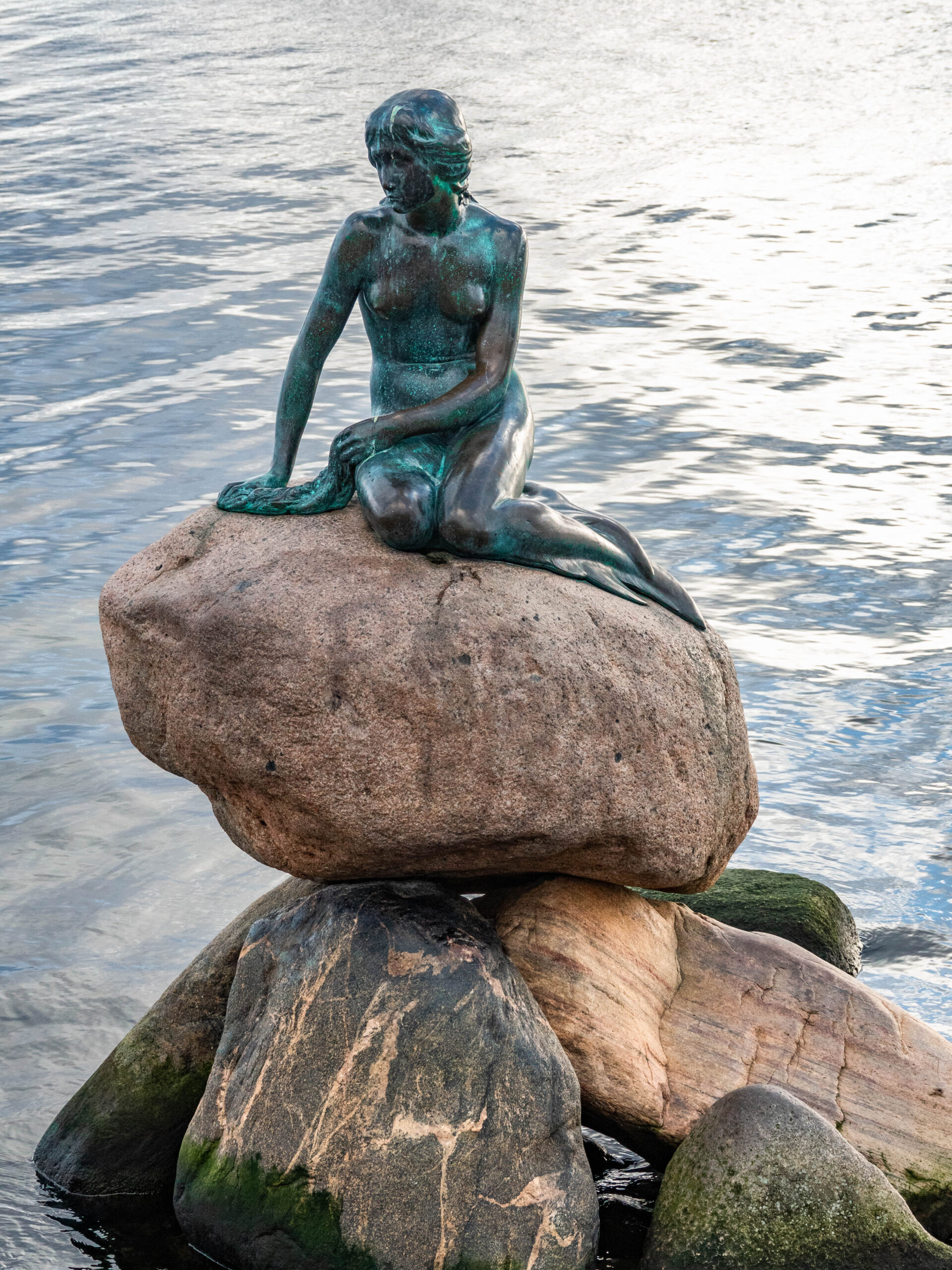
The Little Mermaid – the idea of Danish poet and writer Hans Christian Andersen. The statue has a long history of vandalism – from losing her hand, head, to being thrown into the sea. When I visited, she was still in one piece.
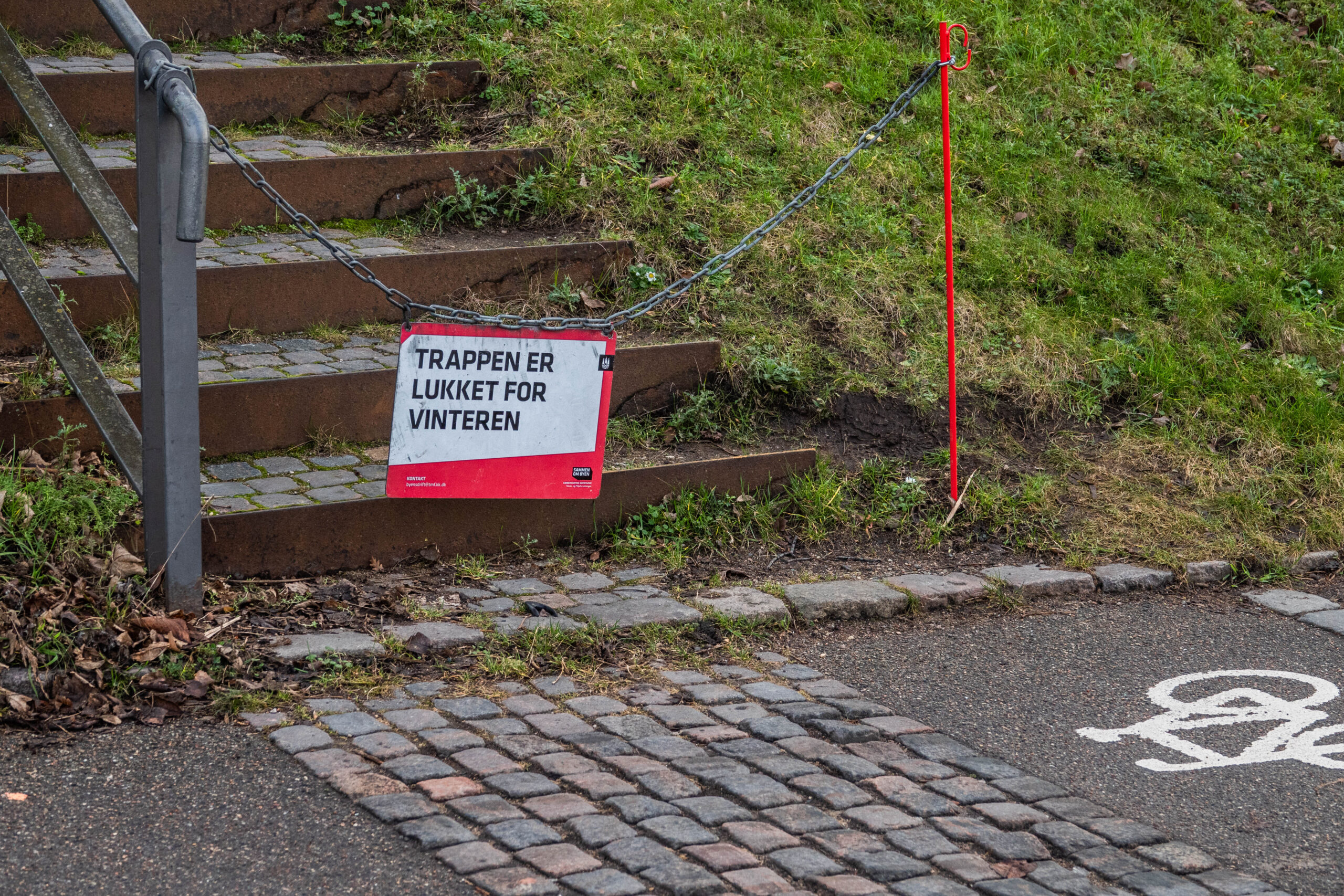
"The stairs are closed during winter" – safety first, hehe.
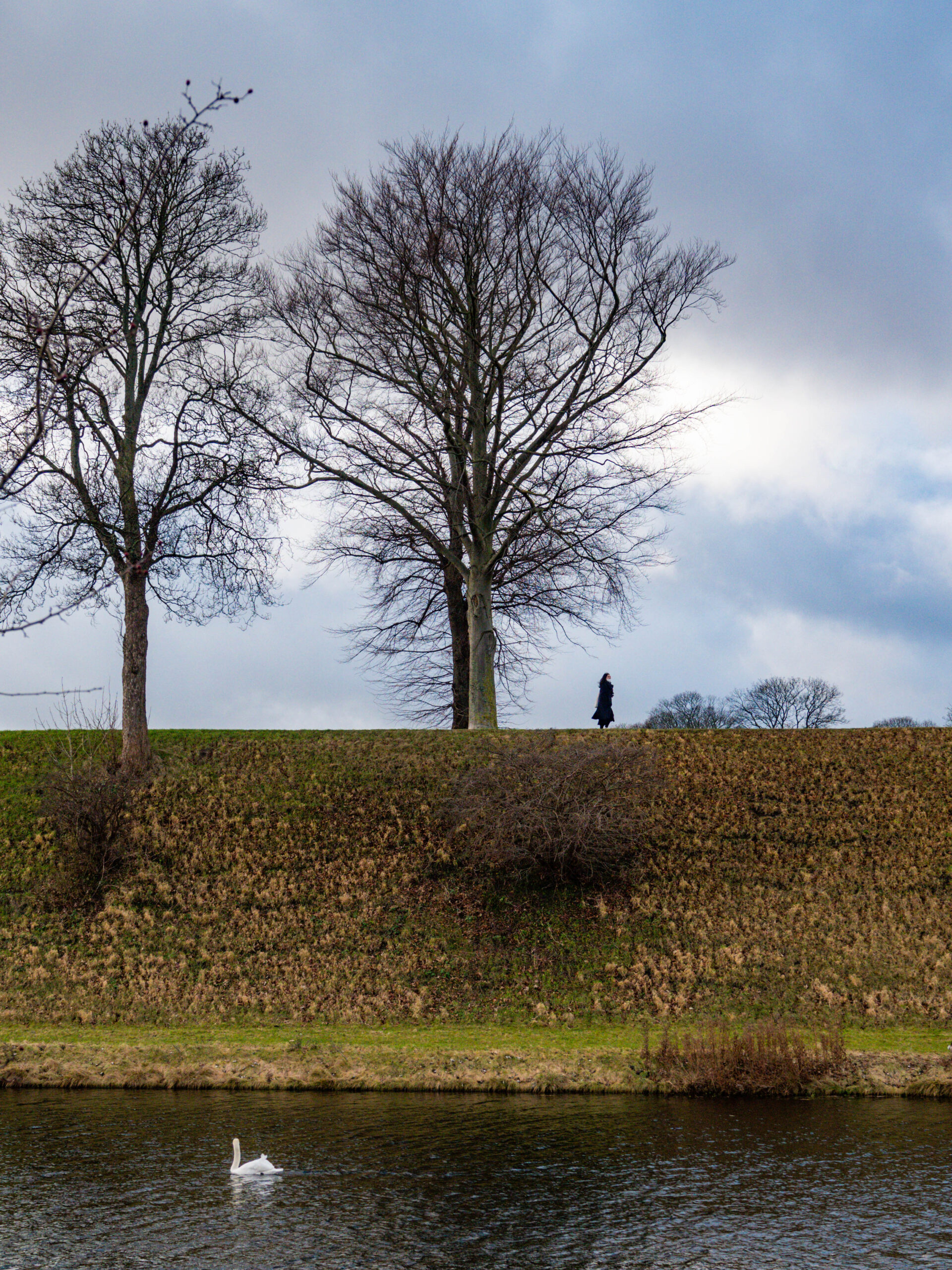
View of the grassy ramparts surrounding the island fortress Kastellet, which (in my imagination) looks like a sea turtle. During WWII, it was the headquarters of the German army, and today it's open to the public. Apparently, I wasn’t impressed enough to go in.
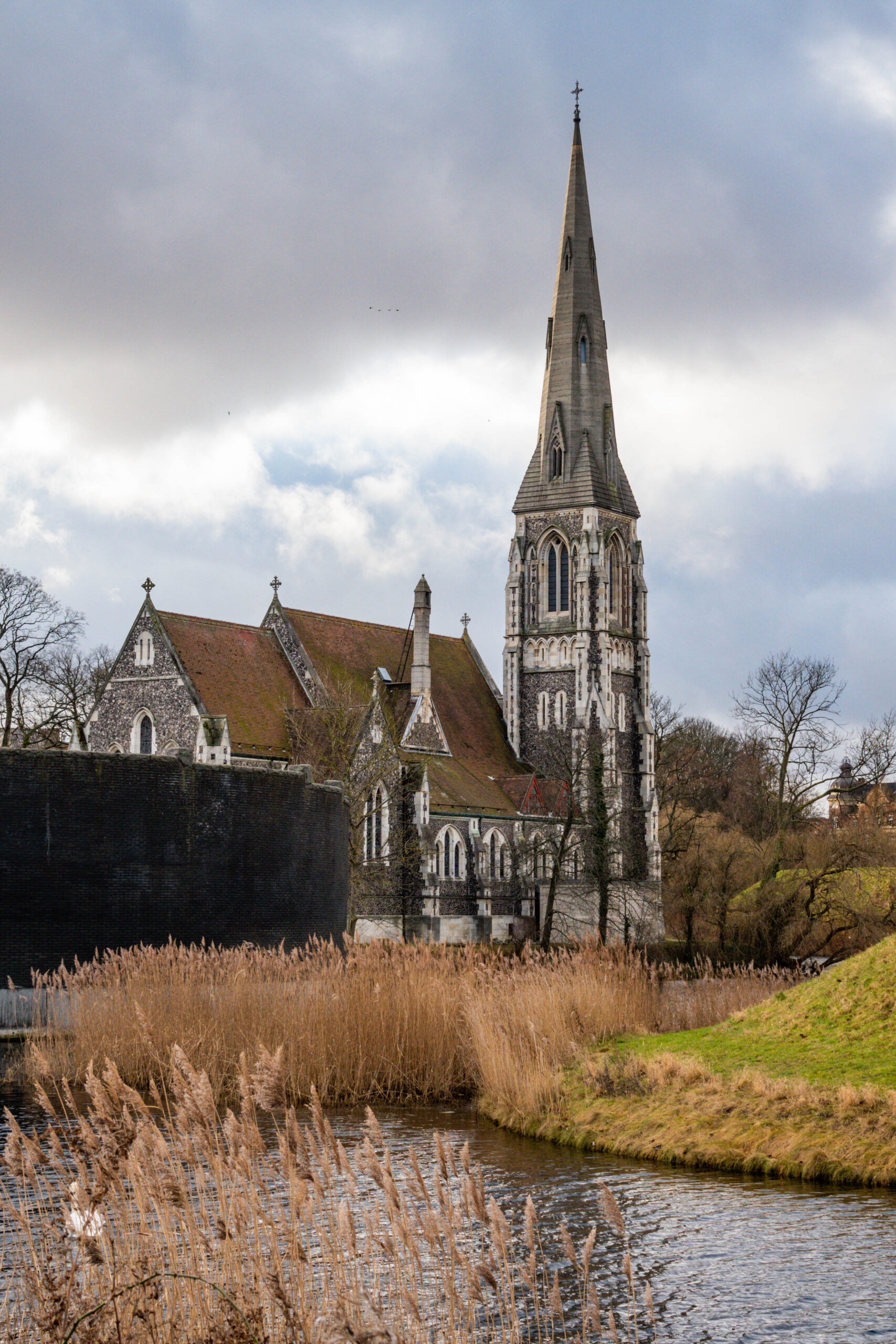
St. Alban’s Anglican Church from the 19th century.

THE END.

Thanks for reading!
Did anything stick with you, surprise you, or make you laugh? Drop me a message (anywhere, even in the comments below) – I’d love to hear from you. 🙂

I’ll be back soon with a more sustainability-themed post.

Wishing you a lovely morning / day / evening / night.

<3, Alenka